
Guide
How Long Does Detox Take in San Antonio? Timelines & What to Expect
Joint Commission accredited · In network with most major insurance · Admissions answered 24 hours a day


Published August 1, 2026
How Long Does Detox Take? Understanding Withdrawal Timelines in San Antonio
If you or someone you love is considering detox in San Antonio, one of the first questions you're probably asking is: how long does detox take? The answer depends on the substance, how long it's been used, your overall health, and the level of medical support you receive.
At Briarwood Detox Center, we provide outpatient detox services in San Antonio with medically supervised care designed to keep you safe, stable, and supported throughout withdrawal. While detox timelines vary, most people complete the acute withdrawal phase within 5 to 10 days — though some substances require longer monitoring.
Does your insurance cover detox in San Antonio?
Find out in about 2 minutes — free, confidential, no obligation.
Verify InsuranceThis guide breaks down detox timelines by substance, explains what affects how long detox takes, and helps you understand what to expect during medically managed withdrawal in San Antonio.
What Is Medical Detox?
Medical detox is the process of safely removing drugs or alcohol from your body under clinical supervision. It addresses the physical withdrawal symptoms that occur when you stop using a substance your body has become dependent on.
Detox is not the same as rehab — it's the critical first step. Learn more about the difference in our guide: Detox vs. Rehab: Which Do You Need First?
Medically supervised detox includes:
- 24/7 monitoring by licensed medical staff (in inpatient settings) or scheduled clinical check-ins (outpatient)
- Medications to reduce cravings, prevent complications, and ease discomfort
- Vital sign tracking and symptom management
- Connection to ongoing treatment after detox is complete
The length of detox depends heavily on the substance involved and individual factors like metabolism, co-occurring health conditions, and history of use.
How Long Does Alcohol Detox Take?
Typical timeline: 5–7 days for acute withdrawal; up to 2 weeks for full stabilization
Alcohol withdrawal can be dangerous without medical supervision. Symptoms usually begin within 6 to 12 hours after the last drink and peak around 24 to 72 hours. Severe symptoms — including seizures and delirium tremens (DTs) — can occur during this window, which is why medical detox is essential for heavy or long-term drinkers.
Alcohol detox timeline:
- 6–12 hours: Anxiety, nausea, tremors, sweating
- 12–24 hours: Increased heart rate, confusion, irritability
- 24–72 hours: Peak symptoms — seizures, hallucinations, DTs (in severe cases)
- 5–7 days: Most acute symptoms resolve with medical support
- Weeks to months: Post-acute withdrawal symptoms (PAWS) like mood swings, sleep issues, and cravings may persist
Briarwood's medically supervised alcohol detox uses FDA-approved medications like benzodiazepines to prevent seizures and manage symptoms safely. Our San Antonio outpatient detox program allows you to detox with professional support while maintaining daily responsibilities.
Read more: Alcohol Detox Timeline: What to Expect
How Long Does Opioid Detox Take?
Typical timeline: 5–10 days for acute withdrawal; longer for medication-assisted treatment (MAT) stabilization
Opioid withdrawal is intensely uncomfortable but rarely life-threatening. The timeline depends on whether the opioid is short-acting (heroin, oxycodone) or long-acting (methadone, fentanyl).
Short-acting opioids (heroin, oxycodone, hydrocodone):
- 6–12 hours: Symptoms begin (muscle aches, anxiety, sweating)
- 1–3 days: Peak symptoms (nausea, vomiting, diarrhea, severe cravings)
- 5–7 days: Acute symptoms subside
Long-acting opioids (methadone, fentanyl):
- 12–48 hours: Symptoms begin
- 3–5 days: Peak intensity
- 10–14 days: Acute phase resolves
At Briarwood, we use medications like buprenorphine (Suboxone) and clonidine to manage cravings, reduce discomfort, and support safe withdrawal. Our team connects you with medication-assisted treatment (MAT) options for long-term recovery after detox.
Learn more: The First 72 Hours of Opioid Withdrawal
Where we are
Detox centers across Texas
Three locations, each with its own admissions line and its own clinical team. Pick the one nearest you — or call and we will tell you which has a bed tonight.
-
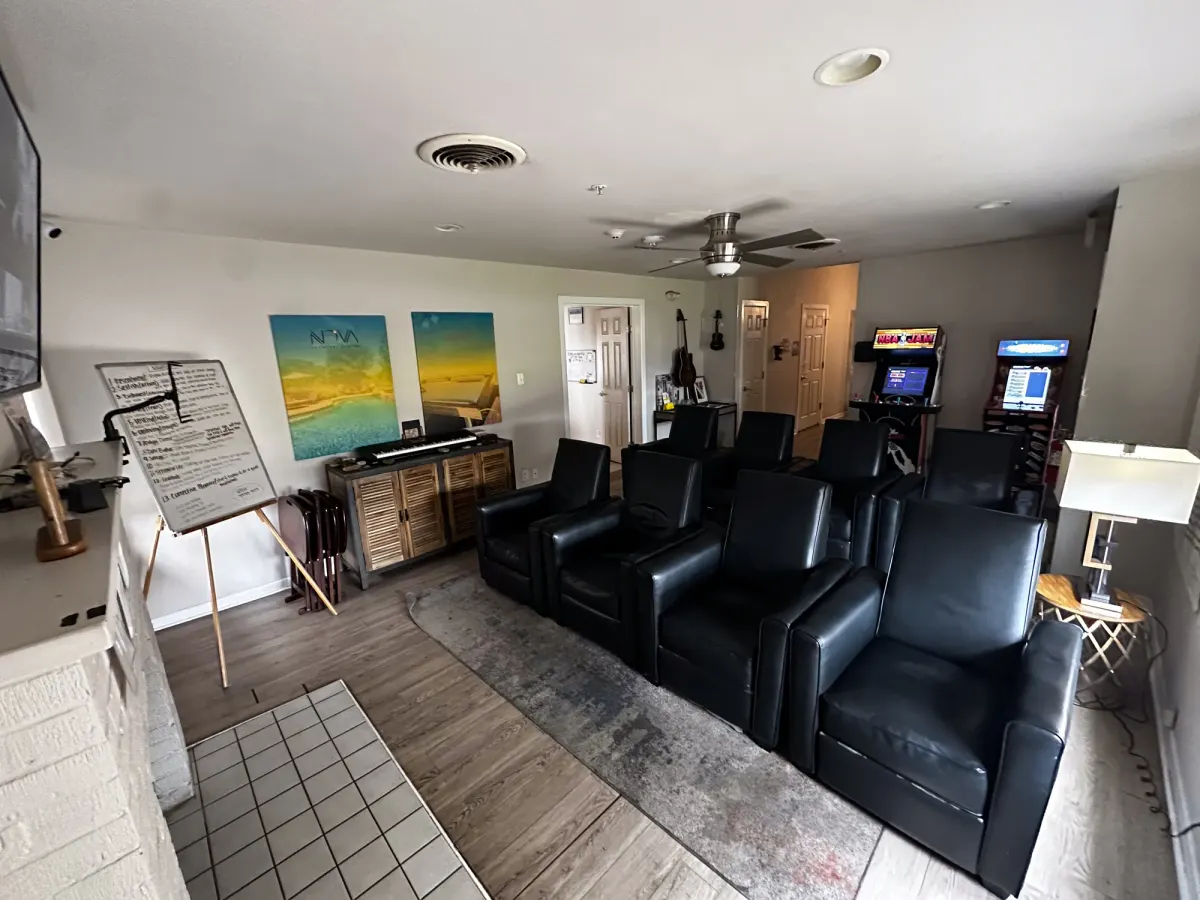 Inpatient
 Austin, TX
11711 N Lamar Blvd · 78753
- 15 beds
- On-site labs
- 24-hour medical staff
Drug & Alcohol Detox in Austin, TX
-
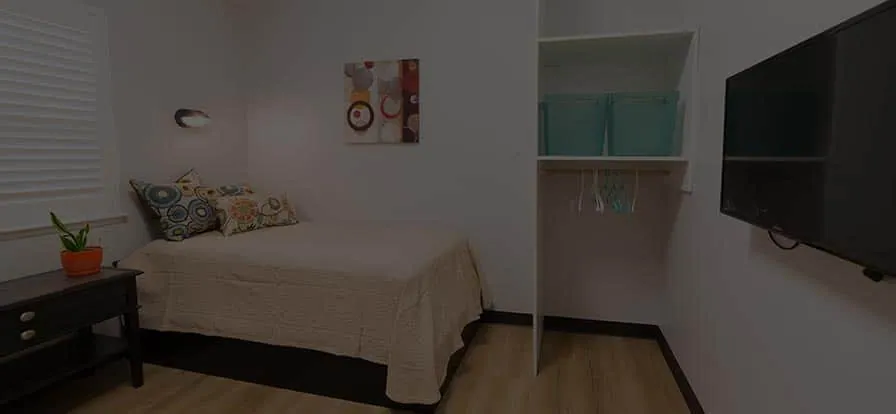 Inpatient
 Houston, TX
1019 Ashland St · 77008
- On-site labs
- 24-hour medical staff
Drug Detox Center in Houston, TX
-
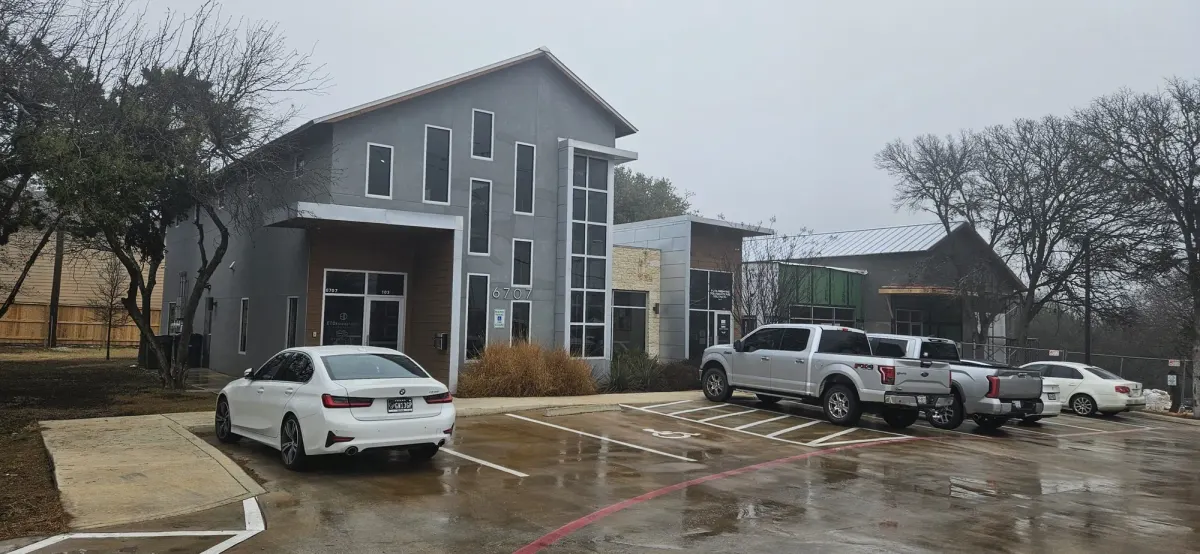 Outpatient
 San Antonio, TX
6707 W Hausman Rd · 78249
- Outpatient detox with scheduled medical visits
- Outpatient treatment
Outpatient Drug & Alcohol Detox in San Antonio
How Long Does Benzodiazepine Detox Take?
Typical timeline: 2–8 weeks, depending on the medication and taper schedule
Ready to talk to someone now? Briarwood Detox Center's admissions team is here 24/7, and every call is confidential. Call (210) 305-4522.Benzodiazepines (Xanax, Ativan, Valium, Klonopin) require a slow, medically supervised taper to prevent seizures and other dangerous complications. Abruptly stopping benzos can be life-threatening.
Benzo detox timeline:
- 1–4 days: Early symptoms (anxiety, insomnia, agitation)
- 5–14 days: Peak withdrawal (tremors, increased heart rate, confusion, risk of seizures)
- 2–8 weeks: Gradual taper under medical supervision
- Months: Protracted withdrawal symptoms (PAWS) — anxiety, cognitive issues, sleep disturbances
Briarwood's approach to benzodiazepine detox includes careful medication management and symptom monitoring to ensure safety throughout the taper process.
Read more: Benzodiazepine Withdrawal Symptoms & Medical Detox
How Long Does Stimulant Detox Take?
Typical timeline: 3–7 days for acute symptoms; weeks for mood and energy stabilization
Stimulants like cocaine, methamphetamine, and prescription amphetamines (Adderall, Ritalin) cause intense psychological withdrawal, though physical symptoms are less dangerous than with alcohol or benzos.
Stimulant detox timeline:
- 1–3 days: Crash phase (extreme fatigue, depression, increased appetite)
- 3–7 days: Cravings, irritability, sleep disturbances
- Weeks to months: Mood swings, anhedonia (inability to feel pleasure), cognitive fog
Medical detox for stimulants focuses on safety, hydration, nutrition, and managing co-occurring mental health conditions like depression and anxiety. Learn more: Cocaine Addiction Treatment
Factors That Affect How Long Detox Takes
Detox timelines are not one-size-fits-all. Several factors influence how long withdrawal lasts:
- Substance type: Alcohol and benzos often require longer medical supervision; opioids vary by type.
- Duration and intensity of use: Long-term, heavy use typically leads to longer, more severe withdrawal.
- Polydrug use: Using multiple substances (e.g., alcohol and benzos together) complicates detox and extends timelines.
- Age and overall health: Older adults or those with chronic conditions may need extended monitoring.
- Co-occurring mental health conditions: Depression, anxiety, PTSD, and other diagnoses can prolong withdrawal and require integrated care.
- Previous detox attempts: The kindling effect can make each subsequent withdrawal from alcohol or benzos more severe.
What Happens After Detox?
Detox addresses the physical dependence on a substance — but it's only the beginning of recovery. Detox alone is not treatment. Without follow-up care, relapse rates are high.
After completing detox at Briarwood, we help you transition to:
- Outpatient counseling and therapy (individual, group, family)
- Medication-assisted treatment (MAT) for opioid or alcohol use disorders
- Dual diagnosis treatment for co-occurring mental health conditions
- Peer support groups and community-based recovery resources
Learn what comes next: What Comes After Detox?
Why Choose Briarwood Detox Center in San Antonio?
Briarwood Detox Center provides compassionate, evidence-based outpatient detox services for adults in San Antonio and across Texas. Our medical team specializes in safe withdrawal management for alcohol, opioids, benzodiazepines, and other substances.
What sets Briarwood apart:
- Medically supervised detox with licensed clinicians and proven protocols
- Outpatient flexibility — detox safely while maintaining work, school, or family responsibilities
- Individualized care plans tailored to your substance, health history, and goals
- Medication support to reduce cravings, prevent complications, and ease discomfort
- Seamless transition to ongoing treatment after detox is complete
We accept most private insurance plans and work with you to verify benefits and coverage. Call us at (210) 305-4522 to speak with our admissions team in San Antonio.
Ready to Start Detox in San Antonio?
If you're ready to take the first step toward recovery, Briarwood Detox Center is here to help. Our San Antonio outpatient detox program offers safe, compassionate, medically supervised care — so you can begin your journey with confidence and support.
Call (210) 305-4522 today to verify your insurance, ask questions, and schedule your confidential assessment. Recovery starts with one decision — and we're here to walk with you every step of the way.
You don't have to do this alone. Let's get started.
Ready to take the next step?
Briarwood Detox Center provides medically supervised drug & alcohol detox. Call (210) 305-4522 to speak with our team today.
Frequently Asked Questions
How long does detox take on average?+–
Most people complete the acute phase of detox within 5 to 10 days, depending on the substance. Alcohol and short-acting opioids typically take 5–7 days, while benzodiazepines may require 2–8 weeks of medically supervised tapering. Stimulant detox is often shorter (3–7 days), but psychological symptoms can last weeks. Your timeline depends on the substance, how long you've used it, your health, and the level of medical support you receive.
Can I detox at home, or do I need medical supervision?+–
Detoxing at home from alcohol or benzodiazepines is dangerous and can be life-threatening due to the risk of seizures, delirium tremens, and other complications. Opioid withdrawal is intensely uncomfortable and rarely successful without medical support. Medical detox provides safety, symptom management, and medications that make the process safer and more comfortable. If you've been using heavily or for a long time, medical supervision is essential.
What medications are used during detox?+–
Medications used during detox depend on the substance. For alcohol withdrawal, benzodiazepines (like Ativan or Valium) prevent seizures and reduce anxiety. For opioid detox, buprenorphine (Suboxone), clonidine, and comfort medications ease cravings and symptoms. Benzodiazepine detox uses a gradual taper of the same or a longer-acting benzo. Stimulant detox may include medications for sleep, anxiety, or depression. All medications are prescribed and monitored by licensed medical professionals.
Is outpatient detox safe?+–
Outpatient detox is safe and effective for many people, especially those with mild to moderate withdrawal risk, a stable supportive home environment, no history of severe complications, and motivation to attend regular check-ins. Briarwood's San Antonio outpatient detox program includes medical oversight, symptom monitoring, and medication management so you can detox safely while maintaining your daily responsibilities.
What happens if I relapse after detox?+–
Relapse is a common part of the recovery process, not a failure. If you relapse after detox, seek help immediately. Your tolerance may have decreased during detox, which increases overdose risk if you use again. Briarwood offers compassionate, judgment-free re-admission and ongoing support, including long-term recovery resources, counseling, and medication-assisted treatment to reduce relapse risk.
Does insurance cover detox in San Antonio?+–
Most private insurance plans cover medically necessary detox services. Briarwood Detox Center works with major insurers and offers free, confidential insurance verification. Call (210) 305-4522 to speak with our admissions team in San Antonio. We'll check your benefits, explain your coverage, and help you understand any out-of-pocket costs before you start treatment. Ready to Start Your Recovery in San Antonio? Struggling with how long does detox take? Briarwood Detox Center's San Antonio facility offers medically supervised detox. Explore our locations, see the facility, and verify your insurance in minutes. See our locations
Related guides


About the people behind this guide
Anna-Grace Washington
Medical Content Writer
Anna-Grace Washington is a Medical Content Writer for Briarwood Detox Center. She holds a master’s degree in clinical psychology from the University of Texas and brings a strong understanding of behavioral health, addiction recovery, and evidence-based treatment concepts to her writing.
Dr. Robert Ulrich, DO
Medical Director
Dr. Robert Ulrich serves as Medical Director at Briarwood Detox Center, bringing more than two decades of clinical neurology experience to the treatment of substance use disorders. He is board-certified in neurology by the American Board of Psychiatry and Neurology and completed his neurology residency at UT Southwestern Medical Center in Dallas, where he served as Chief Resident.
In network with most major insurance
Find your plan and see what detox would cost
Most plans cover medical detox. Coverage varies by plan, so we verify it for you before you commit to anything.


















Don't see your plan? We work with out-of-network benefits and offer self-pay options — (210) 305-4522
- Confidential
- Takes about 2 minutes
- No obligation to admit

- Accredited The Joint Commission
- Rated 5.0 · 80 Google reviews Flourishing Foundations Recovery, now part of Briarwood
- Admissions 24 hours a day