
Guide
What Happens to Your Brain and Body During Benzodiazepine Withdrawal at a Medical Detox Center
Joint Commission accredited · In network with most major insurance · Admissions answered 24 hours a day


Published May 15, 2026
Reviewed and updated July 29, 2026
Why Benzodiazepine Withdrawal Is Different From Other Drug Withdrawals
Not all withdrawals are created equal. While withdrawal from opioids like heroin or fentanyl is intensely uncomfortable, it is rarely fatal for otherwise healthy individuals. Benzodiazepine withdrawal, on the other hand, shares a similar neurological profile with alcohol withdrawal — and both can trigger seizures, cardiovascular instability, and in severe cases, death. Benzodiazepines work by enhancing the activity of gamma-aminobutyric acid (GABA), a neurotransmitter that calms the nervous system. When you take benzos regularly, your brain gradually reduces its own natural GABA production, essentially outsourcing the job to the medication. Over time, your central nervous system recalibrates around the drug's presence.
When you stop taking benzos abruptly — or even taper too quickly — your brain's suppressed inhibitory system is suddenly left exposed, and the result is a hyperactive nervous system that has lost its natural braking mechanism. This is why attempting to detox from benzodiazepines at home, without medical supervision, is genuinely dangerous. The risk isn't just discomfort — it's a real medical emergency.
The Timeline of Benzodiazepine Withdrawal Symptoms
The onset and duration of benzo withdrawal depend largely on which type of benzodiazepine you were taking and for how long. Short-acting benzos like Xanax (alprazolam) and Ativan (lorazepam) produce withdrawal symptoms that begin more quickly — often within 6 to 24 hours of the last dose. Longer-acting benzos like Valium (diazepam) and Klonopin (clonazepam) may take 24 to 72 hours before withdrawal symptoms emerge, but those symptoms can persist for weeks or even months. Here's a general breakdown of what to expect:
- Days 1–3 (Early withdrawal): Anxiety, restlessness, insomnia, irritability, and elevated heart rate typically appear first. For short-acting benzos, this phase begins within hours.
- Days 3–7 (Peak withdrawal): Symptoms intensify. Seizures are most likely during this window, along with tremors, sweating, nausea, vomiting, elevated blood pressure, and heightened sensitivity to light and sound. Psychotic symptoms such as hallucinations or paranoia can also occur.
- Days 7–14 (Sub-acute phase): Physical symptoms begin to stabilize for many people, though anxiety, mood swings, and sleep disruption persist.
- Weeks to months (Post-Acute Withdrawal Syndrome, or PAWS): Some people experience a prolonged withdrawal syndrome involving cognitive fog, persistent anxiety, depression, and emotional volatility. This is especially common after long-term benzo use.
What's Happening Inside Your Brain During Benzo Withdrawal
- Seizure activity: GABA normally prevents neurons from firing too rapidly. Without it, uncontrolled electrical activity in the brain can escalate into full tonic-clonic seizures.
- Hyperactive stress response: The amygdala — the brain's fear center — becomes overactive, flooding the body with stress hormones like cortisol and adrenaline. This explains the intense anxiety, panic attacks, and hypervigilance that many people experience during benzo withdrawal.
- Disrupted sleep architecture: GABA is essential for slow-wave and REM sleep. Its sudden absence throws off the brain's sleep regulation, leading to insomnia that can persist for weeks.
- Cognitive impairment: Many people report difficulty concentrating, memory gaps, and mental fog during withdrawal. This reflects the brain's struggle to restore normal neurochemical balance.
- Depression and emotional dysregulation: The dopamine and serotonin systems are also affected during benzo withdrawal, which can trigger significant mood disturbances that require clinical attention — particularly for those with co-occurring mental health conditions.
Where we are
Detox centers across Texas
Three locations, each with its own admissions line and its own clinical team. Pick the one nearest you — or call and we will tell you which has a bed tonight.
-
 Inpatient
 Austin, TX
11711 N Lamar Blvd · 78753
- 15 beds
- On-site labs
- 24-hour medical staff
Drug & Alcohol Detox in Austin, TX
-
 Inpatient
 Houston, TX
1019 Ashland St · 77008
- On-site labs
- 24-hour medical staff
Drug Detox Center in Houston, TX
-
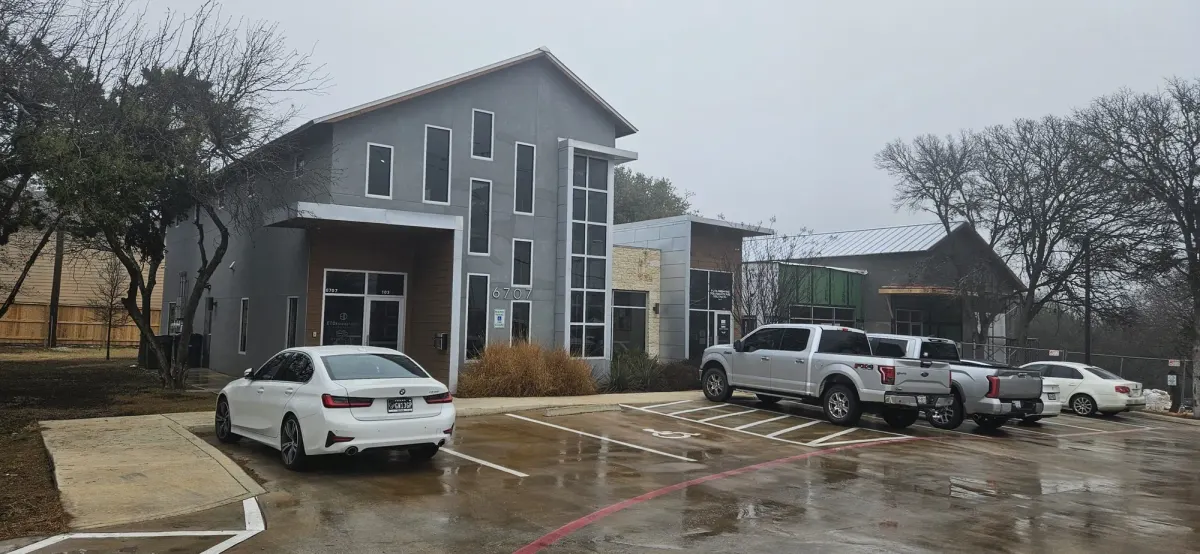 Outpatient
 San Antonio, TX
6707 W Hausman Rd · 78249
- Outpatient detox with scheduled medical visits
- Outpatient treatment
Outpatient Drug & Alcohol Detox in San Antonio
What Your Body Goes Through During Benzo Detox
While the brain is managing a neurochemical crisis, the rest of your body is responding to the same nervous system upheaval. Physical symptoms of benzo withdrawal can range from deeply uncomfortable to medically serious:
- Cardiovascular: Elevated heart rate (tachycardia), high blood pressure, and heart palpitations are common. In severe cases, autonomic instability can pose cardiovascular risk.
- Gastrointestinal: Nausea, vomiting, abdominal cramps, and diarrhea are frequent complaints during the acute withdrawal phase.
- Musculoskeletal: Muscle tension, cramps, tremors, and full-body aches often accompany the neurological hyperactivity.
- Sensory: Heightened sensitivity to light, sound, and touch — a condition called hyperalgesia — makes everyday environments feel overwhelming.
- Respiratory: Rapid, shallow breathing (hyperventilation) is common, particularly during panic attacks.
These symptoms are not simply signs of discomfort — they are signs that your body's autonomic nervous system is struggling to regulate itself without pharmaceutical assistance. At a drug detox center in Austin, medical professionals monitor these vital signs around the clock and intervene when necessary.
How Medical Detox Manages Benzo Withdrawal Safely
The cornerstone of safe benzo detox is a medically supervised tapering protocol. Rather than stopping benzodiazepines abruptly, physicians typically use a gradual dose reduction — often switching to a longer-acting benzo like diazepam to create a smoother, more controlled withdrawal curve. This approach significantly reduces the risk of seizures and severe symptoms. At a professional medical detox program, the clinical team may also use:
- Anticonvulsants such as carbamazepine or gabapentin to reduce seizure risk and manage anxiety
- Beta-blockers to control heart rate and blood pressure
- Nutritional support to replenish vitamins and minerals depleted during prolonged benzo use
- IV fluids if dehydration becomes a concern due to vomiting
- Continuous vital sign monitoring to catch dangerous changes before they escalate
- Psychological support to help manage the intense anxiety and emotional distress that accompany withdrawal
Benzo Detox in Austin, Texas: What to Expect at Briarwood
You Don't Have to Go Through Benzo Withdrawal Alone
Frequently Asked Questions
How dangerous is benzodiazepine withdrawal without medical supervision?+–
Benzodiazepine withdrawal can be life-threatening when attempted without medical supervision. The sudden removal of benzos can trigger grand mal seizures, severe cardiovascular instability, and in rare cases, death — particularly for people who have been using high doses for a long period of time. This is why medical detox in a supervised setting is strongly recommended over quitting cold turkey at home.
How long does benzo withdrawal last?+–
Acute benzo withdrawal typically lasts 1–2 weeks, with peak symptoms occurring between days 3 and 7. However, some people experience a prolonged withdrawal syndrome called Post-Acute Withdrawal Syndrome (PAWS) that can cause anxiety, insomnia, cognitive fog, and mood disturbances for weeks or even months after the acute phase has passed. The duration depends on the type of benzo, dosage, and length of use.
What medications are used to treat benzo withdrawal at a medical detox center?+–
Medical detox teams typically use a carefully managed taper with long-acting benzodiazepines like diazepam (Valium) to gradually reduce dependency. Anticonvulsants such as gabapentin or carbamazepine may be added to reduce seizure risk, and beta-blockers can help control heart rate and blood pressure. The specific protocol is always tailored to the individual patient's history and medical needs.
Can I detox from benzos at home?+–
Detoxing from benzodiazepines at home is strongly discouraged and can be dangerous or fatal, especially after long-term or high-dose use. Unlike opioid withdrawal, benzo withdrawal carries a real risk of seizures and cardiovascular complications that require medical monitoring. A supervised medical detox program provides the safest environment for benzo withdrawal.
What happens to the brain after benzo withdrawal is over?+–
The brain begins to restore its natural GABA receptor sensitivity after benzo withdrawal, but this process takes time. Many people notice gradual improvements in sleep, mood, and cognitive function over the weeks and months following detox. Supporting brain recovery through therapy, nutrition, exercise, and ongoing treatment significantly improves long-term outcomes.
Does Briarwood Detox Center in Austin treat benzodiazepine withdrawal?+–
Yes. Briarwood Detox Center in Austin, Texas provides medically supervised detox for benzodiazepine dependence. Their clinical team creates individualized tapering protocols, monitors vital signs around the clock, and offers both medical and psychological support throughout the detox process. You can reach their admissions team 24/7 at (866) 710-7710. Call Now: (866) 710-7710 Ready to Start Your Recovery in Austin? If you or someone you love needs more than detox, Briarwood Detox Center also provides austin tx drug rehab . Briarwood Detox Center’s benzodiazepine detox program provides medically supervised, evidence-based care. Does your insurance cover detox in Austin? Find out in about 2 minutes — free, confidential, no obligation. Verify Insurance Briarwood Detox Center offers medically supervised detox in Austin. Explore our locations, see the facility, and verify your insurance in minutes. Ready to talk to someone now? Briarwood Detox Center's admissions team is here 24/7, and every call is confidential. Call (866) 710-7710 . See our locations
Related guides

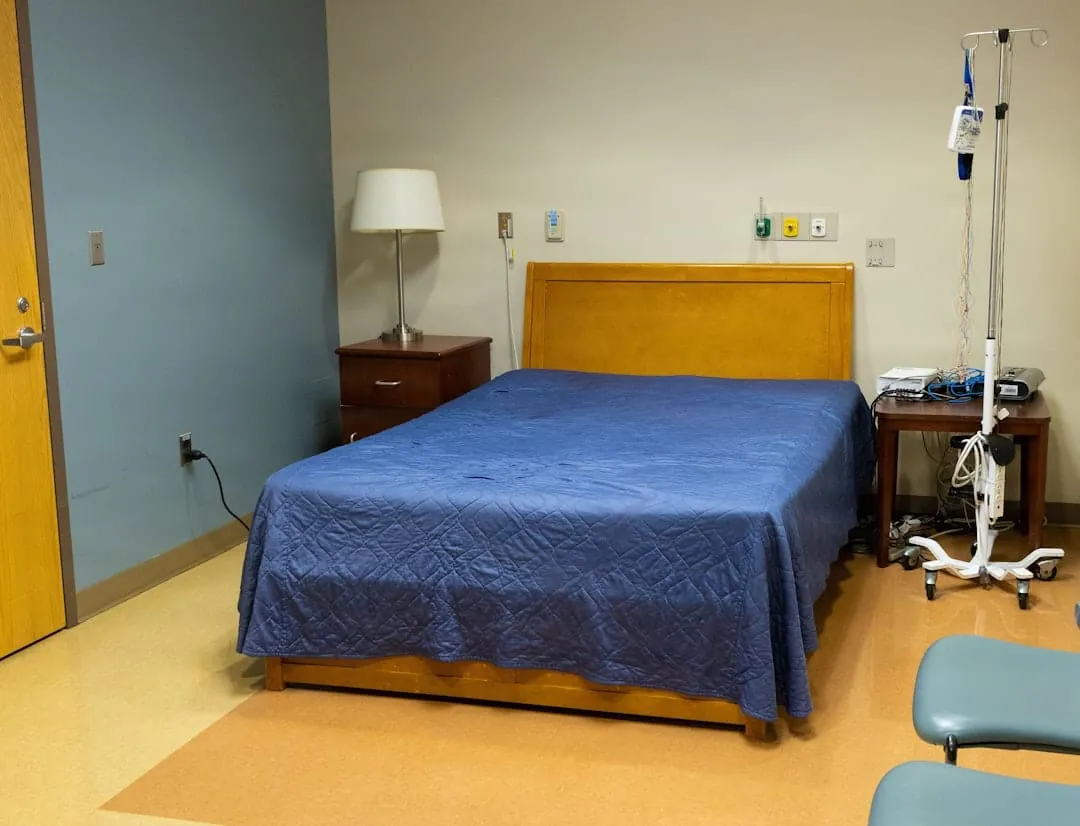

About the people behind this guide
Anna-Grace Washington
Medical Content Writer
Anna-Grace Washington is a Medical Content Writer for Briarwood Detox Center. She holds a master’s degree in clinical psychology from the University of Texas and brings a strong understanding of behavioral health, addiction recovery, and evidence-based treatment concepts to her writing.
Dr. Robert Ulrich, DO
Medical Director
Dr. Robert Ulrich serves as Medical Director at Briarwood Detox Center, bringing more than two decades of clinical neurology experience to the treatment of substance use disorders. He is board-certified in neurology by the American Board of Psychiatry and Neurology and completed his neurology residency at UT Southwestern Medical Center in Dallas, where he served as Chief Resident.
In network with most major insurance
Find your plan and see what detox would cost
Most plans cover medical detox. Coverage varies by plan, so we verify it for you before you commit to anything.


















Don't see your plan? We work with out-of-network benefits and offer self-pay options — (866) 710-7710
- Confidential
- Takes about 2 minutes
- No obligation to admit

- Accredited The Joint Commission
- Rated 4.5 · 95 Google reviews
- Admissions 24 hours a day