
Guide
What Happens to Your Body in the First 72 Hours of Opioid Withdrawal at a Medical Detox Center in Austin
Joint Commission accredited · In network with most major insurance · Admissions answered 24 hours a day


Published May 15, 2026
Reviewed and updated July 29, 2026
Why Opioids Cause Withdrawal in the First Place
The Opioid Withdrawal Timeline: What to Expect Hour by Hour
The exact timing of opioid withdrawal depends on the type of opioid used, how long you've been using, your dosage, and your overall health. Short-acting opioids like heroin and oxycodone generally begin withdrawal sooner; long-acting opioids like methadone have a more delayed and prolonged timeline. Here's a general framework for the first 72 hours:
Hours 6–12: Early Onset
For short-acting opioids, withdrawal symptoms often begin within 6 to 12 hours of the last dose. Early signs are subtle but unmistakable if you know what to look for:
- Yawning excessively and watery eyes
- Runny nose and mild sweating
- Anxiety and restlessness — a creeping sense that something is wrong
- Irritability and difficulty relaxing
- Muscle aches that begin in the legs and lower back
- Goosebumps and chills despite normal room temperature
At a medical detox center, this is the phase where your care team conducts a thorough intake assessment — measuring your vital signs, reviewing your substance use history, and establishing a baseline for your treatment plan.
Hours 24–36: Symptoms Peak and Intensify
This is typically the most difficult stretch of the first 72 hours. By the 24-hour mark, opioid withdrawal symptoms are usually in full force. You may experience:- Severe muscle cramping and joint pain
- Nausea, vomiting, and diarrhea — often occurring simultaneously
- Abdominal cramping and bloating
- Profuse sweating alternating with chills and shivering
- Elevated heart rate and blood pressure
- Dilated pupils and increased sensitivity to light
- Insomnia — the body is exhausted but cannot rest
- Intense drug cravings that feel overwhelming
- Anxiety, agitation, and in some cases, panic attacks
Hours 36–72: Gradual Stabilization
For most people detoxing from short-acting opioids, symptoms begin to plateau or slowly decrease after the 36-hour mark. The acute physical symptoms — vomiting, cramping, sweating — typically begin to ease. However, this phase often brings:
- Continued insomnia and fatigue
- Mood swings, depression, and emotional vulnerability
- Persistent low-grade muscle aches
- Appetite disruption — either no appetite or intense hunger
- Continued cravings, though often less acute than at peak
By hour 72, many patients at a detox center are physically stabilized enough to begin engaging in therapeutic support, which is a critical bridge to the next stage of recovery.
Where we are
Detox centers across Texas
Three locations, each with its own admissions line and its own clinical team. Pick the one nearest you — or call and we will tell you which has a bed tonight.
-
 Inpatient
 Austin, TX
11711 N Lamar Blvd · 78753
- 15 beds
- On-site labs
- 24-hour medical staff
Drug & Alcohol Detox in Austin, TX
-
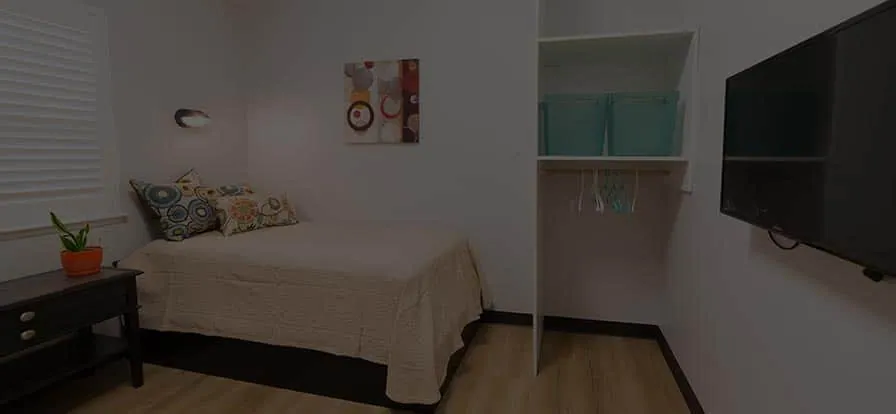 Inpatient
 Houston, TX
1019 Ashland St · 77008
- On-site labs
- 24-hour medical staff
Drug Detox Center in Houston, TX
-
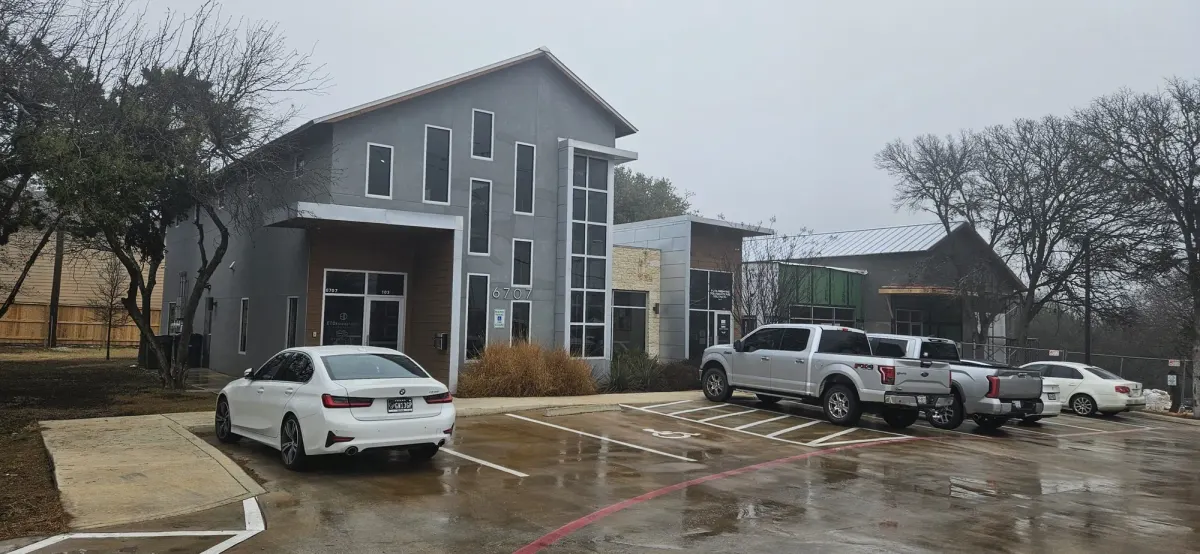 Outpatient
 San Antonio, TX
6707 W Hausman Rd · 78249
- Outpatient detox with scheduled medical visits
- Outpatient treatment
Outpatient Drug & Alcohol Detox in San Antonio
What Medical Support Looks Like at an Austin Detox Center
- Buprenorphine (Suboxone): One of the most widely used medications for opioid withdrawal, buprenorphine reduces cravings and withdrawal symptoms by partially activating opioid receptors without producing the same high. It is highly effective and can also be used as part of medication-assisted treatment (MAT) after detox.
- Clonidine: An alpha-2 agonist originally used for blood pressure, clonidine helps reduce anxiety, sweating, muscle aches, and restlessness during withdrawal by calming the overactive nervous system.
- Medications for nausea and vomiting: Anti-nausea medications prevent the dehydration and electrolyte loss that make withdrawal dangerous.
- Sleep aids: Non-habit-forming sleep support medications help patients get the rest their body desperately needs to begin healing.
- IV fluids and nutritional support: Patients who are severely dehydrated from vomiting and sweating may receive IV fluids to maintain electrolyte balance.
- 24/7 nursing monitoring: Vital signs are checked regularly, and any complications — including sudden changes in blood pressure or heart rate — are addressed immediately.
At Briarwood Detox Center, the clinical team tailors this support to your specific history and needs, rather than using a one-size-fits-all approach. You're not just managing symptoms — you're doing so with a compassionate team who understands what your body is going through.
The Emotional Side of the First 72 Hours
Physical symptoms get most of the attention when people talk about opioid withdrawal, but the emotional and psychological experience can be just as challenging. During the first three days, many people experience:
- Fear and panic: Not knowing when symptoms will peak or ease can create significant anxiety.
- Shame and guilt: The early hours of detox often bring difficult emotions to the surface, especially when the fog of active use begins to clear.
- Depression: Because opioids flood the brain's reward system with dopamine, their absence leaves a temporary deficit that can cause deep sadness or emotional numbness.
- Cravings: The psychological pull toward relief is powerful, and having medical and emotional support on hand helps you resist it.
What Happens After the First 72 Hours?
Why Choose Medical Detox in Austin, Texas?
Taking the First Step Toward Opioid Detox in Austin
Frequently Asked Questions
How long does opioid withdrawal last in total?+–
Acute opioid withdrawal typically lasts 5 to 10 days for most short-acting opioids like heroin or oxycodone. The most intense symptoms usually peak around 36 to 72 hours and gradually improve after that. However, post-acute withdrawal syndrome (PAWS) — characterized by mood changes, sleep problems, and cravings — can persist for weeks to months, which is why continued treatment after detox is so important.
Is opioid withdrawal dangerous without medical supervision?+–
While opioid withdrawal is rarely directly fatal, it carries serious risks when not medically supervised. Severe vomiting and diarrhea can lead to dangerous dehydration and electrolyte imbalances, and respiratory complications are possible in some cases. More commonly, the intense discomfort of unsupervised withdrawal leads to relapse — and relapse after a period of abstinence significantly increases the risk of fatal overdose because tolerance has dropped. Medical detox is strongly recommended.
What medications are used during opioid detox at a medical facility?+–
The most commonly used medications for opioid withdrawal management include buprenorphine (Suboxone), which reduces cravings and withdrawal symptoms, and clonidine, which helps control anxiety, sweating, and muscle cramps. Anti-nausea medications, sleep aids, and in some cases methadone may also be used depending on your specific situation. A medical detox team will assess your history and tailor a medication plan to your needs.
Can I detox from opioids at home, or do I need to go to a detox center?+–
While some people attempt home detox, it is not recommended for opioid dependence due to the severity of withdrawal symptoms and the high risk of relapse during unsupervised withdrawal. A medical detox center provides 24/7 monitoring, symptom management medications, and emotional support that make the process significantly safer and more effective. Home detox also lacks the clinical infrastructure to handle complications if they arise.
What's the difference between opioid detox and opioid addiction treatment?+–
Detox addresses the physical process of clearing opioids from your system and managing withdrawal symptoms — it typically lasts 5 to 10 days. Addiction treatment is the longer-term work of addressing the psychological, behavioral, and social roots of opioid use disorder through therapies, counseling, support groups, and sometimes medication-assisted treatment (MAT). Detox is the critical first step, but completing treatment significantly improves long-term recovery outcomes.
Does insurance cover opioid detox in Austin, Texas?+–
Most major insurance plans, including Medicaid and many private insurers, cover medically necessary detox services under the Mental Health Parity and Addiction Equity Act. Coverage varies by plan, so it's important to verify your benefits before admission. Briarwood Detox Center works with many in-network insurance providers and can help verify your coverage quickly — call (866) 710-7710 or submit an online verification request to find out what your plan covers. Call Now: (866) 710-7710 Ready to Start Your Recovery in Austin? If you or someone you love needs more than detox, Briarwood Detox Center also provides rehab in austin texas . Briarwood Detox Center’s opiate detox program provides medically supervised, evidence-based care. Does your insurance cover detox in Austin? Find out in about 2 minutes — free, confidential, no obligation. Verify Insurance Briarwood Detox Center offers medically supervised detox in Austin. Explore our locations, see the facility, and verify your insurance in minutes. Ready to talk to someone now? Briarwood Detox Center's admissions team is here 24/7, and every call is confidential. Call (866) 710-7710 . See our locations
Related guides


About the people behind this guide
Anna-Grace Washington
Medical Content Writer
Anna-Grace Washington is a Medical Content Writer for Briarwood Detox Center. She holds a master’s degree in clinical psychology from the University of Texas and brings a strong understanding of behavioral health, addiction recovery, and evidence-based treatment concepts to her writing.
Dr. Robert Ulrich, DO
Medical Director
Dr. Robert Ulrich serves as Medical Director at Briarwood Detox Center, bringing more than two decades of clinical neurology experience to the treatment of substance use disorders. He is board-certified in neurology by the American Board of Psychiatry and Neurology and completed his neurology residency at UT Southwestern Medical Center in Dallas, where he served as Chief Resident.
In network with most major insurance
Find your plan and see what detox would cost
Most plans cover medical detox. Coverage varies by plan, so we verify it for you before you commit to anything.


















Don't see your plan? We work with out-of-network benefits and offer self-pay options — (866) 710-7710
- Confidential
- Takes about 2 minutes
- No obligation to admit

- Accredited The Joint Commission
- Rated 4.5 · 95 Google reviews
- Admissions 24 hours a day