
Guide
Opioid Detox Medications: What's Used During Treatment at an Austin Detox Center
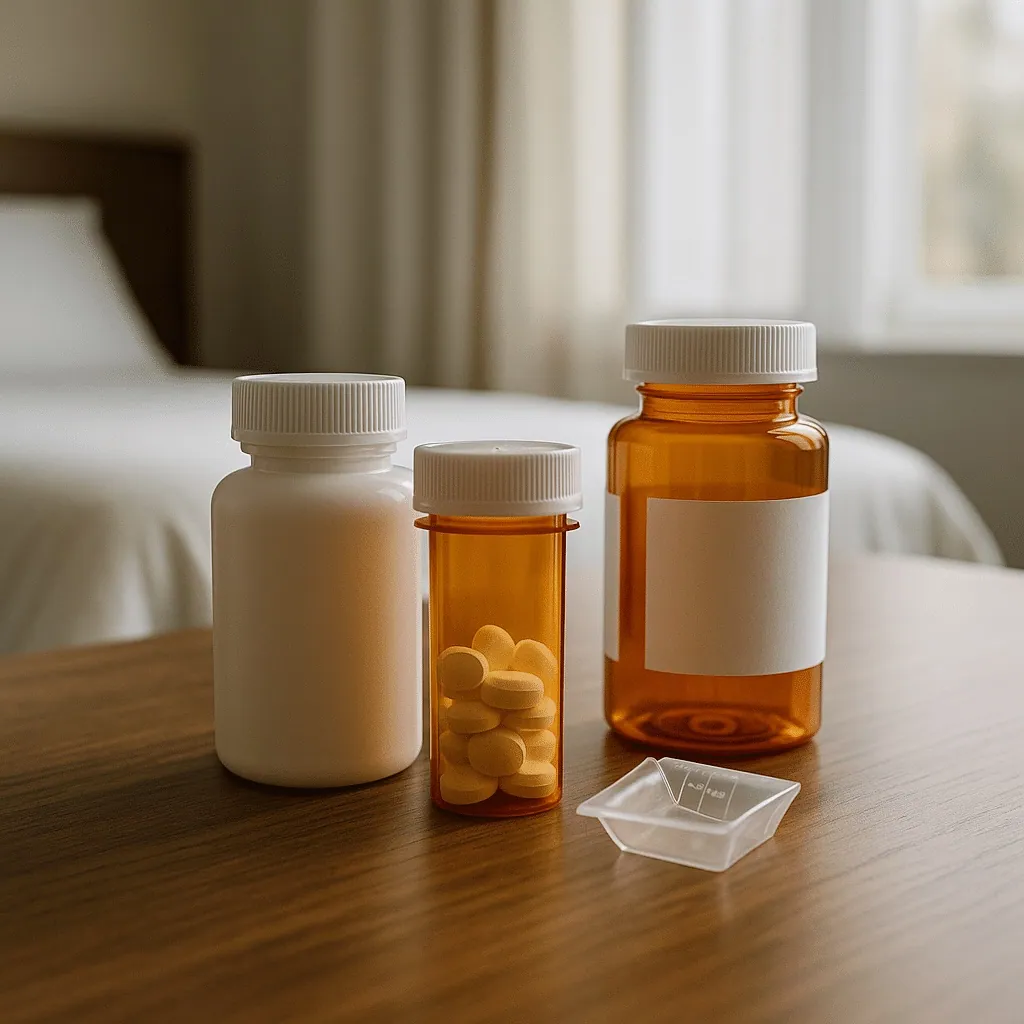
Joint Commission accredited · In network with most major insurance · Admissions answered 24 hours a day


Published May 4, 2026
Reviewed and updated July 29, 2026
Why Medication Matters During Opioid Withdrawal
Opioids — whether heroin, fentanyl, oxycodone, hydrocodone, or prescription painkillers — create powerful physical dependence. When you stop taking them, your nervous system goes into overdrive as it tries to rebalance itself. The result is a wave of withdrawal symptoms that can include severe muscle aches, nausea and vomiting, diarrhea, intense anxiety, insomnia, cold sweats, and powerful cravings. Trying to detox from opioids without medical support is not only brutally uncomfortable — it's also why so many people relapse in the first 72 hours. Medications used in opioid detox treatment work by easing these symptoms, stabilizing your system, and reducing the risk of complications.
They don't eliminate the work of recovery, but they make the first critical step far more manageable. At a medically supervised medical detox facility like Briarwood, your care team monitors you continuously and adjusts your medication protocol based on how your body responds. This personalized approach is what sets professional detox apart from trying to tough it out alone.
The Most Commonly Used Opioid Detox Medications
There are several FDA-approved and clinically supported medications used during opioid withdrawal treatment. Each serves a specific purpose, and your medical team will determine which combination is right for you based on your history, the substance you used, how long you've been using, and your overall health.
Buprenorphine (Subutex) and Buprenorphine/Naloxone (Suboxone)
Buprenorphine is one of the most widely used medications in opioid detox treatment. It's a partial opioid agonist, which means it activates the same brain receptors as opioids but produces a much weaker effect. This allows it to:
- Dramatically reduce withdrawal symptoms within 30–60 minutes of the first dose
- Decrease cravings for opioids
- Lower the risk of overdose compared to full opioid agonists
- Stabilize the nervous system so you can focus on early recovery
Suboxone is the brand name for a combination of buprenorphine and naloxone. The naloxone component is added as a deterrent against misuse — if someone tries to inject the medication, the naloxone triggers immediate withdrawal. When taken as prescribed under the tongue, the naloxone has minimal effect and the buprenorphine does its job. During a short-term detox protocol, buprenorphine is typically introduced once withdrawal symptoms have begun (to avoid precipitated withdrawal) and then carefully tapered down over the course of detox.
Methadone
Methadone is a long-acting full opioid agonist that has been used in opioid treatment programs for decades. In a detox setting, it's used to stabilize patients who are withdrawing from high-potency opioids like fentanyl or long-term heroin use. Because methadone has a long half-life, it prevents the sharp peaks and valleys of withdrawal, giving the body a more gradual adjustment. Methadone used for detox is administered in a controlled, supervised medical environment — it is not the same as an outpatient methadone maintenance program, though some patients do transition to methadone maintenance after detox as part of their long-term medication-assisted treatment plan.
Clonidine
Clonidine is not an opioid — it's a blood pressure medication that works by calming the overactive nervous system response that drives many opioid withdrawal symptoms. It's particularly effective for reducing: Call Now: (866) 710-7710- Anxiety and agitation
- Sweating and hot/cold flashes
- Elevated heart rate and blood pressure
- Muscle cramps and restlessness
Clonidine is often used alongside buprenorphine or as a standalone option in certain cases. It doesn't address cravings directly, but it significantly improves comfort during the acute withdrawal phase.
Naltrexone (Vivitrol)
Naltrexone works differently from the other medications on this list. Rather than easing withdrawal, it's used after detox is complete to help prevent relapse. Naltrexone is an opioid antagonist — it blocks opioid receptors in the brain, meaning that if you use opioids while taking it, you won't feel the high. This makes it a powerful tool in the transition from detox to ongoing recovery. Vivitrol is a once-monthly injectable form of naltrexone, which eliminates the need to remember a daily pill. Your treatment team may discuss starting naltrexone as part of your drug detox Austin aftercare plan before you leave the facility.Where we are
Detox centers across Texas
Three locations, each with its own admissions line and its own clinical team. Pick the one nearest you — or call and we will tell you which has a bed tonight.
-
 Inpatient
 Austin, TX
11711 N Lamar Blvd · 78753
- 15 beds
- On-site labs
- 24-hour medical staff
Drug & Alcohol Detox in Austin, TX
-
 Inpatient
 Houston, TX
1019 Ashland St · 77008
- On-site labs
- 24-hour medical staff
Drug Detox Center in Houston, TX
-
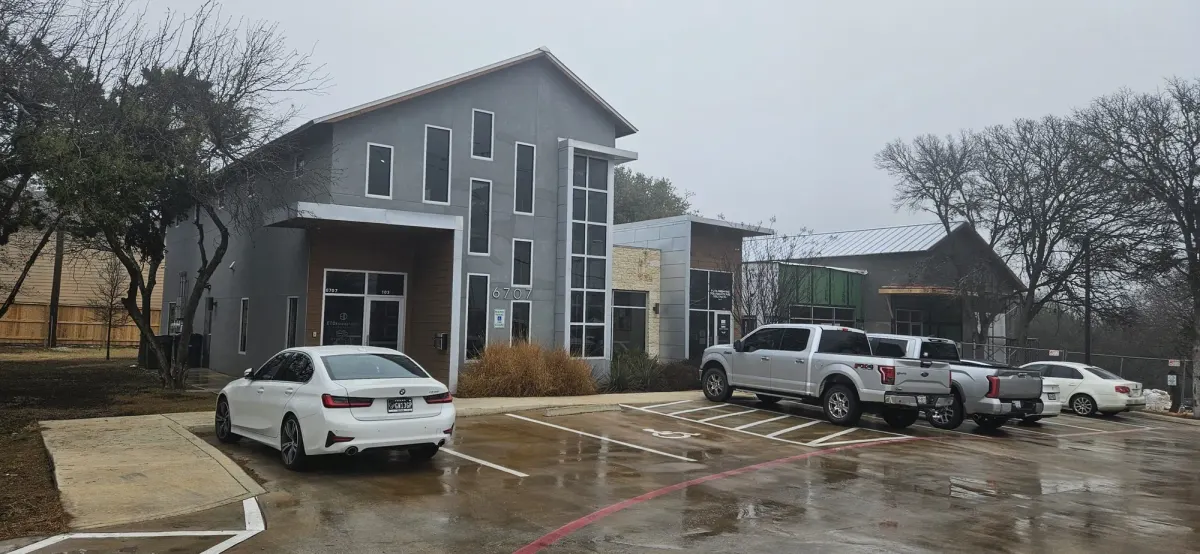 Outpatient
 San Antonio, TX
6707 W Hausman Rd · 78249
- Outpatient detox with scheduled medical visits
- Outpatient treatment
Outpatient Drug & Alcohol Detox in San Antonio
Supportive Medications Used Alongside Opioid Detox Treatment
In addition to the primary opioid-specific medications, your care team may prescribe a range of supportive medications to address specific withdrawal symptoms and keep you comfortable. These might include:
- Anti-nausea medications (such as ondansetron or promethazine) to manage vomiting and nausea
- Anti-diarrheal medications (such as loperamide) to prevent dehydration
- Sleep aids (non-habit-forming options like trazodone) to address insomnia, which is one of the most persistent symptoms of opioid withdrawal
- Muscle relaxants or pain relievers for body aches and cramping
- IV fluids and electrolyte replacement if dehydration is a concern
- Anti-anxiety medications in carefully supervised cases where anxiety is severe
This comprehensive, symptom-by-symptom approach to opioid withdrawal treatment is one of the reasons that professional medical detox produces dramatically better outcomes than trying to manage withdrawal alone. Learn more about the medical detox process at Briarwood to understand the full scope of care available.
What to Expect at an Austin Opioid Detox Center
When you arrive at Briarwood Detox Center in Austin, the process begins with a thorough medical assessment. Your care team — which includes physicians, nurses, and licensed clinicians — will review your substance use history, any co-occurring health conditions, and your previous detox experiences (if any). This information shapes your individualized treatment plan. The acute withdrawal phase for most opioids begins within 6–24 hours of the last use and peaks around days 2–4. Longer-acting opioids like methadone may produce a delayed onset of withdrawal that peaks around days 3–5. Most people feel significantly better by the end of the first week, though some symptoms like sleep disruption, anxiety, and low-grade cravings (sometimes called PAWS — Post-Acute Withdrawal Syndrome) can persist longer.
Throughout this process, your medical team adjusts your medication protocol in real time, responds to any complications, and ensures you're receiving the emotional and psychological support you need. The goal isn't just to get you through withdrawal — it's to set you up for the next step in your recovery journey. You can also explore
therapies and holistic support available during detox that complement medication-assisted detox and help address the emotional dimensions of opioid dependence.Medication-Assisted Detox vs. Going Cold Turkey
Some people wonder whether using medications during detox is "cheating" or whether it makes recovery less authentic. This is a common concern — and one worth addressing directly. The science is clear: medication-assisted opioid detox significantly improves outcomes. People who receive medication during detox are:
- More likely to complete the detox process without leaving early
- Less likely to relapse during the acute withdrawal phase
- More likely to engage with ongoing treatment after detox
- At lower risk for dangerous complications
Opioid dependence is a medical condition that changes the chemistry of the brain. Treating it with medicine is not a shortcut — it's evidence-based care. Recovery is still hard work, and the medications simply give your body and mind the stability to begin doing that work. Long-term sobriety is built through therapy, community, lifestyle changes, and ongoing support — detox medications help you get to the starting line.
How to Access Opioid Detox Treatment in Austin, TX
Frequently Asked Questions
What medications are most commonly used during opioid detox?+–
The most commonly used medications for opioid detox include buprenorphine (Subutex), buprenorphine/naloxone (Suboxone), methadone, and clonidine. These medications reduce withdrawal symptoms, ease cravings, and stabilize the nervous system. Supportive medications for nausea, sleep, and muscle pain are also frequently used alongside these primary treatments.
Is medication-assisted detox safe for opioid withdrawal?+–
Yes — medication-assisted opioid detox is considered the safest and most effective approach to opioid withdrawal treatment by major medical organizations including SAMHSA and the American Society of Addiction Medicine. At a medically supervised detox center, your medications are carefully dosed and monitored by licensed physicians and nurses to ensure your safety throughout the process.
How long does opioid detox with medication take?+–
The acute withdrawal phase typically lasts 5–10 days, depending on the opioid used, the duration of use, and your overall health. Short-acting opioids like heroin may produce withdrawal that peaks around days 2–3, while longer-acting opioids can take a few days longer. Medication protocols are typically tapered over this period, and your care team monitors your progress daily.
Will I need to take medications long-term after opioid detox?+–
Not necessarily — this depends on your individual recovery plan. Some people transition from detox to medication-assisted treatment (MAT) with buprenorphine or methadone maintenance, which has strong evidence for supporting long-term recovery. Others may be prescribed naltrexone (Vivitrol) to help prevent relapse. Your treatment team will discuss all options with you and help you make an informed decision about the path forward.
Can I detox from opioids at home instead of going to a detox center in Austin?+–
While at-home opioid withdrawal is not immediately life-threatening for most people (unlike alcohol withdrawal ), it is extremely uncomfortable and carries a high risk of relapse and accidental overdose — especially with fentanyl-related substances. A supervised Austin opioid detox center provides access to medications, 24/7 medical monitoring, and emotional support that dramatically improve your chances of completing detox safely and continuing to treatment.
Does insurance cover opioid detox medications in Austin?+–
Most major insurance plans, including many Medicaid and private insurance plans, cover medically supervised opioid detox and the medications used during treatment under the Mental Health Parity and Addiction Equity Act. Briarwood Detox Center works with many in-network insurance providers and can help verify your benefits quickly — often within hours — so coverage doesn't become a barrier to getting help. Call Now: (866) 710-7710 Ready to Start Your Recovery in Austin? If you or someone you love needs more than detox, Briarwood Detox Center also provides drug treatment centers austin . Briarwood Detox Center’s opiate detox program provides medically supervised, evidence-based care. Does your insurance cover detox in Austin? Find out in about 2 minutes — free, confidential, no obligation. Verify Insurance Briarwood Detox Center offers medically supervised detox in Austin. Explore our locations, see the facility, and verify your insurance in minutes. Ready to talk to someone now? Briarwood Detox Center's admissions team is here 24/7, and every call is confidential. Call (866) 710-7710 . See our locations
Related guides


About the people behind this guide
Anna-Grace Washington
Medical Content Writer
Anna-Grace Washington is a Medical Content Writer for Briarwood Detox Center. She holds a master’s degree in clinical psychology from the University of Texas and brings a strong understanding of behavioral health, addiction recovery, and evidence-based treatment concepts to her writing.
Dr. Robert Ulrich, DO
Medical Director
Dr. Robert Ulrich serves as Medical Director at Briarwood Detox Center, bringing more than two decades of clinical neurology experience to the treatment of substance use disorders. He is board-certified in neurology by the American Board of Psychiatry and Neurology and completed his neurology residency at UT Southwestern Medical Center in Dallas, where he served as Chief Resident.
In network with most major insurance
Find your plan and see what detox would cost
Most plans cover medical detox. Coverage varies by plan, so we verify it for you before you commit to anything.














Don't see your plan? We work with out-of-network benefits and offer self-pay options — (866) 710-7710
- Confidential
- Takes about 2 minutes
- No obligation to admit
- Accredited The Joint Commission
- Rated 4.5 · 95 Google reviews
- Admissions 24 hours a day