
Guide
How Long Does Medically Supervised Alcohol Detox Take in Austin, Texas?
Joint Commission accredited · In network with most major insurance · Admissions answered 24 hours a day


Published May 3, 2026
Reviewed and updated July 29, 2026
What Happens During Alcohol Detox? A Quick Overview
The Alcohol Withdrawal Timeline: What to Expect Day by Day
Understanding the alcohol withdrawal timeline can help reduce fear of the unknown. Here's a general breakdown of what happens in the days after your last drink:
- 6–12 Hours: Early withdrawal begins. Symptoms may include anxiety, shakiness, nausea, sweating, and headache. Your heart rate and blood pressure may start to rise.
- 12–24 Hours: Symptoms intensify. Some people experience hallucinations — visual, auditory, or tactile — even though they remain conscious and aware.
- 24–72 Hours: This is the most critical window. Seizures are most likely to occur during this period, and a rare but serious condition called delirium tremens (DTs) can develop. DTs involve extreme confusion, fever, rapid heart rate, and severe agitation. Without medical care, DTs can be fatal.
- Days 4–7: For most people, the acute phase of withdrawal begins to ease. Physical symptoms gradually subside, though fatigue, mood swings, and sleep disturbances often continue.
- Days 7–10+: The physical detox process is largely complete for most individuals. Some people experience post-acute withdrawal syndrome (PAWS), which includes lingering emotional symptoms like anxiety, irritability, and difficulty sleeping — sometimes lasting weeks or months.
This timeline is a general guide. Your experience will depend on your unique history with alcohol and your overall health. That's why professional assessment at the start of detox is so important.
How Long Does Alcohol Detox Duration Actually Last in Austin?
- How long you've been drinking heavily — The longer the history of heavy use, the more adapted your nervous system has become, and the more time it may need to stabilize.
- How much you were drinking — Daily consumption levels have a direct impact on withdrawal severity and duration.
- Previous withdrawal history — If you've gone through alcohol withdrawal before, each subsequent withdrawal can be more severe (a phenomenon called kindling).
- Co-occurring medical conditions — Liver disease, heart conditions, or other health issues can complicate the detox process and extend the timeline.
- Co-occurring mental health conditions — Anxiety, depression, PTSD, and other mental health challenges can affect both withdrawal severity and overall detox duration. Learn more about how we approach dual diagnosis support during detox.
- Nutrition and overall physical health — Malnourishment is common with heavy alcohol use and can slow recovery.
The clinical team at a medical detox center will assess all of these factors during your intake evaluation and create a care plan tailored to your needs.
Why Medical Detox in Austin Is Safer Than Detoxing at Home
- 24/7 nursing and physician oversight
- FDA-approved medications like benzodiazepines (e.g., Librium or Valium) to prevent seizures and reduce withdrawal severity
- IV fluids and nutritional support to restore your body's balance
- Vital sign monitoring to catch complications early
- Emotional and psychological support from trained counselors
- A calm, safe environment away from triggers and stressors
Attempting to detox alone — especially after years of heavy drinking — puts you at serious risk. Please don't go through this without professional support. If you're in Austin, help is closer than you think.
What Comes After Alcohol Detox? Planning for Continued Recovery
Detox is the first step — but it's not the finish line. Completing alcohol detox clears your body of alcohol and stabilizes you medically, but it doesn't address the underlying patterns, trauma, or thought processes that fueled your drinking in the first place. That's why transitioning to a continuing treatment program after detox is so strongly recommended. Depending on your situation, next steps after detox may include:
- Inpatient or residential rehab — A structured live-in program with intensive therapy
- Partial hospitalization program (PHP) — Intensive daily treatment without overnight stays
- Intensive outpatient program (IOP) — Several hours of therapy per week while living at home or in sober living
- Sober living housing — A structured, substance-free living environment that supports early recovery
- 12-step programs — AA and other peer support communities are a cornerstone of long-term recovery for many people
Where we are
Detox centers across Texas
Three locations, each with its own admissions line and its own clinical team. Pick the one nearest you — or call and we will tell you which has a bed tonight.
-
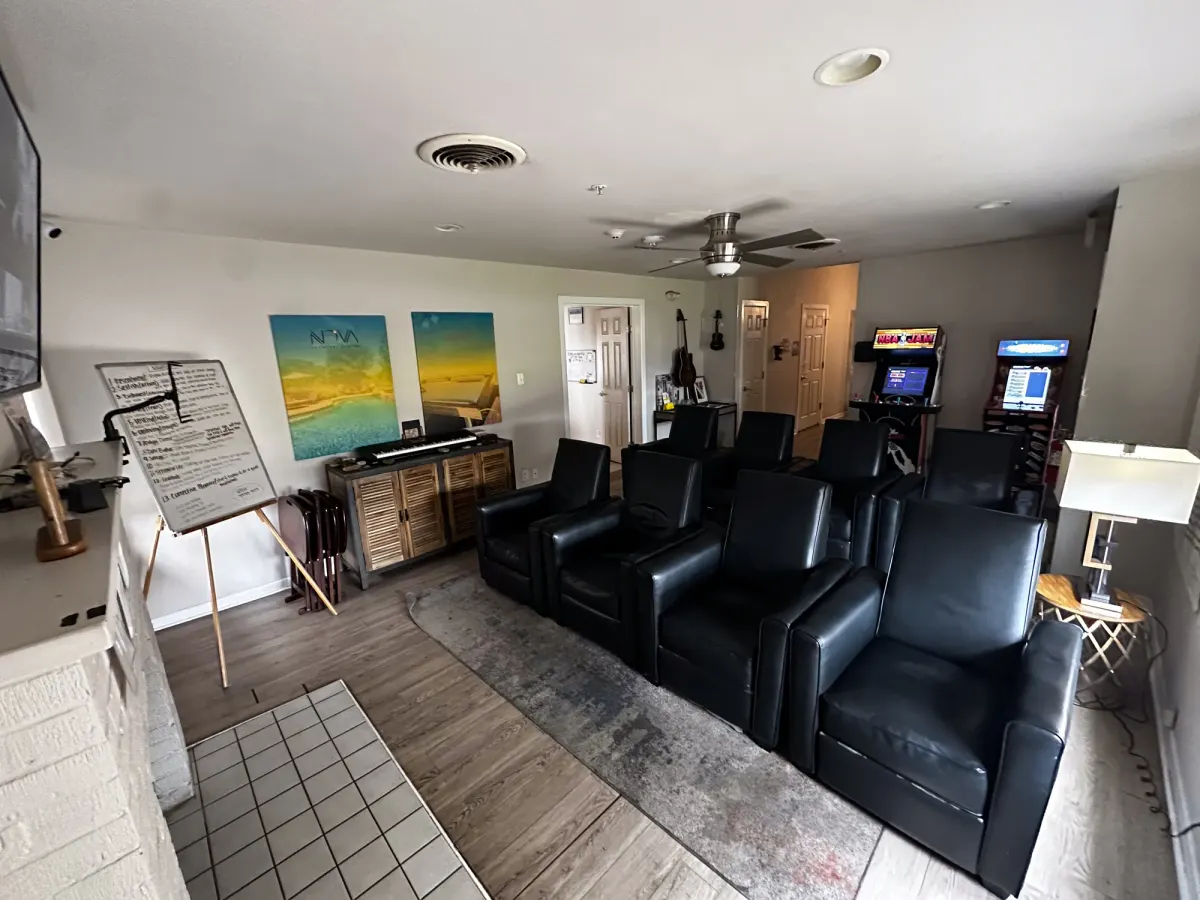 Inpatient
 Austin, TX
11711 N Lamar Blvd · 78753
- 15 beds
- On-site labs
- 24-hour medical staff
Drug & Alcohol Detox in Austin, TX
-
 Inpatient
 Houston, TX
1019 Ashland St · 77008
- On-site labs
- 24-hour medical staff
Drug Detox Center in Houston, TX
-
 Outpatient
 San Antonio, TX
6707 W Hausman Rd · 78249
- Outpatient detox with scheduled medical visits
- Outpatient treatment
Outpatient Drug & Alcohol Detox in San Antonio
Holistic Support During Alcohol Detox: More Than Just Medical Care
How to Get Started with Alcohol Detox at Briarwood in Austin
If you're ready to take the first step toward freedom from alcohol, Briarwood Detox Center is here to help. Located in Austin, Texas, we offer compassionate, evidence-based alcohol detox in Austin with round-the-clock medical supervision, individualized care plans, and a warm, supportive environment designed for healing. Getting started is simpler than you might think:
- Call us at (866) 710-7710 — our admissions team is available to answer your questions, verify your insurance, and walk you through the process.
- Complete a free assessment — We'll review your history, health, and needs to build your personalized care plan.
- Arrive and begin — From the moment you walk through our doors, our team is focused on your safety, comfort, and recovery.
You don't have to have everything figured out before you call. You just have to be willing to take one step. Our team will help with the rest.
Conclusion: Your Alcohol Detox Duration Is Just the Beginning
Frequently Asked Questions
How long does alcohol detox take at a medical detox center in Austin?+–
Most people complete medically supervised alcohol detox in 5 to 7 days, though the exact duration depends on the severity of dependence, overall health, and individual factors. Some patients may need up to 10 days or more before they are medically stable. A clinical team will assess your situation at intake and give you a personalized estimate.
What are the most dangerous days of alcohol withdrawal?+–
The 24 to 72-hour window after the last drink is typically the most dangerous phase of alcohol withdrawal. This is when the risk of seizures and delirium tremens (DTs) is highest. Medical supervision during this period is critical — DTs can be life-threatening without proper treatment and monitoring.
Can I detox from alcohol at home instead of going to a detox center?+–
Detoxing from alcohol at home is strongly discouraged, especially for anyone with a history of heavy or prolonged drinking. Alcohol withdrawal can cause seizures and delirium tremens, both of which can be fatal without medical intervention. A supervised detox center provides medications, monitoring, and support that make the process both safer and more comfortable.
What medications are used during medical alcohol detox?+–
The most commonly used medications during alcohol detox are benzodiazepines , such as Librium (chlordiazepoxide) or Valium (diazepam), which help prevent seizures and reduce withdrawal severity. Other medications may be used to manage nausea, high blood pressure, or nutritional deficiencies. A physician will determine the appropriate protocol based on your specific needs.
Does insurance cover alcohol detox in Austin, Texas?+–
Many insurance plans — including Medicaid, Medicare, and most private plans — do cover medically necessary alcohol detox. The Affordable Care Act requires most insurance plans to cover substance use disorder treatment. Briarwood Detox Center works with many major insurance providers; you can call (866) 710-7710 to verify your benefits at no cost to you.
What happens after I finish alcohol detox?+–
Completing detox is an important first step, but it addresses physical dependence — not the underlying causes of addiction. After detox, most people benefit from continuing treatment such as inpatient rehab, a partial hospitalization program (PHP), an intensive outpatient program (IOP), or sober living. Your detox team will help you create an aftercare plan before you leave so you can continue building on your progress. Call Now: (866) 710-7710 Ready to Start Your Recovery in Austin? If you or someone you love needs more than detox, Briarwood Detox Center also provides austin tx drug rehab . Briarwood Detox Center’s alcohol detox program provides medically supervised, evidence-based care. Does your insurance cover detox in Austin? Find out in about 2 minutes — free, confidential, no obligation. Verify Insurance Briarwood Detox Center offers medically supervised detox in Austin. Explore our locations, see the facility, and verify your insurance in minutes. Ready to talk to someone now? Briarwood Detox Center's admissions team is here 24/7, and every call is confidential. Call (866) 710-7710 . See our locations
How Long Does Detox Take? Timelines for Common Substances in Austin
The question "how long does detox take" depends on several factors: the substance, how long you've been using it, your overall health, and whether you're detoxing from one substance or multiple. At Briarwood Detox Center in Austin, medically supervised detox programs are tailored to each person's needs, but here are the general timelines you can expect:
Alcohol Detox Timeline
Alcohol withdrawal typically begins 6–12 hours after your last drink. Symptoms peak around 24–72 hours and can include tremors, anxiety, nausea, sweating, and in severe cases, seizures or delirium tremens (DTs). Most people complete medically supervised alcohol detox in 5–7 days, though some require up to 10 days depending on the severity of dependence and co-occurring health conditions.
Opioid Detox Timeline
Opioid withdrawal begins 8–24 hours after the last use (faster for short-acting opioids like heroin, slower for long-acting ones like methadone). Acute symptoms—muscle aches, sweating, insomnia, nausea, anxiety—peak around days 2–3 and typically subside within 7–10 days. Medication-assisted treatment (MAT) with buprenorphine or methadone can ease symptoms and support longer-term recovery planning.
Benzodiazepine Detox Timeline
Benzodiazepine withdrawal is highly dangerous without medical supervision due to seizure risk. Withdrawal from short-acting benzos (like Xanax) can begin within 1–2 days, while long-acting benzos (like Valium) may take 3–7 days to onset. Because of the risk, benzo detox is done through a careful, gradual taper over 1–4 weeks or longer, depending on the dose and duration of use.
Stimulant Detox Timeline (Cocaine, Meth)
Stimulant withdrawal is primarily psychological rather than physically dangerous, but it can be intensely uncomfortable. Symptoms include fatigue, depression, irritability, and intense cravings. The acute phase lasts 7–10 days, but some symptoms (especially mood and sleep disturbances) can persist for weeks. Medical detox provides a safe, supportive environment and psychiatric support during this vulnerable period.
Factors That Affect Detox Length
- Substance type and dose: Higher doses and longer use typically mean longer detox.
- Polysubstance use: Detoxing from multiple substances (e.g., alcohol and benzos) requires careful coordination and often extends the timeline.
- Medical and mental health: Co-occurring conditions like liver disease, heart issues, depression, or anxiety can lengthen detox and require specialized care.
- Previous detox attempts: Repeated withdrawal episodes (especially from alcohol) can worsen future withdrawals—a phenomenon called kindling.
At Briarwood Detox Center in Austin, our medical team evaluates you on arrival and builds a personalized detox plan. Most patients stay 5–10 days, but your care is never one-size-fits-all. Our priority is safe, comfortable withdrawal and a smooth transition to the next phase of recovery.
Ready to start? Call our Austin team 24/7 at (866) 710-7710 for a free, confidential assessment. We'll walk you through what to expect, verify your insurance, and help you take the first step today.
Frequently Asked Questions: How Long Does Detox Take?
How long does medical detox take on average?
Most people complete medically supervised detox in 5–10 days. Alcohol and opioid detox typically last 5–7 days, while benzodiazepine detox may require 1–4 weeks due to the need for a slow, safe taper. Your individual timeline depends on the substance, your health, and whether you're detoxing from multiple drugs.
Can I detox in 3 days?
Some people with mild alcohol or opioid dependence may feel significantly better after 3 days, but most detox programs run 5–7 days to ensure you're medically stable and past the peak withdrawal phase. Leaving detox too early increases the risk of relapse and medical complications. Your care team will help you determine when it's safe to transition to the next level of care.
What happens after detox is complete?
Detox is the first step, not the finish line. After completing detox at Briarwood, most patients transition to outpatient counseling, intensive outpatient programs (IOP), partial hospitalization (PHP), or residential rehab. Our Austin and San Antonio teams coordinate your discharge plan and connect you with trusted continuing-care providers to support long-term recovery.
Does insurance cover medical detox in Austin?
Yes—most private insurance plans cover medically necessary detox. Briarwood Detox Center works with major carriers including Aetna, Blue Cross Blue Shield, Cigna, and United Healthcare. Call us at (866) 710-7710 for a free, confidential insurance verification. We'll explain your benefits, out-of-pocket costs, and help you start today.
Is medical detox safer than detoxing at home?
Yes. Detoxing at home from alcohol, benzodiazepines, or opioids can be dangerous—even life-threatening. Alcohol and benzo withdrawal can cause seizures and delirium tremens; opioid withdrawal, while not usually fatal, is extremely uncomfortable and has a high relapse risk. Medical detox in Austin provides 24/7 nursing care, physician oversight, withdrawal medications, and a safe environment to complete withdrawal and plan your next steps.
Related Detox Resources in Austin
- Alcohol Detox Timeline: What to Expect — hour-by-hour breakdown of alcohol withdrawal stages
- How Long Does Opioid Detox Take in Austin, Texas? — opioid withdrawal timelines and MAT options
- Benzo Withdrawal at Austin Medical Detox Center — why benzodiazepine detox requires medical supervision
- What to Expect the First Week of Medical Detox in Austin, Texas — daily schedule, medications, and care team support
- Detox vs. Rehab in Austin: Difference & Which Do You Need First? — understanding the continuum of care
- Does Insurance Cover Medical Detox & Rehab in Austin, Texas? — insurance FAQs and verification help
Related guides



About the people behind this guide
Anna-Grace Washington
Medical Content Writer
Anna-Grace Washington is a Medical Content Writer for Briarwood Detox Center. She holds a master’s degree in clinical psychology from the University of Texas and brings a strong understanding of behavioral health, addiction recovery, and evidence-based treatment concepts to her writing.
Dr. Robert Ulrich, DO
Medical Director
Dr. Robert Ulrich serves as Medical Director at Briarwood Detox Center, bringing more than two decades of clinical neurology experience to the treatment of substance use disorders. He is board-certified in neurology by the American Board of Psychiatry and Neurology and completed his neurology residency at UT Southwestern Medical Center in Dallas, where he served as Chief Resident.
In network with most major insurance
Find your plan and see what detox would cost
Most plans cover medical detox. Coverage varies by plan, so we verify it for you before you commit to anything.


















Don't see your plan? We work with out-of-network benefits and offer self-pay options — (866) 710-7710
- Confidential
- Takes about 2 minutes
- No obligation to admit

- Accredited The Joint Commission
- Rated 4.5 · 95 Google reviews
- Admissions 24 hours a day