
Guide
What Happens to Your Body During Benzo Withdrawal at a Medical Detox Center in Austin?
Joint Commission accredited · In network with most major insurance · Admissions answered 24 hours a day

Published April 24, 2026
Reviewed and updated July 29, 2026
Why Benzodiazepine Withdrawal Is Different — and More Dangerous
Benzodiazepines work by enhancing the effect of GABA, a neurotransmitter that slows brain activity and produces a calming effect. When you take benzos regularly over time — whether by prescription or recreationally — your brain adapts by producing less GABA on its own and becoming dependent on the drug to maintain balance. When you stop taking benzos, your central nervous system is suddenly left without the chemical brake it’s been relying on. The result is a surge of neurological activity that can cause serious, even life-threatening symptoms. This is why benzo withdrawal is often compared to alcohol withdrawal — both involve GABA system disruption, and both can cause seizures if not managed properly.
Quitting benzos cold turkey at home, even if your dose was relatively modest, carries real risk. A medically supervised detox setting gives your body the support it needs to come off benzos safely, at a pace your nervous system can handle.
The Timeline: What to Expect During Benzo Withdrawal in Austin
- Onset: Symptoms can begin within 6–12 hours of the last dose
- Peak: Typically days 1–4, when symptoms are most intense
- Acute phase: Usually resolves within 1–2 weeks
- Onset: Symptoms may not appear until 24–48 hours after the last dose
- Peak: Often around days 5–7
- Acute phase: Can last 2–4 weeks or longer
Benzo Withdrawal Symptoms: What Your Body Goes Through
- Severe anxiety and panic attacks
- Confusion and difficulty concentrating
- Memory problems
- Hypersensitivity to light, sound, and touch
- Seizures (one of the most serious risks)
- Hallucinations (in severe cases)
- Tremors and muscle shaking
- Sweating and chills
- Heart palpitations and elevated heart rate
- Elevated blood pressure
- Nausea, vomiting, and diarrhea
- Headaches
- Muscle pain and stiffness
- Insomnia and sleep disturbances
- Depression and hopelessness
- Irritability and mood swings
- Emotional numbness or feeling detached from reality (derealization)
The combination of these symptoms — especially when they peak simultaneously — is why so many people find it impossible to go through benzo withdrawal alone. The discomfort is intense enough that relapse rates for unsupported benzo withdrawal are extremely high.
How a Medical Detox Center in Austin Manages Benzo Withdrawal Safely
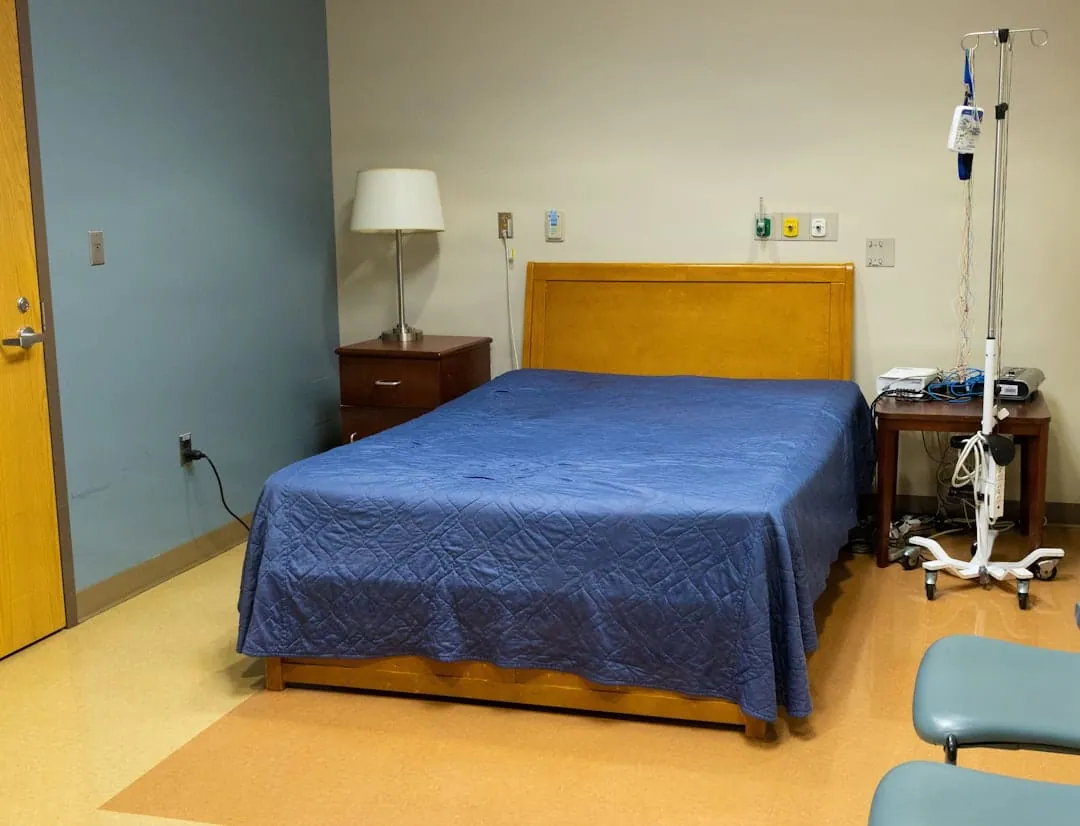
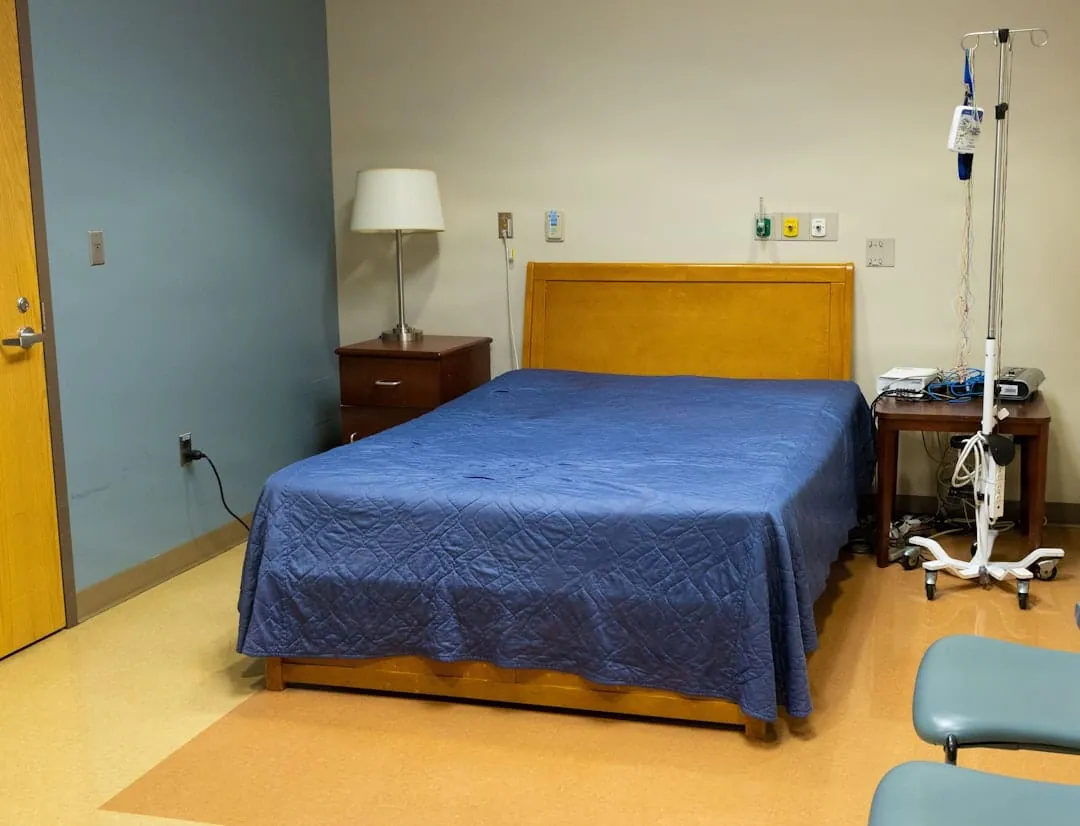
Where we are
Detox centers across Texas
Three locations, each with its own admissions line and its own clinical team. Pick the one nearest you — or call and we will tell you which has a bed tonight.
-
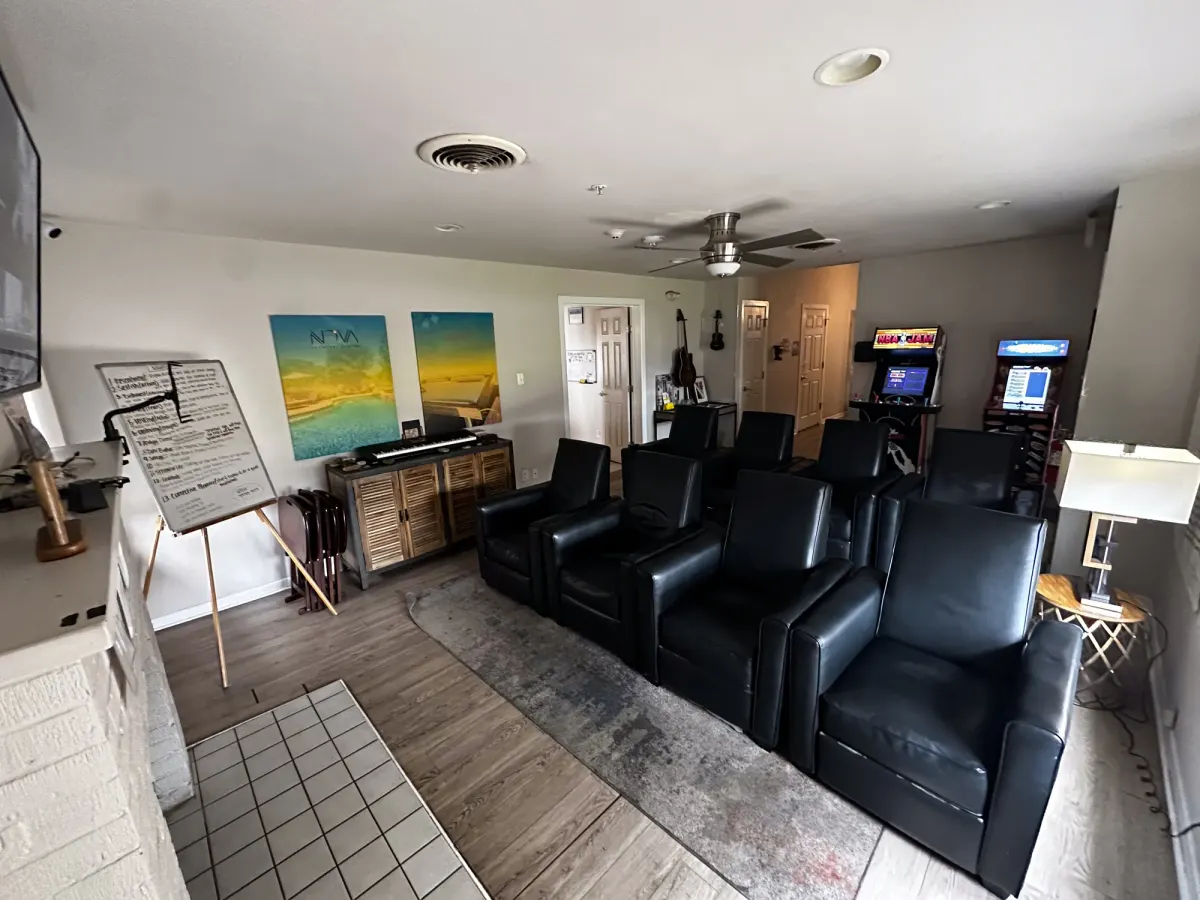 Inpatient
 Austin, TX
11711 N Lamar Blvd · 78753
- 15 beds
- On-site labs
- 24-hour medical staff
Drug & Alcohol Detox in Austin, TX
-
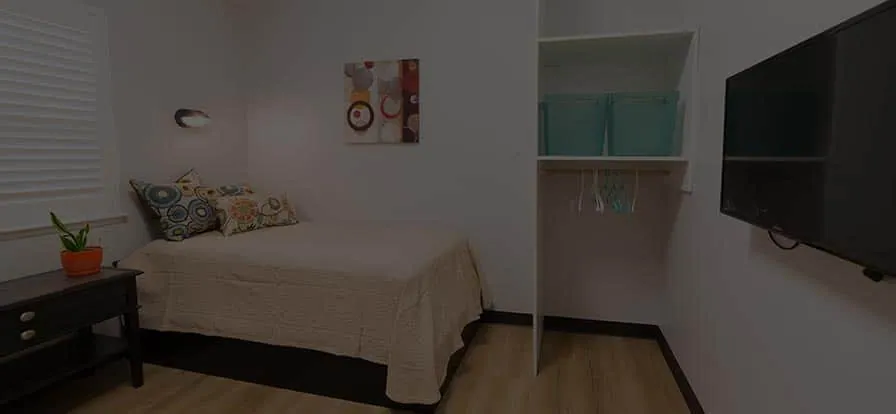 Inpatient
 Houston, TX
1019 Ashland St · 77008
- On-site labs
- 24-hour medical staff
Drug Detox Center in Houston, TX
-
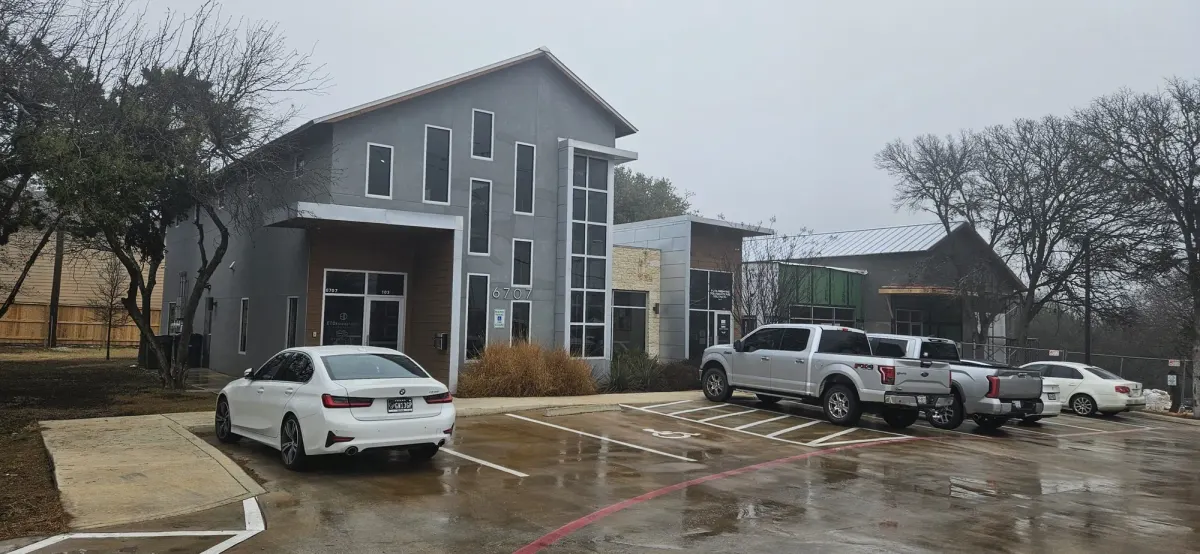 Outpatient
 San Antonio, TX
6707 W Hausman Rd · 78249
- Outpatient detox with scheduled medical visits
- Outpatient treatment
Outpatient Drug & Alcohol Detox in San Antonio
Why Doing Benzo Detox in Austin — Close to Home — Matters
Choosing a drug detox center in Austin means you don’t have to travel far from your support network during one of the most vulnerable times of your life. Being close to home allows family members to stay involved, which research shows significantly improves outcomes during detox and early recovery. You also have access to the local recovery community in Austin — one of the most vibrant and supportive in Texas — as you transition out of detox and into the next phase of treatment. Austin’s recovery community includes strong 12-step networks, SMART Recovery meetings, and a wide range of outpatient programs and sober living options that can provide structure after your medical detox is complete. Starting your recovery journey locally means building a foundation in the community where you’ll actually be living your sober life.
What Happens After Benzo Detox Is Complete?
It’s important to understand that medical detox is the beginning of recovery — not the end. Detox addresses the acute physical dependence, but the underlying patterns, behaviors, and emotional factors that contributed to benzo dependence need to be addressed in continued treatment. After completing benzo detox, most people benefit from stepping into one of the following levels of care:
- Residential Treatment: A structured, immersive program that provides therapy and community support in a live-in setting
- Intensive Outpatient Program (IOP): Multiple therapy sessions per week while living at home or in sober living
- Outpatient Counseling: Regular one-on-one or group sessions for those with strong home support
- Sober Living Housing: A drug-free residential environment that provides accountability during early recovery
How to Know If You or a Loved One Needs Medical Benzo Detox
If any of the following apply to you or someone you care about, medical detox for benzodiazepines is strongly recommended:
- You’ve been taking benzos daily for more than a few weeks
- You’ve tried to cut back or stop and experienced anxiety, tremors, or insomnia
- Your dose has increased over time to achieve the same effect
- You experience panic or physical symptoms when a dose is missed or delayed
- You’ve had a previous withdrawal seizure or severe withdrawal episode
- You’re combining benzos with alcohol or other substances
You don’t need to be taking a high dose or a non-prescribed drug to need medical support. Even people who became dependent on benzos through legitimate prescription use require careful, supervised tapering to detox safely.
Take the First Step Toward Safe Benzo Withdrawal in Austin
Frequently Asked Questions
Is benzo withdrawal dangerous to go through alone at home?+–
Yes, benzo withdrawal can be life-threatening if attempted without medical supervision, even if your dose was relatively modest. Because benzodiazepines affect the GABA system in the brain, stopping suddenly can cause seizures and severe neurological reactions similar to alcohol withdrawal. A medically supervised detox setting is strongly recommended to ensure your safety throughout the process.
What happens to your body during benzo withdrawal?+–
What happens to your body during benzo withdrawal involves a sudden surge of neurological activity, because the brain has become dependent on benzos to maintain chemical balance. Without the drug, your central nervous system goes into overdrive, producing symptoms that can range from intense anxiety and insomnia to seizures in severe cases. The experience varies depending on which benzo you were taking, your dosage, and how long you've been using it.
How long does benzo withdrawal typically last?+–
The timeline for benzo withdrawal depends largely on whether you were taking a short-acting or long-acting benzodiazepine. Short-acting benzos like Xanax or Ativan can produce symptoms within 6–12 hours, with peak intensity around days 1–4 and acute symptoms resolving within 1–2 weeks. Long-acting benzos like Valium or Klonopin may not cause symptoms until 24–48 hours after the last dose, with acute withdrawal lasting 2–4 weeks or longer.
What is protracted withdrawal or PAWS after benzo use?+–
Protracted withdrawal, also known as post-acute withdrawal syndrome (PAWS), refers to milder but persistent symptoms that continue after the acute phase of benzo withdrawal ends. These can include anxiety, insomnia, and cognitive fog lasting weeks or even months. Medical detox can help lay the groundwork for managing this longer recovery process more effectively.
Why is benzo withdrawal compared to alcohol withdrawal?+–
Both benzo withdrawal and alcohol withdrawal involve disruption of the GABA neurotransmitter system, which is responsible for calming brain activity. When either substance is removed abruptly, the brain loses its chemical brake, triggering a dangerous surge of neurological activity that can include seizures. This shared mechanism is why both types of withdrawal are considered medically serious and best managed in a supervised detox setting.
What makes a medical detox center in Austin the right choice for benzo withdrawal?+–
What happens to your body during benzo withdrawal requires careful, professional oversight to prevent life-threatening complications like seizures. A medical detox center in Austin provides around-the-clock monitoring, medication management, and individualized tapering plans to help your nervous system adjust safely. This level of support not only reduces risk during the acute withdrawal phase but also helps set a stronger foundation for long-term recovery. Ready to Start Your Recovery in Austin? If you or someone you love needs more than detox, Briarwood Detox Center also provides rehab in austin texas . Briarwood Detox Center’s benzodiazepine detox program provides medically supervised, evidence-based care. Does your insurance cover detox in Austin? Find out in about 2 minutes — free, confidential, no obligation. Verify Insurance Briarwood Detox Center offers medically supervised detox in Austin. Explore our locations, see the facility, and verify your insurance in minutes. Ready to talk to someone now? Briarwood Detox Center's admissions team is here 24/7, and every call is confidential. Call (866) 710-7710 . See our locations
Related guides

About the people behind this guide
Anna-Grace Washington
Medical Content Writer
Anna-Grace Washington is a Medical Content Writer for Briarwood Detox Center. She holds a master’s degree in clinical psychology from the University of Texas and brings a strong understanding of behavioral health, addiction recovery, and evidence-based treatment concepts to her writing.
Dr. Robert Ulrich, DO
Medical Director
Dr. Robert Ulrich serves as Medical Director at Briarwood Detox Center, bringing more than two decades of clinical neurology experience to the treatment of substance use disorders. He is board-certified in neurology by the American Board of Psychiatry and Neurology and completed his neurology residency at UT Southwestern Medical Center in Dallas, where he served as Chief Resident.
In network with most major insurance
Find your plan and see what detox would cost
Most plans cover medical detox. Coverage varies by plan, so we verify it for you before you commit to anything.


















Don't see your plan? We work with out-of-network benefits and offer self-pay options — (866) 710-7710
- Confidential
- Takes about 2 minutes
- No obligation to admit

- Accredited The Joint Commission
- Rated 4.5 · 95 Google reviews
- Admissions 24 hours a day