
Guide
Detox vs. Rehab: What Each One Does, Which Comes First, and Whether You Need Both
Joint Commission accredited · In network with most major insurance · Admissions answered 24 hours a day

Published September 15, 2026
People use detox and rehab as if they were two names for one thing, and treatment centers do not always help, because many offer both under one roof and one word. They are different jobs. One is medical and takes about a week. The other is behavioral and takes months. Which one you need first has a specific answer that depends on what you have been using, and getting it in the wrong order is the most common way a first attempt at treatment fails.
What is the difference between detox and rehab?
Detox is the medical management of withdrawal, a matter of days, while rehab is treatment of the addiction itself, a matter of months, and federal guidance says detox is not treatment.
The federal detoxification protocol states plainly that detoxification is not substance abuse treatment and rehabilitation.
The Substance Abuse and Mental Health Services Administration’s protocol defines detoxification as a set of interventions aimed at managing acute intoxication and withdrawal, and says a detox program is not designed to resolve the longstanding psychological, social and behavioral problems associated with alcohol and drug abuse. Rehab is where those are worked on. Detox gets the substance out of the body and the person through the dangerous part of stopping. Rehab addresses why they were using, what they will do instead, and how to keep from going back.
The confusion is understandable, because a good detox already contains the beginning of rehab: the protocol lists three components of detoxification, and the third is fostering the patient’s entry into treatment. Detox that ends without a plan for what comes next has done two thirds of its job.
Source: Detoxification and Substance Abuse Treatment, TIP 45, Substance Abuse and Mental Health Services Administration.
Which do you need first, detox or rehab?
Detox first if you are physically dependent on alcohol, benzodiazepines or opioids, because alcohol and benzodiazepine withdrawal can be medically dangerous and rehab programs are not equipped for it. Opioid withdrawal is rarely dangerous but is severe enough that few people get through a rehab intake in the middle of it.
Alcohol and benzodiazepines are the two where the order is a safety matter rather than a preference. Alcohol withdrawal typically peaks around 72 hours after the last drink; withdrawal seizures typically occur between 8 and 48 hours, and delirium tremens can appear from day three to day eight. About half of people who suddenly stop heavy drinking develop withdrawal syndrome, and there is no reliable way to know in advance which half you are in. A rehab program is not staffed or equipped for that. A detox is. The first 96 hours page covers who is most at risk, and how to know if you need medical detox before rehab walks through the assessment questions.
For stimulants, cannabis and most other substances, withdrawal is unpleasant rather than dangerous, and some people go straight into a rehab program with medical oversight for the first days rather than a separate detox stay. That is a decision for the assessment, not the website.
Source: Alcohol Withdrawal Syndrome, StatPearls, National Library of Medicine.
Where we are
Detox centers across Texas
Three locations, each with its own admissions line and its own clinical team. Pick the one nearest you — or call and we will tell you which has a bed tonight.
-
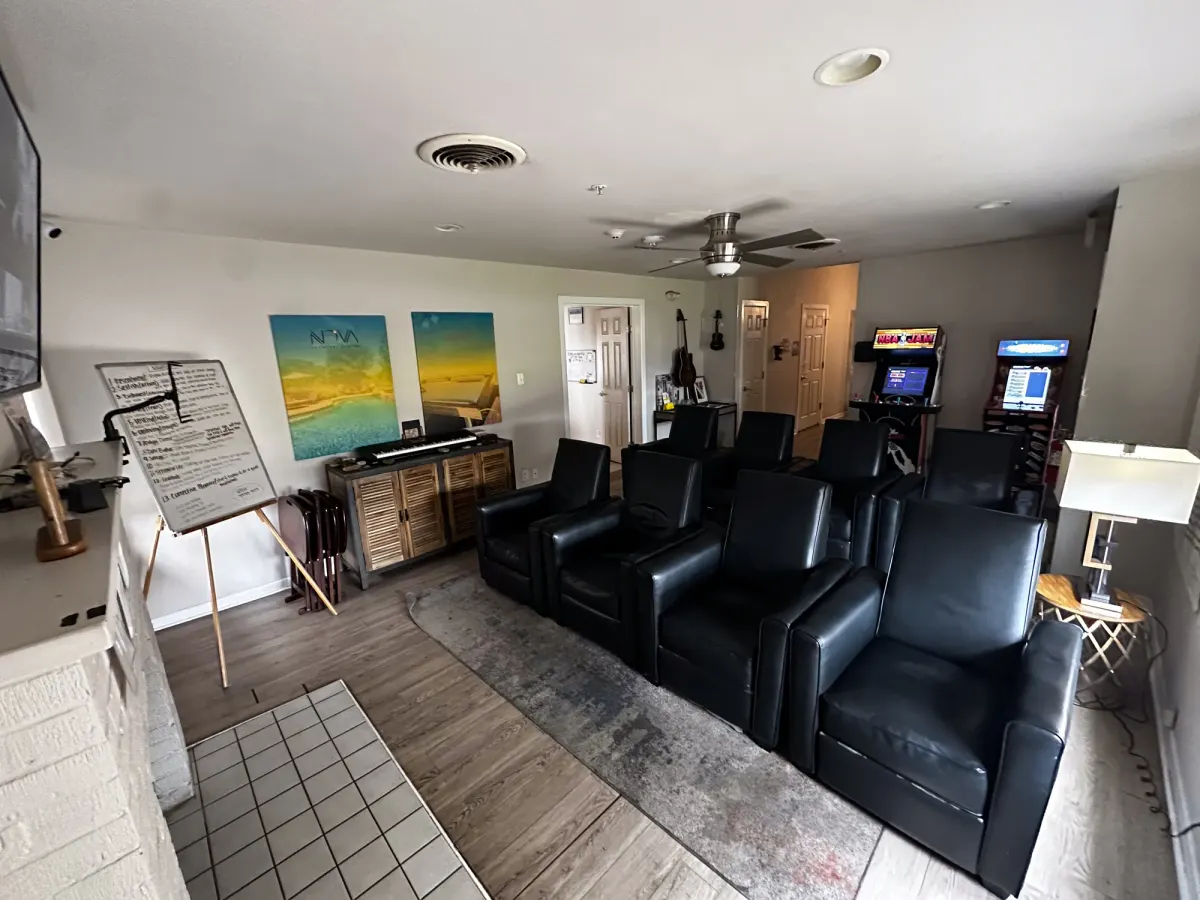 Inpatient
 Austin, TX
11711 N Lamar Blvd · 78753
- 15 beds
- On-site labs
- 24-hour medical staff
Drug & Alcohol Detox in Austin, TX
-
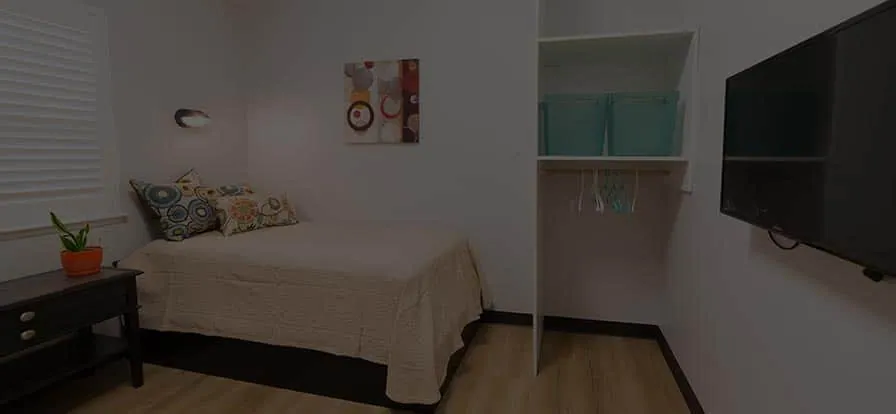 Inpatient
 Houston, TX
1019 Ashland St · 77008
- On-site labs
- 24-hour medical staff
Drug Detox Center in Houston, TX
-
 Outpatient
 San Antonio, TX
6707 W Hausman Rd · 78249
- Outpatient detox with scheduled medical visits
- Outpatient treatment
Outpatient Drug & Alcohol Detox in San Antonio
What happens in detox?
Detox is an assessment, a supervised stay in which withdrawal is managed with monitoring and medication, and a handoff to what comes next, usually five to seven days at Briarwood.
The protocol’s three components are the shape of it. Evaluation: what you have been using, how much, for how long, what else you take, and what medical and psychiatric conditions are in the picture. Stabilization: getting through acute withdrawal to a medically stable, substance-free state, which for alcohol and benzodiazepines means medication that keeps the nervous system below the seizure threshold, and for opioids means medication that makes the withdrawal survivable. Fostering entry into treatment: the plan for after, arranged before discharge rather than left to the person on the day they leave. The how long does detox take page gives the timelines by substance.
What happens in rehab?
Rehab is structured treatment for the addiction itself, residential or outpatient, and it runs for weeks to months because the work is behavioral and behavior does not change in a week.
The protocol describes the goal as a higher level of social functioning by reducing risk factors, enhancing protective factors, and thus decreasing the possibility of relapse. In practice that is individual and group therapy, treatment of any co-occurring depression, anxiety or trauma, medication for cravings where it applies, and the rebuilding of a daily life that does not have the substance in it. Residential rehab does this with the person living at the facility. Outpatient rehab, including intensive outpatient programs, does it with the person living at home and attending several sessions a week. The what comes after detox page lays the levels out in order.
Do you need both detox and rehab?
Yes, if you are physically dependent: detox without rehab treats the week and not the year, and rehab without detox asks someone to do behavioral work during a medical emergency.
The protocol’s warning is the whole argument. Detox is not designed to resolve the problems that drive the drinking or the using, so a person who leaves detox and goes home has a clear body and every one of the reasons they were using intact. That is why the third component exists. Conversely, a person who arrives at a residential program still in alcohol withdrawal is not able to participate, and may not be safe. The sequence is not a sales funnel. It is the order the body and the mind recover in.
Where people legitimately skip a step: someone with no physical dependence may not need a detox stay, and someone with strong outpatient support already in place may step from detox into intensive outpatient rather than residential care. The assessment decides that, and an honest provider will tell you when the shorter path is the right one.
How long do detox and rehab take?
Detox takes about five to seven days for most substances, and rehab runs from a few weeks of intensive outpatient treatment to several months of residential care. Some benzodiazepine tapers run longer than a week, and the after-care that follows rehab is measured in years.
Those are different clocks and they should be planned as such. A detox stay is the expensive week, and it is the one insurance most reliably covers; what it costs at Briarwood, self-pay and with insurance, is on how much detox costs. Rehab is where the public system is strongest for people without coverage. The intensive outpatient program and long-term residential treatment pages describe the two most common next steps and how long each runs.
How do you decide where to start?
Start with a medical assessment rather than a decision, because the question is not which program sounds right but whether stopping is dangerous for you, and only your drinking or drug history answers that.
At Briarwood the assessment is the first phone call. A nurse asks what you have been using, how much, for how long, when you last used, and what happened the last time you stopped. From those answers the sequence is usually obvious: a detox admission, an outpatient taper, or a referral straight to a treatment program. Medically supervised detox is the version of the first step that does not depend on guessing right about the risk, and the step after it is arranged before you leave, which is the part of detox most centers skip and the part that decides whether the week was worth it.
Common Questions
What is the difference between detox and rehab?+–
Detox is the medical management of withdrawal, usually five to seven days. Rehab is treatment for the addiction itself, weeks to months of therapy and structure. Federal guidance states that detoxification is not substance abuse treatment.
Do you have to go to detox before rehab?+–
If you are physically dependent on alcohol, benzodiazepines or opioids, yes, because withdrawal from the first two can be medically dangerous and rehab programs are not equipped for it. For other substances an assessment decides.
Can you go to rehab without detox?+–
Yes, when there is no physical dependence or when withdrawal is not medically dangerous. Some programs provide medical oversight for the first days. The assessment determines which applies to you.
Is detox enough on its own?+–
Rarely. Detox clears the body and gets a person through withdrawal safely, but it does not treat the reasons for the drinking or the using. Most people need structured treatment afterward, and a good detox arranges that before discharge.
How long do detox and rehab take?+–
Detox usually takes five to seven days, longer for some benzodiazepine tapers. Rehab runs from several weeks of intensive outpatient treatment to several months of residential care.
Related guides

About the people behind this guide
Anna-Grace Washington
Medical Content Writer
Anna-Grace Washington is a Medical Content Writer for Briarwood Detox Center. She holds a master’s degree in clinical psychology from the University of Texas and brings a strong understanding of behavioral health, addiction recovery, and evidence-based treatment concepts to her writing.
In network with most major insurance
Find your plan and see what detox would cost
Most plans cover medical detox. Coverage varies by plan, so we verify it for you before you commit to anything.


















Don't see your plan? We work with out-of-network benefits and offer self-pay options — (866) 710-7710
- Confidential
- Takes about 2 minutes
- No obligation to admit

- Accredited The Joint Commission
- Rated 4.5 · 95 Google reviews
- Admissions 24 hours a day