
Guide
Alcohol Detox Austin: Best Meds for Withdrawal
Joint Commission accredited · In network with most major insurance · Admissions answered 24 hours a day


Published December 3, 2025
Reviewed and updated July 29, 2026
Key Takeaways · 10 points
- Alcohol withdrawal can be dangerous, and symptoms like seizures, high blood pressure, or confusion require immediate medical care.
- Benzodiazepines (like Valium, Ativan, and Librium) are the standard and most effective prescription medications for moderate to severe alcohol withdrawal.
- Valium is not an OTC option; it is prescription-only and must be used under medical supervision to avoid oversedation and other risks.
- Over-the-counter medications can help with mild symptoms—such as headaches, nausea, or sleep trouble—but cannot prevent serious complications of withdrawal.
- Supplements and herbal products may support nutrition and comfort during recovery but do not replace evidence-based detox treatment.
- There is no single best medication for everyone; the safest choice depends on withdrawal severity, health history, and whether detox is supervised.
- Medical detox in Austin provides structured monitoring, symptom-based medication, and nutritional support to keep withdrawal safer and more comfortable.
- Long-term recovery medications like naltrexone or acamprosate are started after detox, not during acute withdrawal.
- Home detox is only appropriate for very mild symptoms, and only when approved by a clinician who can guide medication and safety planning.
- Professional guidance is essential, because OTC options alone are not enough to manage moderate or high-risk alcohol withdrawal.
Break Free from Addiction. Detox Safely in Austin Today.
Medically Supervised Detox – Compassionate Care Starts Here.
Understanding Alcohol Withdrawal
Why Withdrawal Happens
With heavy or long‑term drinking, the brain adjusts to the constant presence of alcohol. When drinking suddenly stops or drops sharply, this balance is disrupted, and the nervous system becomes overactive. That over‑activity creates alcohol withdrawal symptoms such as tremors, anxiety, sweating, and, in some cases, seizures or hallucinations.














Typical Timeline and Symptom Stages
Although everyone is different, many people follow a general pattern:
- 6–12 hours after last drink: Anxiety, shaky hands, headache, nausea, mild insomnia.
- 24–72 hours: Symptoms often peak. Blood pressure and heart rate can rise. Some people develop seizures or alcohol withdrawal delirium (delirium tremens, or DTs).
- Up to a week: Symptoms usually improve, but disturbed sleep, low mood, and cravings may continue.
- Weeks to months: A “post‑acute” phase with mood swings, poor sleep, or cravings can linger even after the acute withdrawal has resolved.
Because of these risks, health organizations recommend medical supervision for many people who are detoxing from alcohol, especially those with past severe withdrawal, seizures, or major medical problems. If you’re unsure how your symptoms compare, this guide to alcohol withdrawal symptoms in Austin explains what mild, moderate, and severe withdrawal can look like.
When to Choose Medical Detox in Austin
Austin has a mix of hospital‑based programs, standalone medical detox units, and outpatient services. Deciding where to withdraw from alcohol is about safety, not willpower.
Signs You Need Emergency Help
Call emergency services or go to the nearest ER immediately if you or someone else has:
- Confusion, disorientation, or cannot stay awake
- Hallucinations (seeing or hearing things that are not there)
- Seizures
- Very high heart rate, chest pain, or trouble breathing
These can be symptoms of severe withdrawal or other medical emergencies and cannot be treated safely with home remedies or OTC drugs for alcohol withdrawal.
Who Might Be Safer in Supervised Detox
Medical detox in Austin is usually recommended if you:
- Drink heavily every day or binge often
- Have a history of withdrawal seizures or delirium tremens
- Have serious heart, liver, or mental health conditions
- Are pregnant
- Have limited support at home
For these groups, even the best meds for alcohol withdrawal are safest when given in a closely monitored setting that can respond quickly to complications.
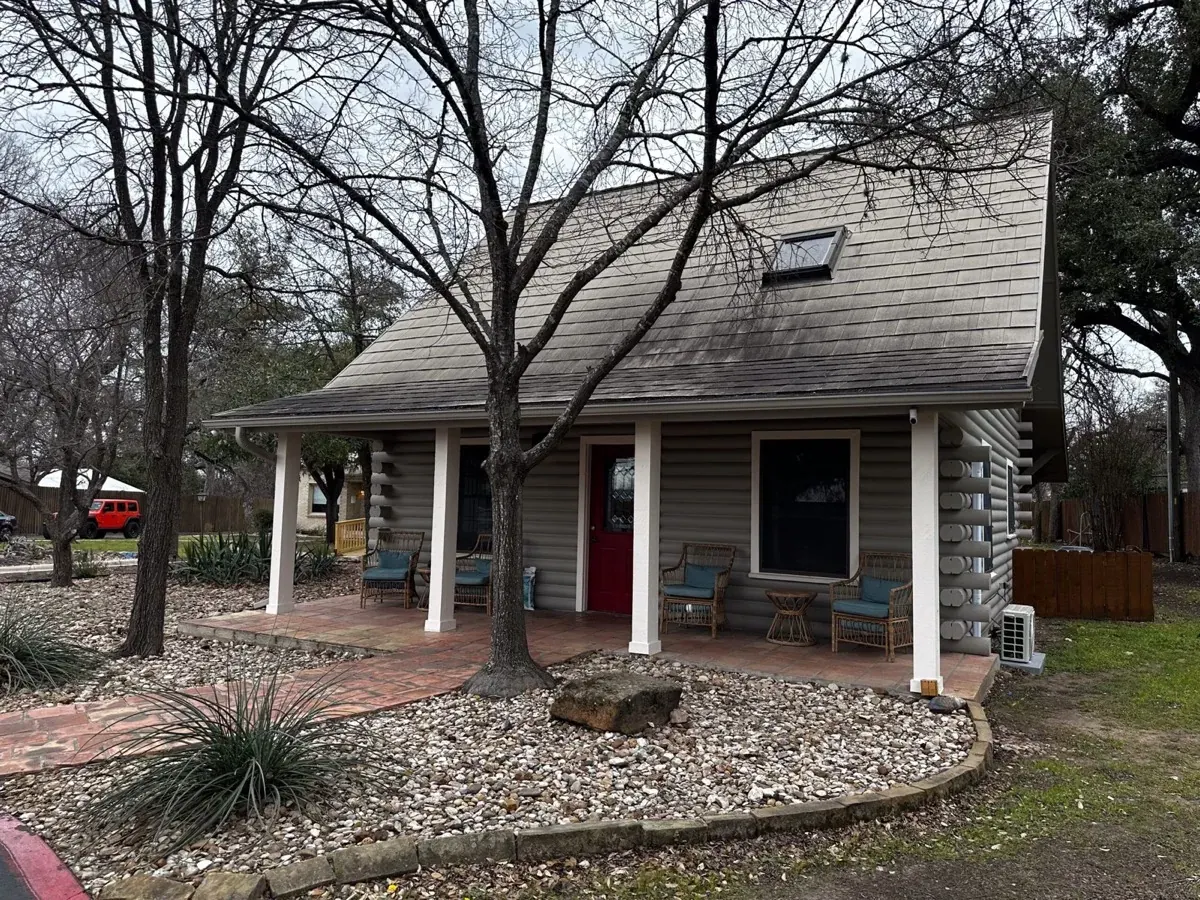
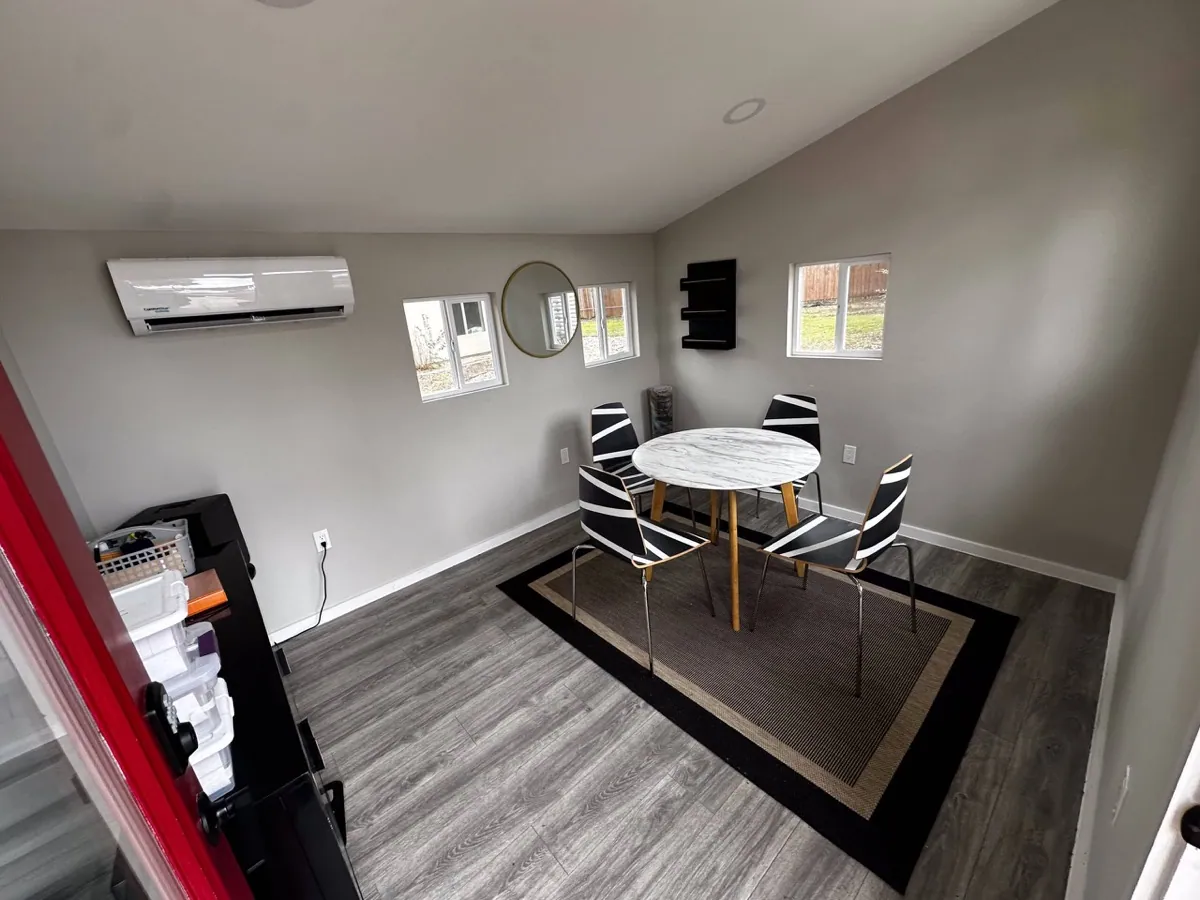
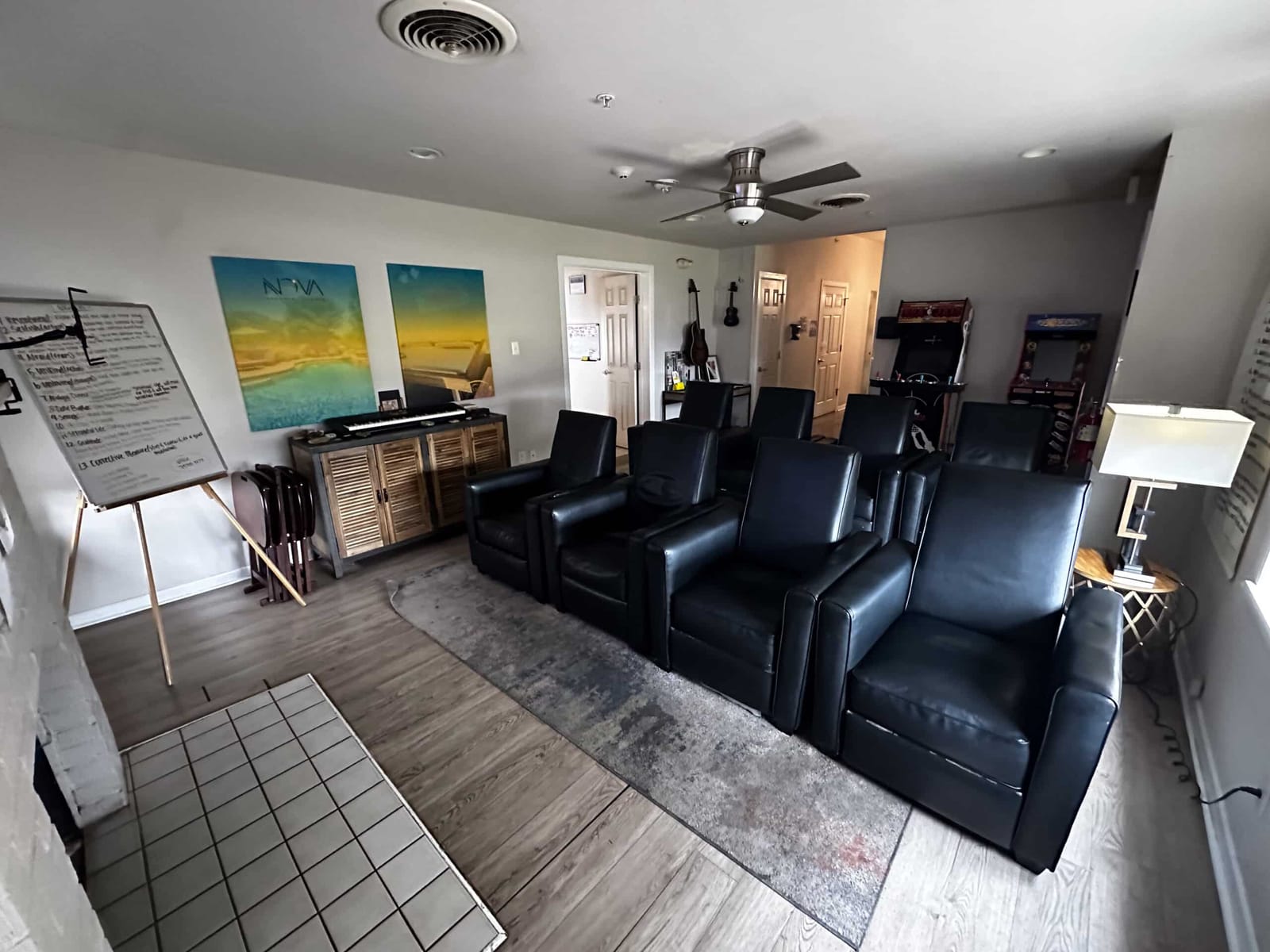
Where we are
Detox centers across Texas
Three locations, each with its own admissions line and its own clinical team. Pick the one nearest you — or call and we will tell you which has a bed tonight.
Prescription Medications for Alcohol Withdrawal
There is no universal best alcohol withdrawal medication. Instead, clinicians choose from several drug classes, often guided by professional guidelines from organizations like the American Academy of Family Physicians and addiction medicine societies.
Benzodiazepines (Including Valium)
Benzodiazepines are the most studied and widely recommended medications for alcohol withdrawal. They act on the same GABA receptors that alcohol affects, helping calm the over‑active nervous system during detox.
Common examples include:
- Diazepam (Valium)
- Chlordiazepoxide (Librium)
- Lorazepam (Ativan)
- Oxazepam
In hospital and detox settings, Valium for withdrawal alcohol symptoms is often used for moderate to severe cases because it is long‑acting and can smooth out fluctuations in symptoms. Clinical studies have shown diazepam to reduce withdrawal complications such as seizures and delirium.
Key points about benzodiazepines:
- They are prescription‑only, not over the counter medicine for alcohol withdrawal.
- Doses and schedules must be tailored to the person’s symptoms and medical status.
- Long‑term use can lead to dependence, so they are generally used short term during acute withdrawal only.
Searching online for “valium for withdrawal alcohol” can give the impression that this drug is a simple fix, but using Valium without medical supervision can cause oversedation, breathing problems, or dangerous interactions with other substances. If you also depend on benzodiazepines, a specialized benzodiazepine detox in Austin can address both alcohol and benzo withdrawal safely.
Other Medications Used During Withdrawal
Depending on symptoms and setting, clinicians may also use:
- Anticonvulsants (e.g., carbamazepine, valproate, gabapentin) – Sometimes used along with, or occasionally instead of, benzodiazepines to help reduce seizures and agitation in milder cases.
- Adrenergic agents (e.g., clonidine, beta‑blockers) – May be added to control high blood pressure or rapid heart rate, but do not treat the core withdrawal process on their own.
- Antipsychotic medications – Sometimes used briefly if hallucinations persist despite adequate benzodiazepine therapy.
These are not available as over the counter drugs for alcohol detox or withdrawal. Even when they are used, benzodiazepines usually remain the cornerstone of care for clinically significant withdrawal.
Medications for Long‑Term Alcohol Use Disorder
Some medications are not for acute withdrawal at all but for long‑term recovery after detox:
- Naltrexone – Reduces the rewarding effects of alcohol and helps cut down heavy drinking. Medications like naltrexone work best when they’re part of structured aftercare and continuing treatment options such as IOP, therapy, and sober living.
- Acamprosate – Helps maintain abstinence by stabilizing brain chemistry.
- Disulfiram (Antabuse) – Triggers unpleasant reactions if you drink alcohol, which can act as a deterrent.
These medications are usually started after the acute withdrawal phase, often through outpatient care or ongoing treatment programs in Austin.
Over‑the‑Counter Drugs for Alcohol Withdrawal: What They Can and Cannot Do
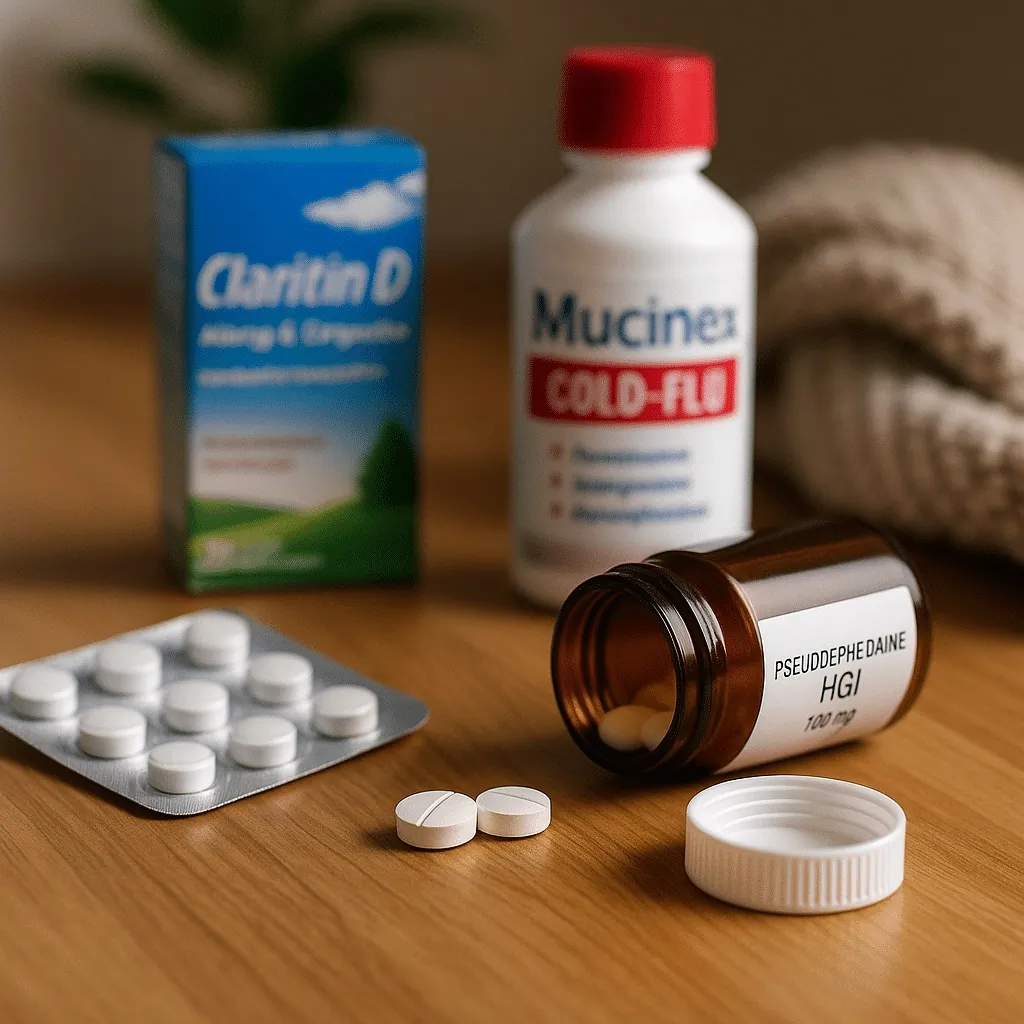
Many people hope to find a safe otc medication for alcohol withdrawal that will manage detox at home. Current medical evidence shows that OTC products can help with isolated symptoms but cannot safely manage moderate or severe withdrawal.
OTC Drugs for Mild Symptoms
In a doctor‑approved plan for very mild withdrawal, clinicians sometimes allow OTC meds for alcohol withdrawal–related discomfort. Common examples include:
- Headache and muscle aches
- Acetaminophen or ibuprofen can ease pain. These should be used cautiously in people with liver or kidney disease.
- Stomach upset and nausea
- Antacids and bismuth subsalicylate products may reduce nausea or heartburn.
- Trouble sleeping
- Short‑term use of antihistamine sleep aids or melatonin might help, but they can cause drowsiness and are not safe for everyone.
- Mild anxiety and restlessness
- Some people try valerian root or L‑theanine. Evidence is limited, and these can interact with other medications.
- Dehydration
- Oral rehydration drinks or sports drinks can replace fluids and electrolytes lost through sweating or vomiting.
These over the counter drugs for alcohol withdrawal address symptoms but do not prevent seizures, delirium, or heart problems, and they do not treat the underlying alcohol use disorder.
Supplements Often Marketed for Alcohol Detox
Supplements are frequently promoted as over the counter drugs for alcohol detox, but they are usually best understood as supportive, not curative.
Common examples include:
- Thiamine (Vitamin B1) and B‑complex vitamins – Help correct deficiencies common in heavy drinkers and may prevent neurological problems.
- Magnesium, potassium, zinc – May support muscle function and general health.
- Herbal products such as milk thistle, kudzu, ashwagandha, or L‑glutamine – Sometimes advertised to “support liver health” or “curb cravings,” but human evidence is limited and mixed.
Using these supplements without medical advice can be risky if you have liver disease, kidney problems, or take other medications. Structured nutrition during detox helps restore vitamins, stabilize energy, and support your body while medications manage withdrawal.
Risks of Self‑Medicating with OTC Medications
Articles from multiple treatment centers and clinical reviews highlight consistent concerns:
- Delayed care: OTC drugs can mask warning signs of severe withdrawal.
- Drug interactions: Some OTC products interact with prescription meds, liver disease, or residual alcohol.
- False sense of security: People may believe that alcohol withdrawal over the counter medication is enough on its own, and postpone needed medical care.
Because of these issues, healthcare organizations stress that over the counter meds for alcohol withdrawal are supportive only, and should be used, if at all, as part of a plan created with a clinician.
Choosing the Best Meds for Alcohol Withdrawal in Austin
Why There Is No One “Best” Medication
Looking for a single best meds for alcohol withdrawal can be misleading. Doctors in Austin and elsewhere consider:
- Severity of symptoms and vital signs
- Past withdrawal history
- Other medical or psychiatric conditions
- Home support and housing stability
- Current medications and substance use
For many patients, a long‑acting benzodiazepine like diazepam (Valium) plus vitamins and supportive care may be appropriate. Others might need shorter‑acting agents, anticonvulsants, or a hospital admission. This is why detox decisions are individual and should not be based solely on online advice.
For many people, the safest option is a medical detox program for alcohol withdrawal that combines medication, monitoring, and supportive care.
Questions to Ask Your Austin Provider
If you live in or near Austin and are planning detox, you might ask:
- Will my withdrawal be managed in inpatient, residential, or outpatient care?
- Which medications do you use most often for alcohol withdrawal, and why?
- How will you decide whether I need benzodiazepines, anticonvulsants, or other drugs?
- What is your plan for vitamins, hydration, and nutrition?
- After detox, how will we address cravings and long‑term recovery? Detox is the first step; learning what comes after detox helps you stay connected to treatment and reduce relapse risk.
These questions can help you understand how a program approaches both medication safety and ongoing support.
How Local Detox Programs Use Medication Safely
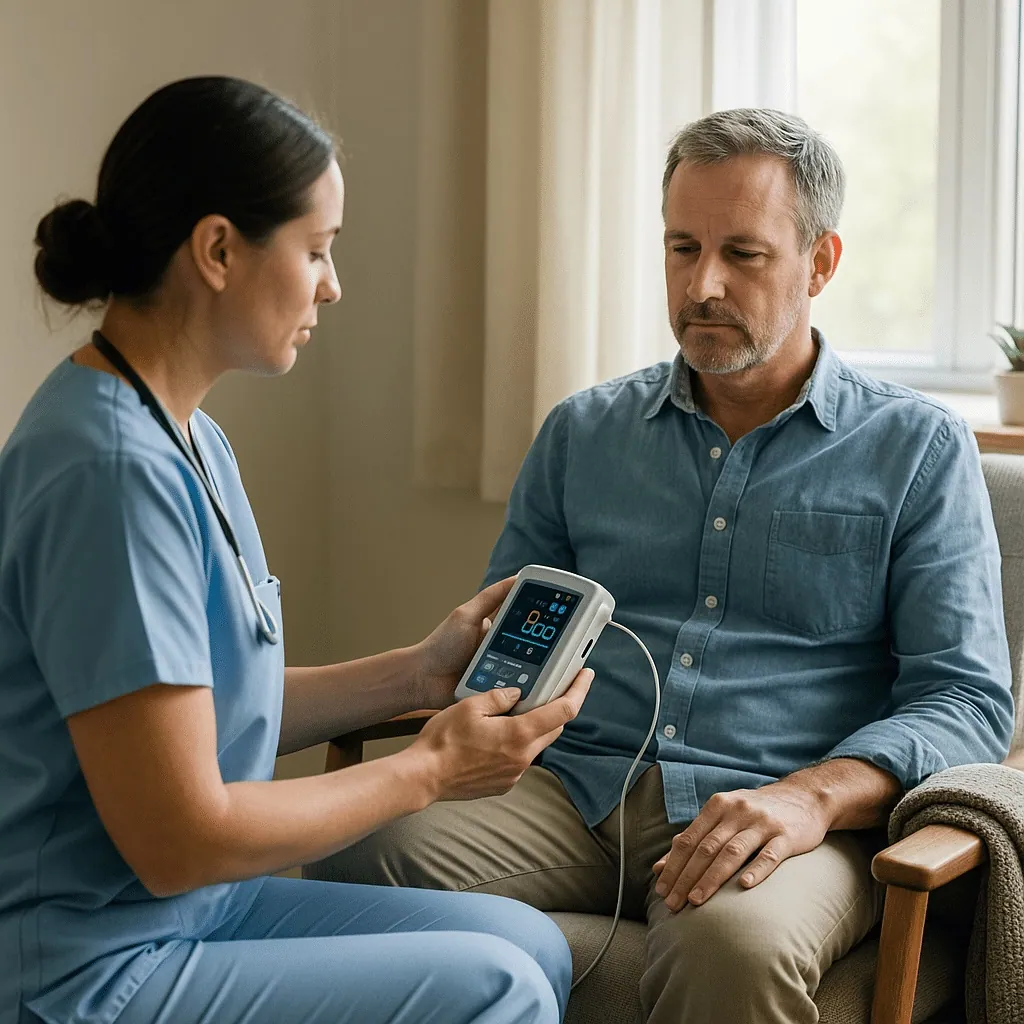
Medical detox programs in Austin typically combine:
- Assessment tools for withdrawal severity
- Medication protocols based on clinical guidelines
- Continuous monitoring of blood pressure, pulse, and mental status
- IV or oral fluids and nutritional support, including thiamine
- Transition planning into residential, outpatient, or community‑based care
This structured approach is very different from using otc drugs for alcohol withdrawal alone at home.
How Briarwood Detox Center Supports Safe and Effective Alcohol Detox in Austin
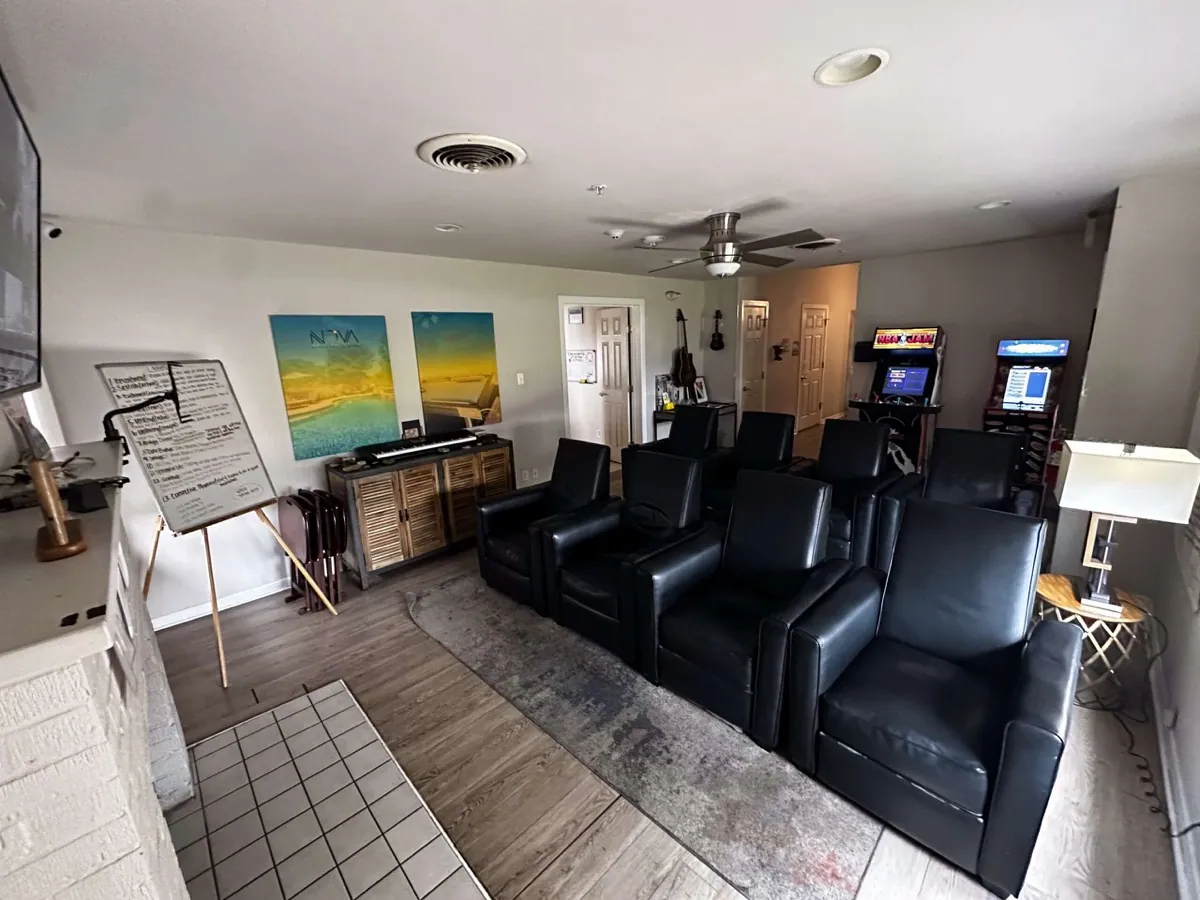
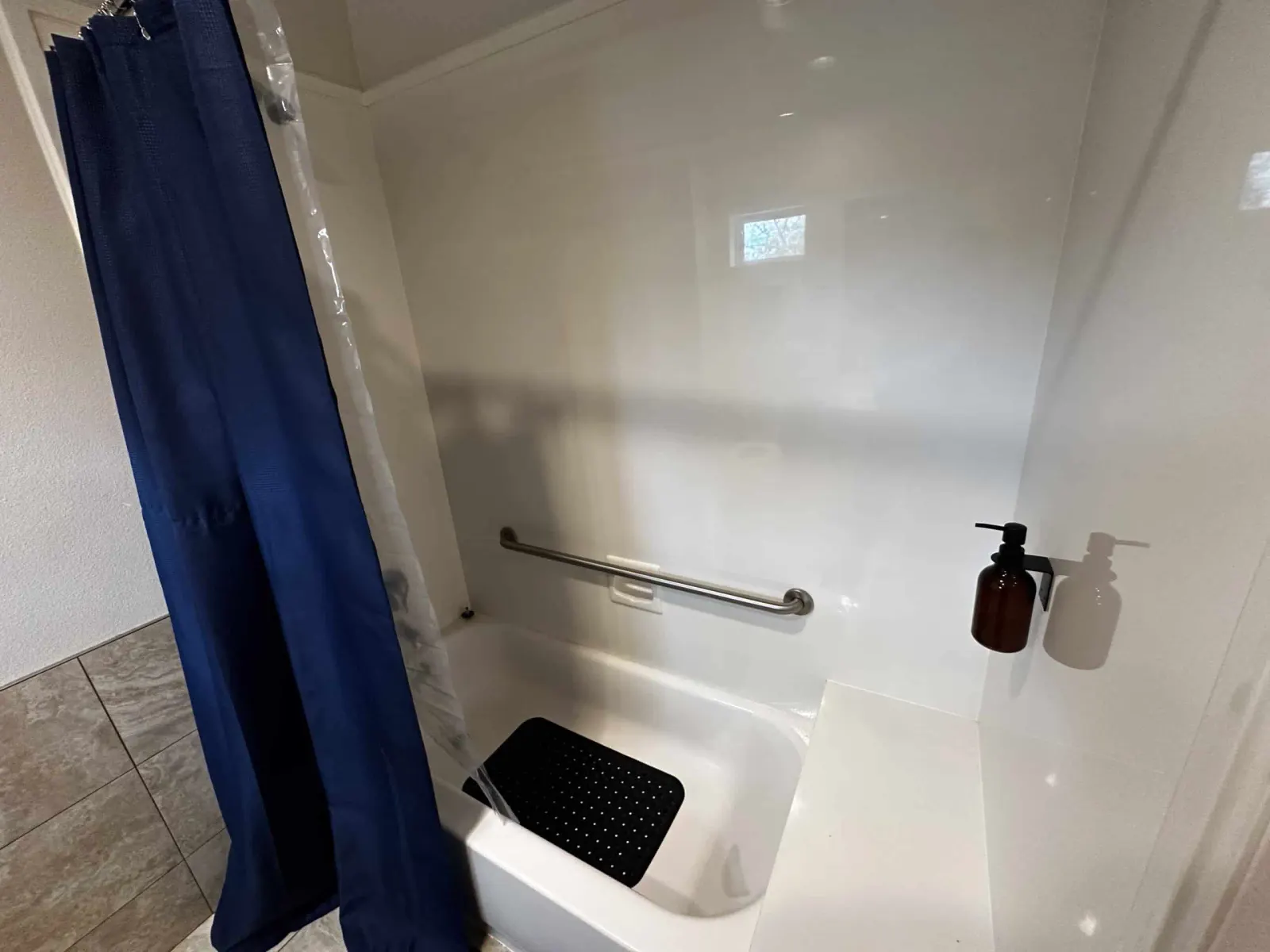
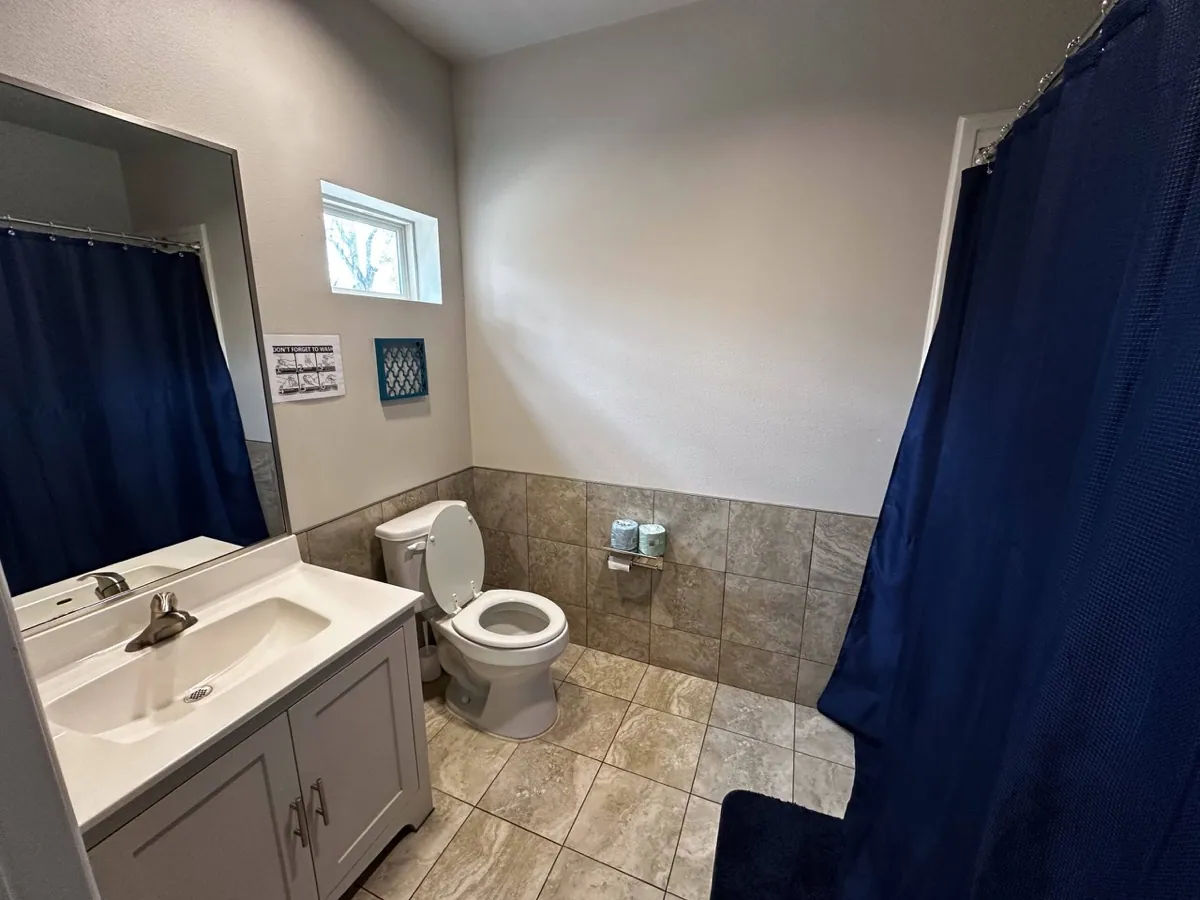
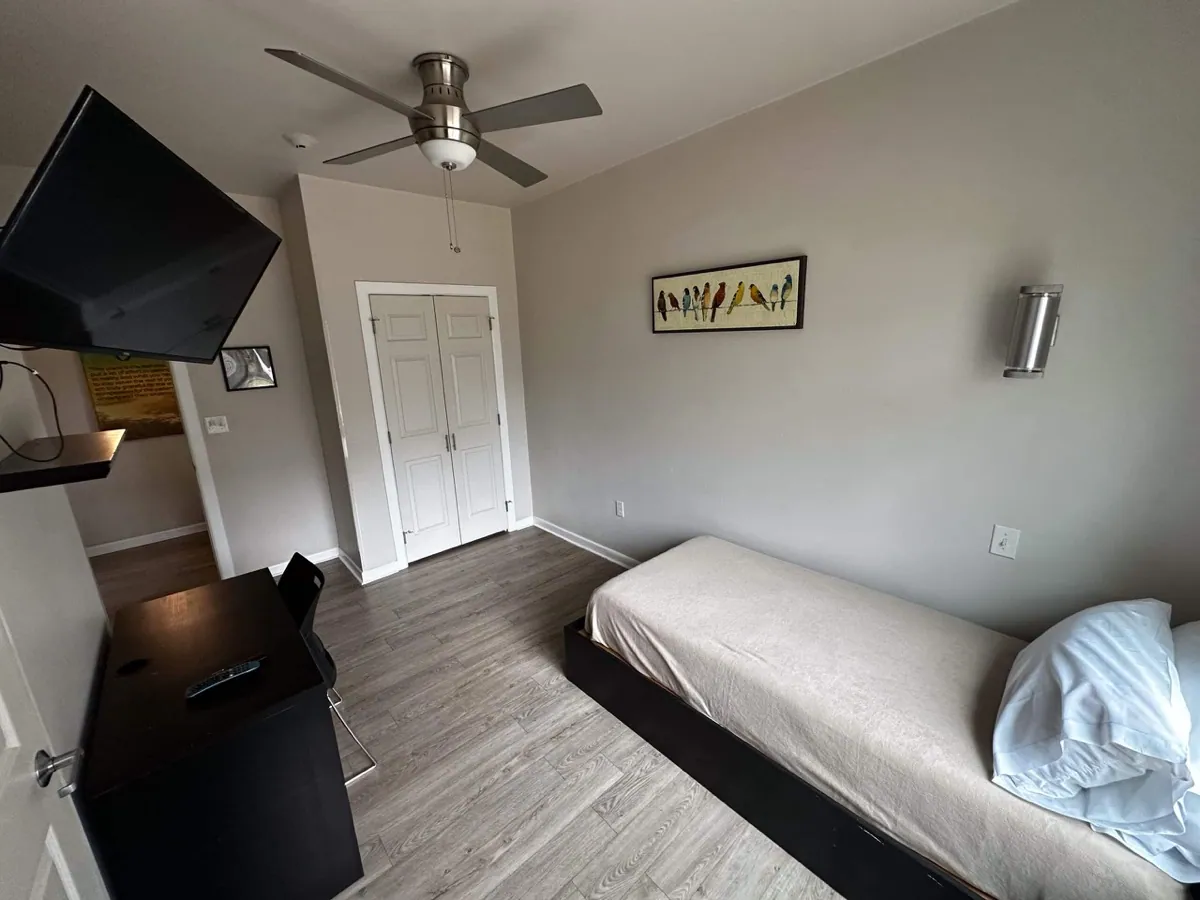
Briarwood Detox Center provides structured, medically supervised care to help individuals safely manage alcohol detox in Austin and reduce the risks associated with withdrawal. Each client begins with a comprehensive assessment that reviews their drinking history, current symptoms, and overall health needs. Our clinical team follows evidence-based detox protocols and provides continuous monitoring to ensure withdrawal is managed as safely and comfortably as possible. When needed, medication management is used to stabilize symptoms and support the body during the acute detox phase. Clients also receive support with hydration, nutrition, and rest—key elements of early recovery that promote physical stability.
While detox is the first essential step, Briarwood Detox Center also helps clients prepare for the next phase of treatment by offering guidance on residential, outpatient, and long-term recovery options. This approach helps address the emotional, behavioral, and lifestyle factors related to alcohol use. With compassionate staff and a focus on safety, Briarwood Detox Center provides a trusted and supportive environment for beginning the recovery process in Austin.
Frequently Asked Questions About Alcohol Withdrawal & OTC vs Prescription Meds
Can over-the-counter (OTC) medications help manage alcohol withdrawal?+–
OTC medications — such as pain relievers, antacids, vitamins, hydration drinks, or mild sleep aids — can help relieve some mild withdrawal symptoms (like headache, nausea, or mild insomnia). However, they cannot prevent serious complications like seizures, delirium tremens, or heart complications. OTC meds should not be relied on alone for detox, especially for moderate-to-heavy drinking or long-term alcohol use.
What are considered the best medications for alcohol withdrawal?+–
The standard and most effective treatments for moderate to severe alcohol withdrawal are prescription-medications — particularly benzodiazepines such as diazepam (Valium), lorazepam, or chlordiazepoxide. These help stabilize the nervous system, prevent seizures, and reduce the risk of serious complications.
Can someone safely detox from alcohol at home using only OTC meds?+–
Only in very mild cases might home detox with OTC support be considered safe — and even then only with guidance from a medical professional. If a person has a history of heavy drinking, past withdrawal complications, or other health concerns, medical supervision is strongly recommended because withdrawal can escalate quickly from mild symptoms to serious, life-threatening ones.
Why are benzodiazepines preferred for alcohol withdrawal over OTC medications?+–
Benzodiazepines work on the same neurotransmitter systems (like GABA) affected by alcohol dependence, which helps the brain safely adjust during detox. They are well-studied, reduce withdrawal-related risks such as seizures or delirium tremens, and their use under medical supervision is the standard of care for moderate to severe withdrawal. OTC medications do not address those underlying neurochemical changes, so they cannot substitute for prescription treatment in serious cases.
Are OTC supplements or vitamins helpful during alcohol detox?+–
Some people use OTC supplements (like B-vitamins, hydration salts, or general multivitamins) to support nutrition and overall health during or after withdrawal. While these may support recovery and help relieve some minor symptoms, they do not treat withdrawal syndrome. Supplements should not be viewed as a replacement for medically supervised detox and prescription meds when those are indicated.
When should someone seek professional help instead of trying OTC drugs alone?+–
You should seek professional medical help if: You have been a heavy or long-term drinker. You have experienced alcohol withdrawal before (especially with symptoms like seizures, intense shaking, hallucinations, or confusion). You have other medical conditions, liver disease, or poor nutrition. You begin to experience severe symptoms: high blood pressure or heart rate, severe shaking or tremors, hallucinations, confusion, or difficulty breathing.
Related guides

About the people behind this guide
Anna-Grace Washington
Medical Content Writer
Anna-Grace Washington is a Medical Content Writer for Briarwood Detox Center. She holds a master’s degree in clinical psychology from the University of Texas and brings a strong understanding of behavioral health, addiction recovery, and evidence-based treatment concepts to her writing.
Dr. Robert Ulrich, DO
Medical Director
Dr. Robert Ulrich serves as Medical Director at Briarwood Detox Center, bringing more than two decades of clinical neurology experience to the treatment of substance use disorders. He is board-certified in neurology by the American Board of Psychiatry and Neurology and completed his neurology residency at UT Southwestern Medical Center in Dallas, where he served as Chief Resident.
In network with most major insurance
Find your plan and see what detox would cost
Most plans cover medical detox. Coverage varies by plan, so we verify it for you before you commit to anything.















Don't see your plan? We work with out-of-network benefits and offer self-pay options — (866) 710-7710
- Confidential
- Takes about 2 minutes
- No obligation to admit
- Accredited The Joint Commission
- Rated 4.5 · 95 Google reviews
- Admissions 24 hours a day