
Guide
Alcohol Withdrawal Medications Used in Medical Detox in Austin, Texas
Joint Commission accredited · In network with most major insurance · Admissions answered 24 hours a day


Published April 29, 2026
Reviewed and updated July 29, 2026
Why Alcohol Withdrawal Requires Medical Supervision
Unlike withdrawal from many other substances, alcohol withdrawal can be life-threatening if not properly managed. When someone who has been drinking heavily for weeks, months, or years suddenly stops, the central nervous system — which has adapted to the constant presence of alcohol — can go into a dangerous state of hyperactivity. Symptoms of alcohol withdrawal typically begin within 6 to 24 hours after the last drink and can range from mild to severe. These may include:
- Anxiety, irritability, and restlessness
- Tremors (shaking hands or body)
- Sweating and elevated heart rate
- Nausea and vomiting
- Insomnia and difficulty concentrating
- Hallucinations (seeing, hearing, or feeling things that aren’t there)
- Seizures
- Delirium tremens (DTs) — a severe and potentially fatal condition
Delirium tremens affects a smaller percentage of people going through alcohol withdrawal, but when it occurs, it can cause extreme confusion, fever, rapid heart rate, and dangerous blood pressure changes. This is why professional medical detox with around-the-clock monitoring is so critical — it’s not just about comfort, it’s about safety.
The Most Commonly Used Alcohol Withdrawal Medications
Medical detox for alcohol withdrawal involves using specific medications to stabilize your body, prevent complications, and manage symptoms. Here’s a breakdown of the most commonly used drugs in supervised detox settings like those in Austin, Texas.
Benzodiazepines (Benzos)
Benzodiazepines are the gold standard for treating alcohol withdrawal. They work by calming the central nervous system in a way that is similar to how alcohol itself acts on the brain, which is why they’re so effective at preventing seizures and reducing the overall severity of withdrawal. Commonly prescribed benzodiazepines during alcohol detox include:
- Diazepam (Valium) — Long-acting, often used for seizure prevention
- Lorazepam (Ativan) — Medium-acting, preferred for patients with liver concerns
- Chlordiazepoxide (Librium) — Long-acting, commonly used in symptom-triggered protocols
- Oxazepam (Serax) — Also preferred for patients with liver disease, very short-acting
The choice of which benzodiazepine to use, and at what dose, depends on your medical history, current health status, and the severity of your withdrawal. Medical professionals at a licensed detox center will monitor your progress continuously and adjust medications accordingly.
Anticonvulsants
In addition to or sometimes instead of benzodiazepines, anticonvulsant medications may be used — especially for people with a history of seizures or those who may be at risk for benzodiazepine misuse.
- Gabapentin (Neurontin) — Widely used for managing mild-to-moderate withdrawal symptoms and reducing cravings. It also helps with sleep and anxiety during early recovery.
- Carbamazepine (Tegretol) — An older anticonvulsant sometimes used in alcohol withdrawal protocols, particularly in Europe. Effective at reducing seizure risk.
- Valproic acid (Depakote) — Occasionally used, particularly when mood stabilization is also a goal.
Beta-Blockers and Alpha-2 Agonists
These medications don’t prevent seizures or DTs on their own, but they’re often used alongside other medications to manage specific symptoms of alcohol withdrawal like rapid heart rate, high blood pressure, sweating, and tremors. Call Now: (866) 710-7710- Propranolol — A beta-blocker that helps control heart rate and blood pressure fluctuations
- Clonidine — An alpha-2 agonist that reduces anxiety, sweating, and cardiovascular symptoms
These are adjunct medications, meaning they support the primary withdrawal treatment rather than replace it.
Thiamine and Nutritional Support
Chronic heavy alcohol use depletes essential nutrients, especially B vitamins. One of the most important interventions in alcohol detox is thiamine (Vitamin B1) replacement. Without adequate thiamine, people withdrawing from alcohol are at serious risk for Wernicke’s encephalopathy — a neurological emergency that can cause confusion, loss of coordination, and vision problems, and can lead to a chronic memory disorder called Korsakoff syndrome. In a medical detox setting, thiamine is typically administered intravenously (IV) or through intramuscular injection early in treatment. Folate and multivitamins are often given as well to support overall healing.Sleep and Anti-Nausea Medications
Alcohol withdrawal frequently causes significant sleep disturbances and nausea. Detox physicians may also prescribe:
- Hydroxyzine — An antihistamine that helps with anxiety and sleep without addiction risk
- Trazodone — Often used off-label to support sleep during early withdrawal
- Ondansetron (Zofran) — An anti-nausea medication to help with vomiting and stomach discomfort
- Promethazine — Also used for nausea and can help with restlessness
How Medications Are Monitored and Adjusted During Detox
- 24/7 nursing care and regular medical check-ins
- Vital sign monitoring (blood pressure, heart rate, temperature)
- Lab work to check for electrolyte imbalances and organ function
- IV fluids if needed for hydration
- Immediate access to emergency care if complications arise
This level of oversight simply isn’t available when someone tries to detox at home, and it’s one of the primary reasons why medically supervised detox dramatically reduces the risk of serious complications.
Where we are
Detox centers across Texas
Three locations, each with its own admissions line and its own clinical team. Pick the one nearest you — or call and we will tell you which has a bed tonight.
-
 Inpatient
 Austin, TX
11711 N Lamar Blvd · 78753
- 15 beds
- On-site labs
- 24-hour medical staff
Drug & Alcohol Detox in Austin, TX
-
 Inpatient
 Houston, TX
1019 Ashland St · 77008
- On-site labs
- 24-hour medical staff
Drug Detox Center in Houston, TX
-
 Outpatient
 San Antonio, TX
6707 W Hausman Rd · 78249
- Outpatient detox with scheduled medical visits
- Outpatient treatment
Outpatient Drug & Alcohol Detox in San Antonio
What to Expect During Your First 72 Hours in Alcohol Detox in Austin
The first three days of alcohol withdrawal are typically the most intense. Here’s a general timeline of what many people experience:
- Hours 6–12: Early symptoms begin — anxiety, sweating, mild tremors, nausea. Initial medications are assessed and started.
- Hours 12–24: Symptoms may intensify. Risk of hallucinations increases. Close monitoring and symptom management are critical.
- Hours 24–48: Peak withdrawal period. Highest risk for seizures. Medical supervision is most vital at this stage.
- Hours 48–72: Risk of delirium tremens (DTs) is greatest during this window. Medications are actively managed.
- Days 4–7: Most acute symptoms begin to subside. Physical stabilization improves. Emotional and psychological support becomes more prominent.
It’s important to remember that everyone’s timeline looks a little different depending on how long and how heavily they’ve been drinking, their age, overall health, and whether they’ve experienced prior withdrawals.
Medications After Detox: Supporting Long-Term Sobriety
Detox addresses the physical dependence on alcohol, but recovery doesn’t end there. After completing the acute detox phase, some people are good candidates for medications that support long-term sobriety. These include:
- Naltrexone (Vivitrol) — Reduces alcohol cravings and blocks the pleasurable effects of drinking. Available as a daily pill or monthly injectable.
- Acamprosate (Campral) — Helps reduce post-acute withdrawal symptoms like anxiety and insomnia, making early sobriety more manageable.
- Disulfiram (Antabuse) — Creates an unpleasant physical reaction if alcohol is consumed, acting as a deterrent.
The Role of Holistic and Therapeutic Support Alongside Medication
Finding Supervised Medical Detox for Alcohol in Austin, Texas
If you’re in Austin or the surrounding Central Texas area and looking for medically supervised alcohol detox, you don’t have to navigate this alone. The right facility will have licensed medical staff, evidence-based medication protocols, 24/7 monitoring, and a compassionate team that understands what you’re going through. At Briarwood Detox Center, our team is experienced in managing alcohol withdrawal safely and effectively. We provide individualized care plans, around-the-clock nursing supervision, and access to the medications your body needs to detox safely. Our comprehensive detox services in Austin are designed to get you through the hardest part of recovery with as much comfort and safety as possible.
Take the First Step Toward Safe Alcohol Detox in Austin
Frequently Asked Questions
What are the most common alcohol withdrawal medications used in medical detox?The most commonly used alcohol withdrawal medications in medical detox are benzodiazepines, including Diazepam (Valium), Lorazepam (Ativan), Chlordiazepoxide (Librium), and Oxazepam (Serax).These medications work by calming the central nervous system in a way similar to alcohol, making them highly effective at preventing seizures and reducing withdrawal severity.The specific medication and dosage are tailored to each patient based on their medical history and the severity of their withdrawal.Is alcohol withdrawal dangerous without medical supervision?Yes, alcohol withdrawal can be life-threatening if not properly managed, making it one of the most medically serious types of withdrawal.
When someone who has been drinking heavily suddenly stops, the central nervous system can go into a dangerous state of hyperactivity, potentially leading to seizures or delirium tremens (DTs).Delirium tremens can cause extreme confusion, fever, rapid heart rate, and dangerous blood pressure changes, which is why around-the-clock professional medical supervision is critical.When do alcohol withdrawal symptoms typically start?Alcohol withdrawal symptoms typically begin within 6 to 24 hours after the last drink.Symptoms can range from mild — such as anxiety, tremors, sweating, and nausea — to severe, including hallucinations, seizures, and delirium tremens.
The timeline and severity vary depending on how long and how heavily a person has been drinking.Why are benzodiazepines considered the gold standard for alcohol detox?Benzodiazepines are considered the gold standard for treating alcohol withdrawal because they calm the central nervous system in a manner similar to how alcohol itself acts on the brain.This makes them especially effective at preventing seizures and reducing the overall severity of withdrawal symptoms.The alcohol withdrawal medications used in medical detox settings, like those in Austin, Texas, are carefully selected and dosed by medical professionals to ensure patient safety.
What is delirium tremens (DTs) and how serious is it?Delirium tremens, or DTs, is a severe and potentially fatal condition that can occur during alcohol withdrawal.It is characterized by extreme confusion, fever, rapid heart rate, and dangerous changes in blood pressure.While it affects a smaller percentage of people going through alcohol withdrawal, its severity underscores why professional medical detox with continuous monitoring is essential rather than attempting to detox alone.What should I expect during medical detox for alcohol withdrawal in Austin, Texas?During medical detox for alcohol withdrawal in Austin, Texas, you can expect around-the-clock monitoring by medical professionals who will assess your symptoms and administer medications to stabilize your body and prevent complications.
Medications are prescribed based on your individual medical history, current health status, and withdrawal severity.The goal is not just comfort but safety, ensuring that serious complications like seizures or delirium tremens are identified and treated immediately.
Ready to Start Your Recovery in Austin?
If you or someone you love needs more than detox, Briarwood Detox Center also provides drug treatment centers austin.
Briarwood Detox Center’s alcohol detox program program provides medically supervised, evidence-based care.
Does your insurance cover detox in Austin?
Find out in about 2 minutes — free, confidential, no obligation.
Verify InsuranceBriarwood Detox Center offers medically supervised detox in Austin. Explore our locations, see the facility, and verify your insurance in minutes.
Ready to talk to someone now? Briarwood Detox Center's admissions team is here 24/7, and every call is confidential. Call (866) 710-7710. See our locationsRelated guides
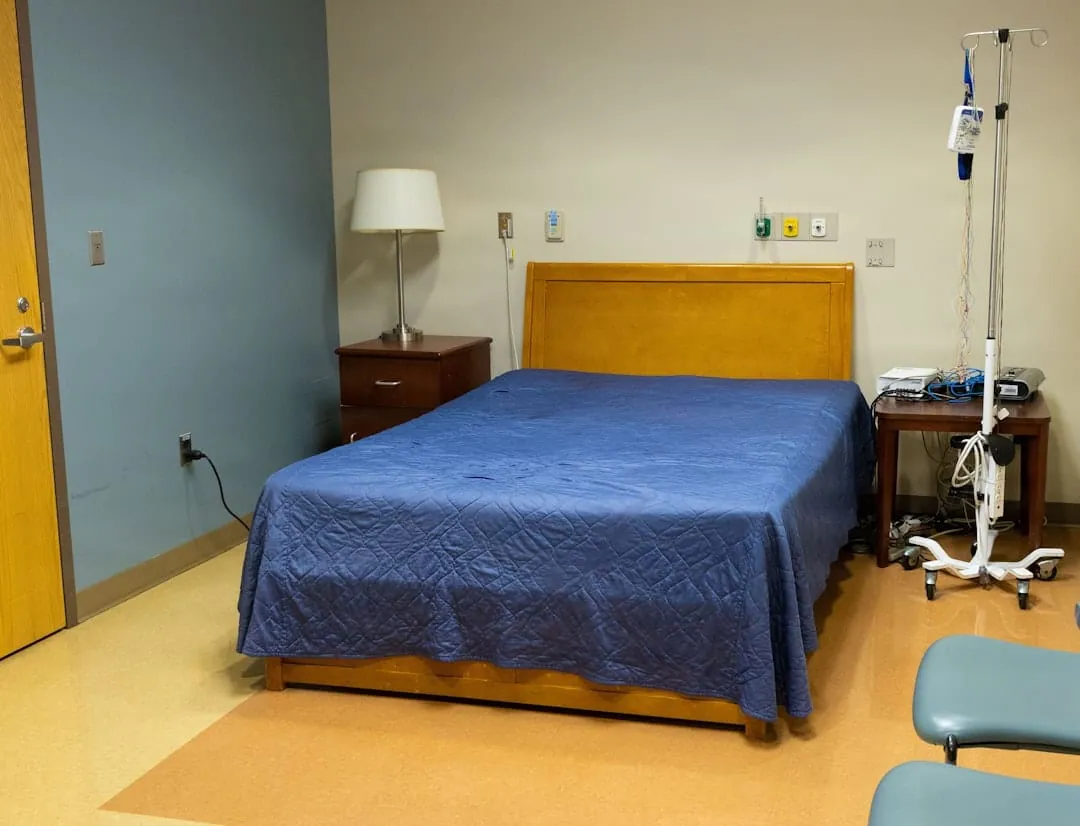


In network with most major insurance
Find your plan and see what detox would cost
Most plans cover medical detox. Coverage varies by plan, so we verify it for you before you commit to anything.
















Don't see your plan? We work with out-of-network benefits and offer self-pay options — (866) 710-7710
- Confidential
- Takes about 2 minutes
- No obligation to admit
- Accredited The Joint Commission
- Rated 4.5 · 94 Google reviews
- Admissions 24 hours a day