
Guide
Inpatient vs Outpatient Detox in Austin, Texas: Which Is Right for You?
Joint Commission accredited · In network with most major insurance · Admissions answered 24 hours a day


Published April 28, 2026
Reviewed and updated July 29, 2026
What Is Inpatient Detox in Austin?
- 24/7 medical supervision and nursing care
- Medication-assisted treatment (MAT) when appropriate
- Individual counseling and peer support
- Structured daily schedule to support stability
- Nutritional support and physical care
- A safe, substance-free environment
- Planning for the next level of care after detox
What Is Outpatient Detox in Austin?
- Scheduled medical appointments (typically 3–5 times per week during acute withdrawal)
- Prescription medications to manage withdrawal symptoms
- Regular check-ins with a physician or nurse practitioner
- Counseling sessions (individual or group)
- The ability to maintain work, school, or family obligations
Key Differences Between Inpatient and Outpatient Detox
Where we are
Detox centers across Texas
Three locations, each with its own admissions line and its own clinical team. Pick the one nearest you — or call and we will tell you which has a bed tonight.
-
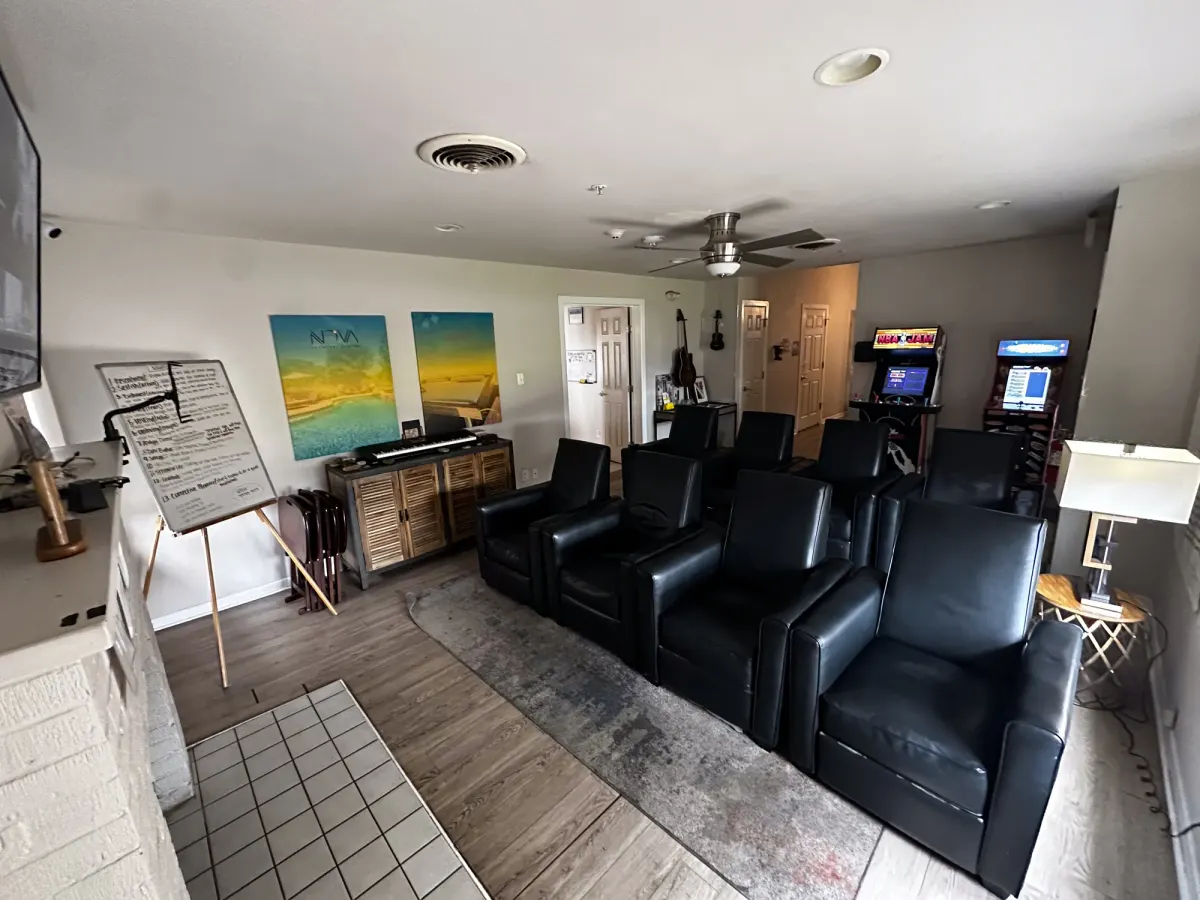 Inpatient
 Austin, TX
11711 N Lamar Blvd · 78753
- 15 beds
- On-site labs
- 24-hour medical staff
Drug & Alcohol Detox in Austin, TX
-
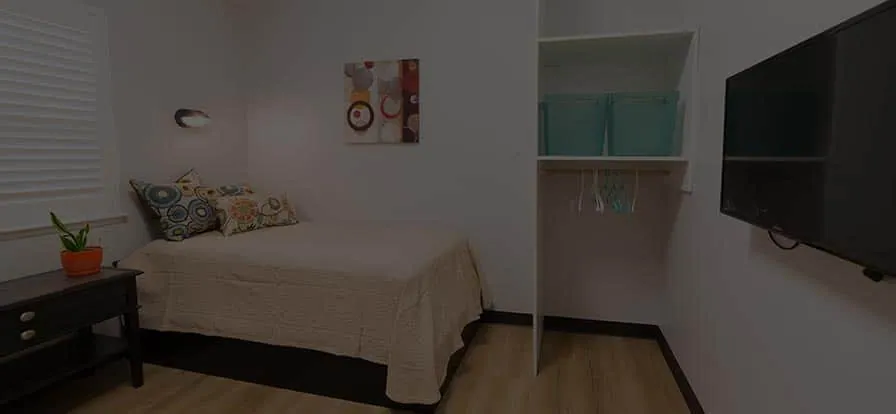 Inpatient
 Houston, TX
1019 Ashland St · 77008
- On-site labs
- 24-hour medical staff
Drug Detox Center in Houston, TX
-
 Outpatient
 San Antonio, TX
6707 W Hausman Rd · 78249
- Outpatient detox with scheduled medical visits
- Outpatient treatment
Outpatient Drug & Alcohol Detox in San Antonio
Who Is Inpatient Detox Best For?
Inpatient detox is the recommended choice for many people who are beginning recovery, particularly those dealing with more serious or long-standing substance use. You may be a strong candidate for residential detox if you:
- Have a long history of heavy alcohol or drug use
- Have experienced severe withdrawal symptoms in the past (such as seizures or delirium tremens)
- Are detoxing from alcohol, benzodiazepines, or opioids — substances with potentially dangerous withdrawal profiles
- Have a co-occurring mental health condition like depression, anxiety, or PTSD
- Live in an environment that is chaotic, unsupportive, or where substances are present
- Have tried outpatient detox before and relapsed
- Do not have reliable transportation or a support system at home
If alcohol is involved, the stakes are especially high. Alcohol withdrawal can escalate to life-threatening seizures within hours of the last drink. Briarwood’s alcohol detox program in Austin is specifically designed to manage these risks safely, with medical supervision throughout the most critical withdrawal window.
Who Is Outpatient Detox Best For?
Outpatient detox can be a reasonable starting point for people with lower-risk withdrawal profiles and strong support systems at home. It may be the right choice if you:
- Have a mild to moderate substance dependence
- Have a stable, sober home environment
- Have work or caregiving obligations you cannot step away from
- Are motivated and have a strong personal support network
- Have not experienced severe or complicated withdrawals previously
- Are transitioning from a higher level of care and need continued support
It’s important to be honest with yourself and your care team about your situation. What feels manageable on the surface isn’t always the safest or most effective path. A licensed treatment professional can conduct an assessment to help you identify your actual risk level before committing to a program.
The Role of Medical Detox in Both Settings
Whether inpatient or outpatient, the best detox programs are medically supervised. Attempting to detox alone — sometimes called “going cold turkey” — can be not only uncomfortable but genuinely dangerous, depending on what substances are involved and how long you’ve been using them. Medical detox means a licensed team of physicians, nurses, and addiction specialists oversees your withdrawal process and intervenes when needed. Medications like buprenorphine, naltrexone, clonidine, or benzodiazepines (administered in controlled doses) can significantly reduce the severity of withdrawal symptoms and lower the risk of complications. At Briarwood Detox Center, both approaches include the clinical expertise needed to make detox as safe and comfortable as possible.
To learn more about what medically supervised withdrawal looks like, visit the medical detox page for a full overview of the process. It’s also worth noting that detox is just the beginning of recovery — not the end. Once withdrawal is complete, ongoing treatment through an IOP (Intensive Outpatient Program), residential rehab, therapy, and peer support are what help people build lasting sobriety. Briarwood’s team works with you to plan
aftercare and continuing treatment options before you ever leave the facility.Detox Options in Austin, Texas: What to Know About Local Resources
Austin has grown significantly as a hub for addiction treatment services, with a range of detox centers, sober living communities, and recovery support programs throughout the city and surrounding areas. Whether you’re in North Austin, South Congress, Round Rock, or anywhere in the greater Travis County area, getting connected to quality detox care is more accessible than many people realize. Briarwood Detox Center serves the Austin area with a team that understands the local community and the unique challenges people face here — from first-time treatment seekers to those who’ve tried other programs without lasting success.
The center offers a compassionate, evidence-based approach to both inpatient and medically supervised detox. If drugs rather than alcohol are your primary concern, Briarwood’s drug detox program in Austin is tailored to a wide range of substances including opioids, methamphetamine, cocaine, and prescription medications. Each detox plan is individualized based on your specific history and needs.
How to Choose the Right Detox Program for You
Choosing between inpatient and outpatient detox can feel overwhelming — especially when you’re already dealing with the emotional and physical toll of addiction. Here are a few practical steps to help guide your decision:
- Get a clinical assessment. Speak with an addiction specialist who can evaluate your substance use history, physical health, mental health, and home environment. This assessment will guide the recommendation for the appropriate level of care.
- Be honest about your home situation. If there are substances, enabling relationships, or significant stress in your home, outpatient detox may not provide the buffer you need to succeed.
- Consider your withdrawal history. If you’ve had seizures, blackouts, or severe withdrawal symptoms in the past, inpatient is almost always the safer choice.
- Check your insurance coverage. Many insurance plans cover inpatient detox when it is medically necessary. Call your provider or ask the detox center to verify your benefits before making a decision based solely on cost.
- Think beyond detox. Ask any program you’re considering what their plan is for the period after detox ends. A reputable center will have a continuum of care in place, not just a discharge date.
Take the First Step Toward Recovery in Austin
Frequently Asked Questions
What is the main difference between inpatient and outpatient detox in Austin, Texas?+–
Inpatient detox requires you to stay at a treatment facility around the clock, receiving 24/7 medical supervision throughout the withdrawal process. Outpatient detox allows you to live at home while attending scheduled clinic visits a few times per week for medical check-ins and medication management. When comparing inpatient vs outpatient detox in Austin, Texas, the right choice depends on the severity of your addiction, your home environment, and your overall health.
How long does inpatient detox typically last?+–
A typical inpatient detox stay lasts anywhere from 5 to 10 days, depending on the substance involved, the severity of dependence, and your overall health. During that time, a medical care team may use FDA-approved medications to ease withdrawal symptoms and keep you physically stable as your body clears the substance.
Who is a good candidate for outpatient detox?+–
Outpatient detox is generally best suited for individuals with mild to moderate substance dependence who have a stable, supportive home environment and reliable transportation. It is a less intensive and less costly option, but it may not be appropriate for those with more severe addictions or unpredictable living situations.
Which substances require inpatient detox rather than outpatient detox?+–
Substances like alcohol, benzodiazepines, and opioids can cause withdrawal symptoms that become medically dangerous without proper intervention, making inpatient detox the safer choice for many people dependent on these substances. Around-the-clock medical supervision allows care teams to manage complications in real time, reducing the risk of serious health emergencies during withdrawal.
What services are included in an inpatient detox program?+–
Inpatient detox programs typically include 24/7 medical supervision and nursing care, medication-assisted treatment (MAT) when appropriate, individual counseling, peer support, and a structured daily schedule. Patients also receive nutritional support, physical care, and help planning the next level of care after detox is complete.
Does insurance cover inpatient or outpatient detox in Austin, Texas?+–
Many insurance plans offer coverage for both inpatient and outpatient detox, though the specifics vary depending on your provider and plan. When weighing inpatient vs outpatient detox in Austin, Texas, it is important to review your insurance benefits and speak with the treatment center's admissions team to understand your out-of-pocket costs before making a decision. Ready to Start Your Recovery in Austin? If you or someone you love needs more than detox, Briarwood Detox Center also provides austin tx drug rehab . Does your insurance cover detox in Austin? Find out in about 2 minutes — free, confidential, no obligation. Verify Insurance Briarwood Detox Center offers medically supervised detox in Austin. Explore our locations, see the facility, and verify your insurance in minutes. Ready to talk to someone now? Briarwood Detox Center's admissions team is here 24/7, and every call is confidential. Call (866) 710-7710 . See our locations
Related guides


About the people behind this guide
Anna-Grace Washington
Medical Content Writer
Anna-Grace Washington is a Medical Content Writer for Briarwood Detox Center. She holds a master’s degree in clinical psychology from the University of Texas and brings a strong understanding of behavioral health, addiction recovery, and evidence-based treatment concepts to her writing.
Dr. Robert Ulrich, DO
Medical Director
Dr. Robert Ulrich serves as Medical Director at Briarwood Detox Center, bringing more than two decades of clinical neurology experience to the treatment of substance use disorders. He is board-certified in neurology by the American Board of Psychiatry and Neurology and completed his neurology residency at UT Southwestern Medical Center in Dallas, where he served as Chief Resident.
In network with most major insurance
Find your plan and see what detox would cost
Most plans cover medical detox. Coverage varies by plan, so we verify it for you before you commit to anything.

















Don't see your plan? We work with out-of-network benefits and offer self-pay options — (866) 710-7710
- Confidential
- Takes about 2 minutes
- No obligation to admit

- Accredited The Joint Commission
- Rated 4.5 · 95 Google reviews
- Admissions 24 hours a day