
Guide
How Long Does Alcohol Detox Take — and Is It Safe to Detox at Home in Austin?
Joint Commission accredited · In network with most major insurance · Admissions answered 24 hours a day


Published April 27, 2026
Reviewed and updated July 29, 2026
What Happens to Your Body When You Stop Drinking?
- Anxiety, restlessness, and irritability
- Tremors (shakiness, especially in the hands)
- Sweating and increased heart rate
- Nausea and vomiting
- Headaches and difficulty sleeping
- Sensitivity to light and sound
- In severe cases: seizures, hallucinations, and delirium tremens
The intensity of these symptoms depends on how much you’ve been drinking, how long you’ve been drinking, your overall health, your age, and whether you’ve experienced withdrawal before.
The Alcohol Detox Timeline: What to Expect Hour by Hour
Understanding the alcohol detox timeline can help you know what to expect — and recognize when symptoms are escalating into dangerous territory. Here’s a general breakdown:
6–12 Hours After the Last Drink
Mild withdrawal symptoms typically begin within the first six to twelve hours after stopping alcohol. This early phase often includes anxiety, headaches, nausea, and shakiness. Many people in this early stage feel uncomfortable but don’t yet realize they are in withdrawal.
12–48 Hours: Peak Danger Window Begins
This is when withdrawal intensifies significantly for many people. Seizures most commonly occur during this window — often without any warning signs. Even people who have detoxed before and had relatively mild symptoms in the past can experience a seizure this time. Hallucinations (auditory, visual, or tactile) may also emerge during this phase, a condition sometimes called alcoholic hallucinosis.
48–72 Hours: Delirium Tremens Risk
Delirium tremens typically appears between 48 and 72 hours after the last drink, though it can occur up to five days out in some cases. DTs are a medical emergency characterized by severe confusion, rapid heart rate, high blood pressure, fever, and heavy sweating. Without medical treatment, DTs can be fatal. The mortality rate for untreated delirium tremens is estimated between 5% and 15%. Call Now: (866) 710-77103–7 Days: Acute Withdrawal Winds Down
For most people, the most intense physical symptoms of alcohol withdrawal begin to subside between days three and seven. You may still feel tired, irritable, and emotionally raw, but the acute medical danger typically decreases significantly during this phase under proper care.
1–4 Weeks: Post-Acute Withdrawal Syndrome (PAWS)
After the acute phase, some people experience post-acute withdrawal syndrome (PAWS) — a longer-lasting set of symptoms that can include mood swings, difficulty sleeping, brain fog, low energy, and cravings. PAWS can last for weeks or even months and is one of the key reasons that detox is just the first step in a longer recovery journey, not the finish line.
Is It Safe to Detox From Alcohol at Home in Austin?
- Seizures with no one to help: Alcohol withdrawal seizures can happen suddenly. Without someone trained to respond, a seizure at home can result in a fall, head injury, or death.
- Delirium tremens going unrecognized: DTs require immediate IV medications and monitoring. Without a medical team, the window for life-saving intervention can be missed.
- Dangerous dehydration: Severe vomiting and sweating can lead to dangerous electrolyte imbalances that require medical management.
- Relapse during withdrawal: The discomfort of withdrawal is one of the most common triggers for relapse. Drinking to relieve symptoms at home often leads to a cycle that escalates alcohol use further.
- No access to comfort medications: Medical detox programs can administer medications like benzodiazepines that reduce the risk of seizures and make withdrawal significantly more manageable. These medications require medical supervision and are not available for safe home use.
If you’re in Austin and considering stopping drinking, please reach out to a professional before attempting to stop on your own. The team at Briarwood’s alcohol detox program in Austin can assess your situation and help you understand the safest path forward.
Where we are
Detox centers across Texas
Three locations, each with its own admissions line and its own clinical team. Pick the one nearest you — or call and we will tell you which has a bed tonight.
-
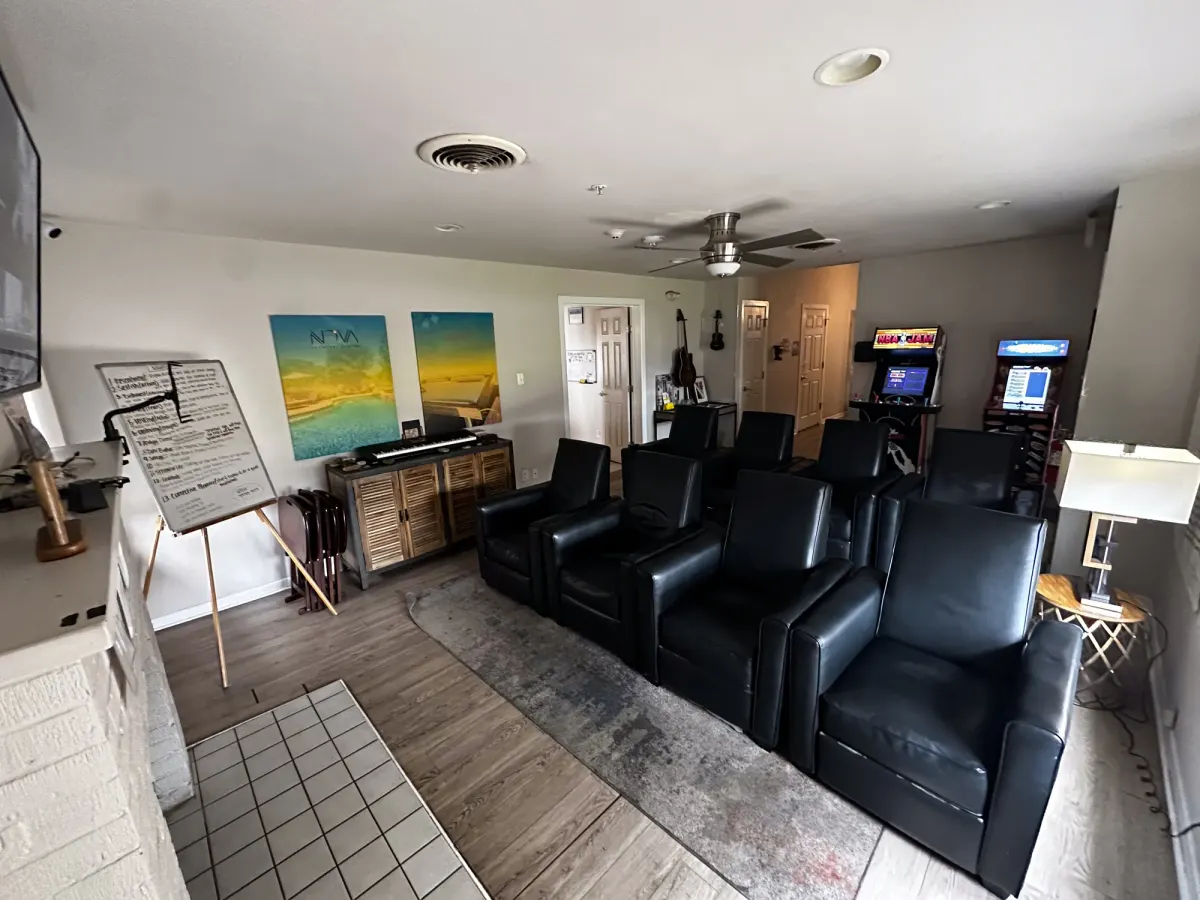 Inpatient
 Austin, TX
11711 N Lamar Blvd · 78753
- 15 beds
- On-site labs
- 24-hour medical staff
Drug & Alcohol Detox in Austin, TX
-
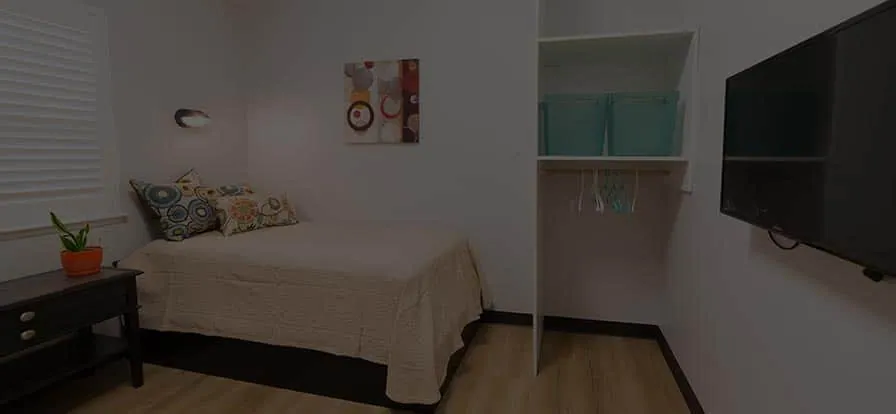 Inpatient
 Houston, TX
1019 Ashland St · 77008
- On-site labs
- 24-hour medical staff
Drug Detox Center in Houston, TX
-
 Outpatient
 San Antonio, TX
6707 W Hausman Rd · 78249
- Outpatient detox with scheduled medical visits
- Outpatient treatment
Outpatient Drug & Alcohol Detox in San Antonio
What Does Medical Alcohol Detox Look Like?
Medical detox doesn’t mean being strapped to a bed in a hospital. At Briarwood Detox Center in Austin, medical detox is designed to be as comfortable and supportive as possible while keeping you safe throughout the withdrawal process. During medical detox, you can generally expect:
- Medical assessment on admission: A clinical team evaluates your drinking history, overall health, and withdrawal risk to build a personalized detox plan.
- 24/7 medical monitoring: Vitals, neurological status, and withdrawal symptoms are monitored around the clock so any dangerous changes are caught and addressed immediately.
- Medication-assisted withdrawal management: Medications such as benzodiazepines (like diazepam or lorazepam), anticonvulsants, and other supportive medications are administered to reduce the severity of symptoms and prevent life-threatening complications.
- Nutritional and hydration support: IV fluids, vitamins (especially thiamine, which is often depleted in heavy drinkers), and balanced nutrition help restore your body.
- Emotional and therapeutic support: Detox isn’t just physical. Many programs incorporate therapeutic and holistic support to help you begin processing the emotional side of early recovery.
How Long Does Alcohol Detox Take Overall?
To summarize the timeline in plain terms:
- Acute medical detox: Typically 5–10 days for most people with alcohol dependence, with the most dangerous period occurring in the first 72 hours.
- Physical stabilization: Most acute physical symptoms resolve within one to two weeks.
- Post-acute withdrawal (PAWS): Emotional and cognitive symptoms can linger for weeks to months, gradually improving with time and support.
Who Is at Highest Risk During Alcohol Detox?
While anyone who has been drinking heavily and regularly is at some risk during withdrawal, certain factors increase the danger significantly. You are at higher risk if:
- You have been drinking heavily for more than a few months
- You drink daily or feel physical withdrawal symptoms (shaking, sweating, anxiety) when you don’t drink
- You have a history of alcohol withdrawal seizures or DTs
- You have been through multiple detoxes before (kindling effect — each withdrawal can become more severe)
- You have underlying health conditions such as heart disease, liver disease, or diabetes
- You are also using other substances, particularly benzodiazepines or opioids
- You are over 60 or have other age-related health concerns
Finding Safe Alcohol Detox in Austin, Texas
Austin has a growing recovery community and a range of treatment options — but not all detox programs are equal. When looking for alcohol detox in Austin, look for a program that offers:
- Licensed medical staff on-site 24 hours a day
- Individual medical assessments and personalized care plans
- The ability to prescribe and administer withdrawal medications
- Clear transition planning to the next level of care
- Insurance verification and transparent billing
Briarwood Detox Center in Austin checks every one of these boxes. As a dedicated detox facility, the entire focus is on getting you through withdrawal safely, comfortably, and with the support you need to take the next step toward lasting recovery. Whether you need drug and alcohol detox in Austin or specific alcohol withdrawal management, the Briarwood team is ready to help.
Take the First Step Toward Safe Alcohol Detox
Frequently Asked Questions
How long does alcohol detox take from start to finish?+–
How long alcohol detox takes depends on factors like how much and how long you've been drinking, your age, and your overall health. In general, the acute withdrawal phase begins within 6–12 hours of your last drink and can last anywhere from a few days to about a week. Some people experience lingering symptoms beyond that window, which is why medically supervised detox is strongly recommended.
Is it safe to detox from alcohol at home?+–
For many people, it is not safe to detox from alcohol at home without medical supervision. Alcohol withdrawal can cause life-threatening complications such as seizures and delirium tremens (DTs), sometimes with little or no warning. How long alcohol detox takes and how severe it becomes is difficult to predict, which is exactly why professional medical detox is the safest path forward.
When do alcohol withdrawal symptoms typically start?+–
Alcohol withdrawal symptoms typically begin within 6–12 hours after the last drink. Early symptoms often include anxiety, headaches, nausea, and shakiness, and many people don't immediately recognize these as withdrawal. Symptoms usually intensify between 12–48 hours, which is considered the peak danger window for seizures and hallucinations.
What is delirium tremens (DTs) and how serious is it?+–
Delirium tremens is a severe form of alcohol withdrawal that can include seizures, extreme confusion, hallucinations, and dangerous spikes in heart rate and blood pressure. It is a potentially life-threatening condition that requires immediate medical attention. DTs are one of the primary reasons alcohol withdrawal is considered more medically dangerous than withdrawal from many other substances.
Can you have a seizure during alcohol withdrawal even if it hasn't happened before?+–
Yes, even people who have gone through alcohol withdrawal before with relatively mild symptoms can experience a seizure during a later detox attempt. Seizures most commonly occur during the 12–48 hour window after the last drink and can happen without any obvious warning signs. This unpredictability is a key reason why medical supervision during alcohol detox is so important.
What factors affect how severe alcohol withdrawal symptoms will be?+–
The intensity of alcohol withdrawal symptoms depends on several factors, including how much and how long you've been drinking, your age, your overall physical health, and whether you've experienced withdrawal before. People with a longer or heavier drinking history are generally at greater risk for severe symptoms. A medical professional can assess your individual risk level and provide appropriate care during detox. Ready to Start Your Recovery in Austin? If you or someone you love needs more than detox, Briarwood Detox Center also provides rehab in austin texas . Briarwood Detox Center’s alcohol detox program provides medically supervised, evidence-based care. Does your insurance cover detox in Austin? Find out in about 2 minutes — free, confidential, no obligation. Verify Insurance Briarwood Detox Center offers medically supervised detox in Austin. Explore our locations, see the facility, and verify your insurance in minutes. Ready to talk to someone now? Briarwood Detox Center's admissions team is here 24/7, and every call is confidential. Call (866) 710-7710 . See our locations
Related guides



About the people behind this guide
Anna-Grace Washington
Medical Content Writer
Anna-Grace Washington is a Medical Content Writer for Briarwood Detox Center. She holds a master’s degree in clinical psychology from the University of Texas and brings a strong understanding of behavioral health, addiction recovery, and evidence-based treatment concepts to her writing.
Dr. Robert Ulrich, DO
Medical Director
Dr. Robert Ulrich serves as Medical Director at Briarwood Detox Center, bringing more than two decades of clinical neurology experience to the treatment of substance use disorders. He is board-certified in neurology by the American Board of Psychiatry and Neurology and completed his neurology residency at UT Southwestern Medical Center in Dallas, where he served as Chief Resident.
In network with most major insurance
Find your plan and see what detox would cost
Most plans cover medical detox. Coverage varies by plan, so we verify it for you before you commit to anything.


















Don't see your plan? We work with out-of-network benefits and offer self-pay options — (866) 710-7710
- Confidential
- Takes about 2 minutes
- No obligation to admit

- Accredited The Joint Commission
- Rated 4.5 · 95 Google reviews
- Admissions 24 hours a day