
Guide
Alcohol Detox Medications Used at a Medical Detox Center in Austin, Texas
Joint Commission accredited · In network with most major insurance · Admissions answered 24 hours a day


Published April 22, 2026
Reviewed and updated July 29, 2026
Why Alcohol Withdrawal Requires Medical Supervision
Alcohol withdrawal is uniquely dangerous compared to many other substances. When someone who has been drinking heavily for weeks, months, or years suddenly stops or significantly reduces their intake, the central nervous system — which has been suppressed by alcohol — can become dangerously overactive. This can lead to a range of symptoms, from mild anxiety and tremors to life-threatening complications. Common alcohol withdrawal symptoms include:
- Anxiety, irritability, and restlessness
- Sweating, nausea, and vomiting
- Elevated heart rate and blood pressure
- Tremors (the “shakes”)
- Insomnia and vivid nightmares
- Hallucinations (visual, auditory, or tactile)
- Seizures
- Delirium tremens (DTs) — a severe and potentially fatal condition
Delirium tremens occurs in roughly 3–5% of people going through alcohol withdrawal and carries a mortality rate that can reach 15% without proper treatment. This is why attempting to detox from alcohol at home — or “cold turkey” — is strongly discouraged by medical professionals. A supervised medical detox program dramatically reduces these risks through careful monitoring and the strategic use of medications.
Benzodiazepines: The Gold Standard for Alcohol Withdrawal
- Diazepam (Valium): Long-acting; often preferred for its smooth, gradual tapering effect
- Chlordiazepoxide (Librium): Another long-acting option with a strong track record in detox protocols
- Lorazepam (Ativan): Shorter-acting; often used when liver function is a concern
- Oxazepam (Serax): Also short-acting and liver-friendly; sometimes preferred for older patients
Medical staff typically use a Clinical Institute Withdrawal Assessment (CIWA) scale to measure the severity of withdrawal symptoms and adjust benzodiazepine dosing accordingly. This individualized approach ensures you receive just the right amount of medication — enough to prevent seizures and serious complications, without over-sedating you unnecessarily.
Anticonvulsants: An Alternative or Complement to Benzos
In some cases, doctors at a medical detox center in Austin may use anticonvulsant medications either alongside or instead of benzodiazepines, especially for patients with a history of seizures, those who have experienced multiple detox episodes, or individuals who have a history of benzodiazepine misuse. Common anticonvulsants used in alcohol detox include:
- Gabapentin (Neurontin): Increasingly used for mild-to-moderate alcohol withdrawal; also helps with anxiety, insomnia, and pain
- Carbamazepine (Tegretol): Well-studied in Europe; effective for reducing withdrawal symptoms and preventing seizures
- Valproate (Depakote): Sometimes used as an adjunct treatment, particularly for patients with mood disorders alongside alcohol dependence
Where we are
Detox centers across Texas
Three locations, each with its own admissions line and its own clinical team. Pick the one nearest you — or call and we will tell you which has a bed tonight.
-
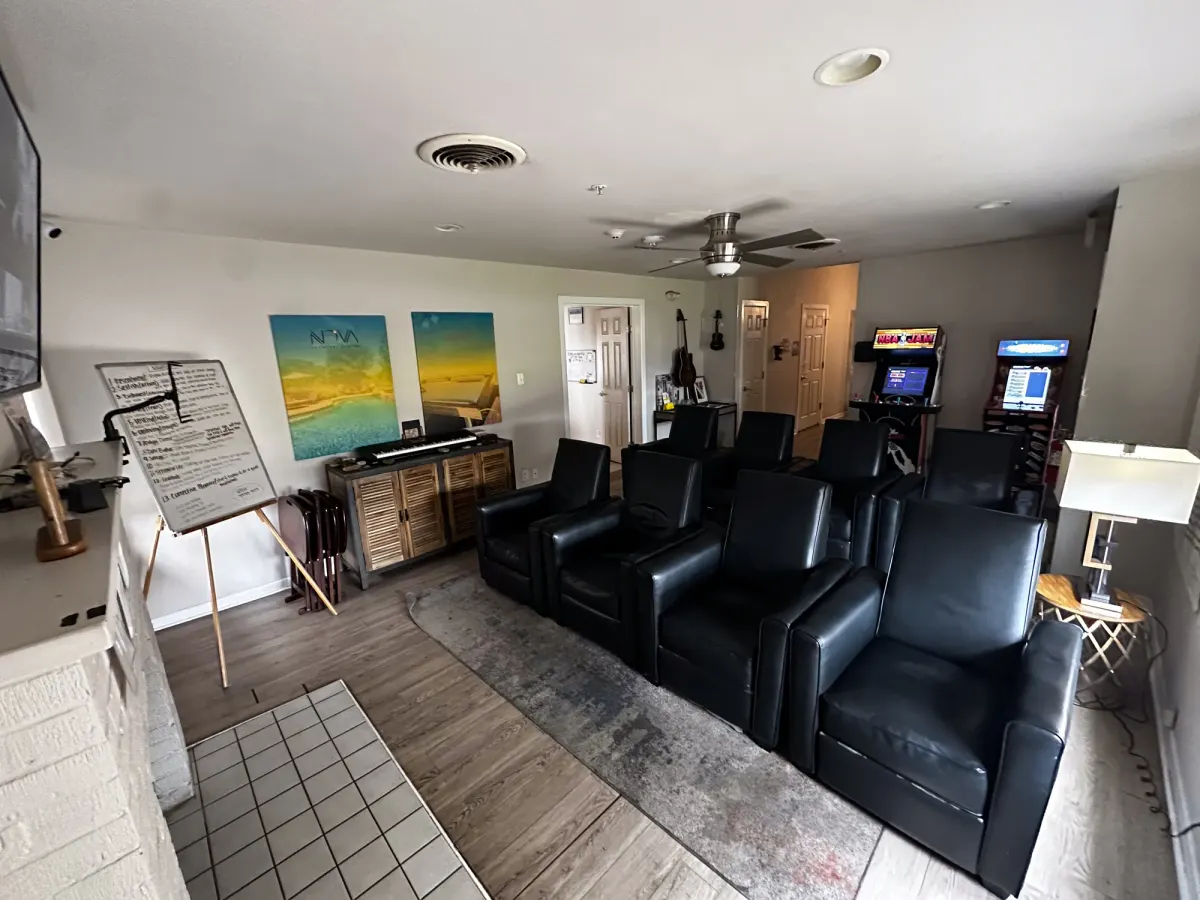 Inpatient
 Austin, TX
11711 N Lamar Blvd · 78753
- 15 beds
- On-site labs
- 24-hour medical staff
Drug & Alcohol Detox in Austin, TX
-
 Inpatient
 Houston, TX
1019 Ashland St · 77008
- On-site labs
- 24-hour medical staff
Drug Detox Center in Houston, TX
-
 Outpatient
 San Antonio, TX
6707 W Hausman Rd · 78249
- Outpatient detox with scheduled medical visits
- Outpatient treatment
Outpatient Drug & Alcohol Detox in San Antonio
Other Supportive Medications Used During Alcohol Detox
Beyond preventing seizures and managing the core withdrawal syndrome, your medical team may prescribe additional medications to address specific symptoms and support your overall health during detox. These supportive medications play a crucial role in making the experience as safe and comfortable as possible.
- Beta-Blockers (e.g., Atenolol, Propranolol): These medications help manage elevated heart rate and blood pressure — two common and uncomfortable symptoms of alcohol withdrawal. They’re often used alongside benzodiazepines rather than as a standalone treatment.
- Clonidine: An alpha-2 agonist that can reduce anxiety, sweating, and elevated blood pressure during withdrawal. Often used as a complement to primary withdrawal medications.
- Thiamine (Vitamin B1): Heavy alcohol use depletes thiamine, and a severe deficiency can lead to Wernicke’s encephalopathy — a serious neurological condition. Thiamine supplementation is a standard, non-negotiable part of alcohol detox at any reputable medical facility.
- Multivitamins and Electrolytes: Chronic alcohol use depletes the body of essential nutrients. IV fluids, electrolytes (potassium, magnesium), and multivitamins help restore balance and support physical recovery.
- Anti-nausea medications (e.g., Ondansetron, Promethazine): Nausea and vomiting are common during the first days of detox. These medications help you stay hydrated and comfortable.
- Sleep aids: Insomnia is one of the most persistent withdrawal symptoms. Short-term sleep support may be provided to help you rest and allow your body to heal.
Medications That May Be Started After Detox to Support Long-Term Sobriety
While the medications above are focused on managing the acute withdrawal phase, your treatment team may also discuss medications designed to support your long-term sobriety. These are typically introduced once the acute detox phase is complete and your body has stabilized.
- Naltrexone (Vivitrol): Reduces alcohol cravings by blocking the brain’s opioid receptors. Available as a daily pill or a once-monthly injection.
- Acamprosate (Campral): Helps restore chemical balance in the brain that alcohol disrupted, reducing cravings and the discomfort of early sobriety.
- Disulfiram (Antabuse): Creates an unpleasant reaction when alcohol is consumed, acting as a deterrent. Best suited for highly motivated individuals.
What to Expect at a Medical Detox Center in Austin, Texas
If you’re considering alcohol detox in Austin, knowing what the process actually looks like can ease some of the fear and uncertainty. At Briarwood Detox Center, the experience is built around safety, comfort, and dignity. Here’s what a typical medically supervised alcohol detox process looks like:
- Intake and assessment: When you arrive, a medical team conducts a thorough health evaluation — including your drinking history, current physical health, any co-occurring mental health conditions, and past detox experiences. This information shapes your individualized treatment plan.
- Stabilization: In the first 24–72 hours, your symptoms are at their peak. Medical staff monitor you closely using the CIWA scale and administer medications as needed to keep you safe and as comfortable as possible.
- Ongoing monitoring: Vitals are checked regularly. Your medication protocol is adjusted based on how your body is responding. You’re never left to manage symptoms alone.
- Holistic support: Beyond medications, the best detox programs incorporate therapies and holistic support during detox — including individual counseling, nutritional support, and mindfulness practices — to begin healing the whole person, not just the physical symptoms.
- Transition planning: Detox is the beginning of recovery, not the end. Your team will work with you to create a plan for what comes next — whether that’s residential treatment, an IOP, sober living, or outpatient support.
Most alcohol detox programs last between 5–10 days, though the timeline varies based on the individual’s history and how their body responds to treatment.
Why Choosing the Right Medical Detox Center Matters
Not all detox programs are created equal. When you’re trusting a facility with your health and safety during one of the most vulnerable periods of your life, the quality of medical care matters enormously. A reputable medical detox center in Austin will have:
- 24/7 medical supervision by licensed physicians and nurses
- Evidence-based medication protocols tailored to your individual needs
- Compassionate, trauma-informed staff who treat you with respect
- Dual diagnosis support for co-occurring mental health conditions
- A clear path to continuing care after detox
Briarwood Detox Center offers all of this and more, right here in Austin, Texas. Our team understands that asking for help takes courage, and we’re committed to making the detox process as safe and supported as possible. Whether you’re exploring options for yourself or a loved one, you can learn more about our comprehensive alcohol detox program in Austin or our full range of medical detox services.
Take the First Step Toward Safe Alcohol Detox in Austin
Frequently Asked Questions
What medications are used during alcohol detox at a medical detox center?+–
The most common alcohol detox medications used at a medical detox center include benzodiazepines such as diazepam (Valium), chlordiazepoxide (Librium), lorazepam (Ativan), and oxazepam (Serax). These medications are FDA-approved and work by calming the central nervous system in a controlled, tapering way to help the brain safely readjust to the absence of alcohol. Medical staff select the most appropriate medication based on each patient's individual health profile.
Why are benzodiazepines considered the gold standard for alcohol withdrawal treatment?+–
Benzodiazepines are considered the gold standard for alcohol withdrawal because they enhance the effects of GABA, a neurotransmitter that calms the central nervous system — mimicking what alcohol was doing, but in a safe and medically controlled way. This allows the brain to gradually readjust without the dangerous overstimulation that causes severe withdrawal symptoms. Their effectiveness and long track record in clinical settings make them the first-line choice in most medical detox protocols.
Is it safe to detox from alcohol at home without medical supervision?+–
Detoxing from alcohol at home, or 'cold turkey,' is strongly discouraged by medical professionals due to the serious risks involved. Alcohol withdrawal can lead to life-threatening complications such as seizures and delirium tremens (DTs), which carries a mortality rate of up to 15% without proper treatment. A supervised medical detox program dramatically reduces these risks through careful monitoring and the strategic use of medications.
What is delirium tremens (DTs) and how serious is it?+–
Delirium tremens is a severe form of alcohol withdrawal that occurs in approximately 3–5% of people going through the detox process. It is a potentially fatal condition that can develop without proper medical treatment, carrying a mortality rate that can reach 15%. At a professional detox facility like Briarwood Detox Center in Austin, Texas, trained medical staff use proven medications to monitor and prevent this dangerous complication.
What symptoms can I expect during alcohol withdrawal?+–
Alcohol withdrawal symptoms can range from mild to severe and may include anxiety, irritability, sweating, nausea, elevated heart rate, tremors, insomnia, and vivid nightmares. In more serious cases, individuals may experience hallucinations, seizures, or delirium tremens. The severity of symptoms depends on factors such as the duration and intensity of alcohol use, which is why professional medical supervision is essential.
Why does alcohol withdrawal require medical supervision compared to other substances?+–
Alcohol withdrawal is uniquely dangerous because when heavy drinking suddenly stops, the central nervous system — which has been suppressed by alcohol — can become dangerously overactive. This rebound effect can escalate quickly into life-threatening conditions like seizures and delirium tremens, unlike withdrawal from many other substances. The alcohol detox medications used at a medical detox center are specifically designed to manage this dangerous neurological response safely and effectively. Ready to Start Your Recovery in Austin? If you or someone you love needs more than detox, Briarwood Detox Center also provides alcohol rehab austin . Briarwood Detox Center’s alcohol detox program program provides medically supervised, evidence-based care. Does your insurance cover detox in Austin? Find out in about 2 minutes — free, confidential, no obligation. Verify Insurance Briarwood Detox Center offers medically supervised detox in Austin. Explore our locations, see the facility, and verify your insurance in minutes. Ready to talk to someone now? Briarwood Detox Center's admissions team is here 24/7, and every call is confidential. Call (866) 710-7710 . See our locations
Related guides

About the people behind this guide
Anna-Grace Washington
Medical Content Writer
Anna-Grace Washington is a Medical Content Writer for Briarwood Detox Center. She holds a master’s degree in clinical psychology from the University of Texas and brings a strong understanding of behavioral health, addiction recovery, and evidence-based treatment concepts to her writing.
Dr. Robert Ulrich, DO
Medical Director
Dr. Robert Ulrich serves as Medical Director at Briarwood Detox Center, bringing more than two decades of clinical neurology experience to the treatment of substance use disorders. He is board-certified in neurology by the American Board of Psychiatry and Neurology and completed his neurology residency at UT Southwestern Medical Center in Dallas, where he served as Chief Resident.
In network with most major insurance
Find your plan and see what detox would cost
Most plans cover medical detox. Coverage varies by plan, so we verify it for you before you commit to anything.
















Don't see your plan? We work with out-of-network benefits and offer self-pay options — (866) 710-7710
- Confidential
- Takes about 2 minutes
- No obligation to admit
- Accredited The Joint Commission
- Rated 4.5 · 95 Google reviews
- Admissions 24 hours a day