
Guide
Alcohol Detox Timeline: How Long Does It Take and What Are the Stages?
Joint Commission accredited · In network with most major insurance · Admissions answered 24 hours a day


Published April 17, 2026
Reviewed and updated July 29, 2026
Why Alcohol Withdrawal Requires Medical Attention
Before diving into the timeline, it’s important to understand why alcohol withdrawal is different from other substances. Alcohol acts as a depressant on your central nervous system, and over time, your brain adapts to its constant presence by ramping up certain chemical signals to stay alert. When you suddenly remove alcohol, your nervous system can become dangerously overactive. This is why alcohol withdrawal can, in serious cases, become life-threatening — unlike withdrawal from many other drugs. Symptoms can range from mild anxiety and shakiness to severe complications like seizures and delirium tremens (DTs). Because of this risk, attempting to detox from alcohol at home without medical supervision is strongly discouraged.
Medical detox provides a safe, monitored environment where doctors and nurses can manage withdrawal symptoms, administer medications when needed, and intervene quickly if complications arise. This isn’t meant to frighten you — it’s meant to empower you to make the safest choice possible.
The Alcohol Detox Timeline: Hour by Hour, Day by Day
The alcohol detox timeline follows a fairly predictable pattern, though the severity of symptoms varies from person to person. Your age, overall health, history of prior withdrawals, and how much you typically drink all play a role. Here’s a general breakdown of what to expect:
Hours 6–12: Early Symptoms Begin
Withdrawal symptoms typically begin within 6 to 12 hours after your last drink — sometimes even sooner in heavy, long-term drinkers. Early symptoms are often mild to moderate and may include:
- Anxiety and restlessness
- Headache
- Nausea or upset stomach
- Mild tremors (shaking hands)
- Sweating and clamminess
- Insomnia
- Heart palpitations
At this stage, many people feel uncomfortable but may not yet realize they’re in withdrawal. If you’ve been drinking heavily and notice these symptoms starting, it’s time to reach out for help.
Hours 12–24: Symptoms Intensify
As the first day progresses, symptoms often become more pronounced. Some people experience heightened anxiety, increased tremors, and a general feeling of being very unwell. One significant risk during this window is alcoholic hallucinosis — seeing, hearing, or feeling things that aren’t there. This is distinct from delirium tremens and can occur in people who are otherwise alert and oriented. Call Now: (866) 710-7710 This is the window where having medical support makes a significant difference. In a supervised alcohol detox program in Austin, clinicians can administer medications like benzodiazepines to calm the nervous system and prevent symptoms from escalating.Hours 24–72: The Most Critical Window
The period between 24 and 72 hours is considered the most dangerous phase of alcohol withdrawal. This is when the risk of seizures is highest. Withdrawal seizures can occur even in people who have never had a seizure before and may happen without warning. In more severe cases, delirium tremens (DTs) can develop during this window. Delirium tremens is a serious medical emergency characterized by:
- Severe confusion and disorientation
- Extreme agitation
- High fever
- Rapid heart rate and high blood pressure
- Heavy sweating
- Hallucinations
DTs occur in roughly 3–5% of people going through alcohol withdrawal, but when they do occur, they can be fatal without proper treatment. In a medical detox setting, patients are monitored around the clock precisely to catch and manage these complications before they become life-threatening.
Days 4–7: Symptoms Begin to Stabilize
For most people, the most acute and dangerous symptoms begin to ease after about three to four days. Physical symptoms like tremors, sweating, and nausea gradually subside. Sleep may still be disrupted, and anxiety can persist, but the critical danger window has typically passed by this point. Many people in medically supervised detox start to feel significantly more like themselves during days four through seven. Appetite may return, mental clarity begins to improve, and the physical grip of withdrawal starts to loosen.
Days 7–10 and Beyond: The Post-Acute Phase
By the end of the first week, most people have moved through the acute withdrawal phase. However, some symptoms can linger for weeks or even months — a phenomenon known as Post-Acute Withdrawal Syndrome (PAWS). PAWS symptoms from alcohol often include:
- Mood swings and irritability
- Difficulty sleeping
- Fatigue and low energy
- Brain fog and difficulty concentrating
- Persistent anxiety or depression
- Cravings for alcohol
Factors That Affect Your Personal Detox Timeline
No two people experience the alcohol detox timeline in exactly the same way. Several factors influence how long and how intense your withdrawal experience will be:
- Duration of heavy drinking: Someone who has been drinking heavily for 20 years will typically have a more difficult withdrawal than someone who has been drinking heavily for six months.
- Average daily alcohol intake: The more alcohol your body has been processing each day, the more adjusted your nervous system is to its presence — and the harder the adjustment when it’s removed.
- Previous withdrawal history: If you’ve gone through alcohol withdrawal before, subsequent withdrawals may be more severe due to a process called kindling, where the nervous system becomes increasingly sensitized over time.
- Age and overall health: Older adults and those with underlying health conditions like liver disease, heart problems, or nutritional deficiencies often experience more complicated withdrawals.
- Co-occurring mental health conditions: Anxiety, depression, and other mental health conditions can intensify withdrawal symptoms. Dual diagnosis support during detox can be critical for people managing both addiction and mental health challenges.
- Medications and other substances: Using other substances alongside alcohol can complicate the withdrawal process and timeline.
Where we are
Detox centers across Texas
Three locations, each with its own admissions line and its own clinical team. Pick the one nearest you — or call and we will tell you which has a bed tonight.
-
 Inpatient
 Austin, TX
11711 N Lamar Blvd · 78753
- 15 beds
- On-site labs
- 24-hour medical staff
Drug & Alcohol Detox in Austin, TX
-
 Inpatient
 Houston, TX
1019 Ashland St · 77008
- On-site labs
- 24-hour medical staff
Drug Detox Center in Houston, TX
-
 Outpatient
 San Antonio, TX
6707 W Hausman Rd · 78249
- Outpatient detox with scheduled medical visits
- Outpatient treatment
Outpatient Drug & Alcohol Detox in San Antonio
What Happens During Medical Alcohol Detox?
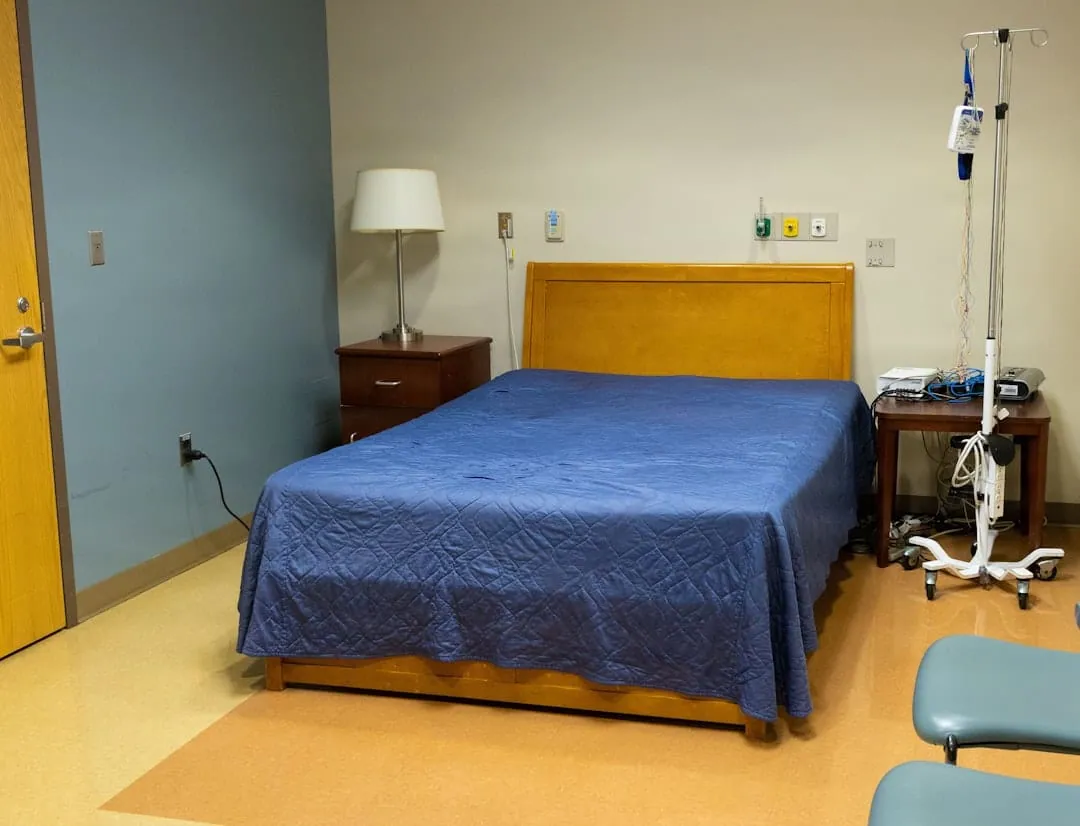
Understanding the timeline is one thing — knowing what to expect inside a detox program is another. At a medical detox facility like Briarwood Detox Center, the process is designed to keep you as safe and comfortable as possible from the moment you arrive. Upon admission, you’ll receive a thorough medical assessment so clinicians can understand your drinking history, current health status, and any medications you take. This assessment guides your personalized treatment plan. Common elements of medical alcohol detox include:
- Medication-Assisted Treatment (MAT): Medications like benzodiazepines (e.g., Librium or Ativan) are commonly used to reduce the risk of seizures, calm the nervous system, and ease withdrawal symptoms. Other medications may be used to manage specific symptoms like nausea, high blood pressure, or insomnia.
- 24/7 medical monitoring: Nurses and medical staff monitor your vital signs and symptom progression around the clock, adjusting treatment as needed.
- Nutritional support: Chronic alcohol use depletes key nutrients, particularly B vitamins. IV fluids and nutritional support help restore balance and protect against conditions like Wernicke’s encephalopathy.
- Emotional support and counseling: Detox isn’t just physical. Counselors and therapists are available to help you process emotions and begin building a foundation for recovery. Many programs also incorporate holistic therapies alongside clinical support to address the whole person.
After Detox: What Comes Next?
Completing detox is a genuinely courageous accomplishment, and it’s a critical first step — but it’s important to understand that detox alone does not treat addiction. Alcohol use disorder is a complex condition that involves psychological, behavioral, and social factors that need ongoing care and attention. After completing the alcohol detox timeline, most people benefit from stepping into a higher level of care such as:
- Inpatient or residential treatment: A structured, live-in program that provides therapy, education, and community support.
- Intensive Outpatient Program (IOP): A flexible option that allows you to live at home or in sober living while attending multiple therapy sessions per week.
- Outpatient treatment: Regular check-ins and therapy sessions that support recovery while allowing you to maintain daily responsibilities.
- Support groups: Programs like Alcoholics Anonymous (AA) provide community, accountability, and connection with others who understand the recovery journey.
At Briarwood, we work with you and your family to identify the right next steps before you leave our care. Recovery is a journey, and detox is the doorway — not the destination.
Is Alcohol Detox in Austin Right for You?
Frequently Asked Questions
How long does alcohol detox take?+–
The alcohol detox timeline typically spans 5 to 10 days for the acute phase, though this varies from person to person. Factors like how long and how heavily someone has been drinking, their age, overall health, and history of prior withdrawals all influence how long the process takes.
When do alcohol withdrawal symptoms start?+–
Withdrawal symptoms usually begin within 6 to 12 hours after your last drink, and sometimes even sooner in heavy, long-term drinkers. Early symptoms can include anxiety, headache, nausea, mild tremors, sweating, and heart palpitations.
Is alcohol withdrawal dangerous?+–
Yes, alcohol withdrawal can be life-threatening in serious cases, which makes it different from withdrawal from many other substances. When alcohol is removed, the central nervous system can become dangerously overactive, potentially leading to severe complications like seizures and delirium tremens (DTs).
Can I detox from alcohol at home?+–
Detoxing from alcohol at home without medical supervision is strongly discouraged due to the serious risks involved, including seizures and delirium tremens. Medical detox provides a safe, monitored environment where healthcare professionals can manage symptoms, administer medications, and intervene quickly if complications arise.
What is alcoholic hallucinosis and when does it occur?+–
Alcoholic hallucinosis involves seeing, hearing, or feeling things that aren't there and typically occurs within the first 12 to 24 hours of withdrawal. It is distinct from delirium tremens and can happen even in individuals who are otherwise alert and oriented.
What factors affect how severe alcohol withdrawal symptoms are?+–
The severity of withdrawal symptoms during the alcohol detox timeline depends on several individual factors. These include how long and how heavily a person has been drinking, their age, overall physical health, and whether they have experienced alcohol withdrawal in the past. Ready to Start Your Recovery in Austin? If you or someone you love needs more than detox, Briarwood Detox Center also provides drug treatment centers austin . Briarwood Detox Center’s alcohol detox program program provides medically supervised, evidence-based care. Does your insurance cover detox in Austin? Find out in about 2 minutes — free, confidential, no obligation. Verify Insurance Briarwood Detox Center offers medically supervised detox in Austin. Explore our locations, see the facility, and verify your insurance in minutes. Ready to talk to someone now? Briarwood Detox Center's admissions team is here 24/7, and every call is confidential. Call (866) 710-7710 . See our locations
Frequently Asked Questions About Alcohol Detox Timelines
Understanding the alcohol detox timeline helps you prepare for what's ahead and recognize when professional medical supervision is essential for safety.
How long does alcohol detox last?
Alcohol detox typically lasts 5 to 10 days for most individuals, though the acute withdrawal phase peaks between 24 to 72 hours after the last drink. Mild symptoms may begin within 6 to 12 hours, while severe symptoms like delirium tremens (DTs) can emerge 48 to 96 hours into detox. The complete timeline depends on factors including the duration and severity of alcohol use, overall health, age, and whether benzodiazepines or other medications are used to manage symptoms. Post-acute withdrawal symptoms (PAWS) can persist for weeks or months after the initial detox period.
What are the stages of alcohol withdrawal?
Alcohol withdrawal unfolds in three primary stages:
- Stage 1 (6–12 hours): Mild symptoms including anxiety, insomnia, tremors, nausea, headache, and sweating.
- Stage 2 (12–48 hours): Moderate symptoms such as increased heart rate and blood pressure, confusion, mood swings, irregular breathing, and higher body temperature.
- Stage 3 (48–72 hours and beyond): Severe symptoms including hallucinations, seizures, fever, agitation, and delirium tremens—a life-threatening condition requiring immediate medical intervention.
The severity and progression through these stages vary significantly based on individual factors, which is why medically supervised detox is critical for anyone with a history of heavy or prolonged alcohol use.
Can alcohol withdrawal be fatal?
Yes. Alcohol withdrawal can be life-threatening, particularly when severe complications like delirium tremens (DTs) or grand mal seizures occur. Studies indicate that untreated delirium tremens carries a mortality rate of up to 15%, though medical intervention reduces this significantly. Withdrawal seizures typically occur 12 to 48 hours after the last drink and can lead to serious injury or death. This is why attempting at-home detox without medical supervision is extremely dangerous for individuals with alcohol use disorder. Professional detox centers like Briarwood Detox Center in Austin provide 24/7 medical monitoring, medications to manage symptoms safely, and immediate intervention if complications arise. If you or a loved one is considering stopping alcohol use, call (866) 710-7710 to speak with our team about safe, medically supervised detox options.
What factors affect how long alcohol detox takes?
Several key factors influence the duration and intensity of alcohol detox:
- Duration of alcohol use: Long-term, chronic drinking leads to more prolonged and severe withdrawal.
- Quantity consumed: Heavy daily drinking increases withdrawal severity.
- Previous detox attempts: Multiple prior detoxes can result in "kindling," where each subsequent withdrawal becomes more severe.
- Age and overall health: Older adults and those with liver damage, malnutrition, or co-occurring medical conditions may experience longer, more complicated detox.
- Co-occurring mental health disorders: Anxiety, depression, or PTSD can complicate and extend withdrawal symptoms.
- Poly-substance use: Concurrent use of benzodiazepines, opioids, or other drugs alters the detox timeline.
Because of these variables, individualized medical assessment is essential. Briarwood Detox Center's comprehensive approach includes personalized detox plans tailored to each patient's unique needs.
What medications are used during alcohol detox?
Medical professionals use several medications to safely manage alcohol withdrawal symptoms and reduce the risk of complications:
- Benzodiazepines (e.g., lorazepam, diazepam, chlordiazepoxide): The gold standard for preventing seizures and reducing anxiety, agitation, and DTs.
- Anticonvulsants (e.g., carbamazepine, gabapentin): Used in some protocols to prevent seizures and manage symptoms.
- Beta-blockers and clonidine: Help control elevated heart rate and blood pressure.
- Antipsychotics (e.g., haloperidol): Occasionally used for severe agitation or hallucinations.
- Thiamine (vitamin B1): Administered to prevent Wernicke-Korsakoff syndrome, a serious neurological condition common in chronic alcohol use.
- Nutritional support: Multivitamins, folic acid, and electrolyte replacement address malnutrition.
At Briarwood Detox Center, our board-certified physicians develop medication protocols tailored to each patient's withdrawal severity, medical history, and risk factors. Learn more about how medications support safe detox or call (866) 710-7710 to discuss your situation confidentially.
What is post-acute withdrawal syndrome (PAWS)?
Post-acute withdrawal syndrome (PAWS) refers to a set of prolonged withdrawal symptoms that persist for weeks or months after the acute detox phase ends. PAWS symptoms include mood swings, anxiety, irritability, low energy, sleep disturbances, difficulty concentrating, and cravings. These symptoms result from the brain's gradual healing process as it recalibrates neurotransmitter systems disrupted by chronic alcohol use. While PAWS can be challenging, it is temporary and manageable with proper support. Ongoing outpatient care, counseling, peer support groups, and healthy lifestyle habits significantly reduce PAWS intensity and help prevent relapse. Briarwood Detox Center provides both inpatient detox and outpatient programs in Austin, San Antonio, Houston, and Colorado Springs to support every stage of your recovery journey.
Ready to start your recovery with safe, medically supervised alcohol detox? Briarwood Detox Center in Austin, Texas offers 24/7 medical care, personalized treatment plans, and compassionate support. Call (866) 710-7710 to speak with our admissions team or explore our comprehensive guide to alcohol detox in Austin.
Related guides


About the people behind this guide
Anna-Grace Washington
Medical Content Writer
Anna-Grace Washington is a Medical Content Writer for Briarwood Detox Center. She holds a master’s degree in clinical psychology from the University of Texas and brings a strong understanding of behavioral health, addiction recovery, and evidence-based treatment concepts to her writing.
Dr. Robert Ulrich, DO
Medical Director
Dr. Robert Ulrich serves as Medical Director at Briarwood Detox Center, bringing more than two decades of clinical neurology experience to the treatment of substance use disorders. He is board-certified in neurology by the American Board of Psychiatry and Neurology and completed his neurology residency at UT Southwestern Medical Center in Dallas, where he served as Chief Resident.
In network with most major insurance
Find your plan and see what detox would cost
Most plans cover medical detox. Coverage varies by plan, so we verify it for you before you commit to anything.


















Don't see your plan? We work with out-of-network benefits and offer self-pay options — (866) 710-7710
- Confidential
- Takes about 2 minutes
- No obligation to admit

- Accredited The Joint Commission
- Rated 4.7 · 183 Google reviews Flourishing Foundations Recovery, now part of Briarwood
- Admissions 24 hours a day