
Guide
Opioid Detox Medications: What to Expect During Fentanyl and Opioid Withdrawal
Joint Commission accredited · In network with most major insurance · Admissions answered 24 hours a day


Published April 2, 2026
Reviewed and updated July 29, 2026
Why Opioid Withdrawal Requires Medical Support
Opioids — including prescription painkillers like oxycodone, heroin, and synthetic opioids like fentanyl — attach to receptors in the brain that regulate pain and pleasure. Over time, your brain adapts to their presence. When opioids are suddenly removed, the nervous system goes into overdrive, producing a range of withdrawal symptoms that can range from deeply uncomfortable to medically serious. Common opioid withdrawal symptoms include:
- Intense muscle aches and cramping
- Nausea, vomiting, and diarrhea
- Severe anxiety and restlessness
- Sweating, chills, and goosebumps
- Insomnia and agitation
- Rapid heart rate and elevated blood pressure
- Intense cravings for opioids
Fentanyl, because it is 50 to 100 times more potent than morphine, can produce especially intense withdrawal that may onset faster and linger longer than withdrawal from shorter-acting opioids. Attempting to detox from fentanyl without medical supervision significantly increases the risk of relapse — and with fentanyl's potency, relapse can be fatal. This is why medical detox is considered the safest and most effective starting point for opioid recovery.
FDA-Approved Medications for Opioid Detox and Withdrawal Management
Medication-Assisted Treatment (MAT) is the clinical term for using FDA-approved medications alongside counseling and behavioral therapies to treat opioid use disorder. During detox, these medications serve two primary purposes: managing withdrawal symptoms so they're tolerable, and reducing cravings that can lead to relapse. Here are the most commonly used opioid detox medications:
Buprenorphine (Suboxone, Subutex)
Buprenorphine is one of the most widely used and well-researched medications in opioid detox and recovery. It is a partial opioid agonist, meaning it activates opioid receptors in the brain — but only partially — which helps ease withdrawal symptoms without producing the intense high of full opioids like fentanyl or heroin. Suboxone combines buprenorphine with naloxone (an opioid blocker) to deter misuse. Subutex contains buprenorphine alone and is sometimes used in specific clinical situations, such as during pregnancy. During fentanyl detox, buprenorphine induction must be timed carefully. Because fentanyl is long-acting and highly fat-soluble, it can stay in your system longer than other opioids. Starting buprenorphine too early — before you are in sufficient withdrawal — can actually trigger what's called precipitated withdrawal, which is a sudden and severe intensification of symptoms. Experienced medical teams know exactly how to navigate this timing safely. Call Now: (866) 710-7710Methadone
Methadone is a long-acting, full opioid agonist that has been used in opioid treatment programs for decades. It works by fully activating opioid receptors to relieve withdrawal and cravings without producing euphoria when taken correctly at therapeutic doses. Methadone is highly regulated and, in the United States, must be dispensed through federally licensed opioid treatment programs (OTPs). During detox, it can be tapered gradually over time to allow the brain to readjust without acute withdrawal. It is particularly effective for people with long-term, high-dose opioid dependence, including fentanyl.
Naltrexone (Vivitrol)
Naltrexone is an opioid antagonist — it blocks opioid receptors entirely, which means opioids cannot produce any effect while you're taking it. It is not used during active withdrawal (because it would worsen symptoms), but it is introduced after detox is complete, typically 7-10 days after the last opioid use. Vivitrol is the extended-release injectable form of naltrexone, given once a month. It's an excellent option for people who are motivated for recovery and want a non-opioid approach to relapse prevention after completing detox.Clonidine
Clonidine is not an opioid — it's a blood pressure medication — but it plays an important supportive role in opioid detox. It targets the norepinephrine system in the brain, which becomes hyperactive during opioid withdrawal. Clonidine helps reduce anxiety, sweating, muscle aches, and agitation. It is often used alongside buprenorphine or methadone, or as a standalone comfort medication in cases where MAT is not used. It does not reduce cravings on its own, but it significantly improves physical comfort during the withdrawal process.
Comfort Medications Used Alongside Opioid Detox Treatment
Beyond the primary MAT medications, medical detox teams use a range of supportive medications to address specific withdrawal symptoms and keep you as comfortable as possible. These may include:
- Anti-nausea medications (ondansetron, promethazine) — to manage vomiting and nausea
- Anti-diarrheal medications (loperamide) — to reduce gastrointestinal distress
- Sleep aids (low-dose trazodone or hydroxyzine) — to address insomnia
- Muscle relaxants or antispasmodics — to ease cramping and restlessness
- Non-opioid pain relievers (ibuprofen, acetaminophen) — for general aches
- IV fluids and electrolytes — to prevent dehydration from vomiting or excessive sweating
The specific combination of medications your medical team uses depends on your substance use history, overall health, and how your body responds during detox. This is why individualized care matters — there is no one-size-fits-all detox protocol, especially for fentanyl.
What to Expect During Fentanyl Detox Specifically
Fentanyl has become the dominant opioid in the U.S. drug supply, and detoxing from it presents some unique challenges compared to shorter-acting opioids like heroin or prescription pills. Because fentanyl accumulates in fatty tissue and releases slowly, the withdrawal timeline can be extended and unpredictable. Here's a general idea of what the fentanyl detox timeline may look like:
- Hours 12–30: Withdrawal symptoms typically begin as fentanyl clears the bloodstream
- Days 1–3: Peak withdrawal — this is when symptoms are most intense and where medical support is most critical
- Days 4–7: Acute symptoms begin to improve, though fatigue, insomnia, and anxiety may linger
- Weeks 2–4+: Post-acute withdrawal syndrome (PAWS) — milder but persistent symptoms like mood swings, difficulty concentrating, and cravings may continue for weeks or months
Having a medical team monitor your vitals, adjust medications in real time, and provide emotional support throughout this process makes an enormous difference. If you're looking for drug detox in Austin, Briarwood Detox Center offers medically supervised opioid detox with compassionate, around-the-clock care tailored to each person's needs.
Is Medication-Assisted Treatment Right for You?
Where we are
Detox centers across Texas
Three locations, each with its own admissions line and its own clinical team. Pick the one nearest you — or call and we will tell you which has a bed tonight.
-
 Inpatient
 Austin, TX
11711 N Lamar Blvd · 78753
- 15 beds
- On-site labs
- 24-hour medical staff
Drug & Alcohol Detox in Austin, TX
-
 Inpatient
 Houston, TX
1019 Ashland St · 77008
- On-site labs
- 24-hour medical staff
Drug Detox Center in Houston, TX
-
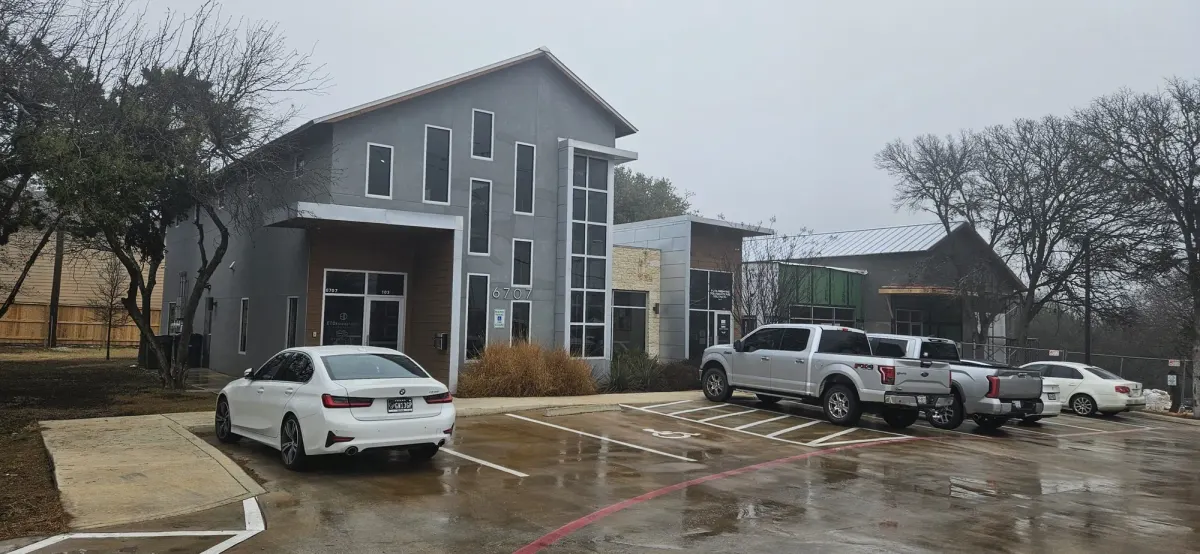 Outpatient
 San Antonio, TX
6707 W Hausman Rd · 78249
- Outpatient detox with scheduled medical visits
- Outpatient treatment
Outpatient Drug & Alcohol Detox in San Antonio
Dual Diagnosis Considerations During Opioid Detox
Taking the First Step Toward Opioid Recovery in Austin
Ready to Start Your Recovery in Austin?
If you or someone you love needs more than detox, Briarwood Detox Center also provides rehab in austin texas.
Briarwood Detox Center’s opiate opioid detox program provides medically supervised, evidence-based care.
Does your insurance cover detox in Austin?
Find out in about 2 minutes — free, confidential, no obligation.
Verify InsuranceBriarwood Detox Center offers medically supervised detox in Austin. Explore our locations, see the facility, and verify your insurance in minutes.
Ready to talk to someone now? Briarwood Detox Center's admissions team is here 24/7, and every call is confidential. Call (866) 710-7710. See our locationsWhat to Expect During Opioid Withdrawal: 2025 Clinical Update
Opioid withdrawal remains one of the most challenging phases of recovery, but understanding the process and the medications available can significantly ease the journey. At Briarwood Detox Center, our medically supervised detox programs in Austin, Houston, San Antonio, and Colorado Springs use evidence-based protocols to manage withdrawal symptoms safely and compassionately.
Timeline and Symptoms of Opioid Withdrawal
Withdrawal symptoms typically begin 6–12 hours after the last use of short-acting opioids (heroin, immediate-release prescription painkillers) or 24–48 hours for long-acting opioids (methadone, extended-release formulations). The acute phase lasts 5–10 days, though some psychological symptoms may persist for weeks.
- Early symptoms (6–24 hours): Anxiety, restlessness, muscle aches, sweating, insomnia, rapid heart rate
- Peak symptoms (48–72 hours): Nausea, vomiting, diarrhea, dilated pupils, goosebumps, severe cravings, abdominal cramping
- Late acute phase (5–10 days): Fatigue, depression, difficulty concentrating, lingering physical discomfort
While opioid withdrawal is rarely life-threatening in healthy adults, the intensity of symptoms leads many to relapse without medical support. Medically supervised detox dramatically improves completion rates and safety.
FDA-Approved Medications for Opioid Detox
Modern opioid detox protocols incorporate several classes of medications to address withdrawal symptoms and support long-term recovery:
Buprenorphine (Suboxone, Subutex)
A partial opioid agonist that relieves withdrawal symptoms and cravings without producing euphoria. Buprenorphine is the gold standard for medication-assisted treatment (MAT) and can be continued after detox for ongoing maintenance. Our clinical team uses micro-dosing protocols to safely transition patients from fentanyl and other high-potency opioids.
Methadone
A long-acting full opioid agonist administered in controlled clinical settings. While highly effective, methadone requires specialized licensing and daily dosing supervision, making it less common in short-term detox settings.
Naltrexone (Vivitrol)
An opioid antagonist that blocks the effects of opioids and reduces cravings. It can only be started after complete detoxification (typically 7–10 days opioid-free) and is available as a daily pill or monthly injection. Naltrexone is an excellent option for patients who prefer non-opioid maintenance therapy.
Clonidine
An alpha-2 adrenergic agonist that reduces many autonomic withdrawal symptoms including sweating, rapid heart rate, anxiety, and muscle aches. Clonidine is often used in combination with buprenorphine or as part of non-opioid detox protocols.
Comfort Medications
Additional medications address specific symptoms: ondansetron or promethazine for nausea, loperamide for diarrhea, NSAIDs or acetaminophen for pain, hydroxyzine or trazodone for anxiety and sleep. Our physicians create individualized symptom-management plans for each patient.
The Briarwood Approach to Opioid Detox
At Briarwood Detox Center, we combine 24/7 medical supervision, evidence-based medications, and compassionate care to make opioid withdrawal as safe and comfortable as possible. Our protocol includes:
- Comprehensive medical and psychiatric assessment upon admission
- Individualized medication plans based on opioid type, duration of use, and co-occurring conditions
- Around-the-clock nursing care and physician oversight
- Nutritional support and hydration management
- Individual counseling and relapse-prevention planning
- Coordination with outpatient treatment providers for seamless transitions
Our inpatient detox program in Austin provides the highest level of medical care in a private, comfortable setting. For patients who are medically stable with strong home support, our outpatient detox programs in Austin, Houston, San Antonio, and Colorado Springs offer flexible scheduling with daily or several-times-weekly visits.
Why Medical Supervision Matters
Attempting opioid detox without medical support carries significant risks. Studies show that medically supervised detox increases treatment completion rates by over 60% compared to unsupervised withdrawal attempts. Medical supervision also:
- Reduces the risk of severe dehydration and electrolyte imbalances
- Manages co-occurring mental health conditions (depression, anxiety, PTSD) that often intensify during withdrawal
- Identifies and treats medical complications early
- Provides psychiatric stabilization for patients with suicidal ideation
- Connects patients to ongoing treatment, drastically reducing relapse rates
For patients with a history of seizures, cardiovascular disease, or polysubstance use (especially benzodiazepines or alcohol), inpatient detox is strongly recommended.
Insurance and Admissions
Briarwood Detox Center accepts most major insurance plans, and our admissions team provides free, confidential verification of benefits. We are in-network with many Texas and Colorado insurers and can often arrange single-case agreements for out-of-network coverage. Call us 24/7 at (866) 710-7710 to speak with an admissions specialist.
Frequently Asked Questions: Opioid Detox
How long does opioid detox take?
The acute withdrawal phase typically lasts 5–10 days, though the exact timeline depends on the type of opioid, duration of use, and individual physiology. Short-acting opioids (heroin, oxycodone) produce faster but more intense withdrawal, while long-acting opioids (methadone) have a delayed onset but longer duration. Our inpatient detox programs typically last 5–7 days; outpatient detox may extend 10–14 days with tapering protocols.
Is opioid withdrawal dangerous?
Opioid withdrawal is rarely life-threatening in otherwise healthy adults, but it can be extremely uncomfortable and carries indirect risks. Severe vomiting and diarrhea can lead to dehydration and electrolyte imbalances. Patients with underlying heart conditions may experience complications from elevated heart rate and blood pressure. The psychological distress of withdrawal also increases suicide risk. Medical supervision ensures safety and significantly improves comfort and completion rates.
Can I detox from opioids at home?
At-home opioid detox is not recommended due to the severity of withdrawal symptoms and high relapse risk. Over 90% of unsupervised detox attempts end in relapse within the first week. Medically supervised detox—whether inpatient or outpatient—provides access to prescription medications that dramatically reduce symptoms, 24/7 support, and seamless connection to ongoing treatment. If you are considering detox, call Briarwood at (866) 710-7710 to discuss the safest options for your situation.
Will I need medication after detox?
Many patients benefit from continued medication-assisted treatment (MAT) after detox. Buprenorphine and naltrexone both reduce cravings and relapse risk when combined with counseling and support groups. The decision to continue MAT is individualized based on your history, recovery goals, and risk factors. Our clinical team will work with you to develop a comprehensive aftercare plan, including referrals to outpatient providers who can prescribe and monitor maintenance medications.
Does insurance cover opioid detox?
Most private insurance plans, including Aetna, Cigna, Blue Cross Blue Shield, United Healthcare, and others, cover medically necessary detoxification services. Coverage varies by plan, but many policies cover inpatient detox at 70–100% after deductible. Our admissions team provides free, confidential insurance verification and will explain your benefits, estimated out-of-pocket costs, and payment options before admission. Call (866) 710-7710 anytime to get started.
Related Resources
- Expert Withdrawal Management Services: What to Expect
- How to Ease Morphine Withdrawal Symptoms
- Heroin Withdrawal Timeline: What to Expect
- Tramadol Addiction: Signs, Withdrawal, and Treatment
- Understanding Rapid Detox
- Debunking MAT Myths: Safe, Effective Medication-Assisted Treatment
- Gallus Accelerated Micro-Induction Protocol for Fentanyl Detox
Ready to start your recovery? Briarwood Detox Center is here 24/7. Call (866) 710-7710 for a free, confidential assessment.
Related guides


About the people behind this guide
Anna-Grace Washington
Medical Content Writer
Anna-Grace Washington is a Medical Content Writer for Briarwood Detox Center. She holds a master’s degree in clinical psychology from the University of Texas and brings a strong understanding of behavioral health, addiction recovery, and evidence-based treatment concepts to her writing.
Dr. Robert Ulrich, DO
Medical Director
Dr. Robert Ulrich serves as Medical Director at Briarwood Detox Center, bringing more than two decades of clinical neurology experience to the treatment of substance use disorders. He is board-certified in neurology by the American Board of Psychiatry and Neurology and completed his neurology residency at UT Southwestern Medical Center in Dallas, where he served as Chief Resident.
In network with most major insurance
Find your plan and see what detox would cost
Most plans cover medical detox. Coverage varies by plan, so we verify it for you before you commit to anything.


















Don't see your plan? We work with out-of-network benefits and offer self-pay options — (866) 710-7710
- Confidential
- Takes about 2 minutes
- No obligation to admit

- Accredited The Joint Commission
- Rated 4.7 · 183 Google reviews Flourishing Foundations Recovery, now part of Briarwood
- Admissions 24 hours a day