
Guide
Active Addiction and Fentanyl: Practical Addiction Recovery Resources for the Next 24 Hours
Joint Commission accredited · In network with most major insurance · Admissions answered 24 hours a day

Published February 7, 2026
Reviewed and updated July 29, 2026
Key Takeaways · 6 points
- Clarify what counts as recovery resources and how “recovery capital” helps.
- Start with safety, crisis support, and knowing when detox is the first step.
- Build a 4-step Austin recovery plan and follow a simple 30-day outline.
- Use Texas recovery support services and remove barriers that block follow-through.
- Know when residential treatment may help and what to ask about step-down planning.
- Make recovery sustainable with school, family, and a plan for the hard hour.
Break Free from Addiction. Detox Safely in Austin Today.
Medically Supervised Detox – Compassionate Care Starts Here.
When someone is in active addiction, “getting help” can feel too big to start. However, the right resources can shrink the problem into the next safe step. This is especially true with fentanyl, because the risk of overdose can rise fast and without warning.
This guide is a resource-first roadmap for people living in active addiction and for families who are trying to help. It focuses on what to do today, what to prepare for tomorrow, and how to move from crisis to care with fewer delays. Although fentanyl addiction treatment may include several levels of care, the first priority is safety and a realistic plan you can follow.
If you are worried about immediate danger, treat it like an emergency. Call 911 in the U.S. right away if someone is unresponsive, has slowed breathing, or you cannot wake them. Then, use the steps below to keep things as safe as possible until help arrives.



















What “Active Addiction” Means and Why Resources Matter
Active addiction means substance use is currently continuing, even when it causes harm. It often includes strong cravings, loss of control, and continued use despite consequences. Because of that, willpower alone is rarely enough to change the pattern.
Resources matter because they remove friction. For example, a person may be willing to accept help at 9 a.m., but not at 9 p.m. So, having phone numbers, a plan, and transportation options ready can turn a brief window into real action.
In fentanyl-related situations, resources also reduce risk. Fentanyl can be involved even when someone thinks they are using something else. As a result, planning for overdose response is not pessimistic; it is practical.
Use the rest of this article as a checklist. Also, share it with one trusted person. That way, you are not carrying the whole plan alone.
Where we are
Detox centers across Texas
Three locations, each with its own admissions line and its own clinical team. Pick the one nearest you — or call and we will tell you which has a bed tonight.
-
 Inpatient
 Austin, TX
11711 N Lamar Blvd · 78753
- 15 beds
- On-site labs
- 24-hour medical staff
Drug & Alcohol Detox in Austin, TX
-
 Inpatient
 Houston, TX
1019 Ashland St · 77008
- On-site labs
- 24-hour medical staff
Drug Detox Center in Houston, TX
-
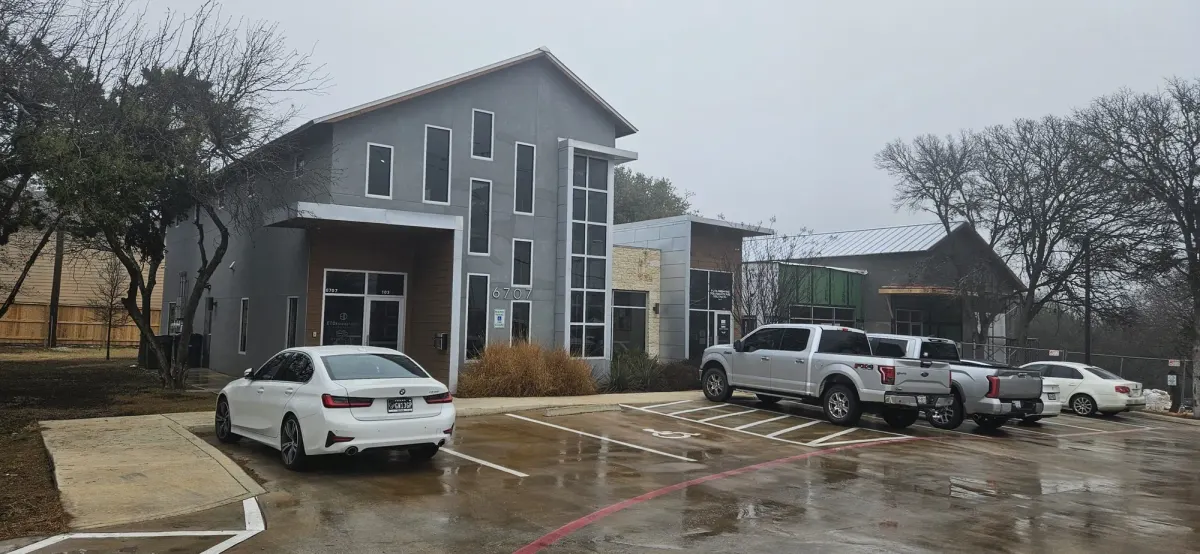 Outpatient
 San Antonio, TX
6707 W Hausman Rd · 78249
- Outpatient detox with scheduled medical visits
- Outpatient treatment
Outpatient Drug & Alcohol Detox in San Antonio
Immediate Safety Resources for Fentanyl Risk and Overdose
If fentanyl exposure is possible, your first resource is knowledge of the warning signs. In many opioid overdoses, breathing becomes slow, shallow, or stops. Skin may look pale or blue, especially around lips and fingertips. The person may be limp, choking, gurgling, or cannot be woken.
A second key resource is naloxone. Naloxone can rapidly reverse an opioid overdose when given in time. It is designed to block opioids at the receptor level, which can restore breathing. You can learn how naloxone works and why it is used from the National Institute on Drug Abuse here: NIDA.
During an emergency, call 911 first, then give naloxone if you have it. Next, stay with the person. If you can, lay them on their side in a recovery position to reduce choking risk. Then, monitor breathing until emergency help arrives.
Just as important, do not assume the person is “fine” after they wake up. Naloxone can wear off before opioids do. Therefore, re-sedation and breathing problems can return, which is why medical evaluation is critical.
Outside an emergency, the best safety plan is proactive. Keep naloxone where it is easy to grab. Also, make sure at least two people know where it is stored. If you are supporting someone in active addiction, discuss a simple agreement: “If you are using, I will keep naloxone nearby and call for help if you stop breathing.” This is a safety boundary, not a moral judgment.
Turning a Crisis Into a Care Plan: How to Enter Treatment Faster
Many families get stuck because they do not know what to ask for. So, here is a practical way to frame the next step: “We need a medically supervised detox plan, then a step-down plan.” That language keeps the focus on safety and continuity.
When fentanyl is involved, withdrawal can be intense and unpredictable. Because of that, many people do better with medical monitoring, symptom management, and structured support. In addition, supervised detox can reduce the risk of immediate relapse that happens when symptoms spike at home.
To move faster, prepare these items before you call anywhere:
- Full name and date of birth
- Insurance information, if available
- Substances used, approximate amounts, and last use time (best estimate is fine)
- Current medications and known medical conditions
- Recent overdose events, if any
- A safe contact person who can help with logistics
Then, use a single clear question: “Do you have an admissions process that can screen today?” A clear, simple admissions pathway can lower delays and confusion. Briarwood’s admissions page is here: Admissions.
Also, if you need a broader directory to understand what exists in your area, SAMHSA provides a national opioid treatment program directory. You can use it to locate options and confirm availability patterns: Opioid treatment program directory (SAMHSA).
Finally, keep expectations realistic. In active addiction, ambivalence is common. So, avoid debates. Instead, offer two choices: “We can call now, or we can call in one hour.” Either option keeps momentum.
Recovery Resources After Detox: Reducing Relapse Risk in the First 30 Days
Detox is a beginning, not an endpoint. After detox, the brain and body are still stabilizing, which can increase cravings and impulsivity. Therefore, the most helpful resources are the ones that add structure, accountability, and connection.
Start with a simple weekly framework:
- One medical follow-up plan (medication, sleep, pain, mental health support)
- One therapy or counseling track, if available
- Peer support or recovery meetings several times per week
- A daily routine that includes sleep, meals, movement, and accountability
Next, make the environment safer. For example, reduce contact with people linked to using. Also, remove items that cue use when possible. If that is not possible immediately, create a “safe zone” in the home where the person can decompress without triggers.
Family support is a resource too, but it works best with boundaries. A boundary is not punishment. Instead, it is a plan that protects everyone. For example: “I will help you get to appointments, but I will not provide cash.” That kind of clarity reduces chaos and resentment.
If you want a neutral, public resource on how treatment and recovery typically work over time, the National Institute on Drug Abuse summarizes evidence-based principles here: Treatment recovery (NIDA).
Most importantly, plan for the first high-risk moments: stress, conflict, and isolation. Write a three-step “urge plan” on paper. Then, keep it visible. For example: “1) Call a person, 2) Change location, 3) Use coping skill for 10 minutes.” Small steps can interrupt a spiral.
Texas-Based Support Through Briarwood Detox Center Locations
If you are in Texas and fentanyl is part of the picture, a fast, medically supported start can matter. Briarwood Detox Center provides medically supervised detox services designed to stabilize the body, reduce withdrawal distress, and help you plan what comes next.
If you are looking for a location-based entry point, you can explore the nearest Texas options here:
Whether you are in active addiction yourself or trying to help someone you love, the goal is the same: reduce immediate risk and build a step-by-step care plan. That plan can start with one phone call, one ride, and one safe place to stabilize.
If you are ready to talk through next steps, availability, and what a medically supervised detox plan may look like, use this direct call option: Call our admissions team today at (866) 710-7710.
What to Expect When You Start Fentanyl Detox and Build a Recovery Plan
Briarwood Detox can support fentanyl addiction treatment by offering medically supervised detox care that focuses on safety, comfort, and stabilization during withdrawal. Because fentanyl withdrawal can be intense and unpredictable, a structured setting with clinical monitoring can help reduce complications and support safer symptom management. In addition, Briarwood’s admissions team can help you understand next steps after detox, including treatment planning that supports long-term recovery goals. If you are in active addiction, having a clear plan for the first 24–72 hours can make it easier to move from crisis to care without delays. Briarwood also helps families navigate the process by explaining what to expect, what to bring, and how insurance verification works.
Moreover, compassionate support and clear communication can help reduce confusion during a stressful time. Most importantly, detox is treated as the first step in a broader recovery path, so you leave with guidance that supports stability after discharge. If you are ready to take action, Briarwood can help you explore appropriate options based on your symptoms, history, and immediate safety needs.
Frequently Asked Questions About Fentanyl Addiction Treatment and Austin Detox Support
What is fentanyl addiction treatment, and how does it usually start in Austin, Texas?+–
Fentanyl addiction treatment is a structured plan that typically begins with medically supervised detox to manage withdrawal safely and reduce overdose risk. In Austin, detox support focuses on stabilizing breathing, sleep, hydration, and cravings while a longer-term treatment plan is built. Because fentanyl can be extremely potent, starting with medical monitoring can be the safest first step. For immediate next steps, you can contact our team to discuss detox and treatment planning.
How long does fentanyl withdrawal last, and when do symptoms peak?+–
Fentanyl withdrawal often begins within hours to a day after the last use, and symptoms commonly peak over the first several days. Many people feel the most intense symptoms around days 2–4, while sleep disruption and mood symptoms can last longer. The timeline varies based on dose, duration of use, and other substances involved. Medical detox can provide withdrawal help and monitoring when symptoms become hard to manage safely.
When should someone choose medical detox instead of trying to stop fentanyl at home?+–
Medical detox is recommended when withdrawal symptoms are severe, there is a history of overdose, or health and mental health risks make home detox unsafe. Fentanyl can produce intense cravings and rapid relapse risk, which can increase overdose danger after a brief period without use. If you are unsure, it is safer to get screened by a detox team and make a plan based on symptoms and risk factors. In Austin, call (866) 710-7710 to discuss detox support and safety screening.
What are the most common fentanyl withdrawal symptoms that signal you need urgent help?+–
Urgent help is needed when breathing becomes slow or irregular, the person cannot stay awake, or confusion and severe agitation escalate quickly. Serious dehydration from vomiting or diarrhea, chest pain, or fainting can also require immediate medical attention. Withdrawal can also trigger severe anxiety, panic, or suicidal thoughts, which should be treated as urgent. If you believe someone is in immediate danger, call 911.
What should I bring to detox in Austin for fentanyl withdrawal and stabilization?+–
Bring a government ID, insurance card, a list of medications, and basic clothing that is comfortable and easy to layer. Include contact information for an emergency contact and any recent medical paperwork you have. If possible, note the last use time and any other substances used, because this helps guide withdrawal help and medication decisions. For a practical checklist, review what to bring for detox and admission.
How does insurance verification work for fentanyl detox and recovery resources?+–
Insurance verification checks what your plan may cover for detox, including medical monitoring, length of stay, and required authorizations. The process usually takes minutes and requires basic details like member ID, date of birth, and the insurance provider name. Verification helps you understand likely out-of-pocket costs before admission so treatment planning can move faster. You can verify your insurance coverage and admissions options.
What happens after detox for fentanyl addiction, and what are the next steps?+–
After detox, the next steps usually include a structured plan to reduce relapse risk through therapy, recovery support, and ongoing clinical follow-up. Fentanyl cravings and sleep or mood symptoms can continue, so aftercare planning is a key recovery resource, not an extra. A strong plan includes triggers management, a daily routine, and follow-up appointments scheduled before discharge. For planning support, contact our team to discuss next steps after detox.
Can medication-assisted treatment be part of fentanyl addiction treatment during or after detox?+–
Medication-assisted treatment can be part of fentanyl addiction treatment by reducing cravings and lowering relapse risk when clinically appropriate. Medications may be started during detox or planned immediately after detox based on symptoms, medical history, and safety considerations. MAT works best when combined with counseling, recovery structure, and accountability. A detox screening helps determine the safest medication approach and timing.
What should families in Austin do if a loved one refuses help but is in active addiction?+–
The most helpful first step is to focus on safety and a simple, repeatable offer of support rather than arguments or pressure. In active addiction, people often have brief windows of willingness, so having an admissions plan ready can make action easier when that moment arrives. Families can also set clear boundaries that reduce risk, like not providing cash while still offering transportation and support for treatment entry. For Austin-focused guidance, call (866) 710-7710 to discuss practical next steps and planning.
What are Austin recovery resources that support long-term stability after fentanyl detox?+–
Austin recovery resources that support long-term stability include structured follow-up care, therapy, recovery meetings, sober supports, and routine-building tools that reduce isolation. The strongest detox support plans also include relapse prevention skills, stress management, and a clear plan for cravings or triggers. Recovery resources work best when they are scheduled and specific, such as appointment times, meeting times, and daily check-ins. A coordinated discharge plan can connect detox to the next level of care with fewer gaps.
Related guides


About the people behind this guide
Anna-Grace Washington
Medical Content Writer
Anna-Grace Washington is a Medical Content Writer for Briarwood Detox Center. She holds a master’s degree in clinical psychology from the University of Texas and brings a strong understanding of behavioral health, addiction recovery, and evidence-based treatment concepts to her writing.
Dr. Robert Ulrich, DO
Medical Director
Dr. Robert Ulrich serves as Medical Director at Briarwood Detox Center, bringing more than two decades of clinical neurology experience to the treatment of substance use disorders. He is board-certified in neurology by the American Board of Psychiatry and Neurology and completed his neurology residency at UT Southwestern Medical Center in Dallas, where he served as Chief Resident.
In network with most major insurance
Find your plan and see what detox would cost
Most plans cover medical detox. Coverage varies by plan, so we verify it for you before you commit to anything.



















Don't see your plan? We work with out-of-network benefits and offer self-pay options — (866) 710-7710
- Confidential
- Takes about 2 minutes
- No obligation to admit

- Accredited The Joint Commission
- Rated 4.7 · 183 Google reviews Flourishing Foundations Recovery, now part of Briarwood
- Admissions 24 hours a day