
Guide
Can You Detox from Opioids and Benzodiazepines at the Same Time at an Austin Detox Center?
Joint Commission accredited · In network with most major insurance · Admissions answered 24 hours a day


Published May 11, 2026
Reviewed and updated July 29, 2026
Why Opioid and Benzo Withdrawal Is More Dangerous Together
- Seizure risk increases significantly during benzo withdrawal and can be compounded by the physical stress of opioid withdrawal
- Cardiovascular strain from opioid withdrawal can be dangerous in someone whose body is also destabilized by benzo withdrawal
- Psychological symptoms — anxiety, paranoia, panic, depression — intensify when both substances are leaving the system at once
- Sleep deprivation becomes extreme, and the body's ability to regulate itself is severely compromised
- Relapse risk spikes when withdrawal symptoms become unbearable without medical management
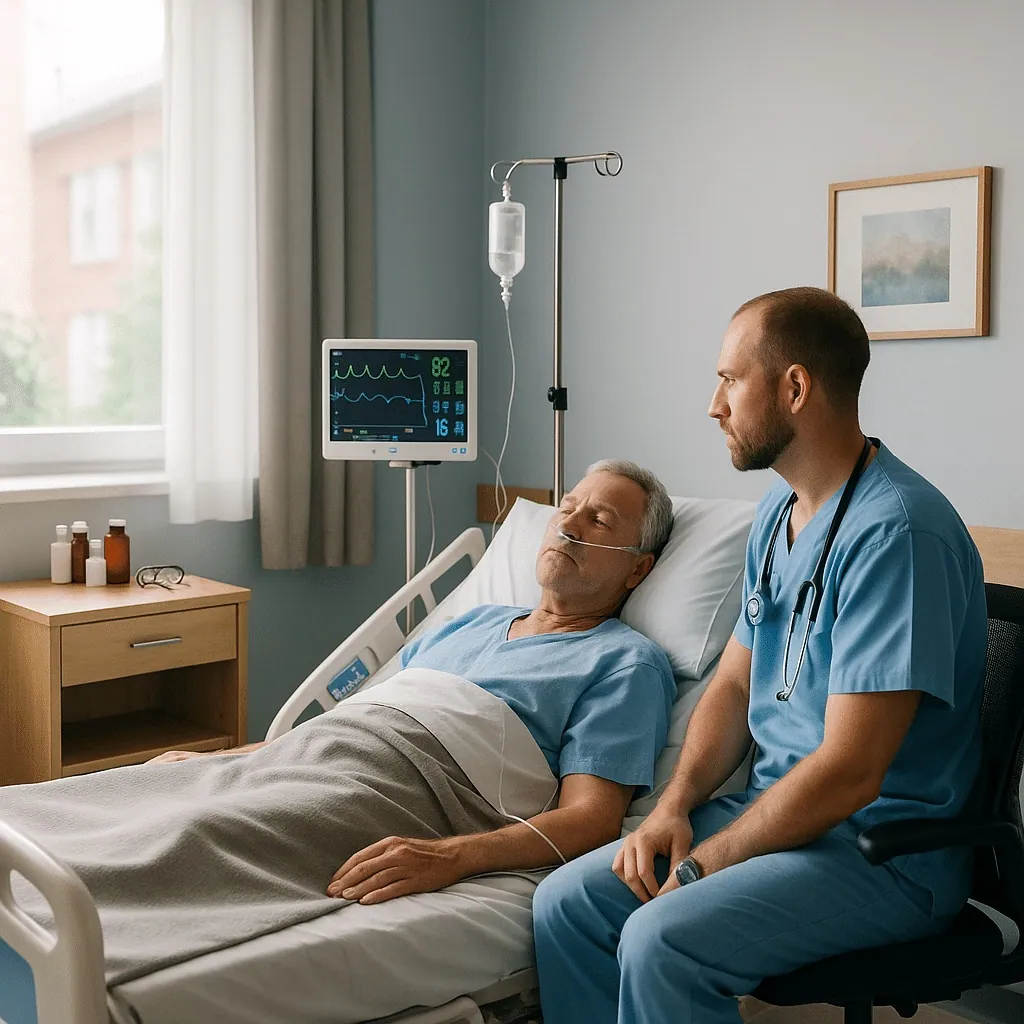
This is why opioid-benzo detox in Austin — or anywhere — must take place under continuous medical supervision.
What Polydrug Detox Actually Looks Like in a Medical Setting
Where we are
Detox centers across Texas
Three locations, each with its own admissions line and its own clinical team. Pick the one nearest you — or call and we will tell you which has a bed tonight.
-
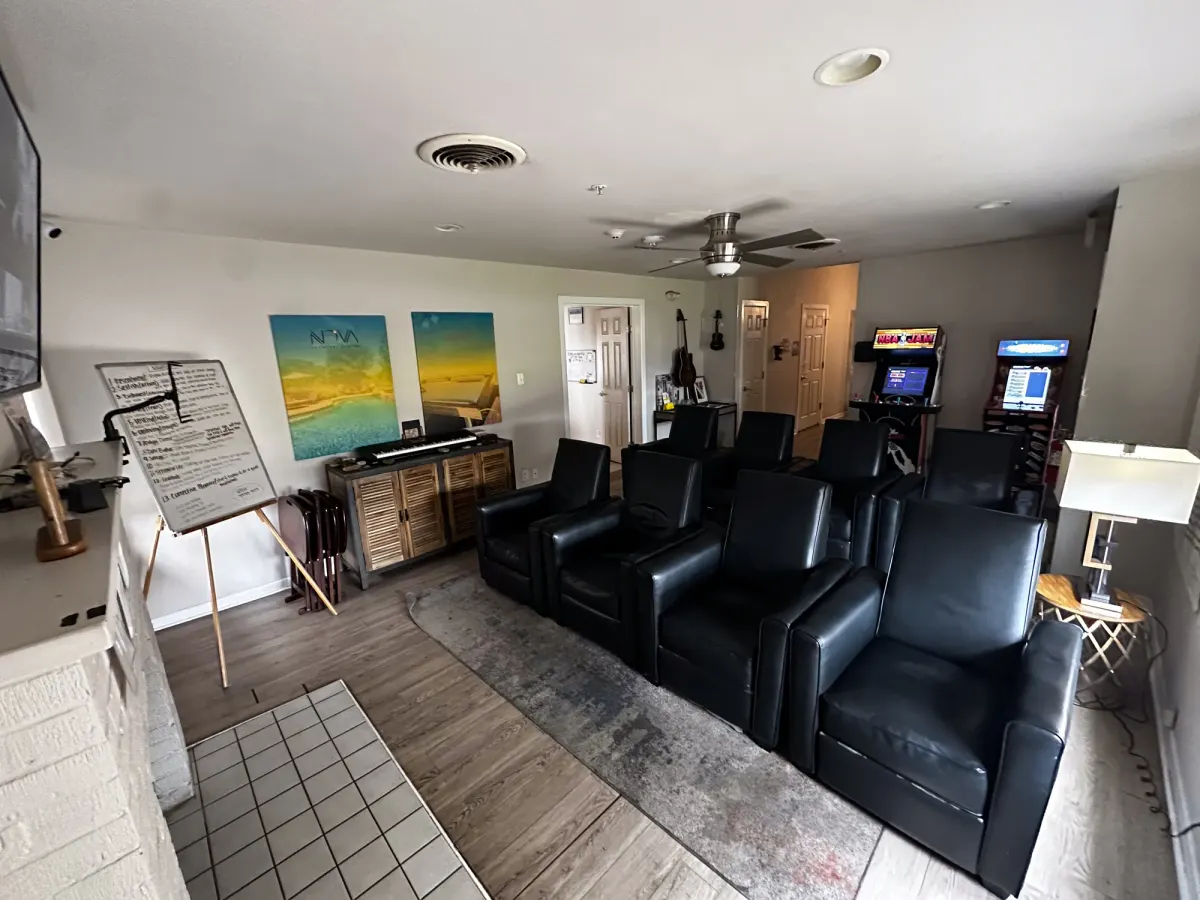 Inpatient
 Austin, TX
11711 N Lamar Blvd · 78753
- 15 beds
- On-site labs
- 24-hour medical staff
Drug & Alcohol Detox in Austin, TX
-
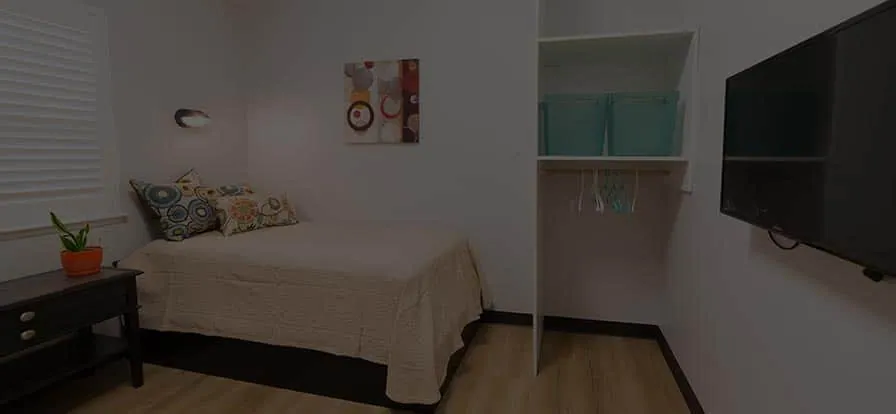 Inpatient
 Houston, TX
1019 Ashland St · 77008
- On-site labs
- 24-hour medical staff
Drug Detox Center in Houston, TX
-
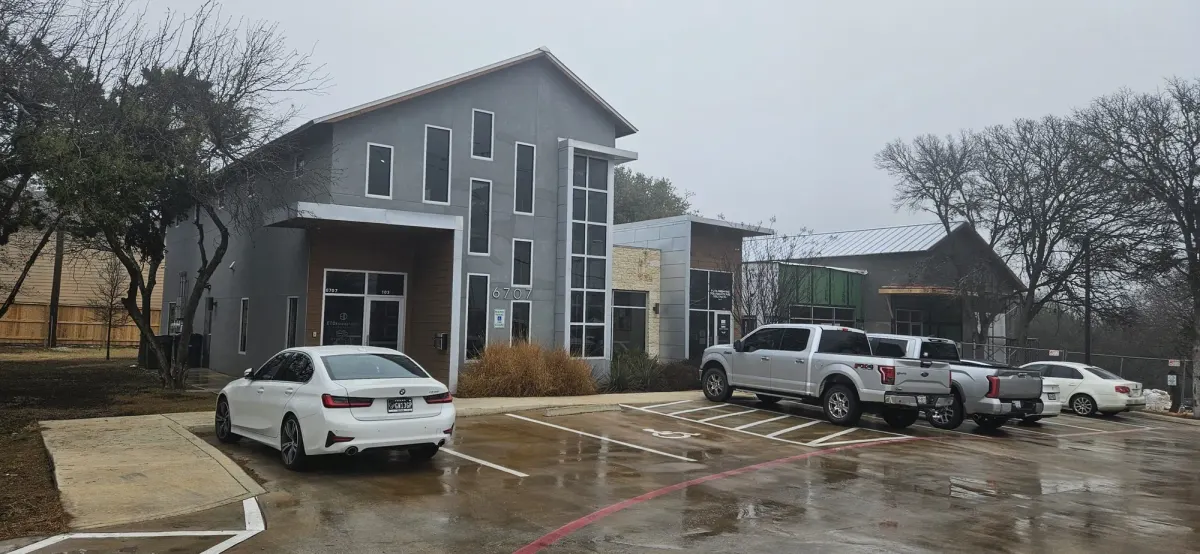 Outpatient
 San Antonio, TX
6707 W Hausman Rd · 78249
- Outpatient detox with scheduled medical visits
- Outpatient treatment
Outpatient Drug & Alcohol Detox in San Antonio
How Long Does Dual Substance Detox Take?
There's no single answer to this question — it genuinely depends on the individual. But here are some general timelines to give you a realistic picture:
- Opioid withdrawal typically begins within 6-24 hours of the last dose (depending on whether short-acting or long-acting opioids were used) and peaks around 48-72 hours. Acute symptoms often resolve within 5-7 days, though post-acute withdrawal syndrome (PAWS) can linger for weeks or months.
- Benzodiazepine withdrawal is much more variable. Short-acting benzos like Xanax can trigger withdrawal symptoms within 6-12 hours. Longer-acting benzos like Valium or Klonopin may not produce noticeable withdrawal for several days after stopping. A full benzo taper in a medical setting can take 2-4 weeks or longer, depending on the dose and duration of use.
When you're managing both simultaneously, the medical team has to coordinate these timelines carefully — often prioritizing benzo stabilization first because of the seizure risk, while simultaneously addressing opioid withdrawal discomfort. Your total time in detox may be longer than someone dealing with a single substance, but that time is absolutely necessary for your safety.
Who Needs Dual Substance Detox in Austin?
Polydrug use involving opioids and benzodiazepines is more common than many people realize. It affects:
- People prescribed both substances by one or more doctors for pain management and anxiety
- Individuals who began using one substance recreationally and added another to cope with withdrawal or anxiety
- People who use heroin or fentanyl alongside benzodiazepines like Xanax or Klonopin
- Those who use prescription opioids like oxycodone or hydrocodone combined with prescribed or unprescribed benzodiazepines
If any of this sounds familiar, you are not alone — and you are not beyond help. What's important is that you seek out a facility that has the clinical capability to manage this level of complexity. Not all detox programs are equipped to do so. Briarwood Detox Center in Austin specializes in drug detox in Austin for exactly these kinds of complex, multi-substance situations. Our medical team has experience navigating polydrug withdrawal safely and compassionately, and our goal is always to get you through detox as comfortably and safely as possible.
Why Trying to Detox at Home Is Especially Risky with Both Substances
It bears repeating: attempting to stop opioids and benzodiazepines on your own — even with the best intentions — can be fatal. This isn't meant to frighten you. It's meant to be honest with you. Benzo withdrawal carries a real risk of grand mal seizures, which can occur without warning and can lead to serious injury or death. Even people who have detoxed from benzos before without major complications can experience a more severe withdrawal the next time, a phenomenon known as kindling. Opioid withdrawal, while rarely fatal on its own, creates intense cravings and physical misery that dramatically increase the risk of relapse — and in the age of fentanyl, a single relapse after a period of abstinence can be fatal due to reduced tolerance.
If you or someone you love is using both opioids and benzodiazepines and is ready to stop, please reach out to a medical professional or a qualified detox center before making any changes to your use.
What Happens After Detox? Building a Foundation for Recovery
Detox is the beginning, not the end. Once your body has safely cleared these substances and your nervous system begins to stabilize, the real work of recovery begins. Completing detox opens the door to the next phase — and that next phase is critical to long-term success. Many people transitioning out of polydrug detox benefit from:
- Residential treatment (inpatient rehab) — for structured, immersive care in the weeks immediately following detox
- Intensive Outpatient Programs (IOP) — offering therapy and support while allowing you to live at home or in a sober living environment
- Medication-Assisted Treatment (MAT) — continuing medications like buprenorphine to reduce cravings and prevent relapse
- Individual therapy and counseling — addressing the underlying trauma, anxiety, pain, or mental health conditions that contributed to substance use
- 12-step programs and peer support — community-based recovery support through groups like NA (Narcotics Anonymous) or other peer programs
Taking the First Step Toward Safe Detox in Austin
Frequently Asked Questions
Is it safe to detox from opioids and benzodiazepines at the same time?+–
It can be done safely, but only under continuous medical supervision at a qualified detox facility. Both opioid and benzodiazepine withdrawal carry serious risks on their own — together, they can increase the likelihood of seizures, cardiovascular stress, and severe psychological symptoms. Attempting to detox from both substances at home is extremely dangerous and should never be attempted without medical oversight.
What medications are used during opioid and benzo detox?+–
Medical teams typically use a long-acting benzodiazepine taper (such as diazepam) to manage benzo withdrawal and reduce seizure risk, while opioid withdrawal is often managed with buprenorphine, clonidine, or methadone. Additional comfort medications may be prescribed to address nausea, muscle pain, anxiety, insomnia, and elevated blood pressure. Every treatment plan is individualized based on your specific history and needs.
How long does dual substance detox from opioids and benzos take?+–
The timeline varies significantly depending on how long you've been using each substance and the doses involved. Opioid withdrawal typically peaks within 48-72 hours and resolves within 5-7 days. Benzodiazepine withdrawal, especially with a taper, can take 2-4 weeks or longer. When managing both, expect your detox stay to be longer than a single-substance detox.
Can I detox from benzos and opioids on my own at home?+–
No — this is one of the most dangerous withdrawal combinations to attempt without medical help. Benzodiazepine withdrawal can cause life-threatening seizures, and opioid withdrawal creates intense cravings and physical distress that dramatically increase relapse risk. In the era of fentanyl, relapse after even a short period of abstinence can be fatal due to reduced tolerance. Please contact a medical detox center before making any changes.
Does Briarwood Detox Center in Austin handle polydrug withdrawal?+–
Yes. Briarwood Detox Center in Austin, Texas specializes in medically supervised detox for complex multi-substance situations, including combined opioid and benzodiazepine dependence. Our clinical team is experienced in managing polydrug withdrawal safely and provides 24/7 monitoring throughout the detox process. You can reach us at (866) 710-7710 to discuss your specific situation.
What comes after detox for someone who was using both opioids and benzos?+–
After completing medical detox, most people benefit from a structured level of continuing care — such as residential treatment, an Intensive Outpatient Program (IOP), or medication-assisted treatment (MAT). Individual therapy, peer support groups, and dual diagnosis treatment for co-occurring mental health conditions are also important parts of long-term recovery. Your detox team can help connect you with the right next step based on your needs. Call Now: (866) 710-7710 Ready to Start Your Recovery in Austin? If you or someone you love needs more than detox, Briarwood Detox Center also provides alcohol rehab austin . Briarwood Detox Center’s benzo detox program provides medically supervised, evidence-based care. Does your insurance cover detox in Austin? Find out in about 2 minutes — free, confidential, no obligation. Verify Insurance Briarwood Detox Center offers medically supervised detox in Austin. Explore our locations, see the facility, and verify your insurance in minutes. Ready to talk to someone now? Briarwood Detox Center's admissions team is here 24/7, and every call is confidential. Call (866) 710-7710 . See our locations
Related guides

About the people behind this guide
Anna-Grace Washington
Medical Content Writer
Anna-Grace Washington is a Medical Content Writer for Briarwood Detox Center. She holds a master’s degree in clinical psychology from the University of Texas and brings a strong understanding of behavioral health, addiction recovery, and evidence-based treatment concepts to her writing.
Dr. Robert Ulrich, DO
Medical Director
Dr. Robert Ulrich serves as Medical Director at Briarwood Detox Center, bringing more than two decades of clinical neurology experience to the treatment of substance use disorders. He is board-certified in neurology by the American Board of Psychiatry and Neurology and completed his neurology residency at UT Southwestern Medical Center in Dallas, where he served as Chief Resident.
In network with most major insurance
Find your plan and see what detox would cost
Most plans cover medical detox. Coverage varies by plan, so we verify it for you before you commit to anything.



















Don't see your plan? We work with out-of-network benefits and offer self-pay options — (866) 710-7710
- Confidential
- Takes about 2 minutes
- No obligation to admit

- Accredited The Joint Commission
- Rated 4.5 · 95 Google reviews
- Admissions 24 hours a day