
Guide
Why Do Opioids Affect Heart Rate in Austin, TX?
Joint Commission accredited · In network with most major insurance · Admissions answered 24 hours a day


Published February 4, 2026
Reviewed and updated July 29, 2026
Key Takeaways · 5 points
- Opioids can slow the central nervous system and change heart rate by increasing vagal tone and lowering blood pressure. These effects explain why some people feel lightheaded, weak, or notice a very slow pulse when using opioids, especially at higher doses or in combination with other depressants.
- Hydromorphone is a potent inpatient opioid that can cause both slow and rapid heart rate, making close monitoring essential. Because it is several times stronger than morphine and can trigger serious drops in blood pressure and breathing, medical teams track heart rate, oxygen levels, and symptoms very carefully when hydromorphone is part of someone’s recent history.
- Opioid withdrawal often leads to a fast heart rate and elevated blood pressure as the body rebounds from long‑term opioid use. This stress response can be especially risky for people with existing heart disease or high blood pressure, which is why supervised detox is safer than stopping opioids abruptly at home.
- Overdose from opioids reduces breathing and oxygen levels first, and heart problems such as arrhythmias and cardiac arrest can follow. Low oxygen, slow heart rate, and non‑shockable cardiac rhythms are common in severe overdose, so immediate emergency care is critical when someone is unresponsive or breathing very slowly.
- Medically supervised detox at Briarwood Detox Center in Austin, TX focuses on heart‑safe care for people using opioids, including hydromorphone. Vital‑sign monitoring, individualized medication plans, and coordination of next‑step treatment help reduce cardiac risk while giving patients a stable start toward recovery in the same city where they searched for substance abuse treatment Austin TX and other Austin drug treatment centers.
Break Free from Addiction. Detox Safely in Austin Today.
Medically Supervised Detox – Compassionate Care Starts Here.
Opioids do more than ease pain. They also slow and disrupt important automatic functions in the body, including breathing and heart rate. At higher doses or when misused, opioids can cause heart rate to drop, blood pressure to fall, and in some cases trigger dangerous rhythm changes.
In Austin and across Texas, opioids such as hydromorphone and fentanyl play a major role in emergency calls, overdoses, and hospitalizations.




















Local data show that opioid‑related overdoses and fatalities have risen over recent years, even as some newer efforts have started to lower death rates.
What Are Opioids and How Do They Affect the Body?
Opioids are medications or illicit drugs that bind to mu‑opioid receptors in the brain and spinal cord. They reduce pain, but they also slow many automatic processes, including breathing and heart rate.
Common opioid categories include:
- Prescription opioids: hydromorphone, oxycodone, hydrocodone, morphine, codeine
- Synthetic opioids: fentanyl and similar drugs
- Illicit opioids: heroin and counterfeit pills containing fentanyl
When used exactly as prescribed and for short periods, opioids can provide needed relief. Misuse, high doses, or mixing substances (such as opioids plus alcohol or benzodiazepines) sharply increases risk for overdose, low oxygen levels, and cardiac complications.
How opioids act on the nervous system
Opioids slow activity in the central nervous system. The same action that reduces pain also:
- Slows breathing
- Lowers blood pressure
- Can slow the heart’s natural pacemaker (the sinus node)
At higher doses, this can progress to very slow breathing, low oxygen levels, and dangerous changes in heart rhythm.
Types of opioids Austinites may encounter
People in Austin may be exposed to opioids in different ways:
- Pain prescriptions after surgery or injury
- Long‑term prescriptions for chronic pain
- Non‑medical use of pills obtained from friends, family, or the street
- Illicit opioids such as heroin or fentanyl‑containing pills
Potent medications like hydromorphone are usually used in hospitals or specialty settings but can still be misused, especially if pills or injections are diverted from medical use.
Why Opioids Change Heart Rate
The heart does not work in isolation. It is constantly responding to signals from the brain, hormones, and the autonomic nervous system. Opioids tap into these control systems.
Slower heart rate and lower blood pressure
Several mechanisms explain why opioids frequently cause a slow heart rate:
- They increase parasympathetic (vagal) tone, which slows the sinus node, the heart’s internal pacemaker.
- They cause vasodilation (widening of blood vessels), which can lower blood pressure and prompt the body to adjust heart rate.
- In some people, especially those with underlying heart conduction problems, opioids can trigger more pronounced bradycardia or pauses in the heartbeat.
Mild slowing may cause only fatigue or dizziness. More severe slowing can lead to fainting, falls, or, in the context of overdose, progression toward cardiac arrest.
When opioids are linked with a fast heartbeat
Opioids are more often associated with slow heart rate, but a fast heart rate (tachycardia) can appear in several situations:
- During withdrawal, when the sympathetic (“fight‑or‑flight”) system becomes overactive
- When opioids are combined with stimulants such as cocaine or methamphetamine
- When anxiety or panic develops after someone feels short of breath or lightheaded
In these settings the heart works harder, which can stress a heart that is already affected by long‑term opioid use, high blood pressure, or other conditions.
Where we are
Detox centers across Texas
Three locations, each with its own admissions line and its own clinical team. Pick the one nearest you — or call and we will tell you which has a bed tonight.
-
 Inpatient
 Austin, TX
11711 N Lamar Blvd · 78753
- 15 beds
- On-site labs
- 24-hour medical staff
Austin Medical Detox for Opioids & Hydromorphone
-
 Inpatient
 Houston, TX
1019 Ashland St · 77008
- On-site labs
- 24-hour medical staff
Houston Drug & Alcohol Detox Center
-
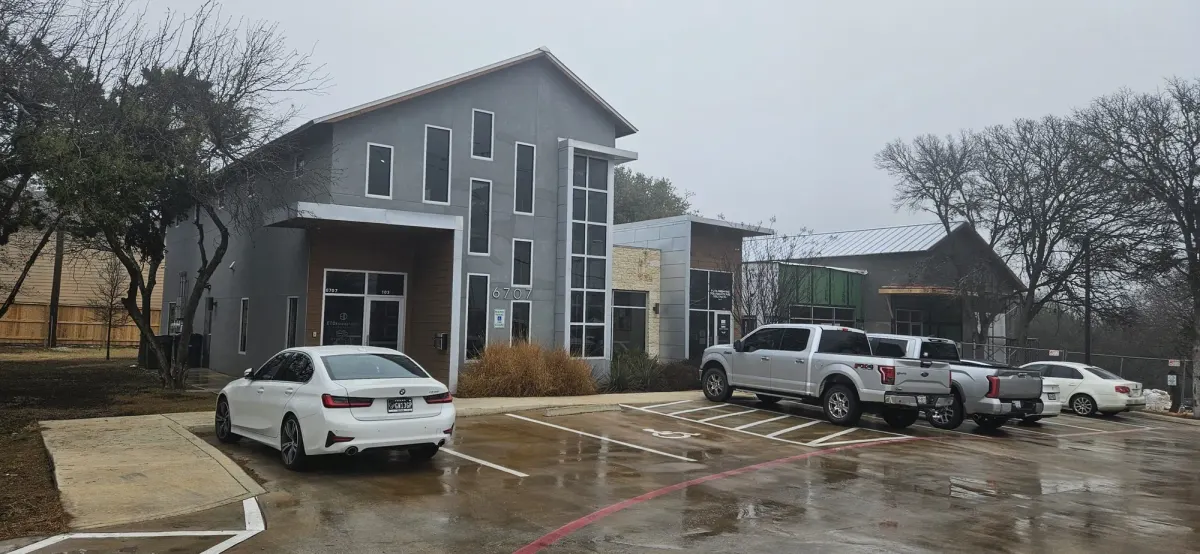 Outpatient
 San Antonio, TX
6707 W Hausman Rd · 78249
- Outpatient detox with scheduled medical visits
- Outpatient treatment
San Antonio Outpatient Drug & Alcohol Detox
Hydromorphone – A Potent Inpatient Opioid
Hydromorphone (often known by brand names such as Dilaudid) is a semi‑synthetic opioid typically used in hospitals to treat severe pain. It is several times more potent than morphine and is usually given by injection, IV pump, or tablet under close medical supervision.
How hydromorphone works
Hydromorphone binds strongly to mu‑opioid receptors, reducing pain signals and often producing sedation or a sense of calm. As dose increases, it also:
- Slows breathing
- Lowers blood pressure
- Can cloud thinking and reduce awareness of the environment
Because of its strength, hydromorphone is classified as a Schedule II controlled substance and carries a high risk of dependence and misuse.
Hydromorphone and heart rate changes
Hydromorphone can cause both slow and rapid heart rate. Typical listed side effects include slow heartbeat, rapid heartbeat, and changes in blood pressure. In overdose, blood pressure and heart rate can fall, sometimes to the point of shock or death from respiratory depression.
Case reports describe vagally mediated sinus pauses and marked decreases in heart rate in patients receiving hydromorphone, even when no prior conduction disease was known.
These risks are why inpatient use of hydromorphone typically involves:
- Careful dosing and re‑assessment
- Continuous or frequent checks of heart rate, blood pressure, and oxygen levels
- Rapid response if alarming changes appear
Why close monitoring matters during detox and transition
Many people arrive at detox after recent hospital stays or procedures where hydromorphone was used, or after misusing hydromorphone outside of medical directions. At Briarwood Detox Center, the team gathers a detailed medication history, including hydromorphone and other opioids, to understand:
- Current level of physical dependence
- How recently high‑risk medications were taken
- Any history of cardiac symptoms linked to opioid use
This information shapes the detox plan, including monitoring needs and the choice of medications that support withdrawal while minimizing added stress on the heart.
Opioids, Heart Rhythm, and Oxygen Levels
Opioids affect both the electrical system of the heart and the oxygen supply that the heart muscle relies on.
Arrhythmias and long‑term heart risks
Research links opioid use to several types of arrhythmias and electrical changes:
- Some opioids can prolong the QT interval, raising the risk of a dangerous rhythm called torsades de pointes.
- Chronic opioid use is associated with higher rates of heart failure, stroke, and heart attack, particularly when other risk factors are present.
- Injecting opioids increases the risk of infective endocarditis, a serious infection of heart valves that can permanently damage the heart and raise the chance of future cardiac events.
These issues often build over time, which is why routine medical care and early substance use treatment are important even before obvious symptoms appear.
Overdose, respiratory depression, and cardiac arrest
In overdose, opioids can slow breathing to the point that oxygen levels fall sharply. The heart, brain, and other organs cannot function without enough oxygen.
Typical overdose features include:
- Very slow or stopped breathing
- Pinpoint pupils
- Blue or gray lips and fingertips
- Slow heart rate and low blood pressure, often progressing to cardiac arrest
Many overdose‑related cardiac arrests show non‑shockable rhythms, meaning defibrillators alone are less effective without rapid airway support and reversal of the opioid’s effect.
Opioid Withdrawal, Detox, and Heart Rate Spikes
Not all risks appear while someone is actively taking opioids. Stopping suddenly can also strain the cardiovascular system.
Why heart rate rises in withdrawal
When opioids are removed, the body reacts with an overactive sympathetic response. These opioid withdrawal symptoms often include fast heart rate, elevated blood pressure, sweating, shaking, anxiety, restlessness, and insomnia.
- Fast heart rate
- Elevated blood pressure
- Sweating and shaking
- Anxiety, restlessness, and insomnia
These symptoms are uncomfortable, and in people with existing heart disease, they can worsen underlying conditions or trigger arrhythmias.
The role of medical detox
In a medical detox setting like Briarwood Detox Center:
- Nurses and providers track heart rate, blood pressure, and oxygen levels throughout the day.
- Evidence‑informed medications are used to reduce withdrawal severity, which can lower the strain on the heart.
- People with higher cardiac risk can receive closer monitoring and additional medical evaluation if needed.
This structured approach is especially important for individuals who have used strong opioids such as hydromorphone, high doses of prescription opioids, or multiple substances at once.
How Briarwood Detox Center Supports Heart‑Safe Opioid Detox in Austin, TX
Briarwood Detox Center focuses specifically on medically supervised detox, giving patients a controlled environment in Austin where opioid withdrawal and medical risk can be managed together.
Continuous vital‑sign monitoring and assessment
During opioid detox, Briarwood’s clinical team:
- Monitors heart rate, blood pressure, respiratory rate, and oxygen saturation
- Watches for signs of bradycardia, tachycardia, or rhythm changes
- Responds quickly to concerning trends, adjusting care in real time
For someone with recent hydromorphone exposure, this monitoring helps catch subtle changes that might not be noticeable at home.
Individualized medication strategies
Detox plans are tailored to each person’s:
- Opioid type and dose (including hydromorphone and other potent medications)
- Length of use and prior withdrawal experiences
- Existing heart or lung conditions
Medications and non‑medication strategies are selected to control withdrawal symptoms while maintaining stable vital signs. The goal is to reduce discomfort, keep the heart and lungs safe, and prepare each person for the next level of care after detox.
Planning next steps after detox
Detox is the first step, not the finish line. Briarwood Detox Center works with each patient to:
- Review medical issues that surfaced during detox, including heart‑related concerns
- Coordinate with ongoing care in Briarwood’s network of programs
- Support a smooth transition into longer‑term treatment focused on relapse prevention and health stabilization
This continuity is important for anyone whose opioid use has already affected cardiovascular health.
When to Consider Substance Abuse Treatment in Austin, TX
People often begin searching online for phrases like “substance abuse treatment Austin TX,” “drug treatment centers in Austin,” “Austin drug treatment centers,” or “drug treatment centers Austin Texas” after a scare with their health—such as noticing irregular heartbeats while using opioids or going through withdrawal at home.
Warning signs that it may be time for a medically supervised detox include:
- Relying on opioids daily or needing higher doses to feel the same effect
- Using hydromorphone, fentanyl, or other strong opioids outside prescribed directions
- Experiencing withdrawal symptoms (fast heart rate, sweating, anxiety, stomach upset) if doses are delayed
- Having a history of heart disease, high blood pressure, or fainting while also using opioids
Instead of facing these risks alone or cycling through different Austin drug treatment centers without a clear starting point, many people benefit from beginning care with a focused, medically supervised detox.
At Briarwood Detox Center in Austin, TX, admissions staff can help you understand whether detox is appropriate, what to expect from heart and vital‑sign monitoring, and how detox fits into a full recovery plan tailored to your needs and health history.
How Briarwood Detox Center Supports Hydromorphone in Austin, TX
Briarwood Detox Center provides medically supervised hydromorphone detox for individuals in Austin, TX and surrounding communities. Our team evaluates your medical history, current opioid use, and heart‑related risks before starting care. Nurses and providers monitor vital signs around the clock to help keep heart rate, blood pressure, and breathing stable. Evidence‑based medications are used to ease withdrawal symptoms and reduce cravings in a controlled environment. Comfortable, structured residential settings allow you to focus on rest, nutrition, and early recovery skills. Staff also screen for co‑occurring mental health concerns and can coordinate appropriate follow‑up care. Before discharge, you receive a personalized aftercare plan that connects you with ongoing treatment options that match your needs. Briarwood Detox Center helps people move safely from hydromorphone dependence into the next phase of recovery with confidence and support.
Opioids, Heart Rate, and Hydromorphone Detox: Frequently Asked Questions
Can hydromorphone affect your heart rate?+–
Yes. Hydromorphone and other strong opioids can cause slow or rapid heartbeat as a side effect. In higher doses or overdose, hydromorphone may slow both breathing and heart rate, which can become life‑threatening without prompt medical care. People with existing heart conditions, low blood pressure, or those taking other sedating medicines can be at higher risk of these cardiovascular effects. If you notice a very fast, very slow, or irregular heartbeat while using hydromorphone, it is important to seek medical advice right away.
Do opioids slow or increase heart rate?+–
Opioids most often slow heart rate by increasing vagal tone and causing blood vessels to relax, which can lower blood pressure. In some cases, this can lead to dizziness, fainting, or falls, especially when standing up quickly. During opioid withdrawal, the opposite can happen: the body’s stress response becomes overactive, and heart rate and blood pressure may rise. The specific effect depends on the dose, duration of use, other medicines, and the person’s overall health.
Is increased heart rate a symptom of opioid withdrawal?+–
Yes. Elevated heart rate is a common symptom of opioid withdrawal, often appearing along with sweating, anxiety, dilated pupils, and higher blood pressure. These changes happen because the body has adapted to opioids and then must adjust when they are reduced or stopped. While withdrawal is usually not life‑threatening on its own, the temporary cardiovascular stress can be harder on people with existing heart disease or uncontrolled high blood pressure.
Is opioid withdrawal dangerous for your heart?+–
For many people, opioid withdrawal is uncomfortable but not directly dangerous. However, the combination of fast heart rate, higher blood pressure, and strong stress hormones can place extra strain on the heart. This is especially concerning for people with heart disease, prior stroke, rhythm problems, or uncontrolled hypertension. Because of these risks, medical supervision is recommended for individuals with significant cardiac history, heavy opioid use, or other health complications.
What happens during medical detox from opioids?+–
During medical detox, a clinical team monitors vital signs such as heart rate, blood pressure, and breathing while gradually reducing opioid use or transitioning to medications that ease withdrawal. Providers may prescribe specific medicines to reduce symptoms like anxiety, elevated heart rate, stomach upset, and insomnia. The goal is to keep the process as safe and tolerable as possible, address any medical concerns that appear, and connect you with ongoing treatment after detox so that recovery can continue.
Can I stop hydromorphone or other opioids suddenly on my own?+–
Stopping hydromorphone or other opioids abruptly can trigger significant withdrawal symptoms, including rapid heart rate, high blood pressure, intense cravings, and flu‑like discomfort. For some people, these symptoms are so distressing that they return to opioid use, which can increase the risk of overdose if tolerance has already begun to drop. Most medical guidelines recommend tapering or using a supervised detox plan instead of quitting suddenly without support.
What are the signs of an opioid or hydromorphone overdose related to the heart?+–
Overdose symptoms often start with slowed or shallow breathing, extreme drowsiness, and pinpoint pupils. As oxygen levels drop, heart rate and blood pressure can fall, and the person may become unresponsive, have a very weak or irregular pulse, or go into cardiac arrest. Cold, clammy skin, bluish lips or fingertips, and very slow breathing are medical emergencies. Anyone with these signs needs immediate emergency care.
How can I safely detox from hydromorphone or other opioids?+–
The safest way to detox from hydromorphone or other opioids is in a structured, medically supervised setting where your heart rate, blood pressure, and withdrawal symptoms can be monitored and treated. At Briarwood Detox Center in Austin, TX, licensed staff assess your medical history, track vital signs, and use evidence‑informed medications to reduce discomfort while helping protect your heart and breathing as you come off opioids. If you’re concerned about hydromorphone or other opioid use and want to discuss a safe detox plan, Call our admissions team today at (866) 710-7710
Where can I get medically supervised opioid detox in Austin, TX?+–
If you are in Austin, TX and looking for medically supervised opioid detox, Briarwood Detox Center offers a dedicated detox environment with 24/7 monitoring and individualized care plans. The team focuses on stabilizing your heart rate, breathing, and withdrawal symptoms while preparing you for the next steps in treatment. You can ask about insurance, timing, and what to expect during your stay so you can make an informed decision about starting care. To learn more about opioid detox options in Austin and get help planning your admission, Call our admissions team today at (866) 710-7710
Related guides


About the people behind this guide
Anna-Grace Washington
Medical Content Writer
Anna-Grace Washington is a Medical Content Writer for Briarwood Detox Center. She holds a master’s degree in clinical psychology from the University of Texas and brings a strong understanding of behavioral health, addiction recovery, and evidence-based treatment concepts to her writing.
Dr. Robert Ulrich, DO
Medical Director
Dr. Robert Ulrich serves as Medical Director at Briarwood Detox Center, bringing more than two decades of clinical neurology experience to the treatment of substance use disorders. He is board-certified in neurology by the American Board of Psychiatry and Neurology and completed his neurology residency at UT Southwestern Medical Center in Dallas, where he served as Chief Resident.
In network with most major insurance
Find your plan and see what detox would cost
Most plans cover medical detox. Coverage varies by plan, so we verify it for you before you commit to anything.


















Don't see your plan? We work with out-of-network benefits and offer self-pay options — (866) 710-7710
- Confidential
- Takes about 2 minutes
- No obligation to admit
- Accredited The Joint Commission
- Rated 4.5 · 95 Google reviews
- Admissions 24 hours a day