
Guide
MAT Medications for Opioid Addiction in Austin, TX
Joint Commission accredited · In network with most major insurance · Admissions answered 24 hours a day


Published November 27, 2025
Reviewed and updated July 29, 2026
Key Takeaways · 11 points
- MAT combines FDA‑approved medications with structured clinical care to manage withdrawal and reduce overdose risk. This foundation guides treatment decisions at Briarwood Detox Center in Austin.
- Three medications are used in MAT for opioid addiction: buprenorphine, methadone, and naltrexone. Each option is chosen based on your history, goals, and safety.
- Buprenorphine is often started during early withdrawal and is a first‑line option in inpatient detox. It reduces cravings and helps you stabilize.
- Methadone may be used for withdrawal management under close medical monitoring. Your team evaluates cardiac and sedation risks before dosing.
- Naltrexone begins only after an adequate opioid‑free period and can be delivered as a monthly injection. Timing helps prevent precipitated withdrawal.
- Inpatient MAT at Briarwood Detox Center in Austin includes evaluation on Day 1, induction, stabilization, and coordinated discharge planning. The goal is a smooth handoff to ongoing care in Austin.
- Candidates for inpatient MAT include individuals with moderate to severe OUD, fentanyl exposure, co‑occurring conditions, or previous withdrawal complications. A clinical assessment confirms fit.
- Safety steps focus on avoiding precipitated withdrawal, monitoring for sedation, and reducing post‑detox overdose risk. Continuous vitals and symptom checks guide dosing.
- Insurance verification is fast, and admissions staff review options for opioid treatment in Austin. This helps you start care without delay.
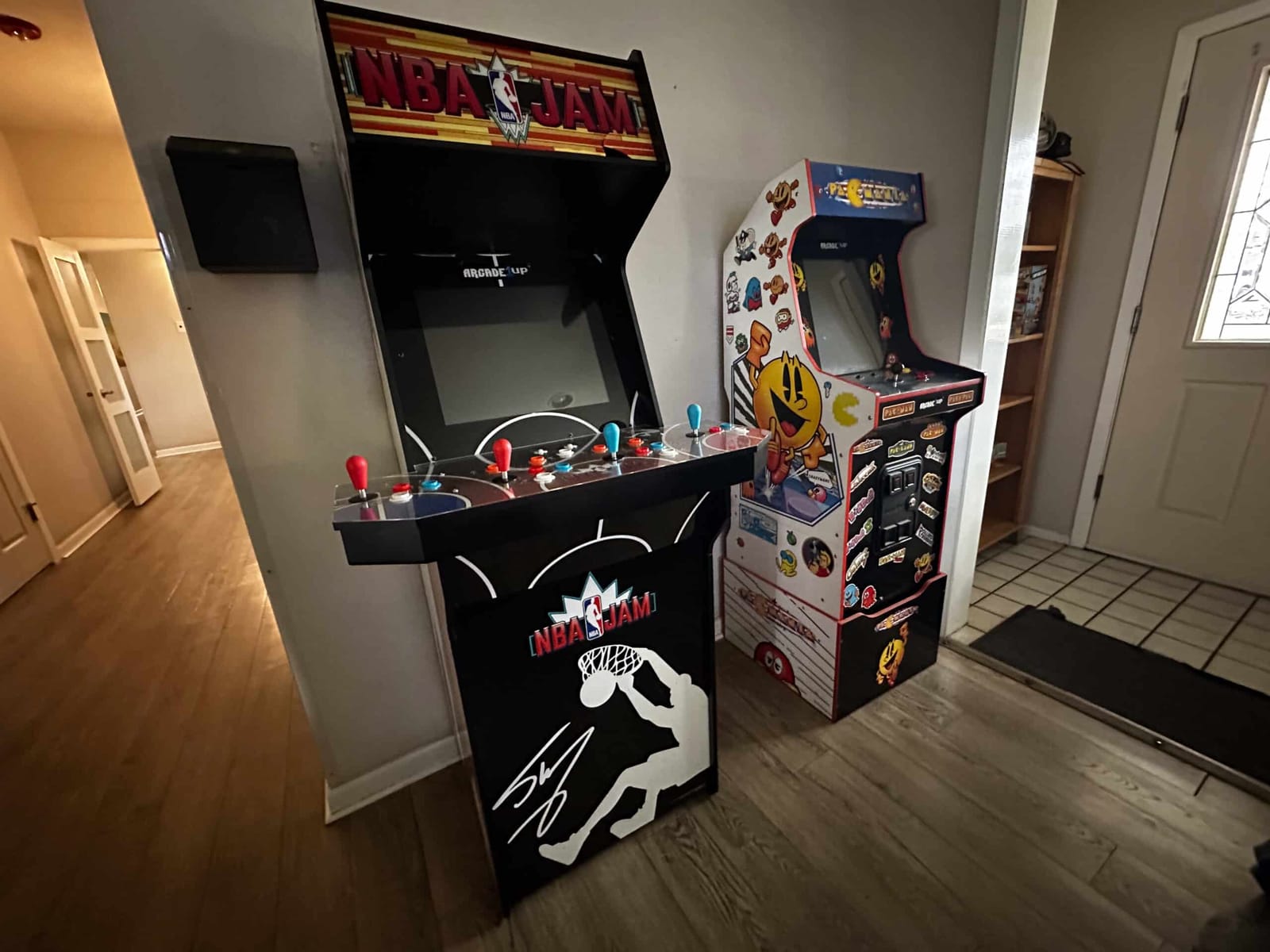
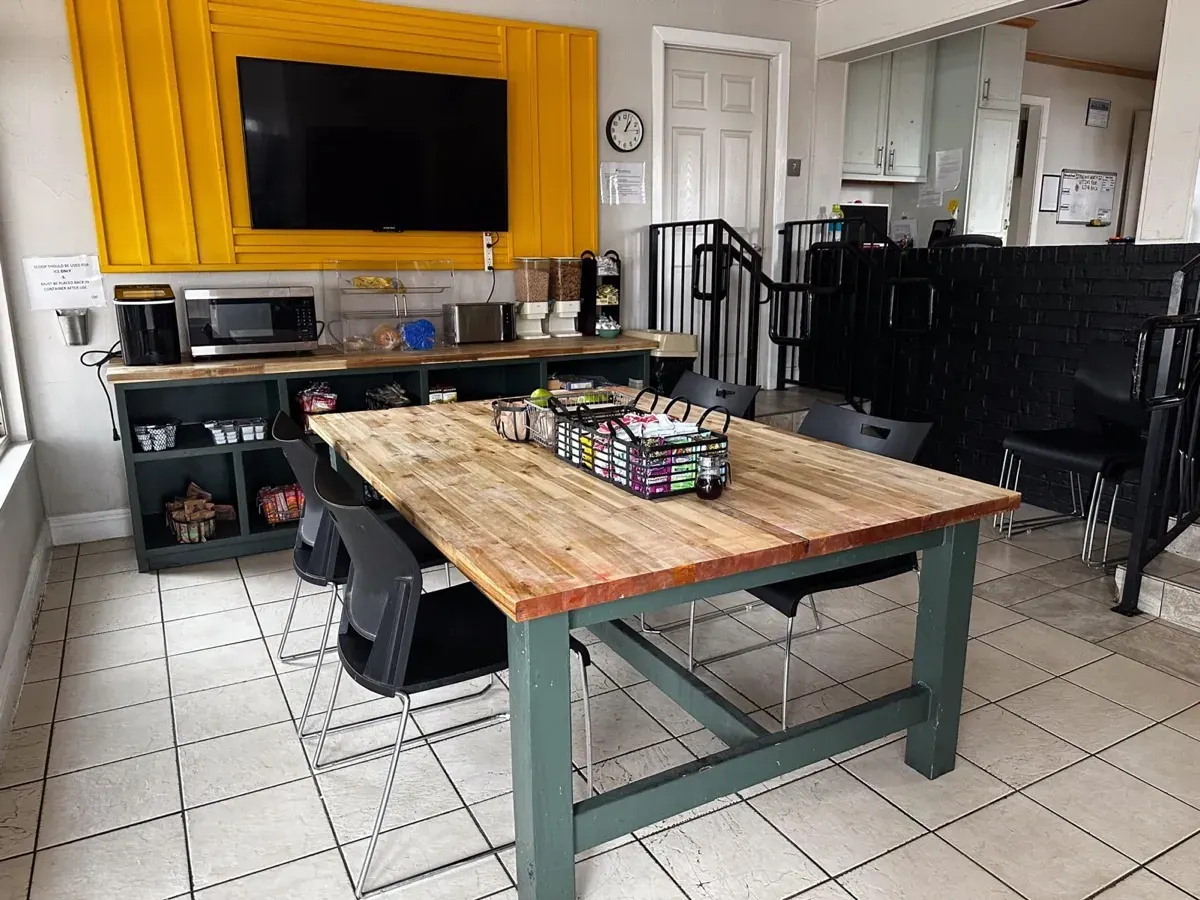
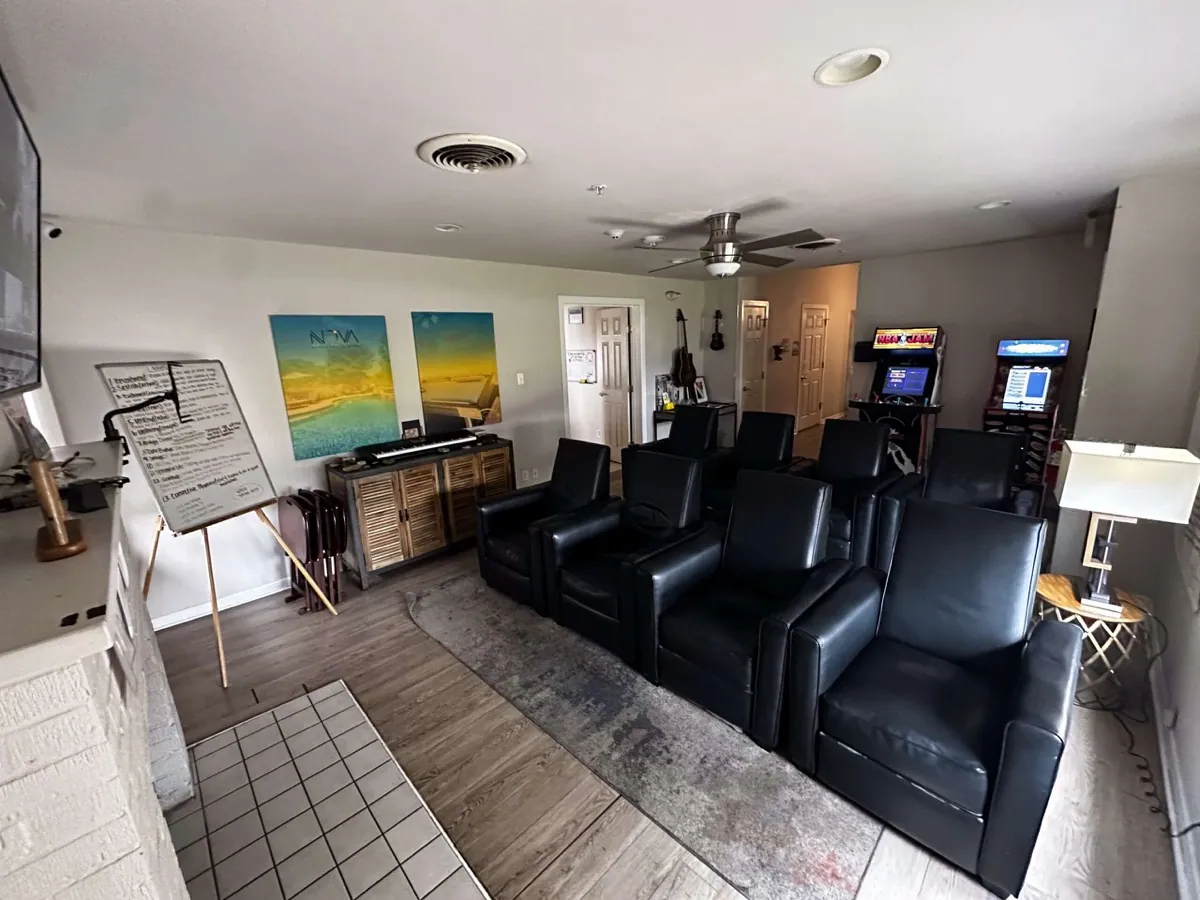
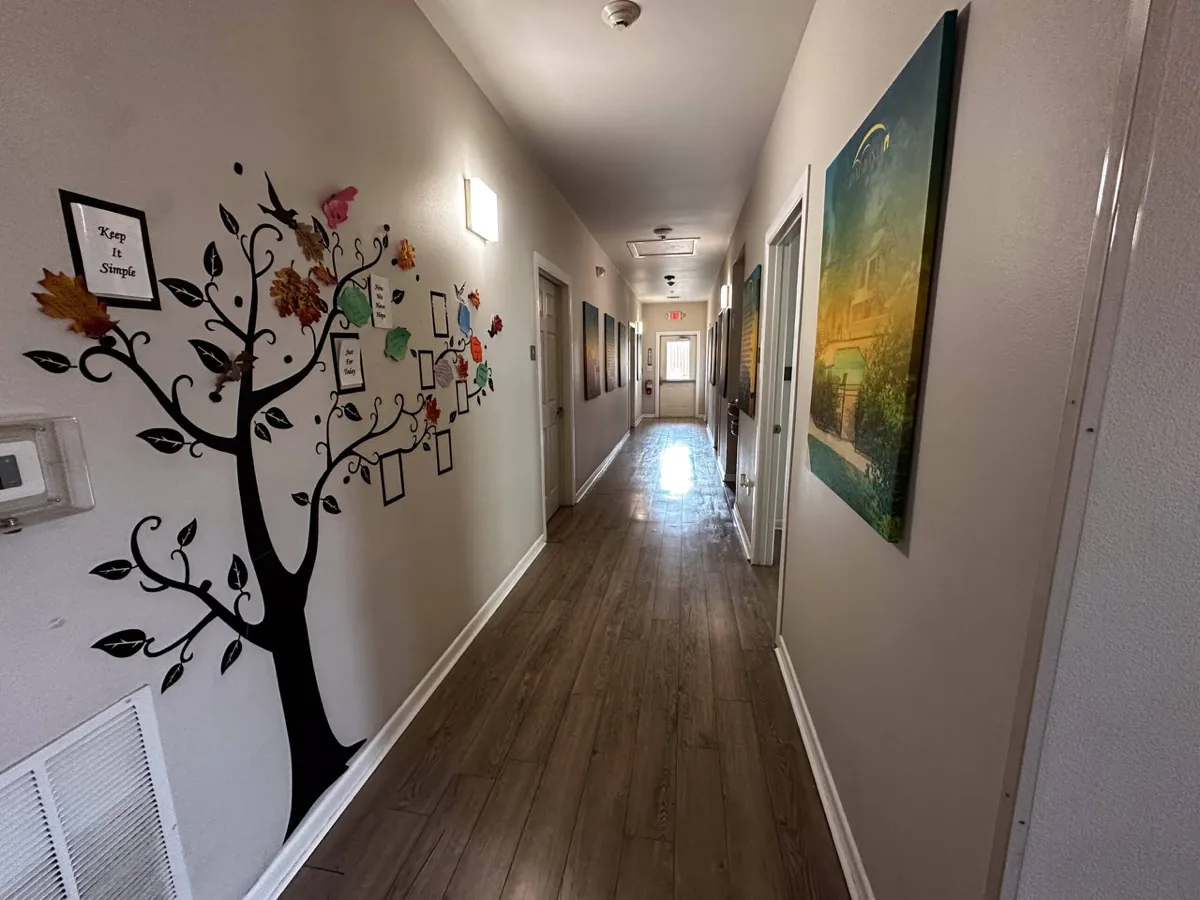
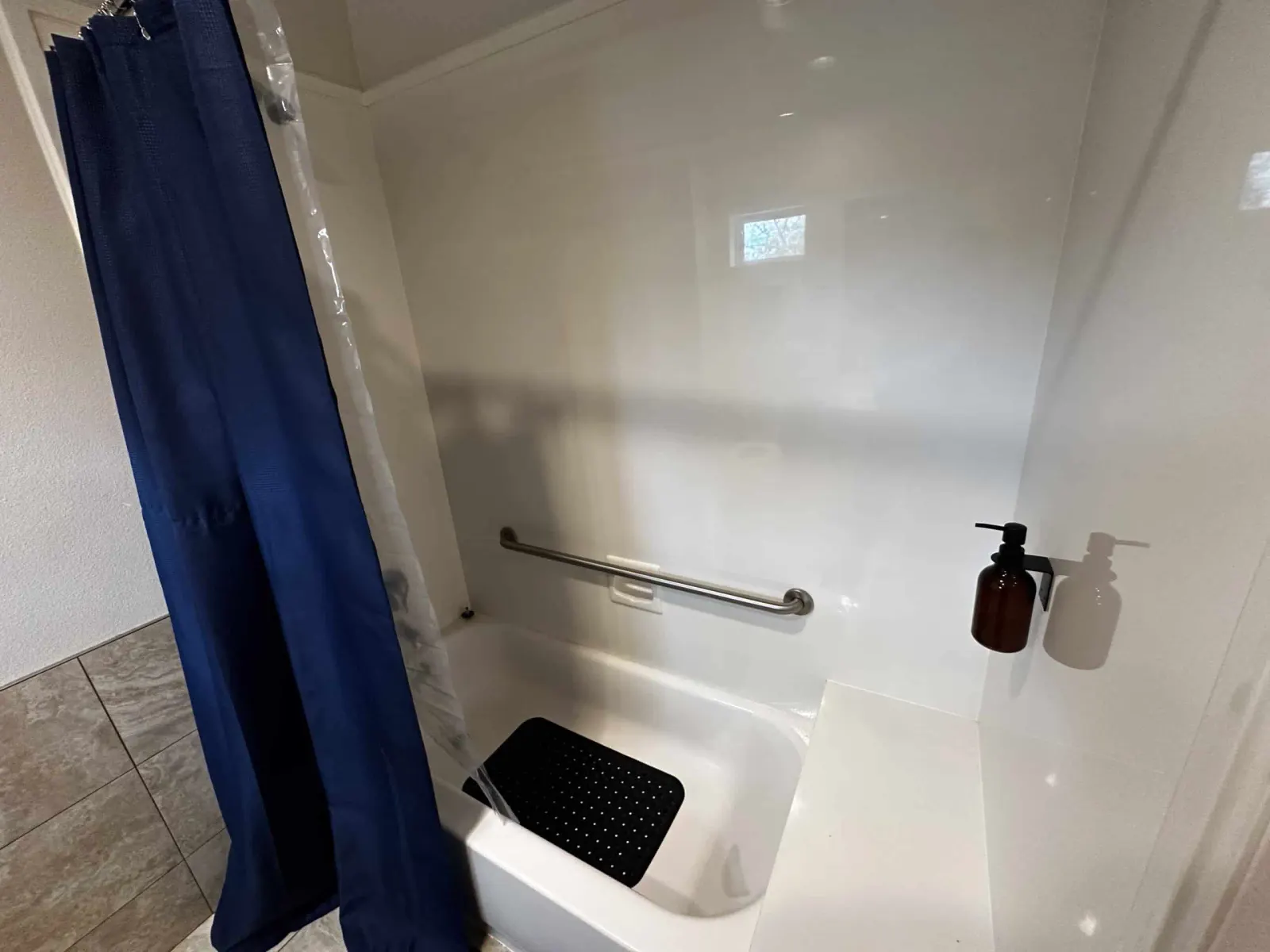
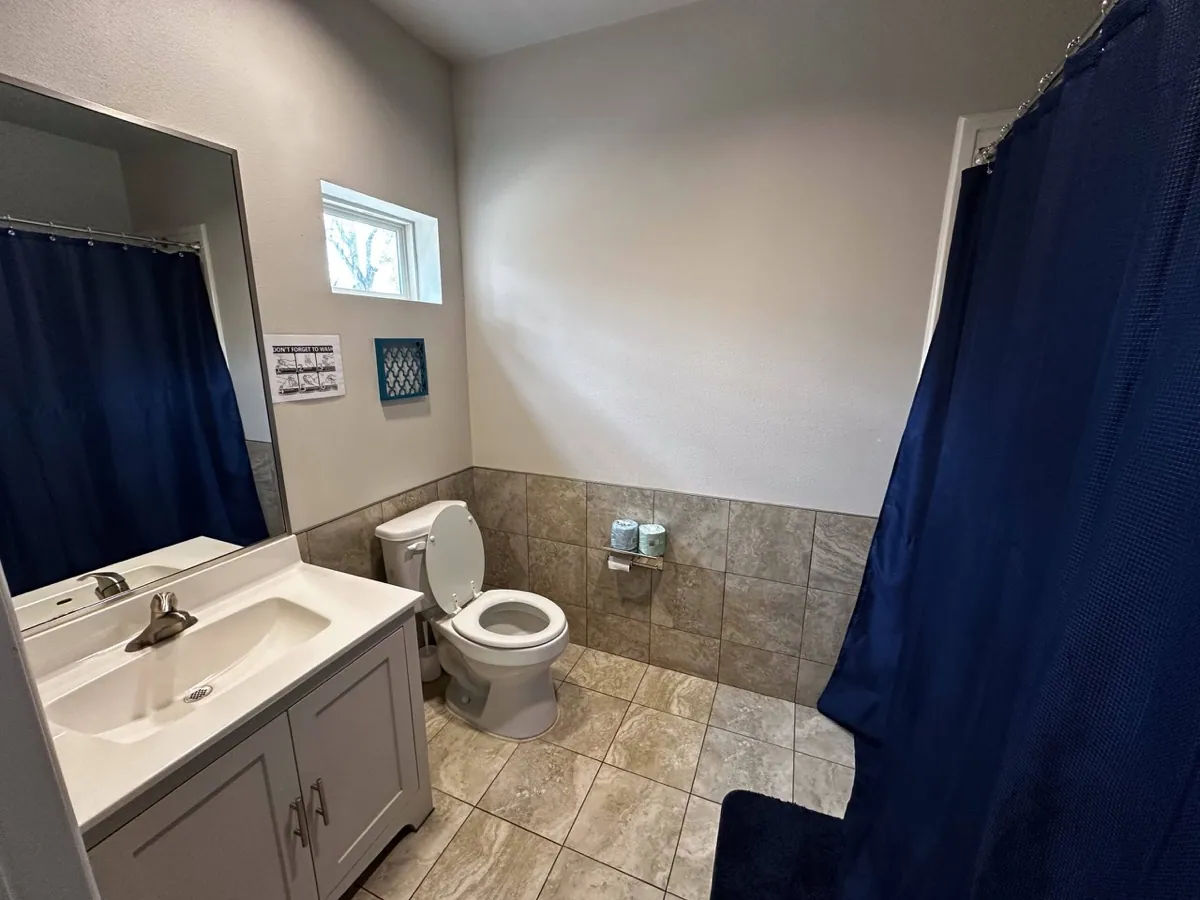
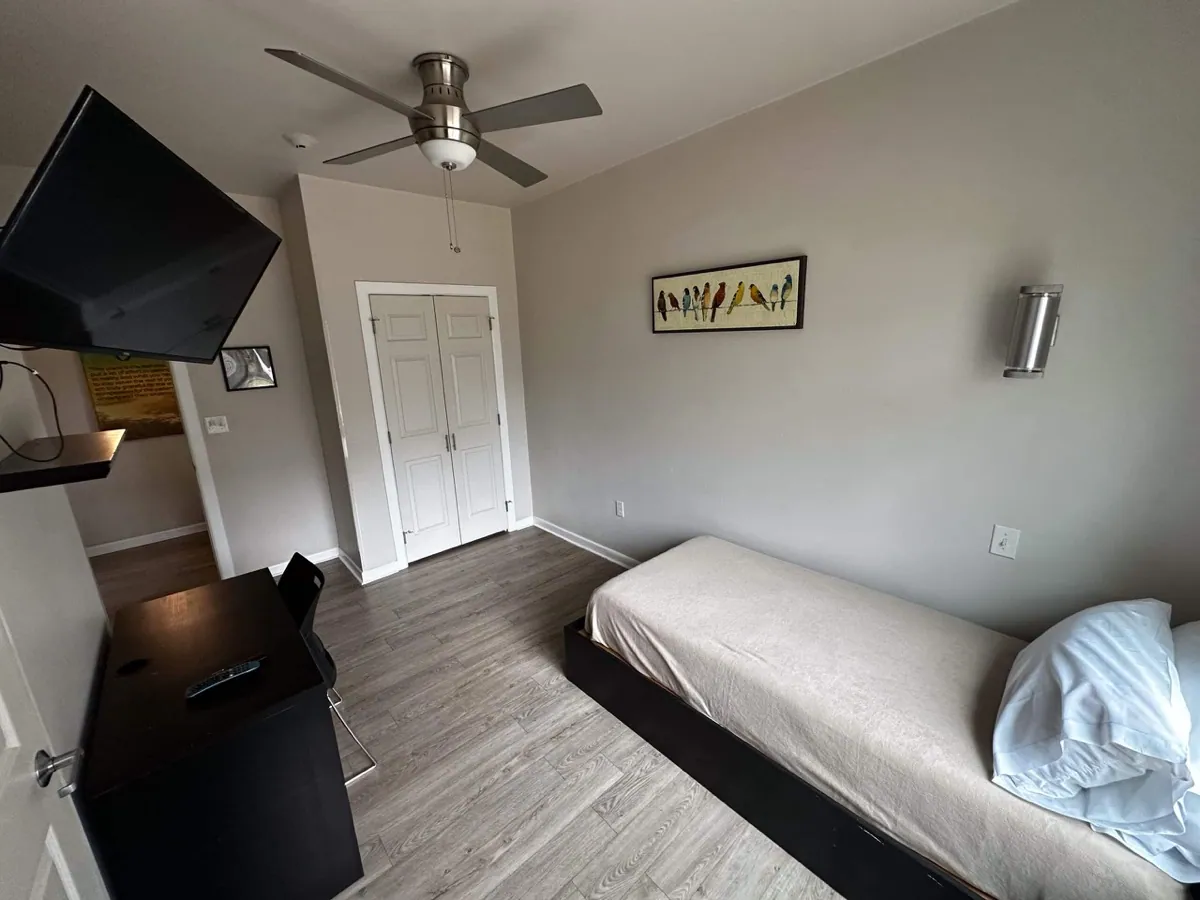
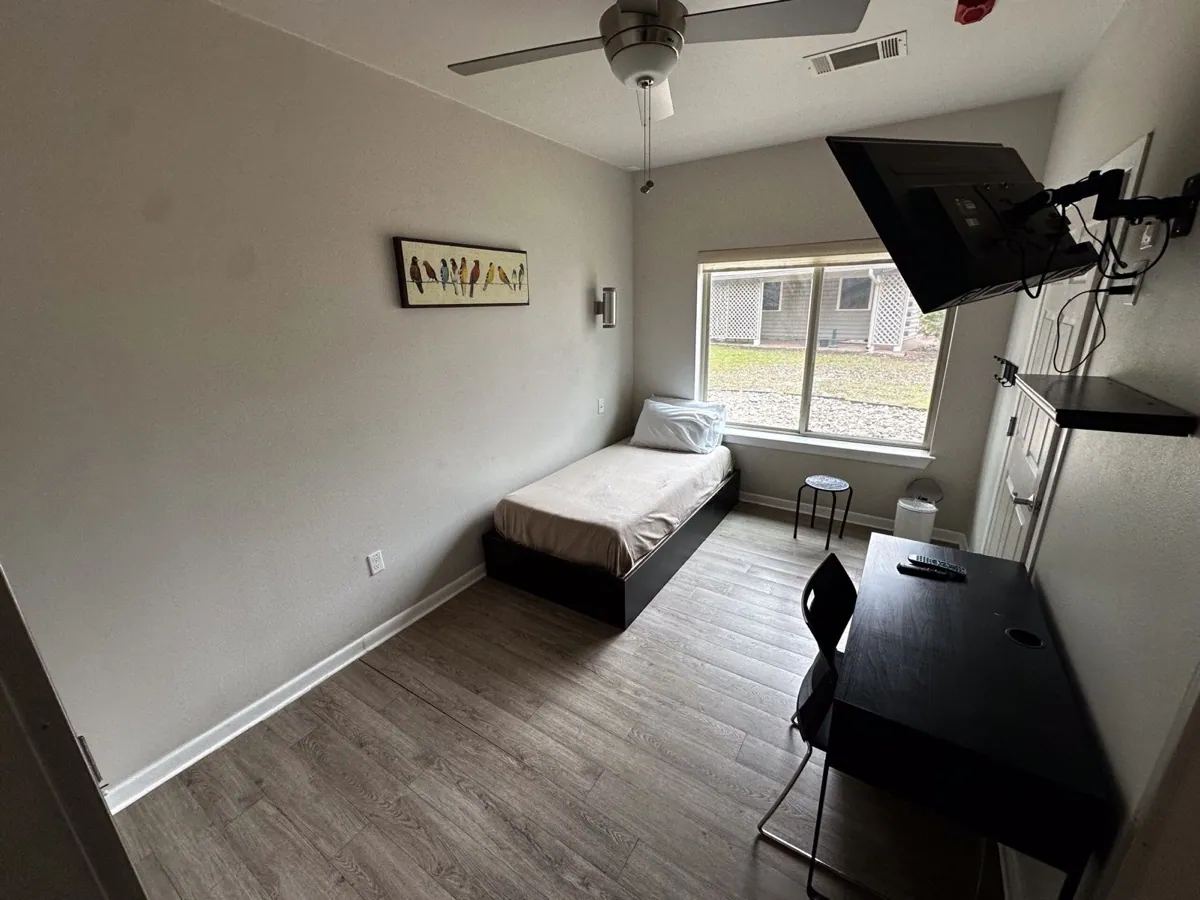
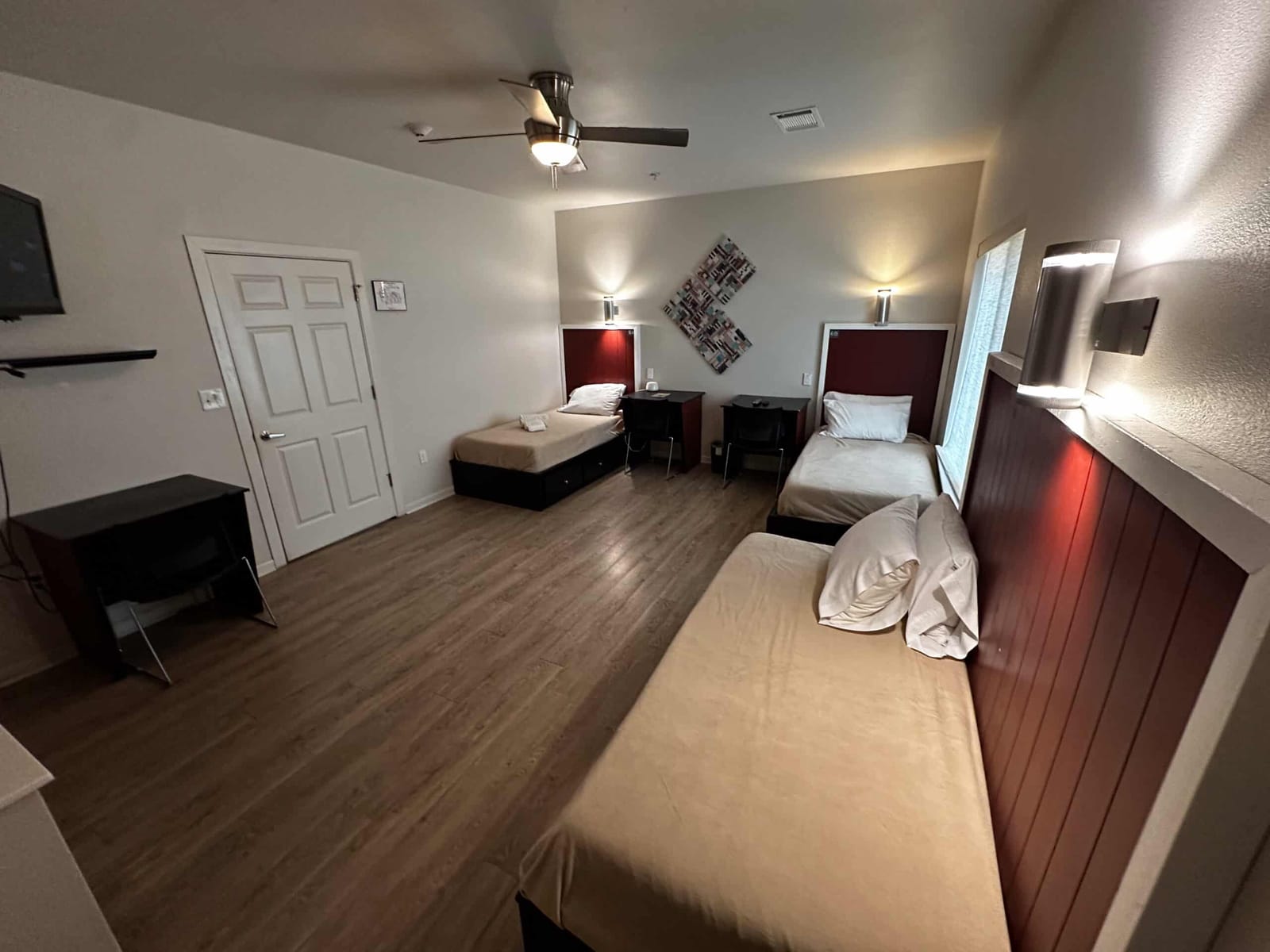
- Briarwood provides a private, medically supervised setting with amenities many associate with luxury drug treatment centers. Comfort supports rest and engagement in care.
- Admissions can explain what to bring, expected length of stay, and how medications are used during detox. You’ll leave with a clear next‑step plan.
Break Free from Addiction. Detox Safely in Austin Today.
Medically Supervised Detox – Compassionate Care Starts Here.
Medication‑assisted treatment (MAT) uses FDA‑approved medications to treat opioid use disorder (OUD). Below, you’ll find a neutral, fact‑based guide to the three medications used in MAT and how inpatient MAT works at Briarwood Detox Center in Austin. If you’re comparing drug treatment centers in Austin or searching for drug treatment Austin TX, this overview explains how our inpatient medical detox integrates these medicines and prepares you for ongoing care in the city and beyond.
What MAT Is—and Why It Matters in Detox
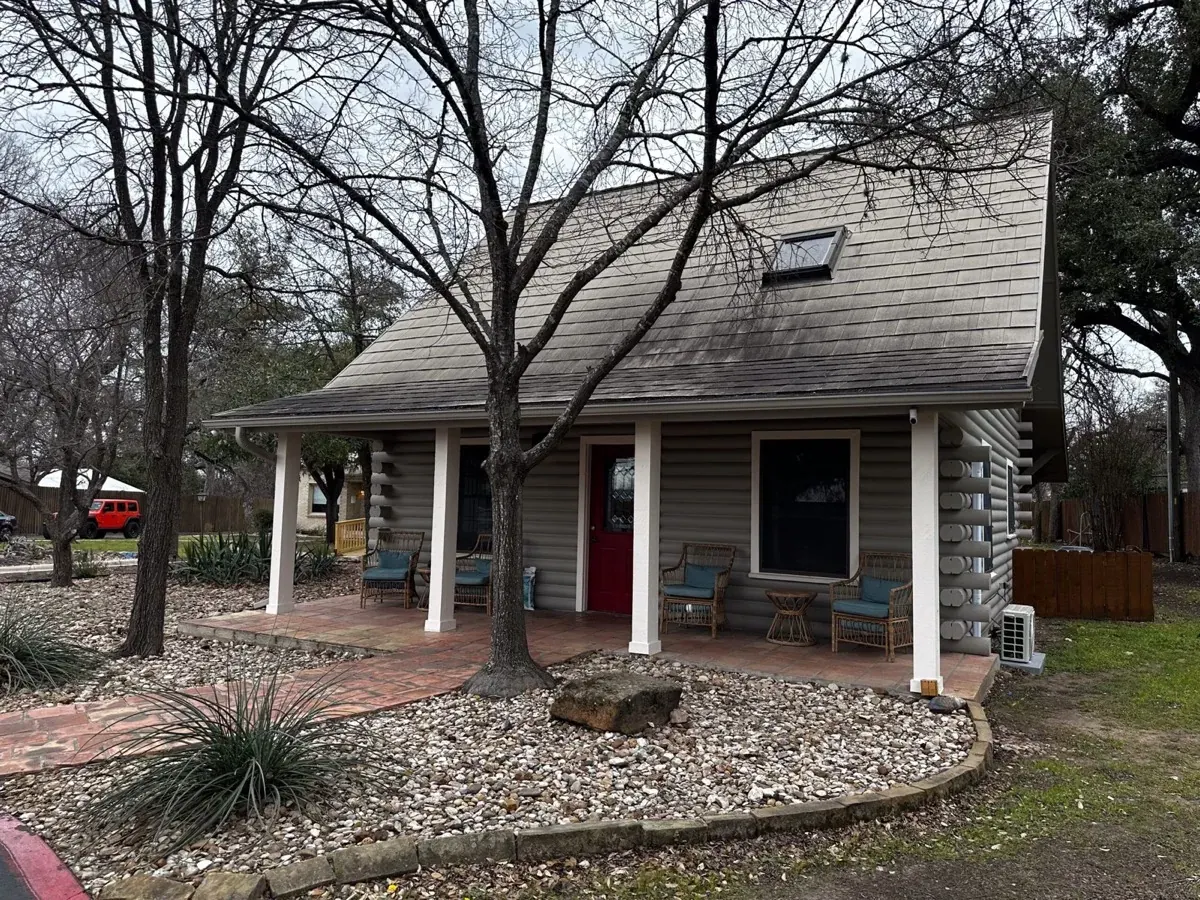


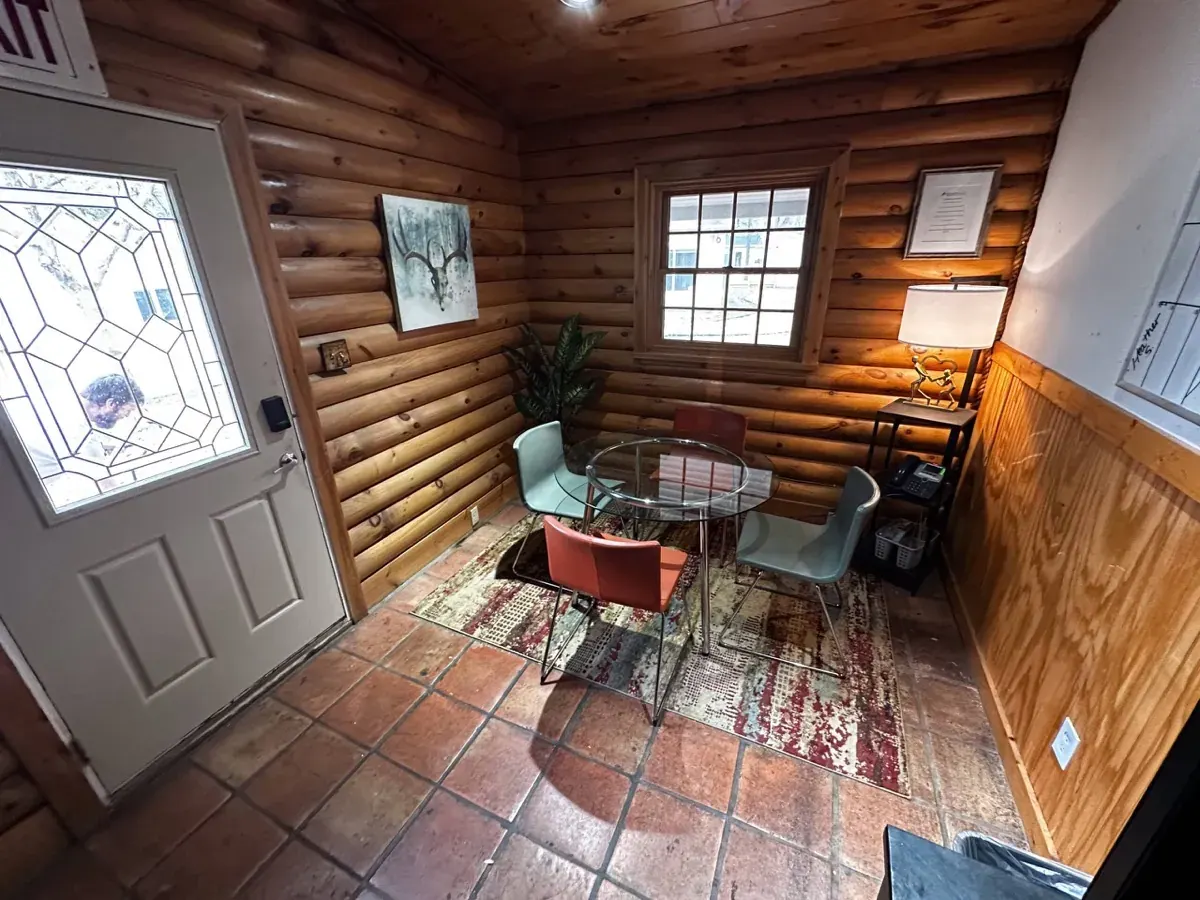
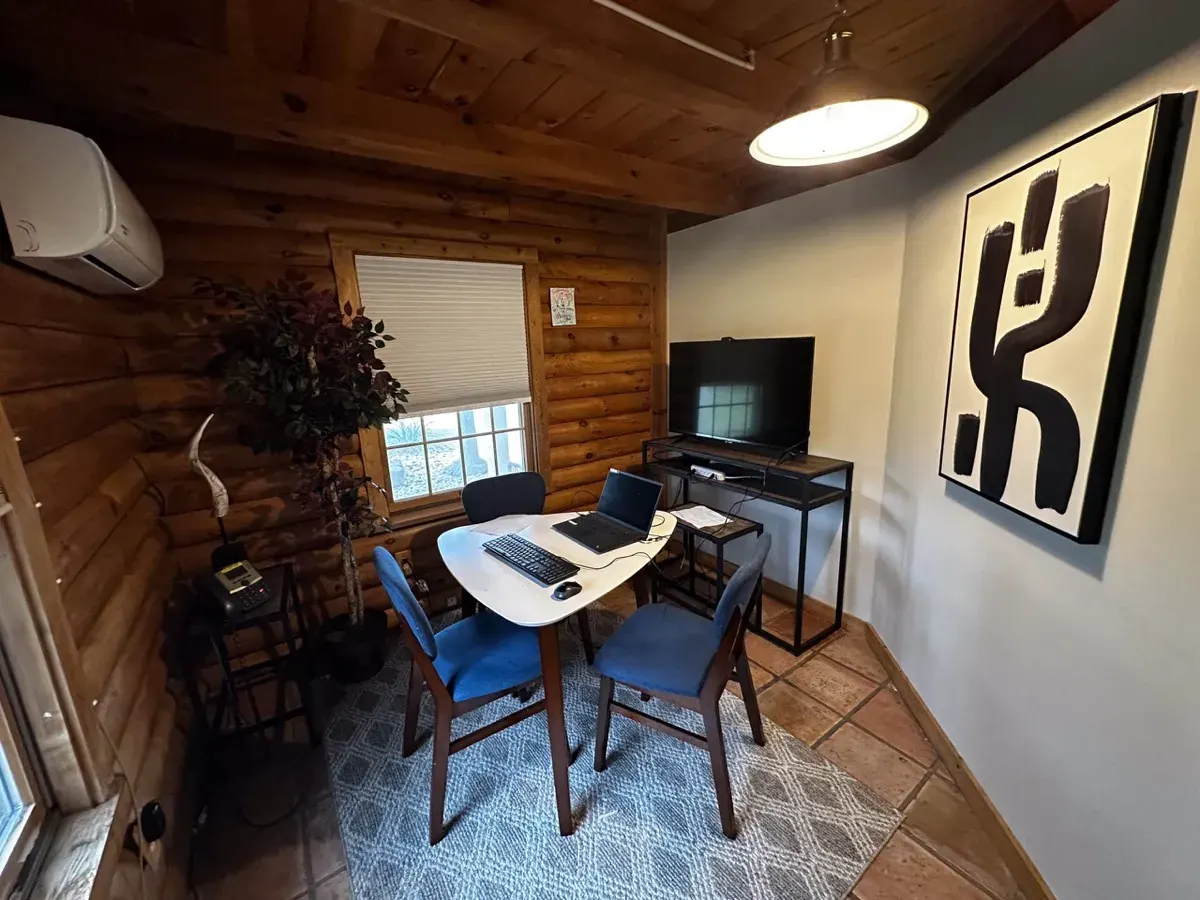

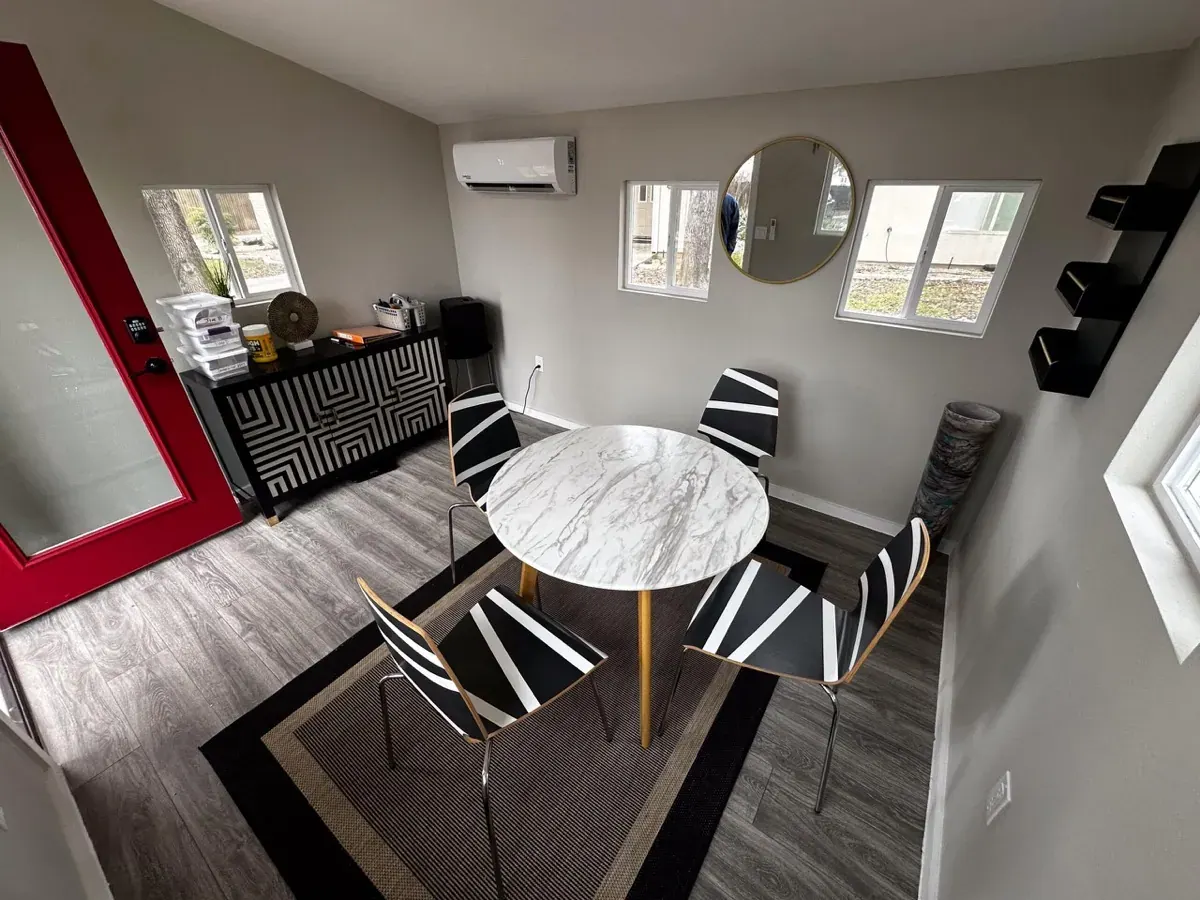
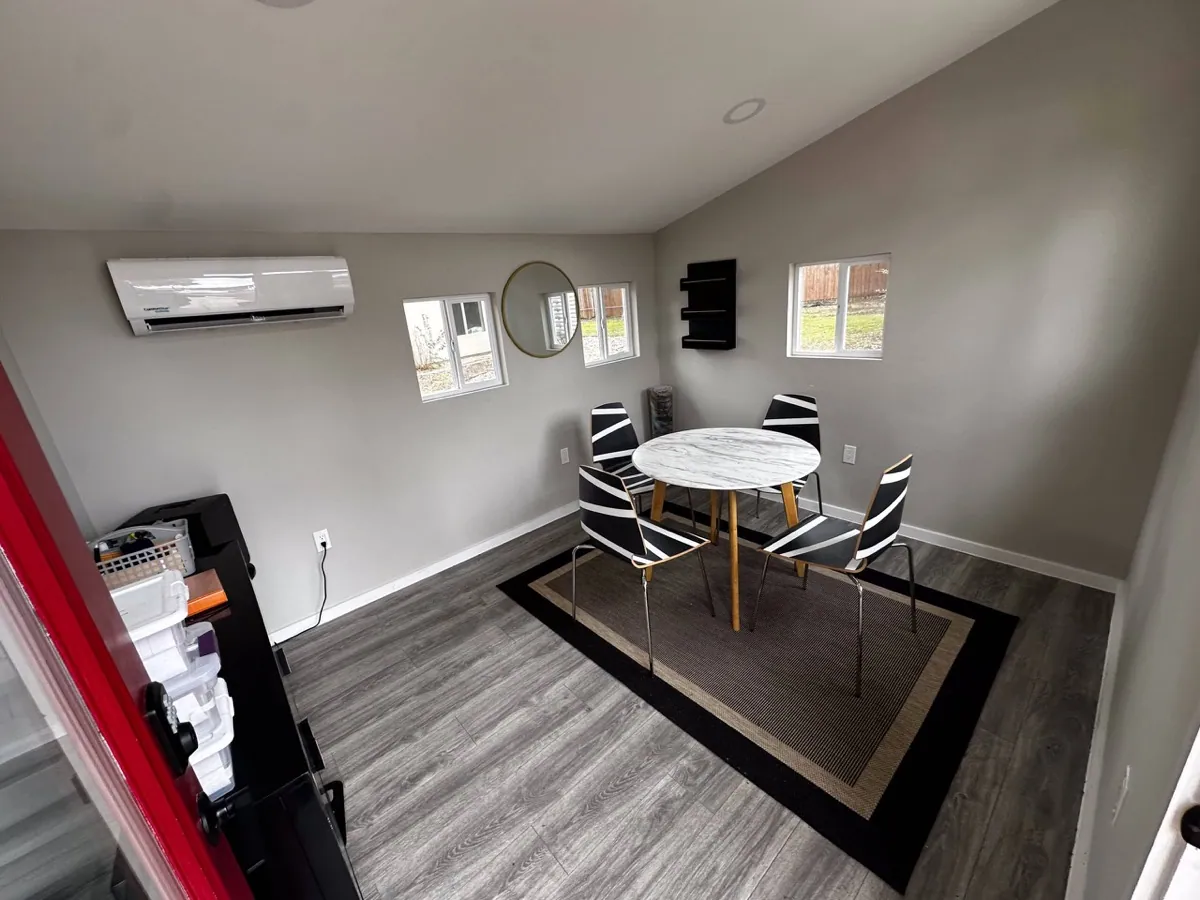
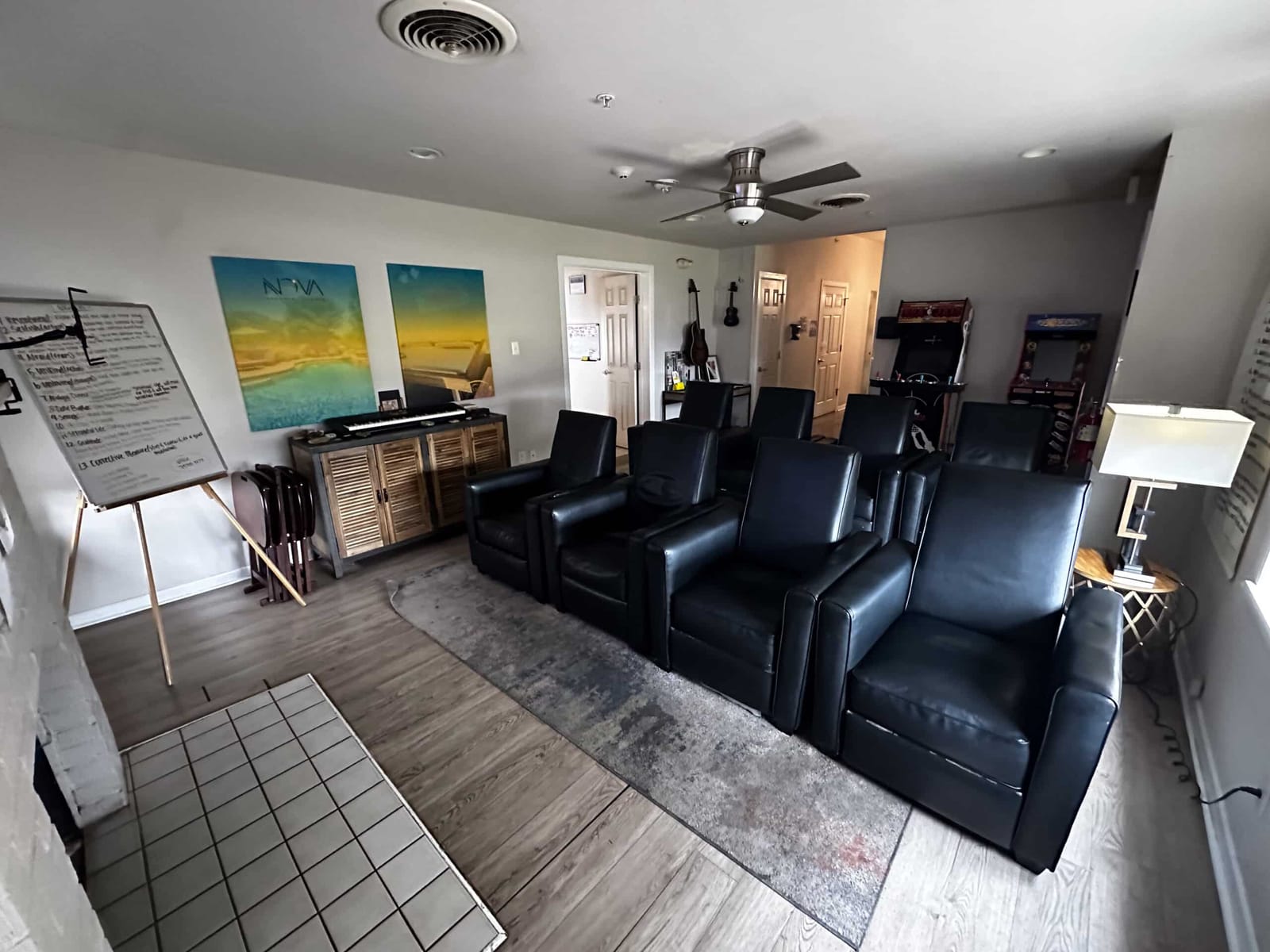
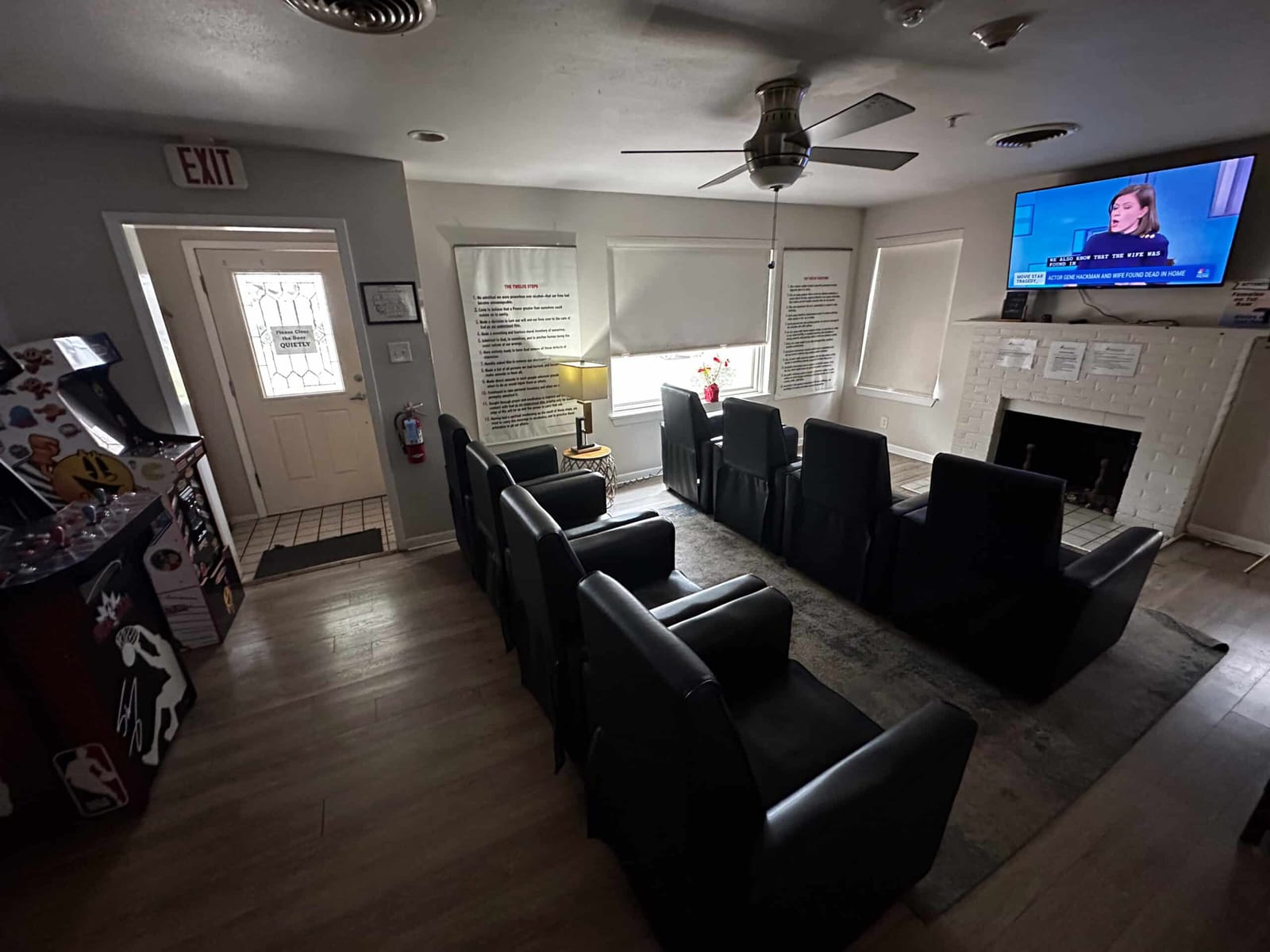

MAT pairs medication with structured clinical care to manage withdrawal, reduce cravings, and support stability. National guidance urges clinicians to offer or arrange treatment with medications for OUD because it lowers overdose and death risk. Detox alone—without medications for OUD—is not recommended.
Where we are
Detox centers across Texas
Three locations, each with its own admissions line and its own clinical team. Pick the one nearest you — or call and we will tell you which has a bed tonight.
-
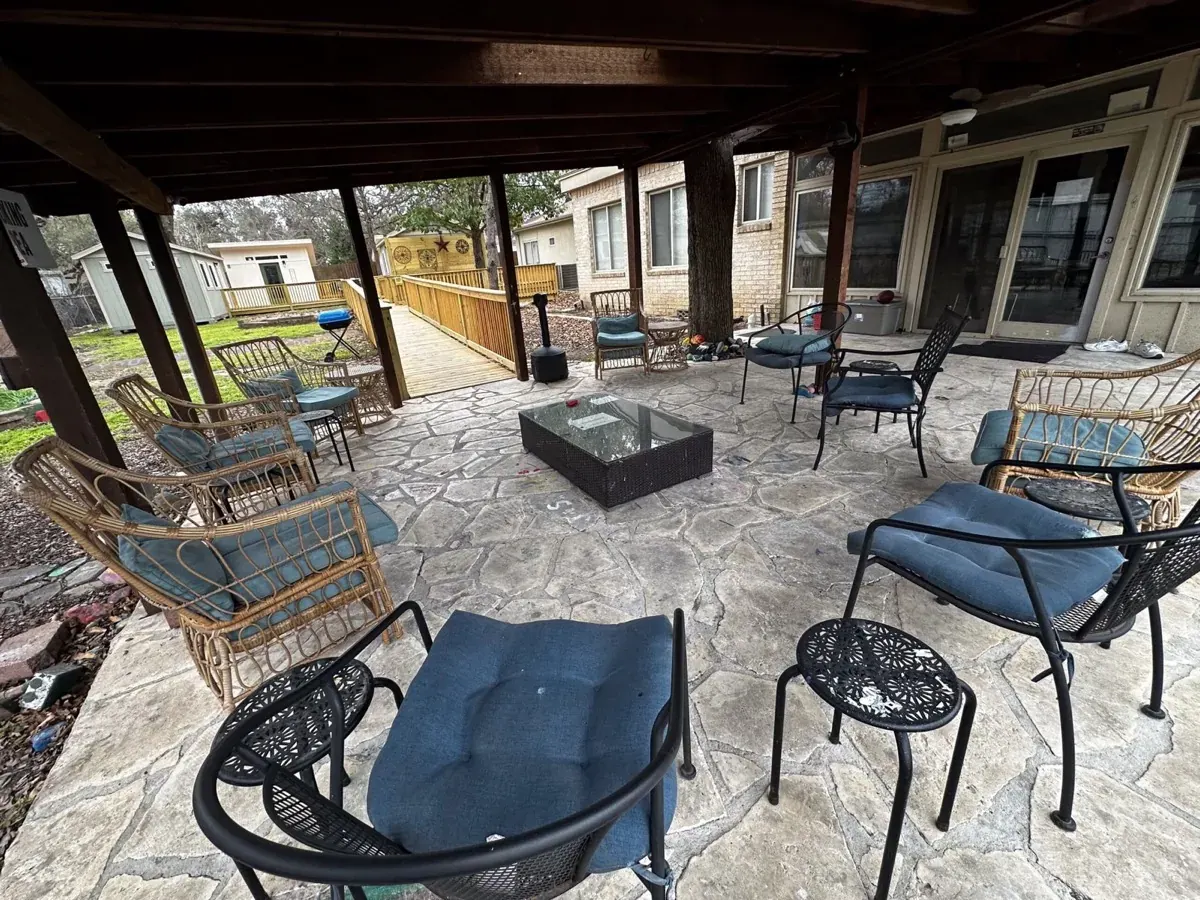
 Inpatient
 Austin, TX
11711 N Lamar Blvd · 78753
- 15 beds
- On-site labs
- 24-hour medical staff
Austin Inpatient Center
-
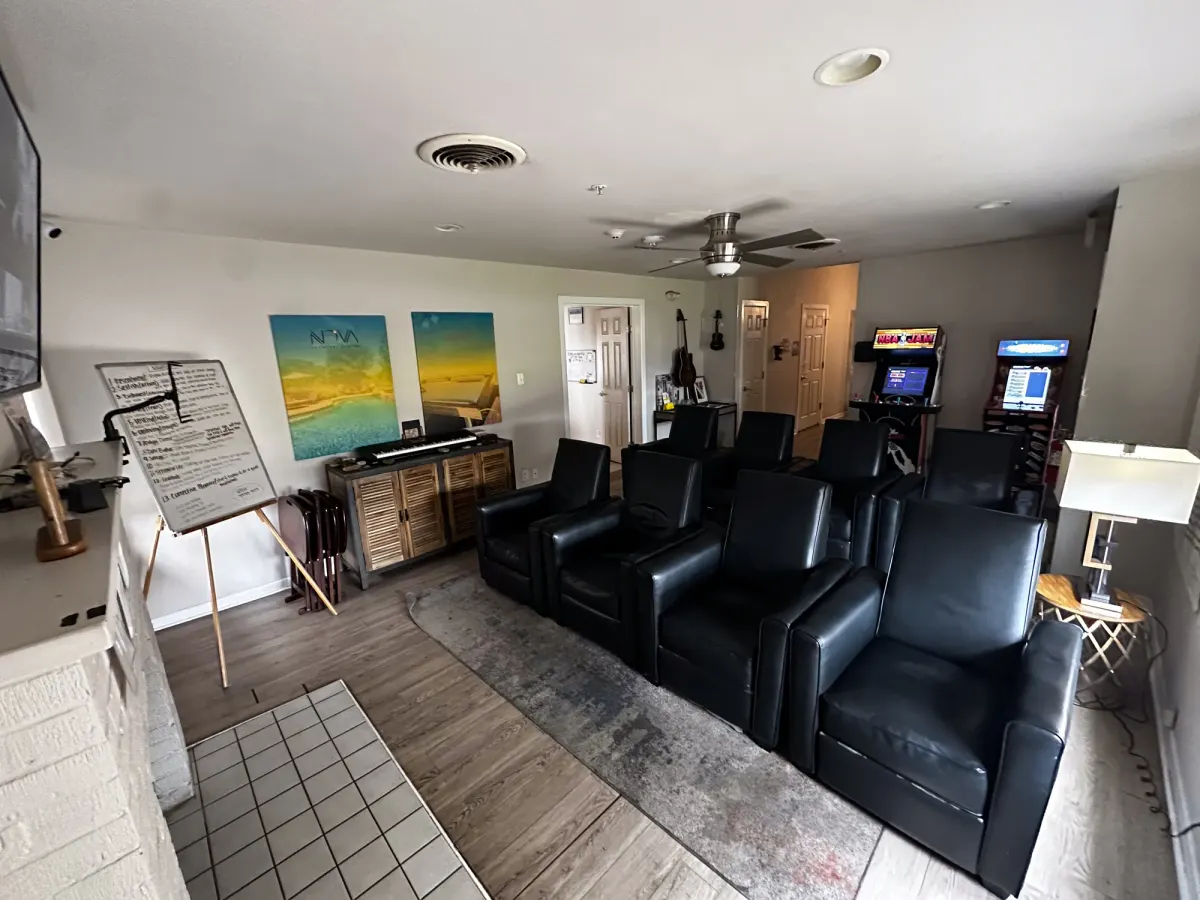
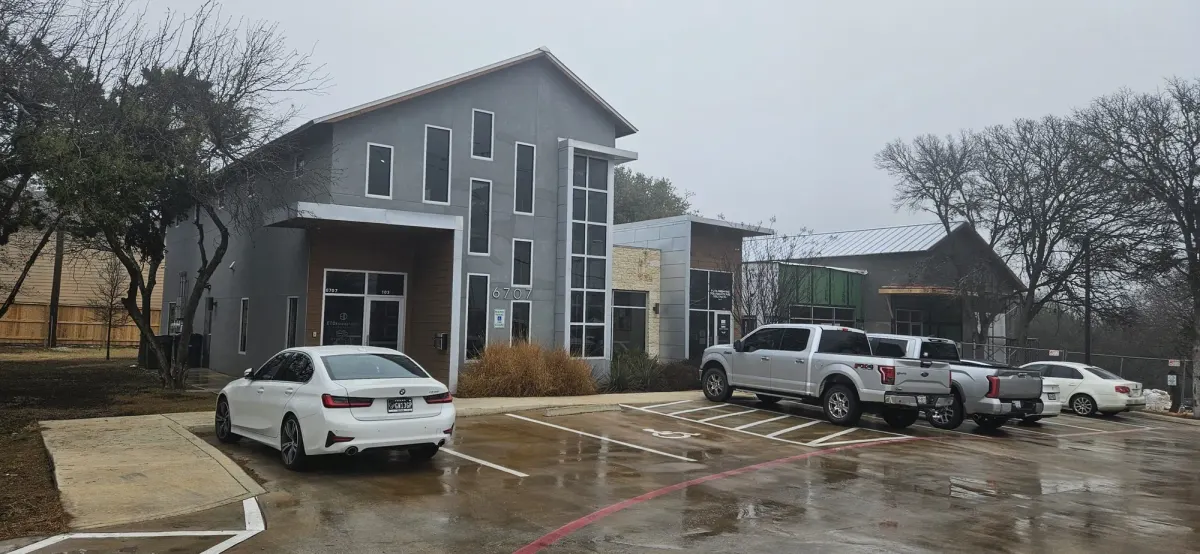 Outpatient
 San Antonio, TX
6707 W Hausman Rd · 78249
- Outpatient detox with scheduled medical visits
- Outpatient treatment
San Antonio Inpatient Center
-
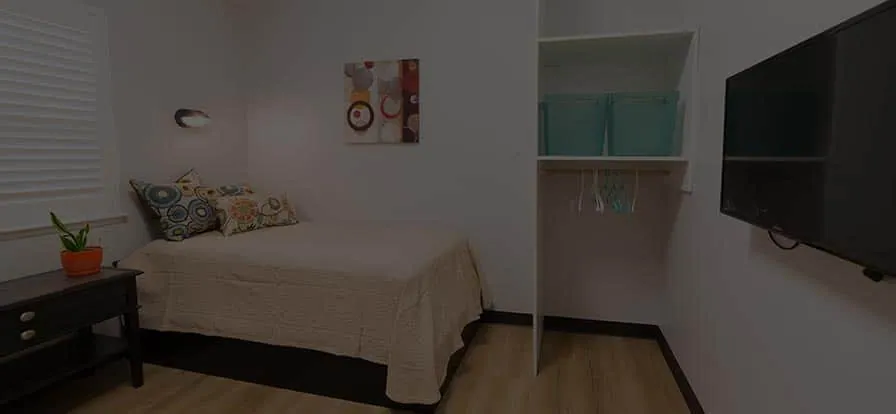 Inpatient
 Houston, TX
1019 Ashland St · 77008
- On-site labs
- 24-hour medical staff
Houston Inpatient Center
Which Medications Are Used in MAT for Opioid Addiction? (H2)
The FDA has approved three medications to treat OUD: buprenorphine, methadone, and naltrexone. Each works differently and is selected based on history, clinical presentation, and goals. If you’re beginning treatment in a monitored setting, our opioid detox program can help you start safely.
Buprenorphine
How it works. Buprenorphine is a partial mu‑opioid receptor agonist. It eases withdrawal, reduces cravings, and helps block the effects of other opioids. It can be prescribed by clinicians with standard DEA registration (Schedule III authority).
Forms we may discuss during care planning. Options include sublingual/buccal formulations (e.g., buprenorphine‑naloxone film or tablets) and long‑acting injections such as extended‑release buprenorphine. Decisions are individualized during and after detox.
When used in detox. Buprenorphine is often the first‑line choice for inpatient opioid withdrawal management at Briarwood. Your team determines the start time—typically when early withdrawal is present—to avoid precipitated withdrawal and to ensure comfort.
Common considerations. Sedation, constipation, headache, and sleep changes can occur. Your nurse practitioner or physician will review risks, benefits, and how to use the medication safely.
Methadone
How it works. Methadone is a full opioid agonist that relieves withdrawal and cravings and can block the euphoric effects of opioids.
Care context. For ongoing treatment of OUD, methadone is provided through structured opioid treatment programs (OTPs). During inpatient detox, your Briarwood medical provider may use methadone for withdrawal management when clinically appropriate and consistent with federal and state regulations, with careful monitoring for respiratory depression and QTc‑related risks.
Common considerations. Possible side effects include constipation, sweating, drowsiness, and, rarely, heart rhythm changes. Your team screens for medication interactions and cardiac history.
Naltrexone
How it works. Naltrexone is an opioid receptor antagonist. It blocks opioid effects and helps prevent euphoria if opioids are used. Long‑acting injectable naltrexone is a once‑monthly option.
Timing. Naltrexone should start only after a sufficient opioid‑free period (often 7–10 days) to prevent precipitated withdrawal; this is why detox is a key first step for many people who choose this medication.
Common considerations. Injection site discomfort, headache, or nausea can occur. Because tolerance falls during abstinence, your team will review overdose risk and safety planning.
How Inpatient MAT Works at Briarwood Detox Center in Austin
Day 1: Medical Evaluation & Stabilization Plan
You’ll receive a physical exam, lab work as indicated, a full medication review, and a withdrawal assessment. We discuss your goals—short‑term relief, long‑term maintenance, or transitioning to naltrexone—and select a starting plan. See our admissions overview. This process takes place in our private, medically supervised setting for inpatient detox in Austin.
Days 1–3: Induction & Symptom Control
When early withdrawal appears, your provider may start buprenorphine using standard or micro‑induction protocols. If methadone is the safer fit for your history and current presentation, it may be used for withdrawal management with continuous monitoring. Supportive medications (for sleep, muscle aches, nausea, and anxiety) are adjusted to keep you as comfortable as possible.
Days 3–7: Stabilization & Discharge Planning
The team reviews symptom trends, cravings, and vital signs while adjusting doses. If you plan to continue with injectable naltrexone after detox, we time the first dose appropriately. We also set up your next level of care and pharmacy plan so you leave with a clear path forward.
Who Benefits from Inpatient MAT?
- People with moderate to severe OUD experiencing daily use, high tolerance, or repeated withdrawal.
- Individuals using fentanyl or other high‑potency synthetic opioids who need medical monitoring.
- Those with co‑occurring medical or mental health conditions that complicate withdrawal.
- Anyone who has tried to stop on their own and experienced relapse or severe symptoms.
- People who prefer a contained, private setting—similar to what many associate with luxury drug treatment centers—while medications are started and stabilized.
Safety, Side Effects, and Risk Management
MAT medications are effective when used as prescribed, but monitoring matters—especially early on.
- Overdose and mortality: Treatment with medications for OUD is tied to lower overdose and death risk. This is one reason MAT is recommended rather than detox alone.
- Precipitated withdrawal: Starting buprenorphine too soon after short‑acting opioid use can cause sudden withdrawal; your team times induction carefully.
- Methadone specifics: The medication requires careful dose titration and monitoring for sedation and potential QTc effects.
- Naltrexone timing: An adequate opioid‑free window is required before starting; after detox, lowered tolerance increases overdose risk if opioids are used. Your team will discuss safety planning in detail.
Throughout detox, Briarwood’s nurses and providers monitor vitals, side effects, and interactions, and they adjust care plans in real time. If you have chronic pain, sleep apnea, pregnancy, or cardiac history, we tailor protocols accordingly.
Insurance, Cost, and Access in Austin
Briarwood Detox Center accepts many plans and can verify your insurance quickly to reduce delays in care—important if you are searching “opioid treatment Austin” and need help fast.
Why Choose Briarwood Detox Center for MAT‑Supported Detox in Austin
- Inpatient medical setting. 24/7 nursing oversight and daily provider rounds during withdrawal and medication induction.
- Evidence‑based approach. Use of buprenorphine, methadone for withdrawal management when appropriate, or naltrexone planning informed by national guidance.
- Comfortable environment. Quiet spaces, privacy, and amenities that many expect from luxury drug treatment centers while remaining focused on clinical safety.
- Seamless step‑down. Discharge planning matched to your goals, with medication maintenance and therapy appointments arranged before you leave.
- Local continuity. As one of the Austin drug treatment centers focused on detox, we help you move from stabilization to ongoing care without gaps.
Getting Started: Inpatient MAT for Opioid Addiction in Austin
If you’re weighing drug treatment centers in Austin or drug treatment centers Austin Texas, our admissions team can explain how medications are used during detox, what to bring, and how long your stay may be. Call our admissions team today at (866) 710-7710.
How Briarwood Detox Center Supports Inpatient MAT for Opioid Addiction in Austin
Briarwood Detox Center offers inpatient medication-assisted treatment (MAT) to safely start recovery from opioid addiction in Austin. Our 24/7 medical team monitors vital signs, reviews your history, and times medication induction to reduce withdrawal discomfort and prevent complications. Using FDA-approved options such as buprenorphine, methadone when appropriate, or naltrexone planning, we manage symptoms and cravings while you stabilize. For those searching “opioid treatment Austin” or comparing drug treatment centers, we prioritize safety, comfort, and a clear transition plan. Supportive medications for sleep, nausea, and pain are provided, with daily reviews adjusting dosing as needed. Our private, amenity-focused environment allows rest without compromising clinical care. Before discharge, we coordinate your next level of treatment, ensuring no gap between detox and ongoing care. Insurance is verified quickly, with admissions often scheduled promptly.
Medication‑Assisted Treatment (MAT) FAQs for Opioid Addiction in Austin
What is medication‑assisted treatment (MAT) for opioid addiction?+–
MAT—also called medications for opioid use disorder (MOUD)—pairs FDA‑approved medicines with clinical care to reduce withdrawal and cravings and lower overdose risk. Common options include buprenorphine, methadone, and naltrexone.
Which medications are used in MAT for opioid use disorder?+–
The FDA recognizes three medications for OUD: buprenorphine, methadone, and naltrexone. Choice depends on medical history, goals, and access to care.
How does Briarwood Detox Center help with inpatient MAT in Austin?+–
Briarwood provides 24/7 medically supervised detox with individualized induction onto buprenorphine or methadone for withdrawal management and timing for naltrexone when appropriate. Care includes continuous monitoring, supportive medications, and coordinated step‑down planning in Austin, TX—ideal for people searching for opioid treatment Austin or drug treatment Austin TX. Call our admissions team today at (866) 710-7710.
Can any clinician prescribe buprenorphine for OUD now?+–
Yes. Following the MAT Act, any practitioner with a standard DEA registration that includes Schedule III authority may prescribe buprenorphine for OUD (subject to state rules).
How long do you need to be opioid‑free before starting naltrexone?+–
To avoid precipitated withdrawal, patients typically wait at least 7 days after short‑acting opioids (longer for some opioids) before starting naltrexone; timing is individualized by a clinician.
Is MAT safe during pregnancy?+–
Yes—methadone and buprenorphine are recommended medications during pregnancy, with care coordinated by a prenatal provider.
How long does someone stay on MAT?+–
There is no single timeline; duration is individualized. Evidence shows ongoing treatment with buprenorphine or methadone reduces overdose and serious opioid‑related acute care use compared with non‑medication approaches.
Do you have to be in withdrawal to start buprenorphine?+–
Standard induction begins after withdrawal has started to prevent precipitated withdrawal; emerging low‑dose (“micro‑induction”) approaches may be considered in select cases by experienced clinicians.
What’s the difference between buprenorphine, methadone, and naltrexone?+–
Buprenorphine is a partial opioid agonist that eases withdrawal and cravings; methadone is a full agonist used for withdrawal management and maintenance; naltrexone is an antagonist that blocks opioid effects once someone is opioid‑free.
Is detox alone enough to treat opioid use disorder?+–
Detox without ongoing medication is not considered sufficient for most people. Continuing MOUD after detox is associated with better outcomes and lower overdose risk. Briarwood’s inpatient program focuses on stabilization and a seamless transition to ongoing medication treatment in Austin. Call our admissions team today at (866) 710-7710.
Related guides


About the people behind this guide
Anna-Grace Washington
Medical Content Writer
Anna-Grace Washington is a Medical Content Writer for Briarwood Detox Center. She holds a master’s degree in clinical psychology from the University of Texas and brings a strong understanding of behavioral health, addiction recovery, and evidence-based treatment concepts to her writing.
Dr. Robert Ulrich, DO
Medical Director
Dr. Robert Ulrich serves as Medical Director at Briarwood Detox Center, bringing more than two decades of clinical neurology experience to the treatment of substance use disorders. He is board-certified in neurology by the American Board of Psychiatry and Neurology and completed his neurology residency at UT Southwestern Medical Center in Dallas, where he served as Chief Resident.
In network with most major insurance
Find your plan and see what detox would cost
Most plans cover medical detox. Coverage varies by plan, so we verify it for you before you commit to anything.

















Don't see your plan? We work with out-of-network benefits and offer self-pay options — (866) 710-7710
- Confidential
- Takes about 2 minutes
- No obligation to admit
- Accredited The Joint Commission
- Rated 4.5 · 95 Google reviews
- Admissions 24 hours a day