
Guide
Can My Probation Officer Help Me Get Into Long-Term Drug Rehab in San Antonio, TX?
Joint Commission accredited · In network with most major insurance · Admissions answered 24 hours a day
Published November 27, 2025
Reviewed and updated July 29, 2026
Key Takeaways · 10 points
- Your probation officer can guide treatment and verify compliance, but you choose the program. Briarwood Detox Center supports that choice with clear steps and documentation.
- Briarwood Detox Center fits into long‑term recovery on probation by stabilizing you first and mapping the next levels of care. This keeps your clinical needs aligned with court expectations.
- Medical detox at Briarwood manages withdrawal safely and prepares you for rehab. It’s the safest starting point before any long‑term plan.
- Transition planning sets up long‑term outpatient care in San Antonio after detox. Your written plan is designed for real‑life schedules and probation timelines.
- With your consent, Briarwood provides court‑ready documentation and communicates with your PO. That includes admission dates, attendance, and discharge summaries.
- Outpatient detox treatment for alcohol in San Antonio is available when clinically appropriate. Clinicians monitor symptoms, adjust medications, and help you keep work or school commitments.
- Briarwood helps you meet common probation requirements with fast admissions, verification, and HIPAA‑compliant updates. The goal is to make compliance simpler and predictable.
- Starting with medical detox improves safety and engagement before long‑term rehab. It reduces complications and helps you arrive ready to participate.
- Insurance checks and scheduling are handled by admissions so you know costs up front. Time‑sensitive court dates can be supported with rapid intake.
- Local San Antonio staff support you through intake, appointments, and transition. This includes practical guidance to keep you on track.
Break Free from Addiction. Detox Safely in San Antonio Today.
Medically Supervised Detox – Compassionate Care Starts Here.
The short answer: your PO can guide, you choose the program
A probation officer (PO) can encourage treatment, check compliance, and ask for proof you’re engaged in care. With your written consent, your PO can speak with your treatment team to verify attendance or milestones. You still decide where to go. At Briarwood Detox Center, we make that decision easier by outlining a safe first step (medical detox) and a clear path into ongoing care that aligns with court expectations.
Where we are
Detox centers across Texas
Three locations, each with its own admissions line and its own clinical team. Pick the one nearest you — or call and we will tell you which has a bed tonight.
-
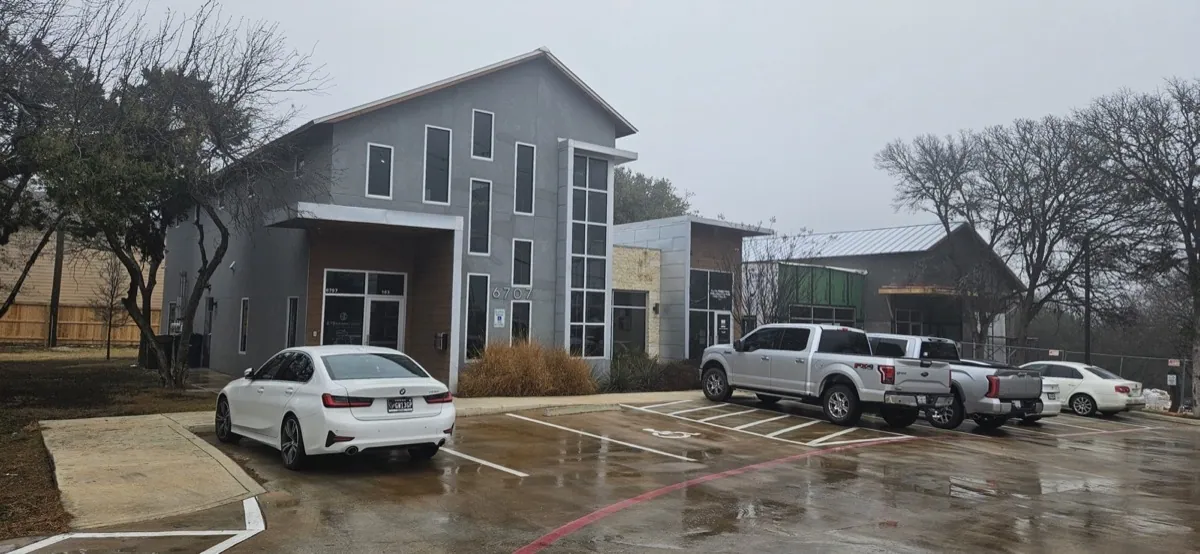
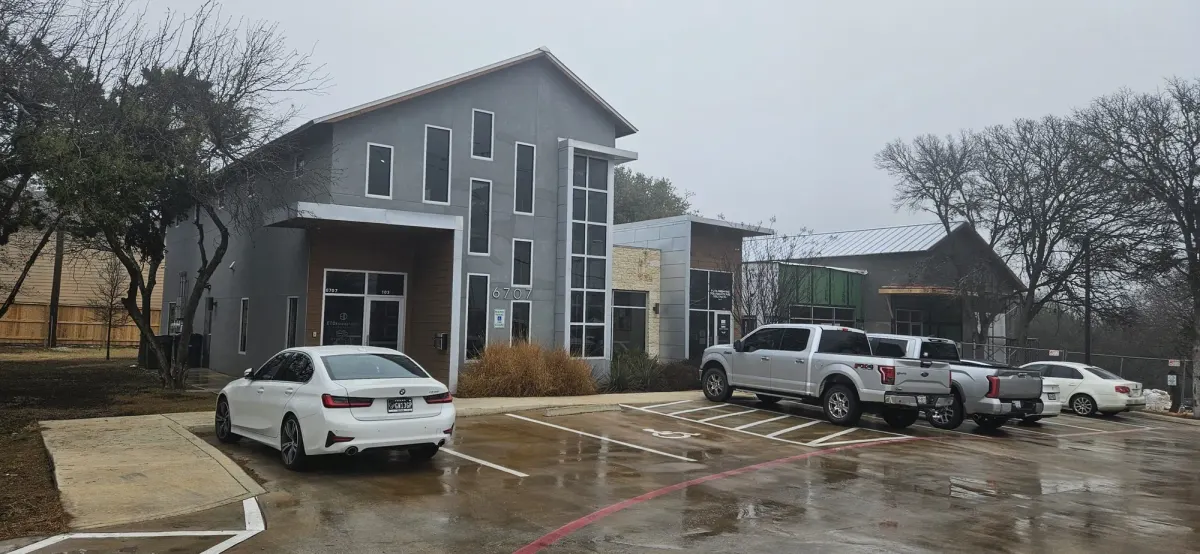 Outpatient
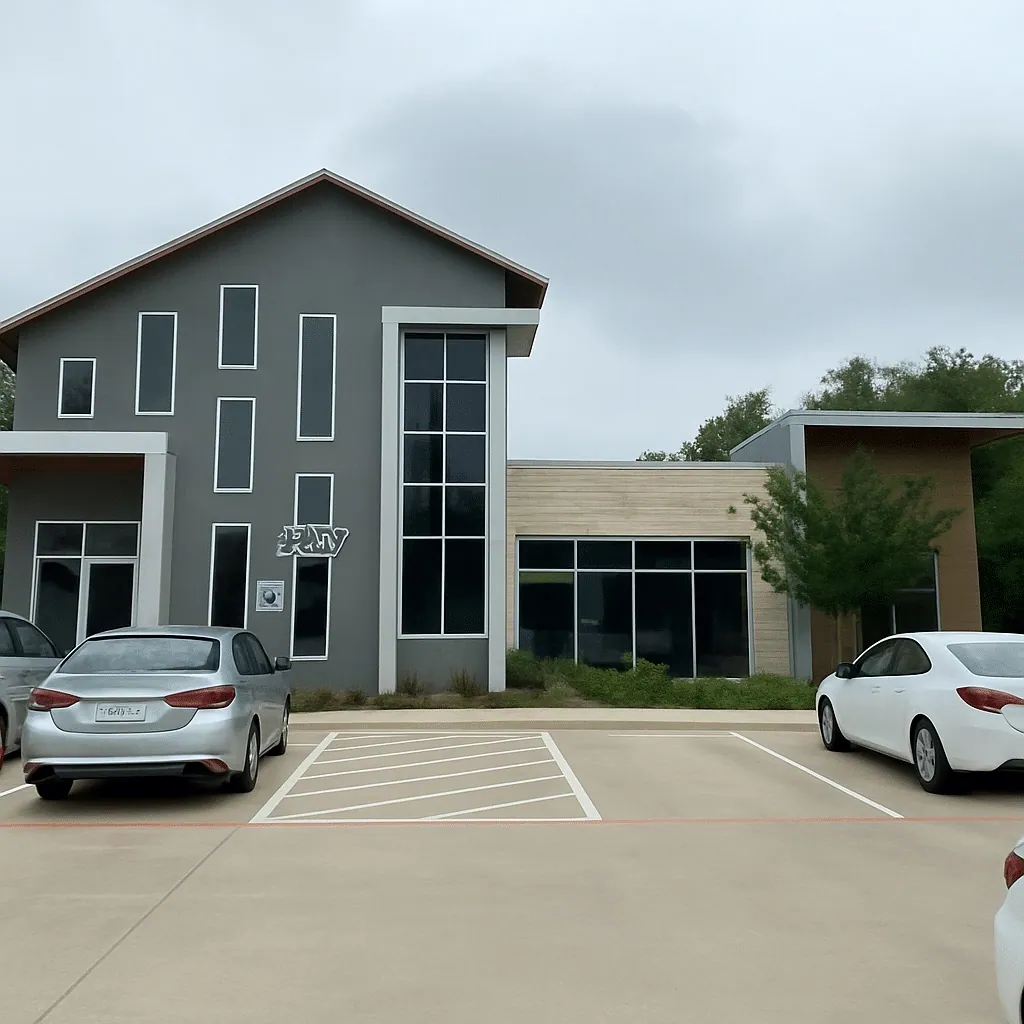
 San Antonio, TX
6707 W Hausman Rd · 78249
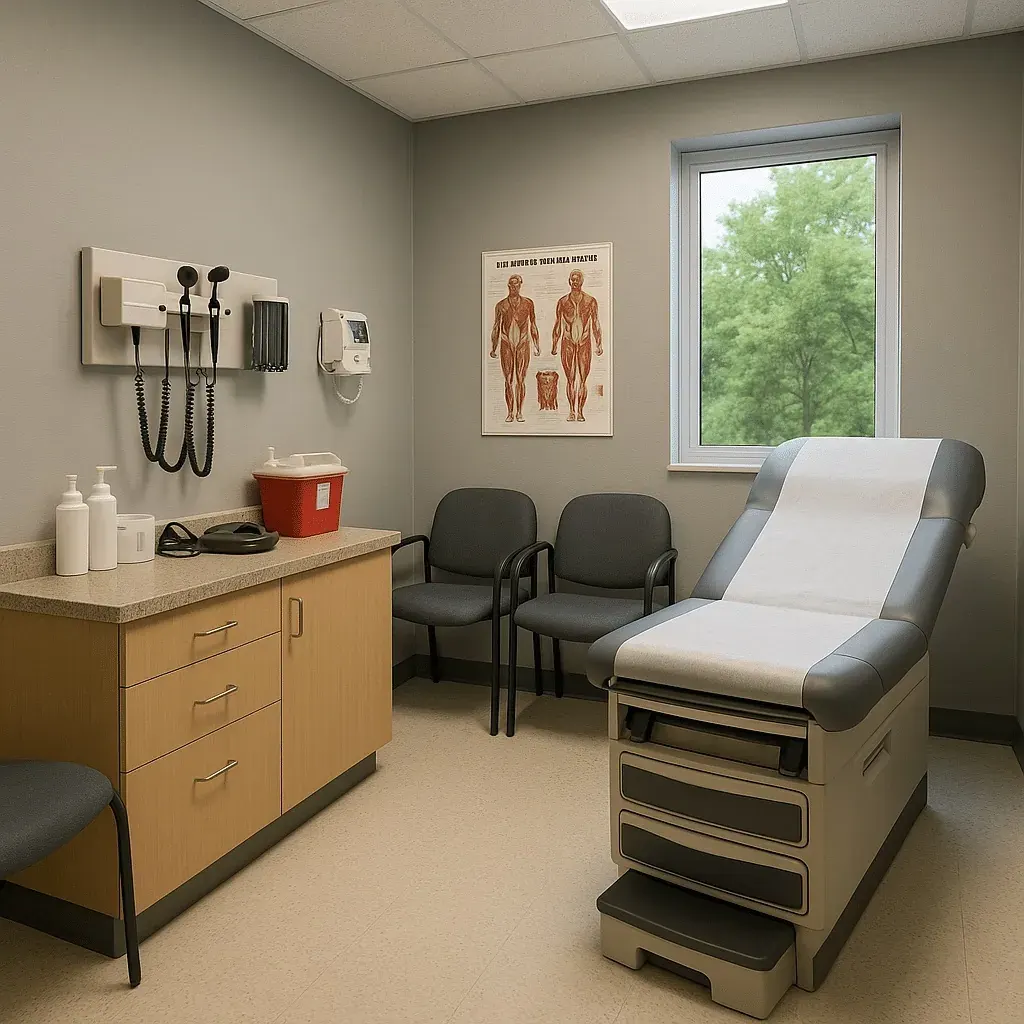
- Outpatient detox with scheduled medical visits
- Outpatient treatment
Outpatient Drug & Alcohol Detox – San Antonio, TX
-
 Inpatient
 Austin, TX
11711 N Lamar Blvd · 78753
- 15 beds
- On-site labs
- 24-hour medical staff
Alcohol & Drug Detox Services – Austin, TX
-
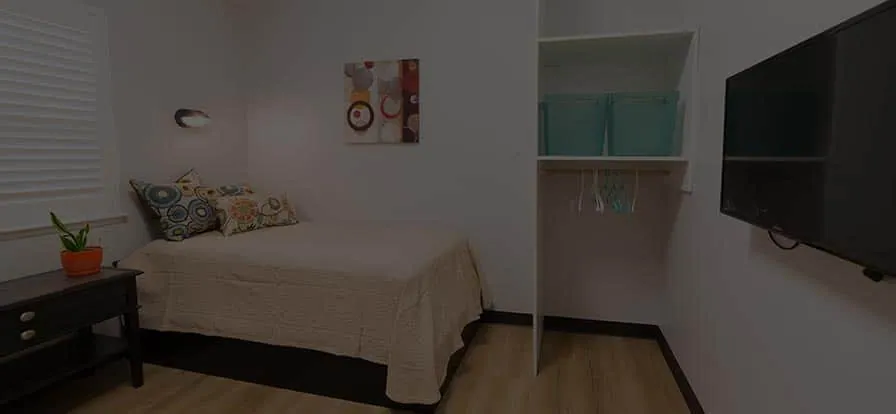 Inpatient
 Houston, TX
1019 Ashland St · 77008
- On-site labs
- 24-hour medical staff
Medical Detox Programs – Houston, TX
How Briarwood Detox Center fits into long‑term recovery on probation
Step 1: Safe, medically supervised detox
Detox is often the first requirement when substance use is active. Briarwood provides 24/7‑supported medical detox to manage withdrawal and stabilize you before the next level of care. For alcohol and certain drugs, withdrawal can be serious without medical oversight; our team reduces risk and discomfort so you can move forward.
If you’re searching for medically assisted detox near me, start with our program overview to see how we tailor medications and monitoring to your needs. Explore programs at Briarwood Detox Center.
Step 2: Transition planning for long‑term outpatient care
Detox is the beginning—not the finish line. Before discharge, we create a step‑down plan that can include intensive outpatient schedules, sober housing, or other long‑term supports, based on your clinical needs and court requirements. Our San Antonio team builds a written plan you can share (with your consent) with your PO.
Looking for outpatient long term drug San Antonio options after detox? Our San Antonio outpatient services are designed to help you continue care while maintaining work, school, and family responsibilities. See our San Antonio outpatient detox page.
Step 3: Communication and documentation for court
With a signed release of information, Briarwood can confirm admission and attendance dates, share treatment summaries when appropriate, and provide discharge documentation that outlines your next steps. Our admissions specialists are used to time‑sensitive court timelines and help you gather the right details quickly.
Outpatient options in San Antonio—built for real life
Briarwood’s outpatient detox treatment for alcohol in San Antonio provides medical care and structure while you keep key life commitments. It’s a good fit when symptoms are expected to be mild to moderate and you have reliable support. Our clinicians monitor vitals, manage medications, and adjust care as needed. Learn more about our San Antonio outpatient program.
For many people, outpatient detox is the start of a longer plan that includes ongoing therapy and support. Our San Antonio location outlines options that help you maintain progress over time. Read about alcohol and drug detox in San Antonio.
What your PO usually expects—and how we help you meet it
Clear admission and start dates
Courts want to see quick engagement in care. Briarwood admissions can often be completed the same day or within hours, depending on your situation. We’ll coordinate an intake that fits any court deadlines you’re facing.
Verification without sacrificing your privacy
We follow HIPAA standards. That means we only share information you allow, and only with the people you approve (like your PO). With your consent, we provide simple proof of admission, attendance, and discharge.
A realistic plan, not a quick fix
We work with you to map out next steps after detox—especially if the court expects continued care. That might include structured outpatient schedules and supportive housing that add accountability and stability while you rebuild daily routines.
Why start with medical detox if your goal is long‑term rehab?
Detox prepares your body and mind for therapy. It reduces acute withdrawal, improves safety, and helps you arrive at the next level of care ready to participate. Medical detox is linked with better early engagement and can lower the risk of complications—especially with alcohol, opioids, and benzodiazepines. Our team uses evidence‑based protocols and round‑the‑clock support so you can make a clean, confident transition
If you’ve been searching drug treatment centers San Antonio, start where safety comes first. Briarwood Detox Center—San Antonio offers the medical start and step‑down planning you need to move toward long‑term recovery.
Costs, insurance, and getting scheduled
Our admissions team handles insurance verification and explains any out‑of‑pocket costs before you arrive. We can expedite scheduling, arrange admission letters, and coordinate with your PO once you sign a release. To check benefits or ask about beds and outpatient availability, contact us directly.
When urgent timelines or court dates are involved, call now so we can begin the intake and provide documentation right away. Call our admissions team today at (210) 305-4522.
Local focus: San Antonio support through every step
Our San Antonio team understands local court processes and typical documentation requests. We help you start care quickly, keep you on track with appointments, and plan for continuation in the community. If you need transportation guidance or help organizing your schedule, let us know during your intake—our goal is a plan you can keep. See our San Antonio outpatient detox services.
If you or a family member needs immediate help with detox and coordination for long‑term care while on probation, we’re ready to assist now. Call our admissions team today at (210) 305-4522.
How Briarwood Detox Center Supports Outpatient Long‑Term Drug Care in San Antonio
FAQs: Outpatient Long‑Term Drug Treatment in San Antonio
What is outpatient detox and how does it work?+–
Outpatient detox provides medical oversight for withdrawal while you live at home. At Briarwood Detox Center, clinicians assess your health, monitor symptoms, use medications when appropriate, and schedule frequent check‑ins. The goal is to stabilize you safely and prepare you for the next step in care.
Is outpatient detox safe for alcohol withdrawal?+–
It can be safe for people with mild to moderate symptoms and reliable support at home. Briarwood evaluates your history, current use, vitals, and risk factors to confirm whether outpatient alcohol detox is appropriate or if a higher level of care is recommended.
How long does outpatient detox usually take in San Antonio?+–
Timelines vary by substance and health factors. Many people complete alcohol or drug detox stabilization in several days, with follow‑up visits continuing as needed. Briarwood sets a schedule that fits your symptoms and daily life.
Who is a good candidate for outpatient long‑term drug treatment?+–
Candidates typically have manageable withdrawal risks, stable housing, transportation, and the ability to attend frequent sessions. Briarwood screens each person to match the right level of care and then maps an outpatient plan you can keep.
What medications are used in medically assisted detox?+–
Depending on your needs, clinicians may use FDA‑approved medications to reduce cravings and withdrawal symptoms (for example, during alcohol or opioid withdrawal) along with supportive care. Briarwood individualizes medication plans and monitors you closely.
Can I keep my job or classes while in outpatient care?+–
Yes. Briarwood schedules visits and check‑ins around work or school when clinically appropriate. Your care plan balances safety, therapy time, and your real‑life responsibilities.
Does insurance cover outpatient detox in San Antonio?+–
Many plans include benefits for detox and ongoing treatment. Briarwood verifies coverage, explains costs before you start, and provides documentation upon your consent.
Can my probation officer require treatment or verify my attendance?+–
Courts may require engagement in treatment and ask for proof. With your written consent, Briarwood can provide simple verification of admission, attendance, and discharge planning that aligns with typical court expectations.
Can Briarwood coordinate with my probation officer during and after detox?+–
Yes. With your permission, our team supplies admission dates, appointment confirmations, and discharge summaries and helps you stay on schedule with court‑related requirements. If you’re on a tight timeline, we can expedite admissions and documentation. Call our admissions team today at (210) 305-4522
I’m searching “medically assisted detox near me.” What should I look for?+–
Look for licensed medical oversight, individualized medication protocols, clear safety monitoring, and a plan for what comes after detox. Briarwood provides all four, plus convenient scheduling and step‑down planning.
Do you offer outpatient detox treatment for alcohol in San Antonio?+–
Yes. Briarwood offers clinician‑guided outpatient alcohol detox for eligible adults and builds a follow‑up plan that supports long‑term stability.
How quickly can I start and get documentation for court or work?+–
Admissions can often begin the same day, depending on your clinical assessment and paperwork. Our staff can prepare confirmation letters and coordinate next steps as soon as you authorize us to share them. Call our admissions team today at (210) 305-4522
Related guides



About the people behind this guide
Anna-Grace Washington
Medical Content Writer
Anna-Grace Washington is a Medical Content Writer for Briarwood Detox Center. She holds a master’s degree in clinical psychology from the University of Texas and brings a strong understanding of behavioral health, addiction recovery, and evidence-based treatment concepts to her writing.
Dr. Robert Ulrich, DO
Medical Director
Dr. Robert Ulrich serves as Medical Director at Briarwood Detox Center, bringing more than two decades of clinical neurology experience to the treatment of substance use disorders. He is board-certified in neurology by the American Board of Psychiatry and Neurology and completed his neurology residency at UT Southwestern Medical Center in Dallas, where he served as Chief Resident.
In network with most major insurance
Find your plan and see what detox would cost
Most plans cover medical detox. Coverage varies by plan, so we verify it for you before you commit to anything.


















Don't see your plan? We work with out-of-network benefits and offer self-pay options — (210) 305-4522
- Confidential
- Takes about 2 minutes
- No obligation to admit
- Accredited The Joint Commission
- Rated 5.0 · 80 Google reviews Flourishing Foundations Recovery, now part of Briarwood
- Admissions 24 hours a day