
Guide
How to Help a Homeless Drug Addict in San Antonio
Joint Commission accredited · In network with most major insurance · Admissions answered 24 hours a day
Published November 7, 2025
Reviewed and updated July 29, 2026
Key Takeaways · 8 points
- Start with safety, respect, and immediate help. Use the CHCS 24/7 helpline for guidance or call 911 in a medical emergency.
- Outpatient care can work for people without housing. Flexible schedules and case management make it possible to engage while basic needs are addressed.
- Follow a simple, step‑by‑step plan to offer help. Begin with immediate needs, connect to shelter and case management, add outpatient treatment, use harm reduction, and keep the door open.
- Know the local places to call or visit in San Antonio. Haven for Hope, CHCS, and the Bexar County directory are reliable starting points.
- Understand what outpatient treatment includes. Expect assessment, counseling, medication management, and coordinated case management; many programs also offer IOP schedules.
- Plan for practical barriers and workarounds. Ask about intake without ID, transportation options, and flexible scheduling when you call.
- Support families and friends as part of care. Keep communication open and encourage small, realistic next steps while maintaining self‑care.
- Use medical detox first when withdrawal is severe. After stabilization, step down to outpatient care and confirm how programs coordinate transitions.
Break Free from Addiction. Detox Safely in San Antonio Today.
Medically Supervised Detox – Compassionate Care Starts Here.
Helping someone who is both unhoused and struggling with drugs can feel overwhelming. In San Antonio, there are established pathways into care, including outpatient options that can meet people where they are. Below is a clear, practical guide you can use today.
First Priorities — Safety, Respect, and Immediate Help
If the person is in medical danger or unresponsive, call 911. If they are in emotional crisis or you are unsure what to do, call the 24/7 Crisis & Substance Use Helpline for Bexar County at 1‑800‑316‑9241 or 210‑223‑SAFE (7233) to receive guidance and referrals. This helpline is operated by The Center for Health Care Services (CHCS), the local mental health and substance use authority.
Speak calmly, listen without judgment, and avoid arguments about drug use. Offer choices rather than demands. When the person is ready, the goal is to link them to low‑barrier shelter, case management, and outpatient treatment.
Why Outpatient Care Can Work for People Without Housing
Outpatient treatment can be practical for people living on the street or in temporary shelter because it allows them to keep appointments while still working on basic needs. San Antonio has multiple outpatient and intensive outpatient (IOP) options, along with crisis lines and case management to coordinate care. CHCS lists outpatient services, therapy, psychiatric care, and case management, and provides a single number to connect with clinics. Learn more about our Outpatient Drug & Alcohol Detox in San Antonio.
National guidance supports combining treatment with housing navigation and case management for people experiencing homelessness. Programs funded through SAMHSA pair recovery support with housing and wraparound services to improve engagement.
Where we are
Detox centers across Texas
Three locations, each with its own admissions line and its own clinical team. Pick the one nearest you — or call and we will tell you which has a bed tonight.
-
 Outpatient
 San Antonio, TX
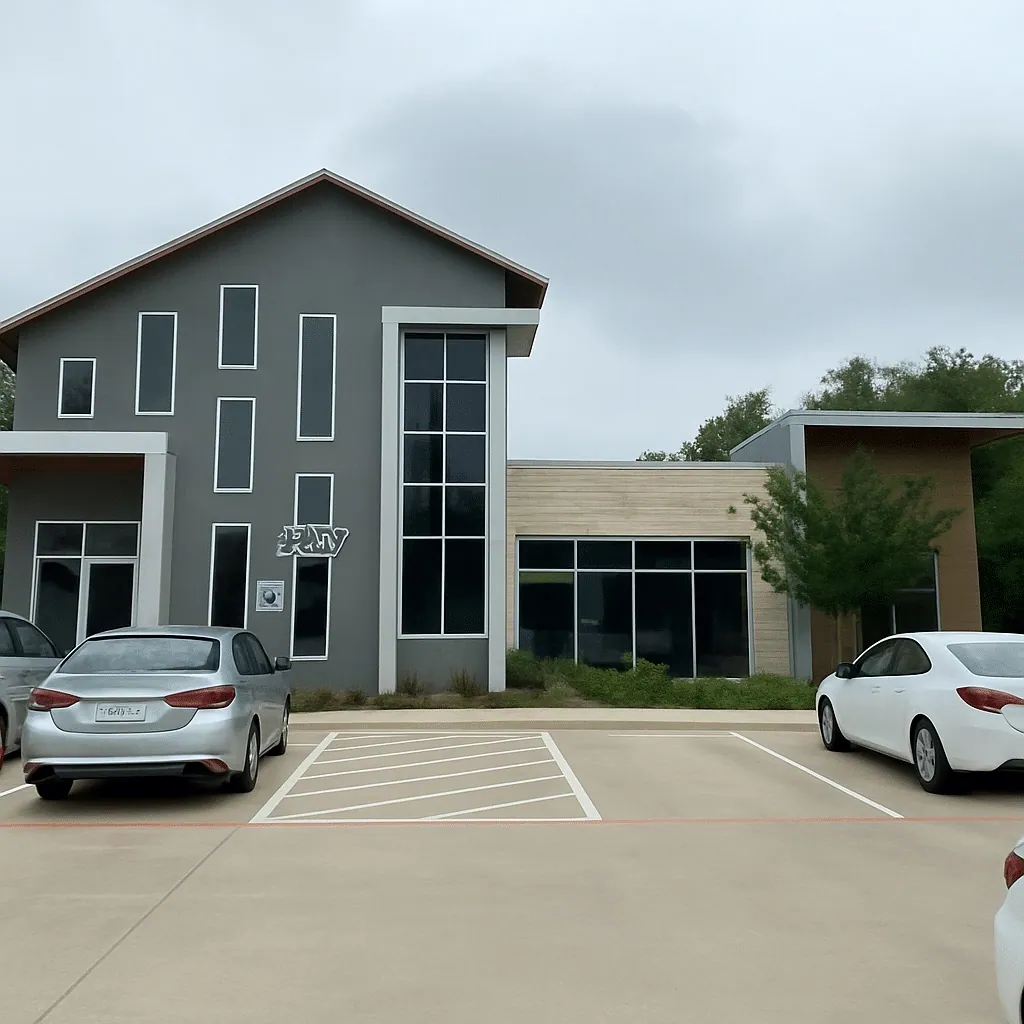
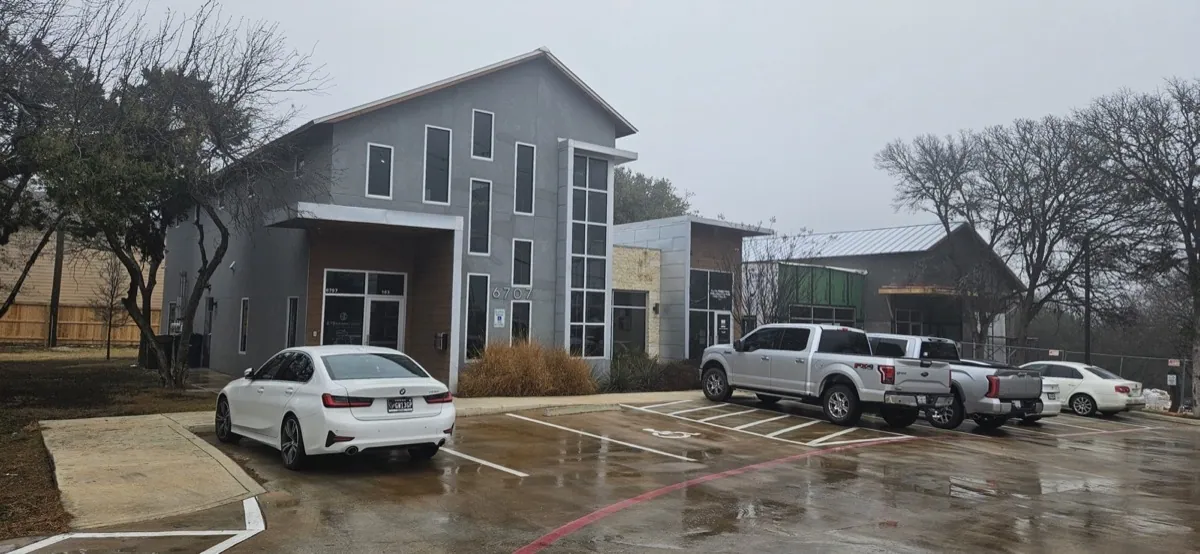
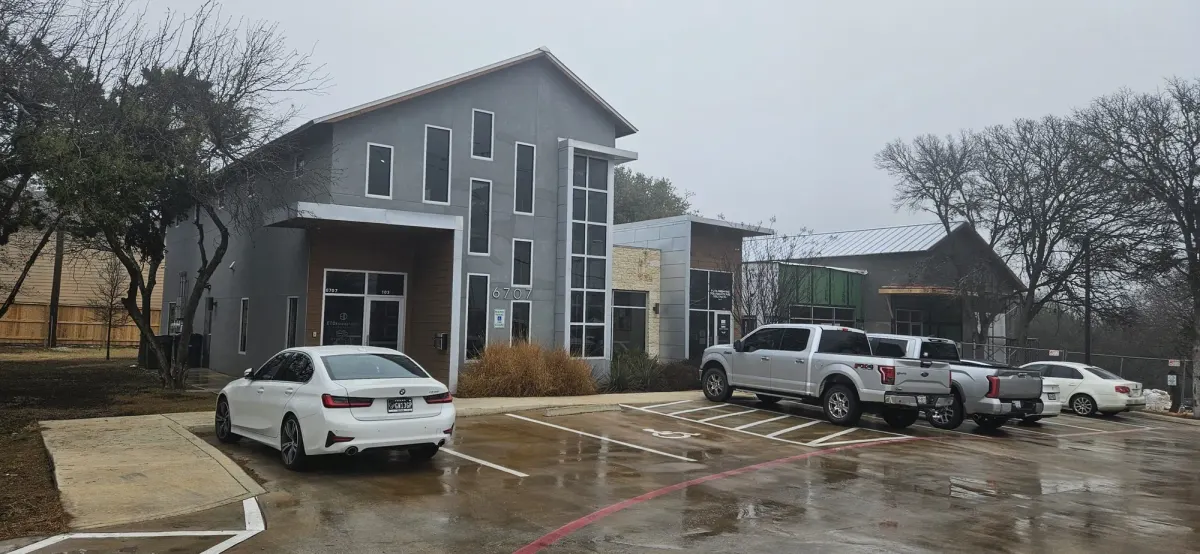
6707 W Hausman Rd · 78249
- Outpatient detox with scheduled medical visits
- Outpatient treatment
Outpatient Detox in San Antonio — Start Today
-
Alcohol & Drug Detox — San Antonio Campus
Briarwood
Alcohol & Drug Detox — San Antonio Campus
-
Find Our San Antonio Detox Center
Briarwood
Find Our San Antonio Detox Center
Step‑by‑Step: How to Help Someone Today
1st Step — Ask What They Need Right Now
Start with immediate needs: water, food, a place to sleep, a ride to an intake site, or help making a phone call. If they agree, contact the CHCS helpline together on speaker so they can hear options and schedule an assessment.
2nd Step — Connect to Low‑Barrier Shelter and Case Management
Haven for Hope is San Antonio’s primary low‑barrier shelter and service campus, offering safe sleeping quarters and access to housing, education, counseling, and support. The City’s information page lists the address (1 Haven for Hope Way, San Antonio, TX 78207) and main number (210‑220‑2100) for assistance.
Hospitals and facilities discharging a homeless patient can use a formal Haven for Hope referral process, which can also be a path into services for people coming from emergency care.
3rd Step — Add Outpatient Treatment
Outpatient options in San Antonio range from public clinics to private IOPs. CHCS provides outpatient care (therapy, medication management, and rehab skills training) and can coordinate services across locations by calling 210‑261‑CHCS (2427).
Private programs also operate IOPs in San Antonio, which typically include group and individual counseling, relapse‑prevention planning, education, and peer support. For example, New Day Recovery Services and San Antonio Recovery Center describe IOP offerings that include structured therapy, aftercare, and alumni support. These examples show what local IOPs may provide.
4th Step — Use Harm Reduction While Treatment Is Arranged
If overdose risk is present, you can seek naloxone (Narcan) and fentanyl test strips. San Antonio organizations have distributed free Narcan in high‑risk areas, and national directories can help locate harm‑reduction services.
5th Step — Keep the Door Open
Relapse and ambivalence are common. Encourage small steps like attending one group session, visiting an intake desk, or calling the helpline. A consistent, respectful relationship often leads to treatment engagement.
Where To Find Services in San Antonio
Crisis and 24/7 Support
- CHCS Crisis & Substance Use Helpline: 1‑800‑316‑9241 or 210‑223‑SAFE (7233).
- Bexar County Substance Abuse Treatment Directory: A county page listing programs such as outpatient treatment, Narcotics Anonymous, and methadone services; it also points to CHCS and other agencies.
Low‑Barrier Shelter and Navigation
- Haven for Hope — Services include safe sleeping quarters and access to case management designed to transition people toward housing. Address: 1 Haven for Hope Way. Phone: 210‑220‑2100.
Public Outpatient and Community Clinics
- CHCS Outpatient Services — Psychiatric evaluation, medication management, individual and group therapy, psychosocial rehab, and case management at multiple locations. Start by calling 210‑261‑CHCS (2427).
Examples of Local IOP/Outpatient Programs
- New Day Recovery Services – IOP — Describes relapse‑prevention planning, group therapy, individual counseling, and aftercare.
- San Antonio Recovery Center — Lists medical detox, residential care, intensive outpatient programs, aftercare, and alumni services as part of a continuum.
Note: Listings above are examples to illustrate outpatient options. Program availability and eligibility can change; call to confirm details.
Harm Reduction Resources
- Local news coverage reports San Antonio programs distributing free Narcan in high‑risk areas.
- Harm Reduction Directory: National map for syringe access, naloxone by mail, and related supports.
State and Federal Supports That Help With Housing + Treatment
- Texas HHS lists programs for people who are homeless or at risk, including supported housing and related assistance.
- SAMHSA provides homelessness program guidance and resources that combine case management, housing support, and treatment engagement.
What Outpatient Treatment Looks Like
Core Services You Can Expect
- Assessment and Care Planning — A clinician evaluates needs and co‑occurring conditions to build a plan. (CHCS and many IOPs follow this approach.)
- Counseling — Individual and group therapy focused on coping skills, relapse prevention, and recovery supports.
- Medication and Medical Care — Many outpatient settings coordinate with prescribers for medications that treat withdrawal or cravings. (CHCS lists medication management as part of outpatient services.)
- Case Management — Linking clients to IDs, benefits, transportation, or housing navigation; emphasized in SAMHSA homelessness resources.
When Detox Comes First
If withdrawal symptoms are severe, medical detox may be a necessary first step before outpatient care. “Medical detox centers” provide supervised withdrawal and then refer to outpatient programs for ongoing treatment. (Descriptions of local and statewide resources show detox feeding into IOP and outpatient care.) See more at Alcohol and Drug Detox in San Antonio.
Practical Barriers and Workarounds
No ID, No Insurance, or No Phone
Public providers can help start services even when documents are missing and can assist with enrollment and coordination. Calling the CHCS helpline is a good starting point to understand current intake policies.
Transportation and Scheduling
Outpatient programs often offer flexible scheduling. Some programs coordinate transportation or are reachable by bus; confirm options when you call. The Bexar County directory and CHCS line can advise on logistics and referrals.
Notes for Families and Friends
Keep Communication Open
Offer rides, charge phones, store important documents, and check in after appointments. Encourage small milestones and celebrate progress.
Take Care of Yourself
Seek your own support through counseling or peer groups. Recovery often takes time and repeated attempts.
How Briarwood Detox Fits Into the Picture
Some people need medical detox before they can participate in outpatient care. Programs like medical detox centers stabilize withdrawal and then refer clients to outpatient treatment in their home community, including San Antonio. If you are supporting someone who needs detox first, ask any provider how they coordinate the transition to outpatient care and case management.
How Briarwood Detox Center Helps with Outpatient Drug Rehab in San Antonio
Briarwood Detox Center helps San Antonio residents move from stabilization to ongoing care. Our team completes a careful assessment, coordinates medical detox when needed, and builds a clear step‑down plan. If you are searching “outpatient drug addict San Antonio,” we connect you with trusted outpatient and intensive outpatient (IOP) providers in the city. We verify insurance benefits, schedule first appointments, and share clinical information so care continues without delays. When appropriate, we coordinate medication‑assisted treatment and peer support. We also link clients to transportation, housing resources, and community services that make treatment possible. Families receive guidance on how to support recovery and navigate local options. After discharge, we follow up and adjust referrals to keep progress on track. With Briarwood Detox Center, you get fast referrals and a smooth handoff into outpatient care close to home.
Frequently Asked Questions About Outpatient Drug Rehab and Homeless Support in San Antonio
What is outpatient drug rehab and how does it work?+–
Outpatient rehab provides counseling, medication services, and recovery supports while you live at home. It includes individual and group therapy and care coordination delivered at clinics or community sites. Texas HHS lists outpatient and related services as part of the statewide continuum of care.
How long does intensive outpatient (IOP) treatment usually last?+–
SAMHSA notes IOPs generally provide at least 9 hours of services per week, and national data show a typical IOP episode spans about 8–12 weeks. Programs vary by need and insurer.
Is outpatient rehab effective compared with inpatient care?+–
Reviews find that, when people are appropriately placed, IOP outcomes can be comparable to inpatient for many individuals, with strong evidence of benefit.
Do you need detox before starting outpatient rehab?+–
If withdrawal could be dangerous, medical detox or withdrawal management should come first, then step‑down to outpatient care. FDA‑approved medications can also support withdrawal and cravings.
Can I start treatment in Texas if I don’t have insurance?+–
Yes. Texas’ OSAR program offers free outreach, screening, assessment, and referral to help anyone find services and the right level of care.
Where can I find outpatient addiction services in San Antonio?+–
The Center for Health Care Services (CHCS) lists outpatient clinics, medication management, and therapy. Bexar County’s directory also points to local outpatient programs and recovery resources.
How can a homeless person in San Antonio get shelter and connect to treatment?+–
Haven for Hope provides low‑barrier shelter and service navigation, including referrals. The City’s Homeless Services resources and hotline can also connect people to help.
Where can I get free naloxone (Narcan) in Texas?+–
Use the Texas DSHS Naloxone Distribution Interactive Map to locate free naloxone near you. It’s part of the state’s overdose‑prevention effort.
What’s the difference between IOP and PHP?+–
IOP (ASAM 2.1) usually involves ≥9 hours/week of counseling and education. PHP (ASAM 2.5) delivers more hours and structure each week.
What medications are used for opioid or alcohol use disorders?+–
SAMHSA lists methadone, buprenorphine, and naltrexone for opioid use disorder and naltrexone, acamprosate, and disulfiram for alcohol use disorder, alongside counseling.
Who do I call for a mental health or substance‑use crisis?+–
In the U.S., dial 988 to reach the Suicide & Crisis Lifeline for 24/7 support by call, text, or chat.
How do I get a fast intake or referral in Bexar County?+–
Start with OSAR for statewide referrals, or call CHCS to connect with local outpatient clinics and assessments.
Related guides


About the people behind this guide
Anna-Grace Washington
Medical Content Writer
Anna-Grace Washington is a Medical Content Writer for Briarwood Detox Center. She holds a master’s degree in clinical psychology from the University of Texas and brings a strong understanding of behavioral health, addiction recovery, and evidence-based treatment concepts to her writing.
Dr. Robert Ulrich, DO
Medical Director
Dr. Robert Ulrich serves as Medical Director at Briarwood Detox Center, bringing more than two decades of clinical neurology experience to the treatment of substance use disorders. He is board-certified in neurology by the American Board of Psychiatry and Neurology and completed his neurology residency at UT Southwestern Medical Center in Dallas, where he served as Chief Resident.
In network with most major insurance
Find your plan and see what detox would cost
Most plans cover medical detox. Coverage varies by plan, so we verify it for you before you commit to anything.









Don't see your plan? We work with out-of-network benefits and offer self-pay options — (210) 305-4522
- Confidential
- Takes about 2 minutes
- No obligation to admit
- Accredited The Joint Commission
- Rated 5.0 · 80 Google reviews Flourishing Foundations Recovery, now part of Briarwood
- Admissions 24 hours a day