
Guide
What Does Alcohol Detox Feel Like and How Long Does It Take?
Joint Commission accredited · In network with most major insurance · Admissions answered 24 hours a day


Published April 16, 2026
Reviewed and updated July 29, 2026
Why Alcohol Withdrawal Happens in the First Place
The Alcohol Detox Timeline: Hour by Hour and Day by Day
The alcohol detox timeline generally follows a predictable progression, though the intensity and duration can vary based on how long you’ve been drinking, how much you drink daily, your age, weight, overall health, and whether you’ve experienced withdrawal before. Here’s what the typical timeline looks like:
Hours 6–12: Early Onset Symptoms
Withdrawal symptoms typically begin within 6 to 12 hours of your last drink — sometimes even while there’s still alcohol in your system. Early symptoms are often mild but can feel alarming if you don’t know what’s happening. These may include:
- Anxiety and restlessness
- Headache
- Nausea or stomach upset
- Mild tremors (shakiness)
- Irritability or mood swings
- Increased heart rate and blood pressure
- Difficulty sleeping
Hours 12–24: Escalation
As the first day progresses, symptoms often intensify. This is when some people experience alcohol withdrawal seizures, which can occur without warning in those with a history of heavy, long-term drinking or prior withdrawal episodes. Hallucinations — typically visual or auditory — can also begin during this window. These are not the same as DTs, but they are a warning sign that the withdrawal is becoming more serious.Hours 24–72: Peak Withdrawal
The 24 to 72-hour window is generally when alcohol withdrawal is most intense. For most people, this is the hardest part of the detox experience. Symptoms during peak withdrawal can include:
- Severe tremors or shaking
- Profuse sweating and fever
- Rapid heartbeat and elevated blood pressure
- Confusion or disorientation
- Intense anxiety or panic
- Vomiting and dehydration
- Seizures (in high-risk individuals)
- Delirium tremens in severe cases
Days 4–7: Gradual Improvement
For the majority of people, the most acute physical symptoms begin to ease after the 72-hour mark. By days 4 through 7, many people start to feel physically more stable. Sleep may still be disrupted, and emotional symptoms like anxiety and depression often persist, but the physical danger window typically begins to close.
Weeks 2–4: Post-Acute Withdrawal (PAWS)
Some people experience what’s known as post-acute withdrawal syndrome (PAWS) — a set of lingering symptoms that can persist for weeks or even months after the acute phase ends. These symptoms are primarily psychological and may include:- Mood swings and irritability
- Brain fog and difficulty concentrating
- Sleep disturbances
- Low energy and motivation
- Strong cravings for alcohol
- Anxiety and mild depression
What Factors Affect How Long Alcohol Detox Takes?
The alcohol detox duration is not the same for everyone. Several factors influence how intense your withdrawal experience will be and how long it lasts:
- Duration of alcohol use: The longer you’ve been drinking heavily, the more time your brain has adapted — and the more time it may need to readjust.
- Amount consumed daily: Heavy daily drinkers generally experience more severe and prolonged withdrawal than occasional binge drinkers.
- Prior withdrawal history: Each withdrawal episode can sensitize the nervous system through a process called “kindling,” making future withdrawals potentially more severe.
- Age and overall health: Older individuals and those with underlying health conditions such as liver disease, heart issues, or nutritional deficiencies may experience more complications.
- Dual diagnosis conditions: Mental health conditions like anxiety, depression, or PTSD can intensify withdrawal symptoms. If this applies to you, dual diagnosis support during detox can make a significant difference in your comfort and safety.
- Nutrition and hydration: Chronic alcohol use often depletes essential vitamins and minerals. Deficiencies in B vitamins, especially thiamine, can worsen neurological symptoms during withdrawal.
What Does Alcohol Detox Actually Feel Like Emotionally?
The physical symptoms of alcohol withdrawal get a lot of attention — and rightly so, given the medical risks involved — but the emotional experience of detox is equally real and equally challenging. Many people describe the emotional landscape of early detox as:
- A deep sense of vulnerability or rawness
- Waves of shame, regret, or grief
- Fear about what comes next in sobriety
- Unexpected moments of hope or clarity
- Emotional sensitivity that feels overwhelming
Where we are
Detox centers across Texas
Three locations, each with its own admissions line and its own clinical team. Pick the one nearest you — or call and we will tell you which has a bed tonight.
-
 Inpatient
 Austin, TX
11711 N Lamar Blvd · 78753
- 15 beds
- On-site labs
- 24-hour medical staff
Drug & Alcohol Detox in Austin, TX
-
 Inpatient
 Houston, TX
1019 Ashland St · 77008
- On-site labs
- 24-hour medical staff
Drug Detox Center in Houston, TX
-
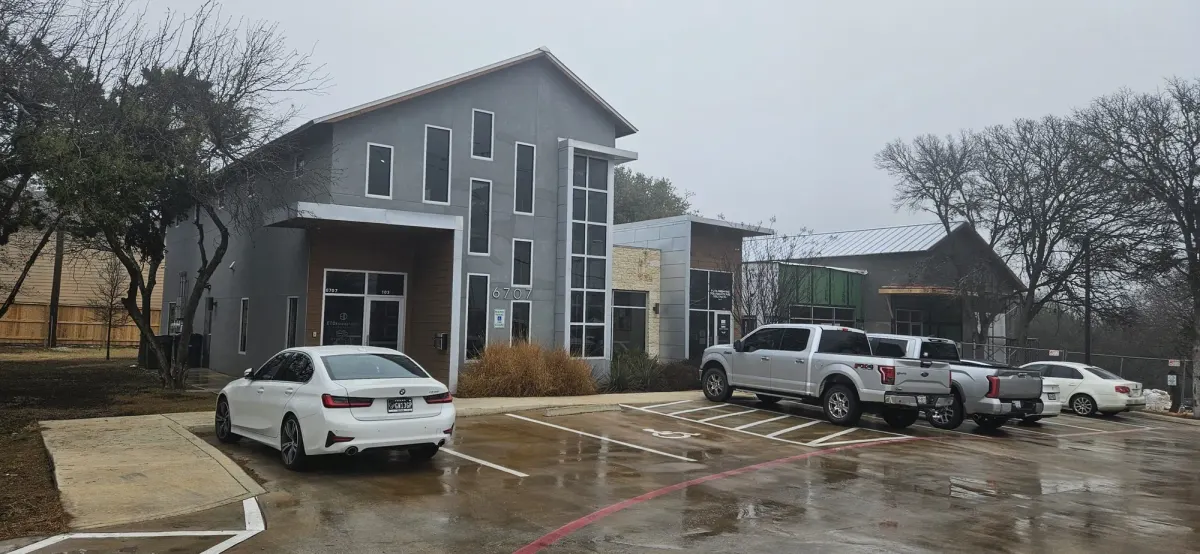 Outpatient
 San Antonio, TX
6707 W Hausman Rd · 78249
- Outpatient detox with scheduled medical visits
- Outpatient treatment
Outpatient Drug & Alcohol Detox in San Antonio
How Medical Detox for Alcohol Withdrawal Makes a Difference
You don’t have to white-knuckle your way through withdrawal. Medical detox for alcohol withdrawal involves 24/7 clinical supervision, medications to reduce the severity of symptoms, and a compassionate care team that monitors your vitals and adjusts your treatment plan in real time. Common medications used in alcohol detox include:
- Benzodiazepines (such as Librium or Valium) — the gold standard for reducing seizure risk and managing anxiety during withdrawal
- Anticonvulsants — used in some protocols to prevent and treat seizures
- Beta-blockers — to manage elevated heart rate and blood pressure
- IV fluids and vitamins — especially thiamine (B1) to prevent serious neurological complications like Wernicke’s encephalopathy
- Anti-nausea medications — to improve comfort and help with hydration
The goal isn’t just to get you through withdrawal — it’s to make the process as safe and comfortable as possible so you can start your recovery journey from a stable foundation. Learn more about what a fully supervised alcohol detox in Austin looks like at Briarwood Detox Center.
What Comes After Alcohol Detox?
Completing alcohol detox is a significant and courageous achievement, but it’s important to understand that detox is the beginning of recovery — not the end. Once your body has stabilized, the next step is addressing the psychological and behavioral patterns that drove your drinking in the first place. Most people benefit from stepping into a higher level of care after detox, such as:
- Residential treatment (inpatient): Provides structured, round-the-clock support in a therapeutic environment
- Partial hospitalization programs (PHP): Intensive treatment during the day with evenings at home or in sober living
- Intensive outpatient programs (IOP): A flexible option that allows you to maintain work or family responsibilities while receiving robust clinical support
- Individual therapy and counseling: Addresses underlying trauma, mental health, and coping strategies
- 12-step programs and peer support: Groups like Alcoholics Anonymous (AA) offer community and accountability in long-term sobriety
You Don’t Have to Face Alcohol Detox Alone
Frequently Asked Questions
What are the first signs of alcohol withdrawal?
The first signs of alcohol withdrawal typically appear within 6 to 12 hours after your last drink. Early symptoms include anxiety, restlessness, nausea, sweating, headache, insomnia, and hand tremors. These initial symptoms can range from mild to moderate, but they signal that your body has become physically dependent on alcohol. It is important to seek medical supervision during this stage, as symptoms can escalate rapidly.
How long does alcohol detox take from start to finish?
Alcohol detox generally takes between 5 and 7 days for most people, though the timeline varies based on the severity of dependence. Symptoms typically begin within 6 to 12 hours after the last drink, peak in intensity between 24 and 72 hours, and gradually subside over the following days. Some individuals may experience post-acute withdrawal symptoms (PAWS) such as mood swings, anxiety, and sleep disturbances for several weeks or even months after the acute detox phase.
Is it dangerous to detox from alcohol at home?
Detoxing from alcohol at home can be extremely dangerous, especially for heavy or long-term drinkers. Severe alcohol withdrawal can cause life-threatening complications including seizures, delirium tremens (DTs), dangerously high blood pressure, and cardiac events. Medical detox programs provide 24/7 monitoring, medications to ease withdrawal symptoms, and immediate medical intervention if complications arise. Doctors strongly recommend professional medical detox rather than attempting to quit cold turkey at home.
What medications are used during alcohol detox?
During medical alcohol detox, physicians commonly prescribe benzodiazepines such as diazepam or lorazepam to manage anxiety, prevent seizures, and reduce the severity of withdrawal symptoms. Other medications may include anti-nausea drugs, vitamins (especially thiamine and folic acid to address nutritional deficiencies), and medications to manage blood pressure and heart rate. The specific medication protocol is tailored to each patient based on their symptoms and medical history.
What happens after alcohol detox is complete?
After completing alcohol detox, the next step is transitioning into a comprehensive treatment program that addresses the psychological and behavioral aspects of addiction. This typically includes residential or outpatient rehab with individual therapy, group counseling, 12-step meetings, and relapse prevention planning. Many people also benefit from sober living arrangements and aftercare programs that provide ongoing structure and support during early recovery.Ready to Start Your Recovery in Austin?
If you or someone you love needs more than detox, Briarwood Detox Center also provides austin tx drug rehab.
Briarwood Detox Center’s alcohol detox program provides medically supervised, evidence-based care.
Does your insurance cover detox in Austin?
Find out in about 2 minutes — free, confidential, no obligation.
Verify InsuranceBriarwood Detox Center offers medically supervised detox in Austin. Explore our locations, see the facility, and verify your insurance in minutes.
Ready to talk to someone now? Briarwood Detox Center's admissions team is here 24/7, and every call is confidential. Call (866) 710-7710. See our locationsQuick Answers: Alcohol Detox Timeline
How long does alcohol detox take?
Medically supervised alcohol detox typically lasts 5–10 days. The acute withdrawal phase peaks at 24–72 hours, with symptoms like tremors, anxiety, nausea, and sweating. Severe symptoms such as delirium tremens (DTs) or seizures can occur 48–96 hours after the last drink and require immediate medical intervention. Most physical symptoms resolve within one week, though post-acute withdrawal (PAWS) can persist for weeks or months.
What happens during the first 72 hours of alcohol detox?
The first 72 hours are the most medically critical. Hour 6–12: anxiety, tremors, headache, nausea begin. Hour 12–24: symptoms intensify; elevated heart rate and blood pressure. Hour 24–48: peak withdrawal symptoms; hallucinations may occur. Hour 48–72: highest risk for seizures and delirium tremens (confusion, fever, severe agitation). Medical detox facilities monitor vital signs continuously and administer medications like benzodiazepines to prevent life-threatening complications.
Is medical detox necessary for alcohol withdrawal?
Yes, for moderate to heavy drinkers, medical detox is strongly recommended and often life-saving. Alcohol withdrawal can cause fatal complications including seizures, delirium tremens, cardiac arrhythmias, and severe dehydration. Medical detox provides 24/7 monitoring, medications to reduce seizure risk, IV hydration, and emergency intervention if needed. At-home detox without medical supervision is dangerous and has a significantly higher mortality risk.
What medications are used during alcohol detox?
- Benzodiazepines (lorazepam, diazepam, chlordiazepoxide): prevent seizures and reduce anxiety, tremors, agitation
- Anticonvulsants (carbamazepine, gabapentin): additional seizure prevention
- Beta-blockers (atenolol, propranolol): control elevated heart rate and blood pressure
- Anti-nausea medications (ondansetron): manage GI symptoms
- Vitamins (thiamine B1, folic acid, multivitamins): correct nutritional deficiencies and prevent Wernicke-Korsakoff syndrome
How soon after my last drink should I enter detox?
Ideally, you should be admitted to medical detox within 6–12 hours of your last drink, before severe withdrawal symptoms begin. If you're a chronic heavy drinker (consuming daily for weeks or months), symptoms can escalate quickly. Early admission allows medical staff to begin monitoring and preventive treatment before the most dangerous 48–72 hour window. If you're already experiencing tremors, rapid heart rate, or confusion, seek emergency care immediately.
Briarwood Detox Center provides 24/7 medically supervised alcohol detox in Austin, TX. Our clinical team monitors patients around the clock, administers evidence-based medications, and creates individualized care plans to ensure safe, comfortable withdrawal. We accept most major insurance plans and offer immediate admission. Call us anytime at (866) 710-7710 to verify coverage and begin care today.
Related Resources
Related guides



About the people behind this guide
Anna-Grace Washington
Medical Content Writer
Anna-Grace Washington is a Medical Content Writer for Briarwood Detox Center. She holds a master’s degree in clinical psychology from the University of Texas and brings a strong understanding of behavioral health, addiction recovery, and evidence-based treatment concepts to her writing.
Dr. Robert Ulrich, DO
Medical Director
Dr. Robert Ulrich serves as Medical Director at Briarwood Detox Center, bringing more than two decades of clinical neurology experience to the treatment of substance use disorders. He is board-certified in neurology by the American Board of Psychiatry and Neurology and completed his neurology residency at UT Southwestern Medical Center in Dallas, where he served as Chief Resident.
In network with most major insurance
Find your plan and see what detox would cost
Most plans cover medical detox. Coverage varies by plan, so we verify it for you before you commit to anything.


















Don't see your plan? We work with out-of-network benefits and offer self-pay options — (866) 710-7710
- Confidential
- Takes about 2 minutes
- No obligation to admit

- Accredited The Joint Commission
- Rated 4.7 · 183 Google reviews Flourishing Foundations Recovery, now part of Briarwood
- Admissions 24 hours a day