
Guide
Signs You Need Medical Detox in Austin Instead of Quitting on Your Own
Joint Commission accredited · In network with most major insurance · Admissions answered 24 hours a day

Published May 8, 2026
Reviewed and updated July 29, 2026
Why Quitting Cold Turkey Isn't Always Safe
It's a common assumption that if you can summon enough willpower, you can simply stop using. For some people with mild dependence, that may be true. But for many others — especially those who have been using heavily or for a long period of time — the body has adapted so deeply to the presence of a substance that suddenly removing it triggers a dangerous physiological reaction known as withdrawal. Withdrawal is not just uncomfortable. Depending on the substance, withdrawal can include seizures, severe dehydration, cardiac complications, and in some cases, death. This is why medical professionals consistently advise against unsupervised detox for anyone with significant physical dependence. A medical detox program provides 24/7 monitoring, medication-assisted treatment, and clinical support to keep you safe and as comfortable as possible during this critical phase.
Signs You Need Medical Detox Instead of Quitting Cold Turkey
Not every person who stops drinking or using drugs needs inpatient medical care. But the following signs strongly suggest that medically supervised detox is the right — and safest — path forward.
1. You Have a History of Severe Withdrawal Symptoms
If you've tried to quit before and experienced shaking, sweating, vomiting, hallucinations, or seizures, your body is telling you something important. A previous difficult withdrawal is one of the strongest predictors of a dangerous future one. Don't dismiss what happened last time — take it seriously and seek professional help before attempting to quit again.
2. You've Been Using for a Long Time or in High Quantities
The longer and heavier the use, the more deeply dependent your brain and body have become. Someone who has been drinking a fifth of liquor daily for five years is in a very different medical situation than someone who occasionally overdrinks. Long-term, heavy substance use creates neurological changes that make unmanaged withdrawal particularly risky.
3. You're Dependent on Alcohol or Benzodiazepines
Alcohol and benzodiazepine withdrawal are the two most medically dangerous types of withdrawal. Unlike opioid withdrawal — which is agonizing but rarely fatal on its own — alcohol and benzo withdrawal can cause life-threatening seizures and a condition called delirium tremens (DTs). If you are alcohol-dependent or dependent on medications like Xanax, Valium, or Klonopin, alcohol detox with medical supervision in Austin is not optional — it's essential. Signs of alcohol withdrawal that require immediate medical attention include: Call Now: (866) 710-7710- Tremors or uncontrollable shaking
- Profuse sweating
- Racing heart or irregular heartbeat
- Extreme anxiety or agitation
- Visual or auditory hallucinations
- Confusion or disorientation
- Seizures
4. You Have Co-Occurring Mental Health Conditions
Many people who struggle with addiction also live with depression, anxiety, PTSD, bipolar disorder, or other mental health challenges. Withdrawal can dramatically intensify psychiatric symptoms and, in some cases, trigger a mental health crisis. Medically supervised detox provides dual diagnosis support so that both your physical withdrawal and your mental health are being monitored simultaneously. You can learn more about how integrated care works in our blog on dual diagnosis support during detox.5. You Have Underlying Physical Health Conditions
If you have a heart condition, liver disease, kidney problems, diabetes, or any other chronic health issue, withdrawal places additional strain on your body that could tip a manageable situation into a medical emergency. Medical detox staff are trained to monitor vitals and adjust care accordingly — something that simply isn't possible when you're at home alone.
6. You've Relapsed After Previous Attempts to Quit
Multiple failed attempts to stop using on your own are not a sign of weakness — they're a clinical signal that the level of support you've been trying hasn't been enough. If you've tried to white-knuckle your way through withdrawal before and returned to use, supervised detox with medication-assisted treatment and therapeutic support may provide the structure and relief that makes lasting recovery possible.
7. You're Using Multiple Substances
Poly-substance use — combining alcohol with opioids, for example, or mixing benzodiazepines with stimulants — creates complex withdrawal patterns that are difficult to predict and manage outside of a clinical setting. If you regularly use more than one substance, a medical team needs to carefully taper and monitor your detox to avoid dangerous complications.
Where we are
Detox centers across Texas
Three locations, each with its own admissions line and its own clinical team. Pick the one nearest you — or call and we will tell you which has a bed tonight.
-
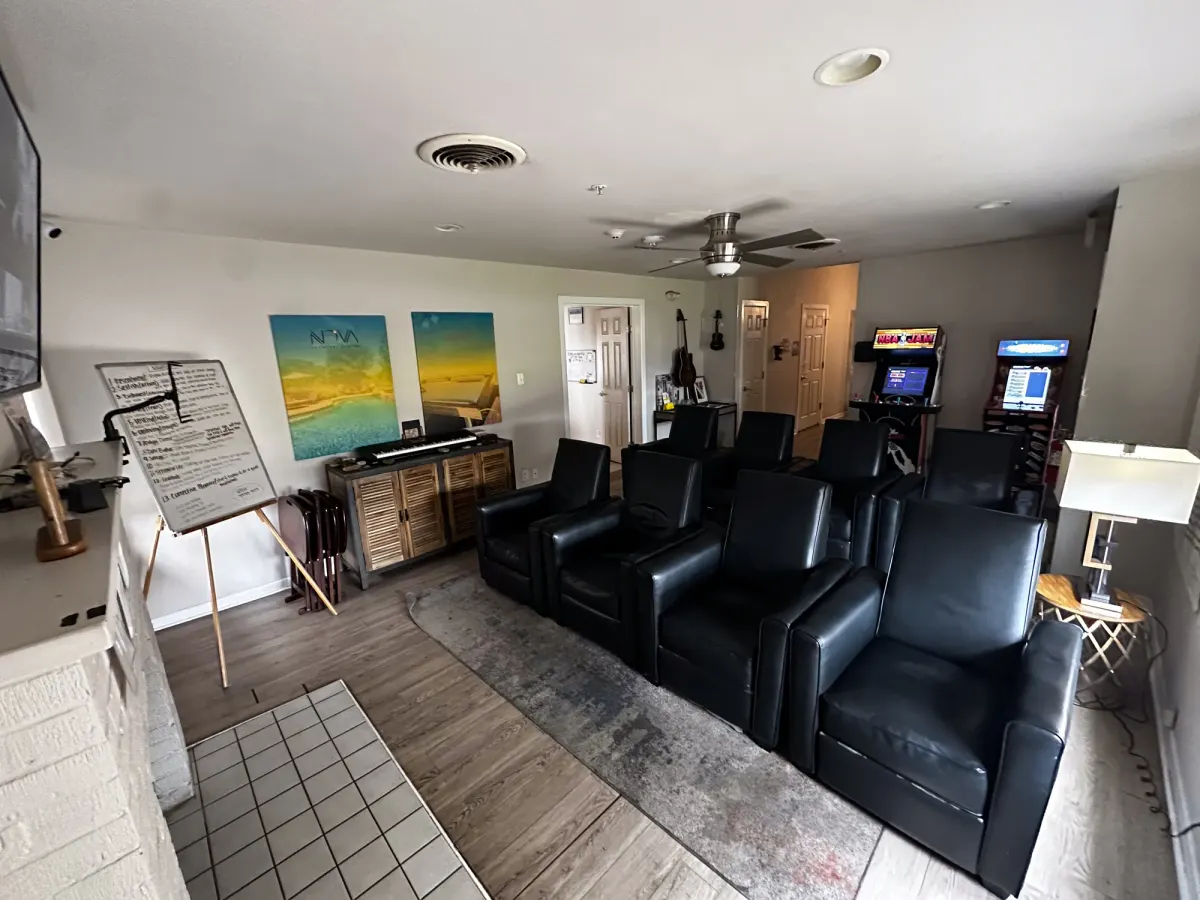 Inpatient
 Austin, TX
11711 N Lamar Blvd · 78753
- 15 beds
- On-site labs
- 24-hour medical staff
Drug & Alcohol Detox in Austin, TX
-
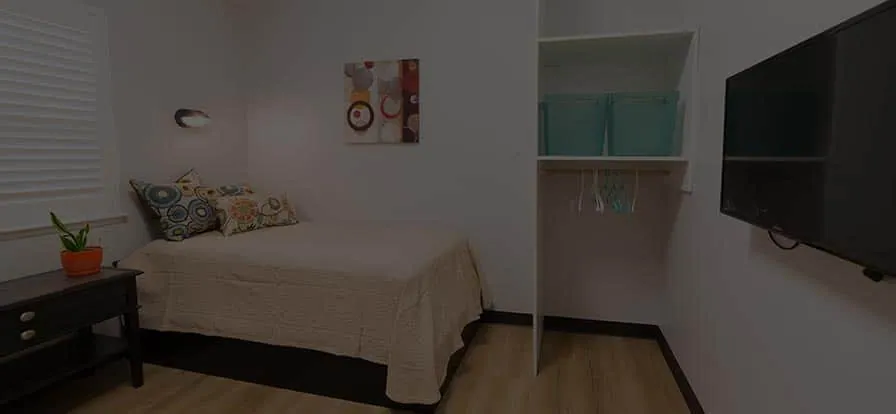 Inpatient
 Houston, TX
1019 Ashland St · 77008
- On-site labs
- 24-hour medical staff
Drug Detox Center in Houston, TX
-
 Outpatient
 San Antonio, TX
6707 W Hausman Rd · 78249
- Outpatient detox with scheduled medical visits
- Outpatient treatment
Outpatient Drug & Alcohol Detox in San Antonio
What Happens During Medically Supervised Detox in Austin?
Understanding what to expect can make the idea of seeking help feel less intimidating. At a professional drug detox center in Austin, the process typically looks like this:
- Assessment: A clinical team evaluates your substance use history, physical health, mental health, and vital signs to create a personalized detox plan.
- Medical stabilization: Medications may be used to reduce withdrawal symptoms, prevent seizures, manage anxiety, and support sleep.
- 24/7 monitoring: Nurses and medical staff check on you around the clock, adjusting your care as your body progresses through withdrawal.
- Therapeutic support: Many programs incorporate individual counseling, group sessions, and holistic therapies to begin addressing the emotional side of addiction. See our post on therapies and holistic support available during detox for more on what this can look like.
- Aftercare planning: A good detox program doesn't just get you through withdrawal — it helps you plan what comes next, whether that's residential treatment, an outpatient program, or sober living.
The Risks of Trying to Detox Alone in Austin
Austin has incredible resources for people in recovery, but none of them can help you if you don't make it through withdrawal safely. The risks of unsupervised detox include:
- Seizures that can result in brain injury or death
- Severe dehydration from vomiting and diarrhea
- Dangerous spikes or drops in blood pressure and heart rate
- Delirium tremens, which carries a mortality rate of up to 15% without treatment
- Intense cravings leading to relapse — and the risk of overdose when tolerance has dropped
- Unmanaged psychiatric crises
Even if you survive an unsupervised withdrawal, the sheer misery of it increases the likelihood that you'll relapse just to make the discomfort stop. Medical detox doesn't just protect your body — it significantly improves your chances of making it through and continuing into sustained recovery.
How to Know If Briarwood Detox Center Is Right for You
When to Act: Don't Wait for Rock Bottom
Frequently Asked Questions
What are the signs that someone needs medical detox instead of quitting cold turkey?+–
Key signs include a history of severe withdrawal symptoms (like seizures or hallucinations), long-term or heavy substance use, dependence on alcohol or benzodiazepines, co-occurring mental health conditions, underlying physical health problems, multiple failed attempts to quit, or use of more than one substance. If any of these apply, medically supervised detox is strongly recommended over quitting alone.
Is alcohol withdrawal dangerous enough to require medical detox in Austin?+–
Yes — alcohol withdrawal is one of the most medically serious types of withdrawal and can be life-threatening. Delirium tremens (DTs), a severe form of alcohol withdrawal, can cause fatal seizures without proper medical treatment. Anyone who is alcohol-dependent should seek supervised alcohol detox rather than attempting to quit cold turkey at home.
How long does medically supervised detox usually take?+–
The length of detox varies depending on the substance, how long and heavily someone has been using, and individual health factors. Most detox programs last between 3 and 10 days, though some cases require longer. A clinical team will assess your situation and provide a personalized timeline during intake.
Will insurance cover medical detox in Austin, Texas?+–
Many health insurance plans — including private insurance, Medicaid, and some employer-sponsored plans — cover medically supervised detox at least partially. Briarwood Detox Center works with a variety of insurance providers and can help verify your benefits before you begin treatment. Call (866) 710-7710 or visit the admissions page to get started with insurance verification.
What happens after medical detox is complete?+–
Detox is the first step in recovery, not the finish line. After completing detox, most people transition to a higher level of care such as inpatient residential treatment, a partial hospitalization program (PHP), or an intensive outpatient program (IOP). Your detox team will work with you on an aftercare plan to help ensure continuity of care and the best possible chance of lasting sobriety.
Can I detox from opioids at home, or do I need a medical detox center?+–
While opioid withdrawal is rarely fatal on its own, it is intensely uncomfortable and carries a high risk of relapse — and relapse after a period of abstinence increases the risk of fatal overdose because tolerance has dropped. Medical detox allows for medication-assisted treatment (such as buprenorphine or clonidine) that significantly reduces withdrawal symptoms and cravings, making the process safer and more manageable. Call Now: (866) 710-7710 Ready to Start Your Recovery in Austin? If you or someone you love needs more than detox, Briarwood Detox Center also provides rehab in austin texas . Does your insurance cover detox in Austin? Find out in about 2 minutes — free, confidential, no obligation. Verify Insurance Briarwood Detox Center offers medically supervised detox in Austin. Explore our locations, see the facility, and verify your insurance in minutes. Ready to talk to someone now? Briarwood Detox Center's admissions team is here 24/7, and every call is confidential. Call (866) 710-7710 . See our locations
Related guides


About the people behind this guide
Anna-Grace Washington
Medical Content Writer
Anna-Grace Washington is a Medical Content Writer for Briarwood Detox Center. She holds a master’s degree in clinical psychology from the University of Texas and brings a strong understanding of behavioral health, addiction recovery, and evidence-based treatment concepts to her writing.
Dr. Robert Ulrich, DO
Medical Director
Dr. Robert Ulrich serves as Medical Director at Briarwood Detox Center, bringing more than two decades of clinical neurology experience to the treatment of substance use disorders. He is board-certified in neurology by the American Board of Psychiatry and Neurology and completed his neurology residency at UT Southwestern Medical Center in Dallas, where he served as Chief Resident.
In network with most major insurance
Find your plan and see what detox would cost
Most plans cover medical detox. Coverage varies by plan, so we verify it for you before you commit to anything.



















Don't see your plan? We work with out-of-network benefits and offer self-pay options — (866) 710-7710
- Confidential
- Takes about 2 minutes
- No obligation to admit
- Accredited The Joint Commission
- Rated 4.5 · 95 Google reviews
- Admissions 24 hours a day