
Guide
Can You Use Private Health Insurance to Pay for Inpatient Medical Detox in Austin, Texas?
Joint Commission accredited · In network with most major insurance · Admissions answered 24 hours a day
Published May 9, 2026
Reviewed and updated July 29, 2026
If you or someone you love is struggling with addiction and considering inpatient detox, one of the first questions that comes up is almost always about cost. The good news is that private health insurance can absolutely be used to pay for inpatient medical detox in Austin, Texas — and in many cases, it covers a significant portion of the expense. Understanding how your benefits work, what to ask your insurance company, and how to find a detox center that accepts your plan can make the path to treatment feel a lot less overwhelming. This guide walks you through everything you need to know about using private insurance for medical detox coverage in Austin.
Why Private Insurance Covers Medical Detox
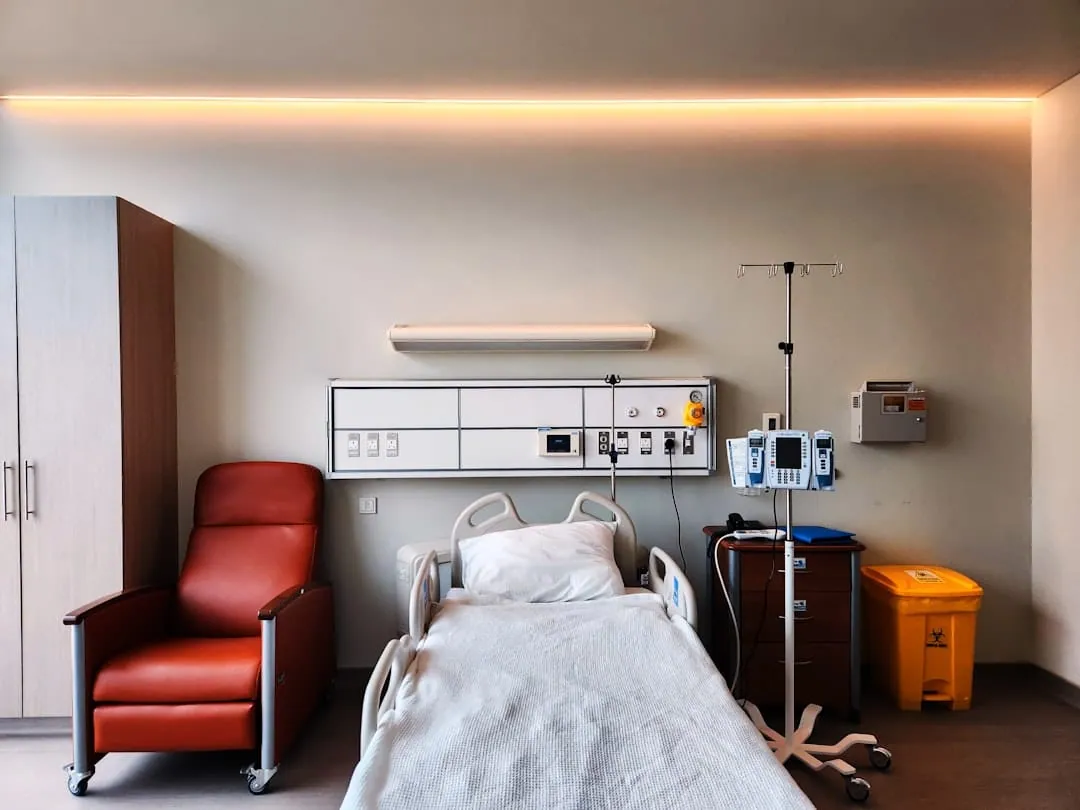
What Inpatient Medical Detox Typically Involves (and Why Insurance Considers It Medically Necessary)
- 24/7 medical monitoring by licensed nurses and physicians
- Medication-assisted treatment (MAT) to ease withdrawal symptoms and reduce cravings
- Vital sign checks and medical interventions as needed
- Emotional and psychological support throughout the process
- A safe, structured environment away from triggers
- A clinical assessment and transition planning to the next level of care
How to Verify Your Private Insurance Benefits for Detox in Austin
Before anything else, you'll want to verify your coverage. Here's how to do that effectively:
- Call the member services number on the back of your insurance card. Ask specifically whether inpatient substance use disorder treatment and medical detox are covered benefits under your plan.
- Ask about in-network versus out-of-network benefits. Using an in-network detox facility in Austin will almost always cost you less out of pocket. Ask your insurer for a list of in-network providers in the Austin area.
- Understand your deductible, copay, and out-of-pocket maximum. Ask whether your deductible has been met for the year, and what your coinsurance responsibility will be once it is.
- Ask about pre-authorization requirements. Many private insurance plans require prior authorization before inpatient detox begins. Your treatment facility can usually help coordinate this process.
- Let the detox center verify your benefits for you. Most reputable facilities — including Briarwood Detox Center — will conduct a free insurance verification on your behalf, which saves time and ensures accuracy.
Where we are
Detox centers across Texas
Three locations, each with its own admissions line and its own clinical team. Pick the one nearest you — or call and we will tell you which has a bed tonight.
-
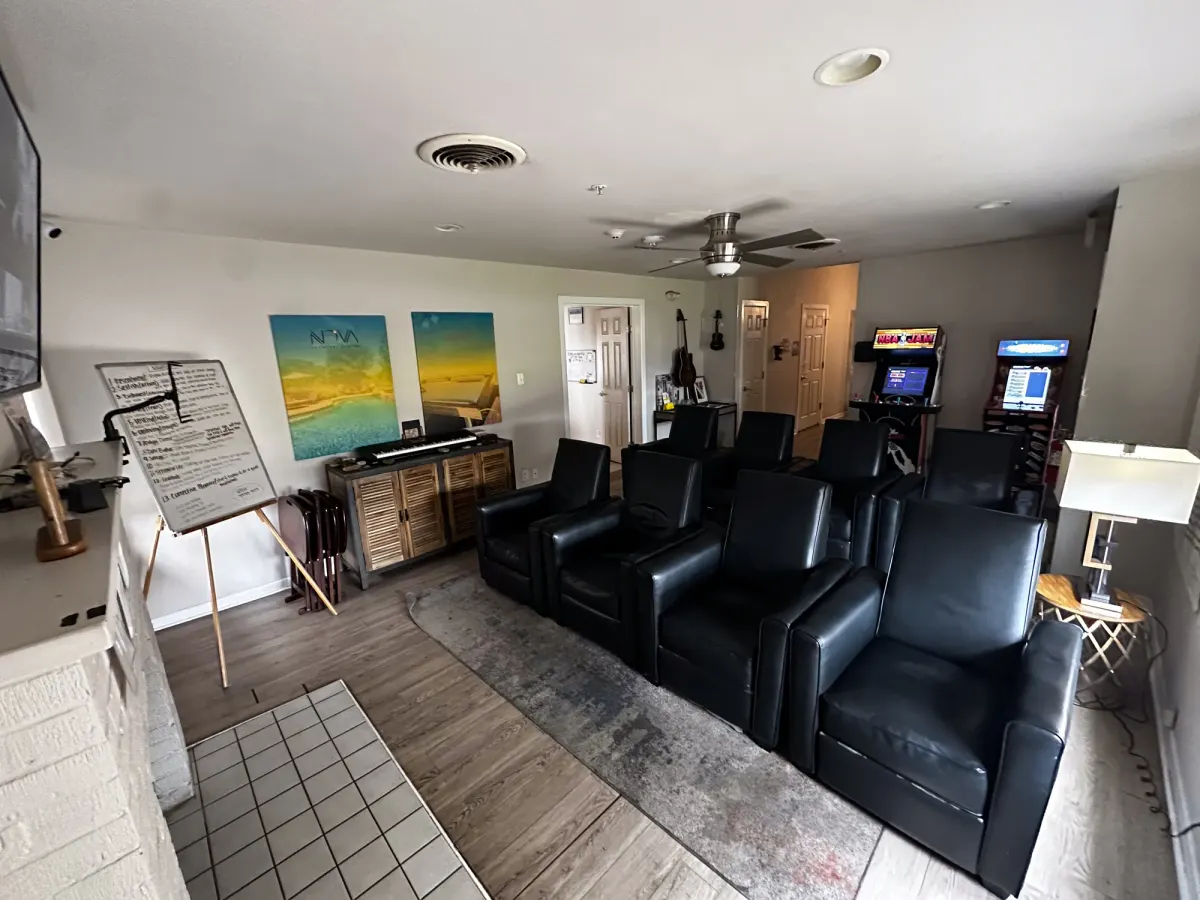 Inpatient
 Austin, TX
11711 N Lamar Blvd · 78753
- 15 beds
- On-site labs
- 24-hour medical staff
Drug & Alcohol Detox in Austin, TX
-
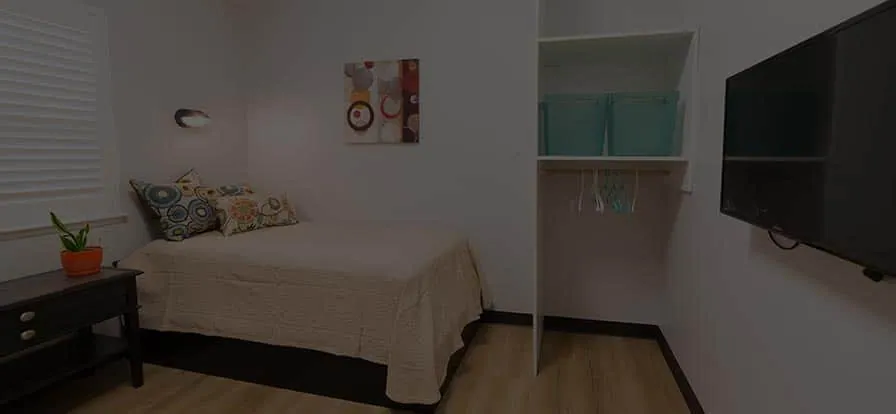 Inpatient
 Houston, TX
1019 Ashland St · 77008
- On-site labs
- 24-hour medical staff
Drug Detox Center in Houston, TX
-
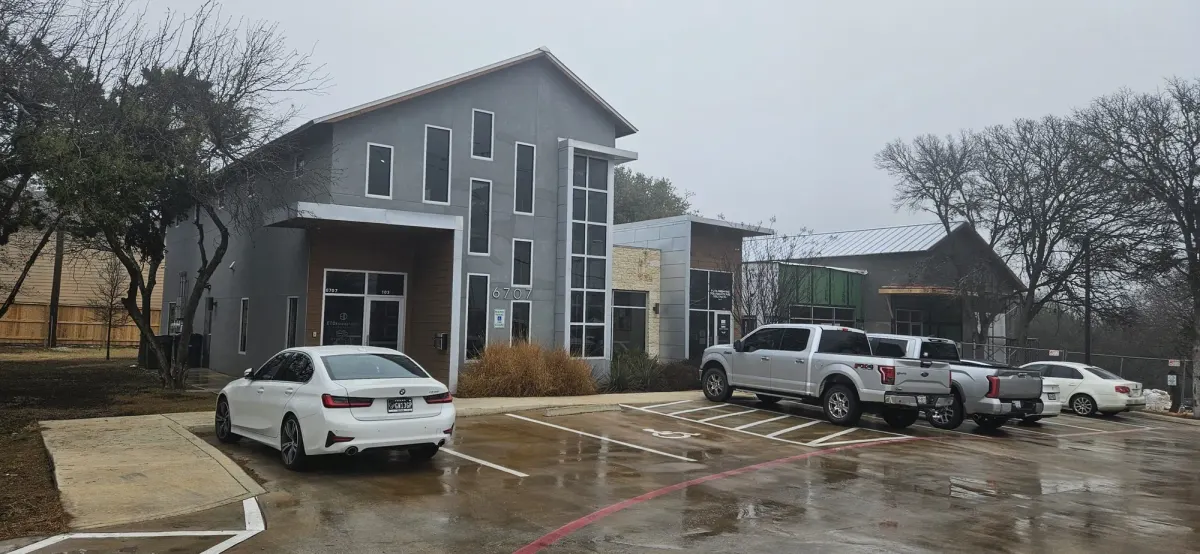 Outpatient
 San Antonio, TX
6707 W Hausman Rd · 78249
- Outpatient detox with scheduled medical visits
- Outpatient treatment
Outpatient Drug & Alcohol Detox in San Antonio
Which Private Insurance Plans Are Commonly Accepted at Austin Detox Centers?
Most inpatient detox centers in Austin accept a wide range of private insurance plans. Common private insurers that frequently cover medical detox treatment include:
- Blue Cross Blue Shield (BCBS) of Texas
- Aetna
- Cigna
- United Healthcare / UnitedBehavioral Health
- Humana
- Magellan Health
- Ambetter (marketplace plan)
- Scott & White Health Plan
What Affects How Much Your Insurance Will Pay?
Even within private insurance plans that cover inpatient medical detox, the amount you actually pay out of pocket can vary quite a bit. Here are the key factors that influence your share of the cost:
- Deductible: The amount you must pay before insurance kicks in. If you haven't met your deductible for the year, you'll pay more initially.
- Coinsurance: After your deductible is met, many plans require you to pay a percentage (often 10–30%) of covered services while insurance pays the rest.
- In-network vs. out-of-network: In-network facilities have negotiated rates with your insurer, which lowers your cost. Out-of-network care is typically more expensive.
- Length of stay: Insurance companies authorize treatment based on clinical criteria. If your detox stay is longer than initially authorized, your facility will typically request continued stay authorization.
- Level of care required: More intensive medical monitoring — such as for severe alcohol or benzo withdrawal — may involve higher costs but is more likely to be fully authorized due to medical necessity.
- Plan type (HMO vs. PPO vs. EPO): PPO plans generally offer more flexibility to use out-of-network providers. HMO and EPO plans may restrict you to in-network care only.
How Briarwood Detox Center Helps You Navigate Insurance
At Briarwood Detox Center in Austin, we understand that dealing with insurance paperwork is the last thing you want to worry about when you're focused on getting well — or helping a loved one get help. That's why our admissions team handles the heavy lifting for you. When you reach out to us, we will:
- Verify your private insurance benefits at no cost to you
- Explain exactly what your plan covers and what — if anything — you'll owe
- Handle prior authorization requests with your insurer
- Work with your insurance company throughout your stay to ensure continued authorization when appropriate
- Discuss payment options if any out-of-pocket costs remain
Our goal is to remove every barrier between you and the care you need. Whether you're seeking alcohol detox in Austin or drug detox services in Austin, our clinical and admissions teams are ready to guide you from that very first call.
What Happens After Detox — Does Insurance Cover That Too?
Take the First Step — Call Briarwood Detox Center Today
Frequently Asked Questions
Does private health insurance cover inpatient medical detox in Austin, Texas?+–
Yes, most private health insurance plans are required by federal law — specifically the Affordable Care Act and the Mental Health Parity and Addiction Equity Act — to cover inpatient medical detox as an essential health benefit. The exact amount covered depends on your specific plan, your deductible, and whether the facility is in-network. Calling your insurer or letting a detox center verify your benefits for you is the fastest way to find out what your plan covers.
How do I find out if my private insurance will pay for detox in Austin?+–
You can call the member services number on the back of your insurance card and ask specifically about inpatient substance use disorder treatment benefits. Alternatively, most reputable detox centers — including Briarwood Detox Center — offer free insurance verification services, where their admissions team contacts your insurer on your behalf and explains your benefits to you before you start treatment.
What private insurance plans are accepted at detox centers in Austin?+–
Many Austin detox centers accept a wide range of private insurance plans, including Blue Cross Blue Shield of Texas, Aetna, Cigna, United Healthcare, Humana, Magellan Health, and others. Briarwood Detox Center works with numerous private insurance carriers and can quickly verify whether your specific plan is accepted. Even if your plan is out-of-network, partial benefits may still apply.
Will insurance cover the full cost of inpatient detox, or will I owe something out of pocket?+–
It depends on your plan's deductible, coinsurance percentage, and whether you've met your out-of-pocket maximum for the year. In many cases, insurance covers a large portion of the cost once your deductible is met. Some people owe very little out of pocket, while others may have a more significant cost-sharing responsibility. A free insurance verification will give you a clear picture of what to expect financially before you begin treatment.
Does insurance require prior authorization before I can enter inpatient medical detox?+–
Many private insurance plans do require prior authorization — sometimes called pre-certification — before inpatient detox begins. This process involves your treatment team documenting that the level of care is medically necessary for your situation. Reputable detox centers handle the prior authorization process on your behalf as part of the admissions process, so you don't have to navigate it alone.
Does insurance cover treatment after detox, like rehab or outpatient programs?+–
Yes, most private insurance plans that cover inpatient detox also provide benefits for continuing care, such as residential rehabilitation, intensive outpatient programs (IOP), and outpatient counseling — subject to medical necessity criteria and your plan's specific benefits. Your detox team can help you plan for the next step in treatment and assist with insurance authorization for continuing care services. Call Now: (866) 710-7710 Ready to Start Your Recovery in Austin? If you or someone you love needs more than detox, Briarwood Detox Center also provides drug rehab austin . Does your insurance cover detox in Austin? Find out in about 2 minutes — free, confidential, no obligation. Verify Insurance Briarwood Detox Center offers medically supervised detox in Austin. Explore our locations, see the facility, and verify your insurance in minutes. Ready to talk to someone now? Briarwood Detox Center's admissions team is here 24/7, and every call is confidential. Call (866) 710-7710 . See our locations
Related guides


About the people behind this guide
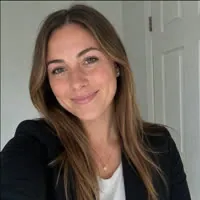
Anna-Grace Washington
Medical Content Writer
Anna-Grace Washington is a Medical Content Writer for Briarwood Detox Center. She holds a master’s degree in clinical psychology from the University of Texas and brings a strong understanding of behavioral health, addiction recovery, and evidence-based treatment concepts to her writing.
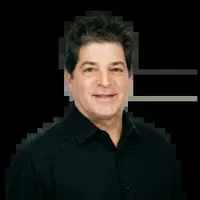
Dr. Robert Ulrich, DO
Medical Director
Dr. Robert Ulrich serves as Medical Director at Briarwood Detox Center, bringing more than two decades of clinical neurology experience to the treatment of substance use disorders. He is board-certified in neurology by the American Board of Psychiatry and Neurology and completed his neurology residency at UT Southwestern Medical Center in Dallas, where he served as Chief Resident.
In network with most major insurance
Find your plan and see what detox would cost
Most plans cover medical detox. Coverage varies by plan, so we verify it for you before you commit to anything.











Don't see your plan? We work with out-of-network benefits and offer self-pay options — (866) 710-7710
- Confidential
- Takes about 2 minutes
- No obligation to admit
- Accredited The Joint Commission
- Rated 4.5 · 95 Google reviews
- Admissions 24 hours a day