
Guide
The Dangers of Detoxing from Alcohol Cold Turkey at Home in Austin, Texas
Joint Commission accredited · In network with most major insurance · Admissions answered 24 hours a day

Published May 9, 2026
Reviewed and updated July 29, 2026
Why Alcohol Withdrawal Is Medically Serious
- Anxiety, restlessness, and irritability
- Tremors (the shakes)
- Nausea, vomiting, and sweating
- Elevated heart rate and blood pressure
- Insomnia and vivid nightmares
- Seizures
- Hallucinations (visual, auditory, or tactile)
- Delirium tremens (DTs) — a severe and potentially fatal syndrome
Symptoms typically begin within 6–24 hours of the last drink and can peak around 24–72 hours. However, more serious complications like DTs can emerge 48–96 hours after stopping and require immediate emergency care.
The Risk of Alcohol Withdrawal Seizures in Austin
One of the most dangerous aspects of quitting alcohol cold turkey is the risk of seizures. Alcohol withdrawal seizures are a medical emergency. They can happen suddenly — even in people who feel like they're managing their withdrawal okay — and they can result in serious injury or death if no one is around to help. Research suggests that approximately 5–10% of people going through alcohol withdrawal will experience seizures, and most of those seizures occur within the first 24–48 hours after stopping. If you're at home alone or if the people around you don't recognize the signs or know what to do, a seizure can quickly become life-threatening.
In a medical detox setting, clinicians monitor you closely and can administer medications — typically benzodiazepines like Ativan or Valium — that significantly reduce the risk of seizure. This is one of the clearest reasons why attempting alcohol detox cold turkey at home in Austin is so dangerous compared to receiving professional care.
What Is Delirium Tremens and Why Is It So Dangerous?
- Severe confusion and disorientation
- Extreme agitation and uncontrollable shaking
- Fever and profuse sweating
- Rapid heart rate
- Vivid and terrifying hallucinations
- Seizures
Because DTs can come on suddenly and escalate quickly, people who are detoxing at home may not even realize what is happening to them — especially if confusion and hallucinations are setting in. This makes it critically important to have medical professionals involved from the very beginning of the detox process.
Where we are
Detox centers across Texas
Three locations, each with its own admissions line and its own clinical team. Pick the one nearest you — or call and we will tell you which has a bed tonight.
-
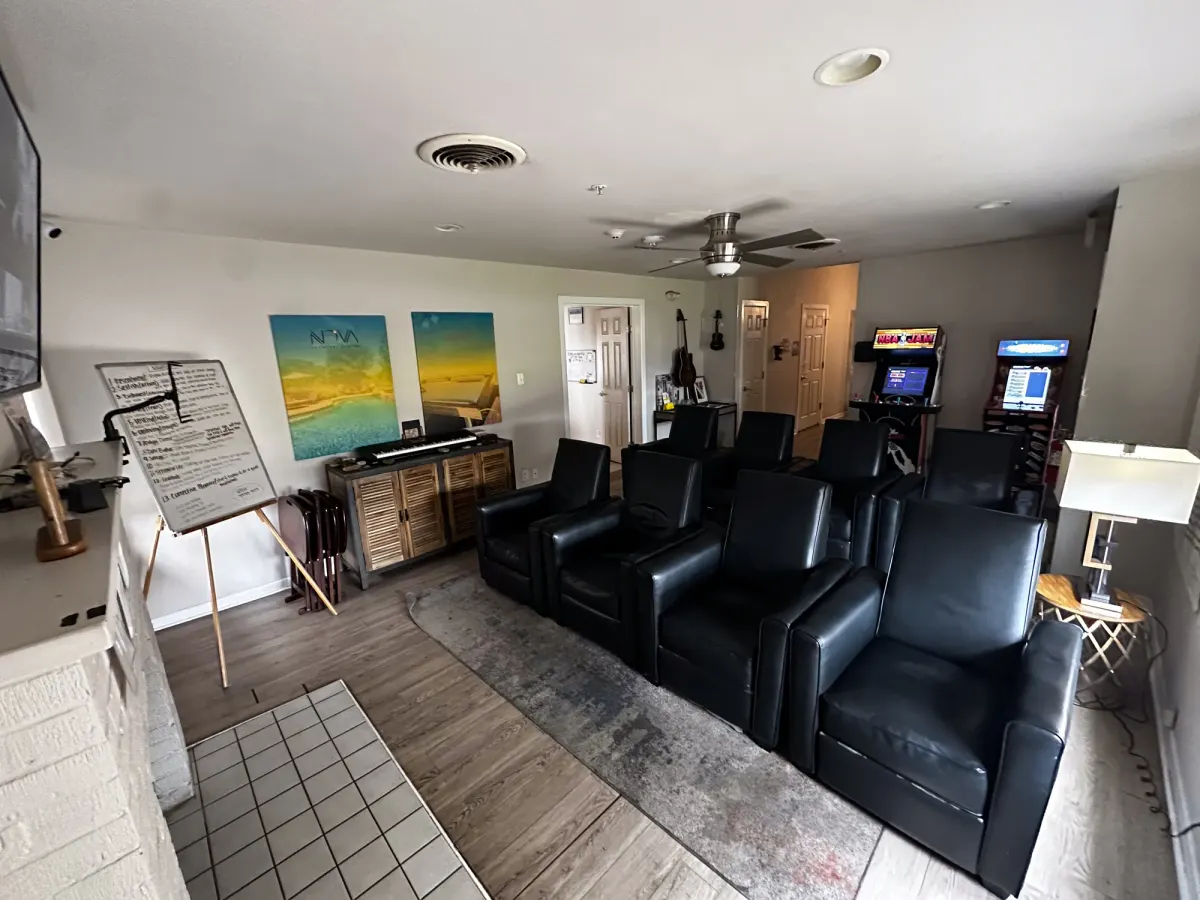 Inpatient
 Austin, TX
11711 N Lamar Blvd · 78753
- 15 beds
- On-site labs
- 24-hour medical staff
Drug & Alcohol Detox in Austin, TX
-
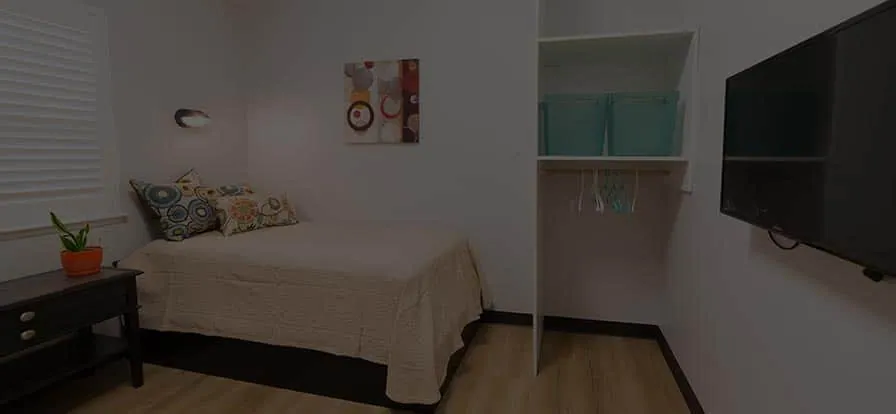 Inpatient
 Houston, TX
1019 Ashland St · 77008
- On-site labs
- 24-hour medical staff
Drug Detox Center in Houston, TX
-
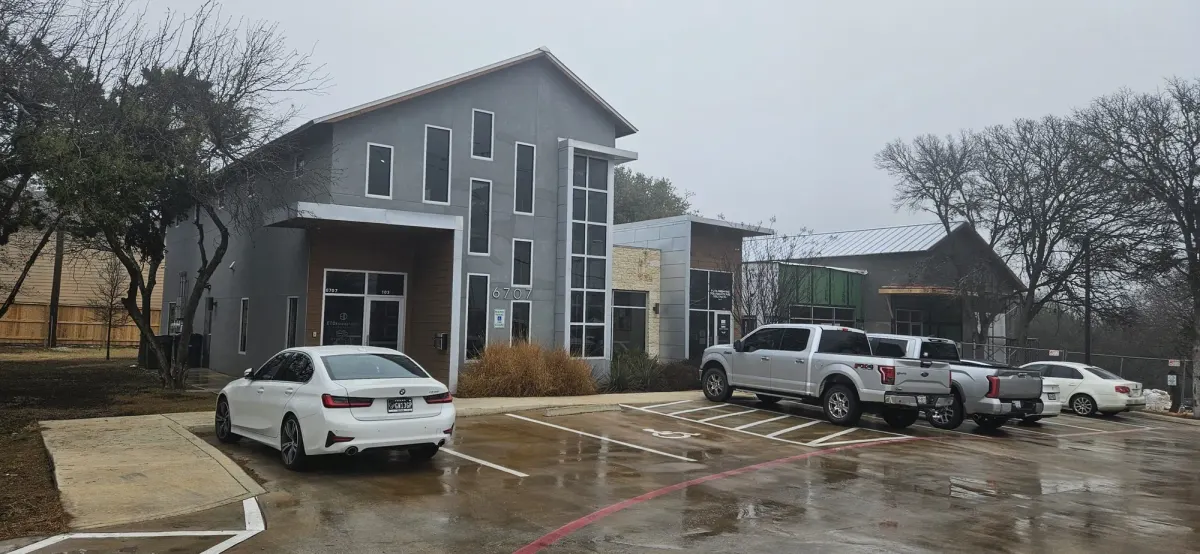 Outpatient
 San Antonio, TX
6707 W Hausman Rd · 78249
- Outpatient detox with scheduled medical visits
- Outpatient treatment
Outpatient Drug & Alcohol Detox in San Antonio
Why Home Detox Attempts Often Fail — and Make Things Worse
Even setting aside the life-threatening risks, there are many other reasons why attempting to detox from alcohol cold turkey at home tends to be ineffective. The discomfort of withdrawal is one of the primary reasons people relapse in the first place. When your body is screaming for alcohol just to feel normal, the willpower-only approach is rarely enough. Here are some additional reasons why home detox often fails:
- No medication management: Prescription medications used in medical detox — like benzodiazepines, anti-nausea drugs, and vitamins like thiamine (B1) — make withdrawal significantly more manageable and safer. You won't have access to these at home.
- No monitoring for complications: Vital signs like blood pressure, heart rate, and oxygen levels need to be tracked. A sudden change can signal a medical emergency.
- Triggers are everywhere: Being at home puts you in close proximity to alcohol, stress, and social situations that can pull you back toward drinking.
- Mental health crises go unaddressed: Anxiety and depression spike dramatically during alcohol withdrawal. Without support, these can lead to relapse or worse. Learn more about how dual diagnosis support during detox can help address co-occurring mental health conditions.
- Physical complications go untreated: Severe dehydration, electrolyte imbalances, and nutritional deficiencies are common during withdrawal and require clinical attention.
Who Is Most at Risk When Quitting Alcohol Cold Turkey?
Not everyone who drinks heavily will experience severe withdrawal, but several factors increase your risk significantly. You should be especially cautious if any of the following apply to you:
- You've been drinking heavily (multiple drinks per day) for months or years
- You've experienced withdrawal symptoms before when going without alcohol
- You've had alcohol withdrawal seizures or DTs in the past
- You're over 65 years old
- You have other health conditions like liver disease, heart disease, or diabetes
- You're also using other substances, including prescription medications
- You have a co-occurring mental health condition like anxiety, PTSD, or depression
If any of these describe your situation, detoxing from alcohol cold turkey at home in Austin is especially dangerous. Please reach out to a medical professional before attempting to stop drinking on your own.
What Safe Alcohol Detox in Austin Actually Looks Like
Don't Let Cost or Fear Stop You from Getting Help
Conclusion: Quitting Alcohol Cold Turkey Is a Risk You Don't Have to Take
Frequently Asked Questions
Is it dangerous to quit alcohol cold turkey at home?+–
Yes — quitting alcohol cold turkey at home can be life-threatening, especially for people with moderate to severe alcohol dependence. Without medical supervision, you are at risk for alcohol withdrawal seizures, delirium tremens (DTs), dangerous spikes in blood pressure and heart rate, and other serious complications. Medical detox is always the recommended approach for anyone with a significant history of heavy drinking.
How quickly do alcohol withdrawal symptoms start after stopping cold turkey?+–
Alcohol withdrawal symptoms typically begin within 6–24 hours after the last drink. Milder symptoms like anxiety, tremors, and nausea often appear first, while more serious complications like seizures and delirium tremens can develop between 24–96 hours after stopping. This is why medical monitoring during the first several days of detox is so critical.
What are the signs that someone is experiencing alcohol withdrawal seizures?+–
Signs of an alcohol withdrawal seizure include sudden loss of consciousness, convulsions or uncontrolled shaking, muscle rigidity, confusion immediately before or after the event, and loss of bladder or bowel control. If you witness these signs, call 911 immediately. Seizures during alcohol withdrawal are a medical emergency that require professional intervention.
What is the difference between home detox and medical detox for alcohol?+–
Home detox involves attempting to stop drinking without medical oversight, medications, or professional monitoring — which is extremely risky for alcohol-dependent individuals. Medical detox, like the program at Briarwood Detox Center in Austin, provides 24/7 monitoring, FDA-approved medications to reduce withdrawal severity and prevent seizures, and clinical support to manage complications as they arise. Medical detox is significantly safer and more effective.
Does insurance cover alcohol detox in Austin, Texas?+–
Most major insurance plans, including many Marketplace plans and Medicaid, cover at least a portion of alcohol detox treatment. At Briarwood Detox Center in Austin, our admissions team can verify your insurance benefits before you commit to anything — so you know exactly what to expect in terms of cost. Don't let financial concerns stop you from getting safe, life-saving care.
How long does alcohol detox typically take in a medical setting?+–
Medical alcohol detox typically lasts between 5–10 days, depending on how long and how heavily a person has been drinking, their overall health, and how their body responds to treatment. During this time, medical staff manage withdrawal symptoms with medication and monitoring to ensure your safety and comfort throughout the process. Call Now: (866) 710-7710 Ready to Start Your Recovery in Austin? If you or someone you love needs more than detox, Briarwood Detox Center also provides drug treatment centers austin . Briarwood Detox Center’s alcohol detox program provides medically supervised, evidence-based care. Does your insurance cover detox in Austin? Find out in about 2 minutes — free, confidential, no obligation. Verify Insurance Briarwood Detox Center offers medically supervised detox in Austin. Explore our locations, see the facility, and verify your insurance in minutes. Ready to talk to someone now? Briarwood Detox Center's admissions team is here 24/7, and every call is confidential. Call (866) 710-7710 . See our locations
Related guides


About the people behind this guide
Anna-Grace Washington
Medical Content Writer
Anna-Grace Washington is a Medical Content Writer for Briarwood Detox Center. She holds a master’s degree in clinical psychology from the University of Texas and brings a strong understanding of behavioral health, addiction recovery, and evidence-based treatment concepts to her writing.
Dr. Robert Ulrich, DO
Medical Director
Dr. Robert Ulrich serves as Medical Director at Briarwood Detox Center, bringing more than two decades of clinical neurology experience to the treatment of substance use disorders. He is board-certified in neurology by the American Board of Psychiatry and Neurology and completed his neurology residency at UT Southwestern Medical Center in Dallas, where he served as Chief Resident.
In network with most major insurance
Find your plan and see what detox would cost
Most plans cover medical detox. Coverage varies by plan, so we verify it for you before you commit to anything.


















Don't see your plan? We work with out-of-network benefits and offer self-pay options — (866) 710-7710
- Confidential
- Takes about 2 minutes
- No obligation to admit
- Accredited The Joint Commission
- Rated 4.5 · 95 Google reviews
- Admissions 24 hours a day