
Guide
How to Help a Family Member Check Into a Medical Detox Center in Austin, Texas
Joint Commission accredited · In network with most major insurance · Admissions answered 24 hours a day


Published May 8, 2026
Reviewed and updated July 29, 2026
Watching someone you love struggle with addiction is one of the hardest things a family can face. If you've reached the point where you're searching for how to get someone into detox in Austin, you've already taken a courageous first step. The good news is that you don't have to figure this out alone — and the process of admitting a loved one to a medical detox center is more manageable than most families expect. This guide walks you through every stage, from recognizing when it's time to act to what happens on the day your family member arrives at Briarwood Detox Center.
Recognizing When Your Loved One Needs Medical Detox
Not every substance use struggle requires medical detox, but many do — and knowing the difference can be life-saving. Medical detox is typically necessary when someone has been using alcohol, opioids, benzodiazepines, or other substances heavily over an extended period. Abrupt withdrawal from these substances can cause seizures, heart complications, severe dehydration, and in some cases, death. That's why attempting to quit "cold turkey" at home is strongly discouraged. Signs that your family member may need medically supervised detox include:
- They've tried to stop on their own and experienced shaking, sweating, or seizures
- They use alcohol or drugs first thing in the morning to avoid feeling sick
- They have been using heavily for months or years without significant breaks
- They experience confusion, anxiety, or physical pain when they go too long without using
- Their health has visibly declined — weight loss, tremors, jaundice, or memory problems
If you're seeing any of these signs, medical detox is likely the safest and most appropriate first step toward recovery.
Having the Conversation: Talking to Your Loved One About Getting Help
One of the biggest obstacles families face is simply getting their loved one to agree to treatment. This conversation can feel impossible, especially if you've had it before without success. Here are some practical approaches that tend to work better than ultimatums or arguments:
- Choose the right moment. Talk when they are sober, calm, and not in crisis. Avoid conversations when they've just been using or when emotions are already running high.
- Lead with love, not shame. Use "I" statements — "I'm scared" and "I love you" go further than accusations.
- Be specific and concrete. Instead of saying "you need help," say "I found a detox center in Austin that can help you through withdrawal safely, and I'll go with you."
- Have a plan ready. When someone says yes, even hesitantly, be ready to act. Have the phone number handy, a bag partially packed, and insurance information accessible.
- Consider a professional intervention. If you've tried talking and it hasn't worked, a licensed interventionist can guide your family through a structured conversation designed to motivate your loved one toward treatment.
Remember that your loved one may be terrified of withdrawal, of judgment, or simply of change. Empathy and preparation go a long way in breaking through those fears.
What to Do If Your Loved One Refuses Help
Where we are
Detox centers across Texas
Three locations, each with its own admissions line and its own clinical team. Pick the one nearest you — or call and we will tell you which has a bed tonight.
-
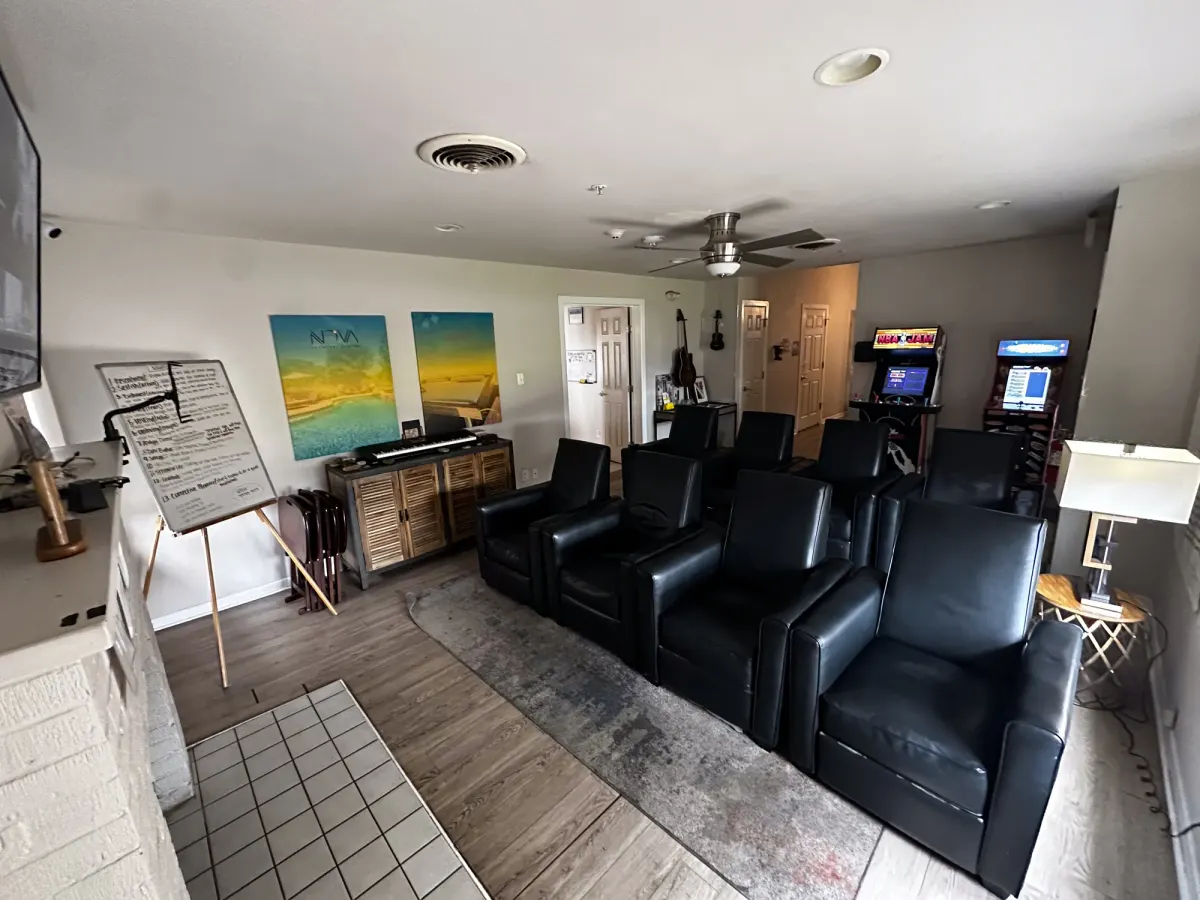 Inpatient
 Austin, TX
11711 N Lamar Blvd · 78753
- 15 beds
- On-site labs
- 24-hour medical staff
Drug & Alcohol Detox in Austin, TX
-
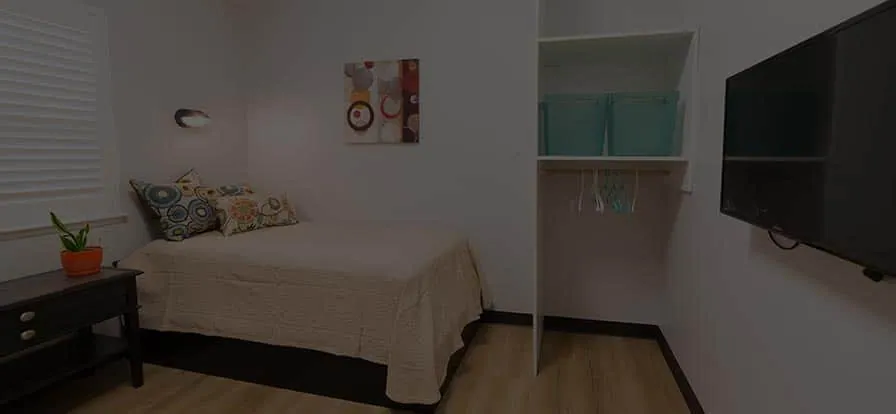 Inpatient
 Houston, TX
1019 Ashland St · 77008
- On-site labs
- 24-hour medical staff
Drug Detox Center in Houston, TX
-
 Outpatient
 San Antonio, TX
6707 W Hausman Rd · 78249
- Outpatient detox with scheduled medical visits
- Outpatient treatment
Outpatient Drug & Alcohol Detox in San Antonio
The Admissions Process: How to Get Someone Into Detox in Austin
Once your loved one has agreed to seek help — even tentatively — moving quickly and smoothly is key. Here is what the admissions process at Briarwood Detox Center typically looks like:
- Call our admissions team. Reach us at (866) 710-7710. Our staff will ask basic questions about your loved one's substance use history, current health, and any medications they are taking. This helps us prepare the right level of care before they even arrive.
- Verify insurance or discuss payment options. We work with many major insurance providers. You can also visit our in-network insurance partners page to check coverage. Our admissions team will walk you through financial options so cost doesn't become a barrier.
- Gather essential documents and belongings. You'll want to bring a photo ID, insurance card, a list of current medications, and comfortable clothing. Keep it simple — detox is about rest, safety, and stabilization.
- Arrive for intake assessment. On arrival, a clinical team will conduct a thorough assessment to determine the safest detox protocol. This includes a medical evaluation, a review of substance use history, and a mental health screening. Briarwood also screens for co-occurring conditions as part of our dual diagnosis support approach.
- Begin medically supervised detox. Once your loved one is admitted, they'll be monitored around the clock by licensed medical professionals who can manage withdrawal symptoms safely and compassionately.
What Families Should Expect During the Detox Process
The first few days of detox are typically the most physically intense. Withdrawal symptoms vary depending on the substance, the length and severity of use, and the individual's overall health. Common experiences include anxiety, insomnia, nausea, sweating, and irritability. In a medical setting like Briarwood, these symptoms are managed with medications, fluids, nutritional support, and 24-hour clinical oversight. As a family member, you may feel helpless or worried during this time. That's completely normal. Here are a few things to keep in mind:
- Your loved one is in safe hands. Medical detox exists precisely to make withdrawal survivable and as comfortable as possible.
- Communication policies vary — ask our team about when and how family contact is appropriate during early detox.
- Your own wellbeing matters. Use this time to rest, connect with support, and begin thinking about what comes next. Recovery is a family journey.
Understanding Your Detox Options in Austin
What Comes After Detox: Planning the Next Step
Medical detox is an essential first step, but it is not the complete picture of recovery. Detox safely clears substances from the body and stabilizes your loved one medically — but the underlying patterns, triggers, and emotional pain that drive addiction require ongoing treatment. That's why we work with families and patients to build a continuing care plan before discharge. Next steps after detox often include:
- Residential inpatient treatment — for those who need a structured, immersive environment to begin early recovery
- Intensive Outpatient Programs (IOP) — which allow patients to return home while attending therapy several days per week
- Outpatient counseling and medication-assisted treatment (MAT) — for ongoing management of cravings and co-occurring mental health conditions
- 12-step programs and peer support groups — widely available throughout Austin, including AA, NA, and SMART Recovery
You Don't Have to Do This Alone — Briarwood Is Here
Frequently Asked Questions
Can I check someone into a detox center in Austin without their consent?+–
In most cases, adults must voluntarily agree to enter a detox facility. However, Texas law does allow for emergency detention or protective custody in situations where someone poses an immediate danger to themselves or others due to substance use. If you believe your loved one is in immediate danger, contact a crisis line or speak with a legal professional about your options. Our admissions team at Briarwood can also help guide you through what's possible in your specific situation.
How long does medical detox in Austin typically take?+–
The length of medical detox depends on the substance involved, the severity and duration of use, and the individual's overall health. Most people complete detox in 5 to 10 days. Alcohol and benzodiazepine detox may require closer monitoring and can take longer due to the risk of serious withdrawal complications. Your loved one's clinical team will create a personalized detox timeline based on their specific needs.
What should I bring when checking a family member into detox?+–
Bring a valid photo ID, insurance card, a list of any current medications (including dosages), and comfortable clothing for several days. Leave valuables at home. The detox environment is designed to promote rest and focus on stabilization, so simple, practical items are best. Our admissions team will give you a full checklist when you call to set up intake.
Does insurance cover medical detox in Austin, Texas?+–
Many health insurance plans — including private insurance, Medicaid, and some employer-sponsored plans — cover medically necessary detox services. Coverage levels vary depending on your plan and provider. Briarwood Detox Center works with many major insurance carriers and can verify your loved one's benefits before admission so there are no surprises. Call (866) 710-7710 or visit our in-network insurance partners page to get started.
What is the difference between detox and rehab?+–
Detox is the process of safely managing withdrawal as substances leave the body — it is typically the first, medically focused phase of treatment. Rehab (rehabilitation) refers to the broader therapeutic process that addresses the psychological, behavioral, and social aspects of addiction. Most people need both: detox to stabilize physically, followed by a rehab program to build the skills and support needed for lasting recovery.
Can family members visit during the detox process?+–
Family visitation policies vary during medical detox because the early days of withdrawal require rest and clinical focus. At Briarwood Detox Center, our team will communicate clearly about when and how family contact is appropriate for your loved one's specific situation. Family support is an important part of recovery, and we encourage involvement at the right time and in the right way throughout the process. Call Now: (866) 710-7710 Ready to Start Your Recovery in Austin? If you or someone you love needs more than detox, Briarwood Detox Center also provides austin tx drug rehab . Briarwood Detox Center’s family support program provides medically supervised, evidence-based care. Does your insurance cover detox in Austin? Find out in about 2 minutes — free, confidential, no obligation. Verify Insurance Briarwood Detox Center offers medically supervised detox in Austin. Explore our locations, see the facility, and verify your insurance in minutes. Ready to talk to someone now? Briarwood Detox Center's admissions team is here 24/7, and every call is confidential. Call (866) 710-7710 . See our locations
Related guides
About the people behind this guide
Anna-Grace Washington
Medical Content Writer
Anna-Grace Washington is a Medical Content Writer for Briarwood Detox Center. She holds a master’s degree in clinical psychology from the University of Texas and brings a strong understanding of behavioral health, addiction recovery, and evidence-based treatment concepts to her writing.
Dr. Robert Ulrich, DO
Medical Director
Dr. Robert Ulrich serves as Medical Director at Briarwood Detox Center, bringing more than two decades of clinical neurology experience to the treatment of substance use disorders. He is board-certified in neurology by the American Board of Psychiatry and Neurology and completed his neurology residency at UT Southwestern Medical Center in Dallas, where he served as Chief Resident.
In network with most major insurance
Find your plan and see what detox would cost
Most plans cover medical detox. Coverage varies by plan, so we verify it for you before you commit to anything.



















Don't see your plan? We work with out-of-network benefits and offer self-pay options — (866) 710-7710
- Confidential
- Takes about 2 minutes
- No obligation to admit
- Accredited The Joint Commission
- Rated 4.5 · 95 Google reviews
- Admissions 24 hours a day