
Guide
What Happens if I Relapse During Outpatient Treatment?
Joint Commission accredited · In network with most major insurance · Admissions answered 24 hours a day


Published July 17, 2026
Reviewed and updated July 29, 2026
If you relapse during outpatient treatment, you don't automatically have to start over from scratch. What happens next depends on the circumstances of your relapse, the substances involved, and your overall progress. Most outpatient detox programs—including those at Briarwood Detox Center serving Austin, San Antonio, Houston, and Colorado Springs—view relapse as a clinical event requiring assessment, not a failure requiring expulsion. Your treatment team will evaluate whether you need a brief return to medically supervised care, an adjustment to your medication protocol, or simply a revision of your outpatient schedule and support plan.
If you or someone you love needs more than detox, Briarwood Detox Center also provides rehab in austin texas.
Understanding Relapse in the Context of Outpatient Detox
Outpatient detox and early recovery involve managing withdrawal symptoms while you maintain some of your daily routines. The freedom of outpatient treatment comes with increased exposure to triggers, stress, and access to substances. Relapse during this phase doesn't erase the neurological healing that has already occurred. Your brain has begun recalibrating neurotransmitter systems disrupted by chronic substance use—alcohol, opioids, benzodiazepines, or stimulants—and that progress remains even if you use again.
Does your insurance cover detox in Austin?
Find out in about 2 minutes — free, confidential, no obligation.
Verify InsuranceWhat changes is the clinical picture. A single use episode may reintroduce withdrawal risk, especially with alcohol or benzodiazepines, where kindling effects can make subsequent withdrawal more dangerous. Your treatment team needs to know immediately so they can assess whether you're medically safe to continue outpatient care or whether a short inpatient stabilization is warranted.
At Briarwood Detox Center's outpatient programs in Austin, San Antonio, Houston, and Colorado Springs, relapse triggers a clinical reassessment rather than automatic discharge. The goal is to understand what led to the relapse and what needs to change in your treatment plan.
Do You Get Kicked Out If You Relapse During Outpatient Treatment?
Most reputable detox programs do not automatically discharge patients for a single relapse. Treatment centers understand that substance use disorders involve profound changes to brain reward circuits, stress response systems, and executive function. Relapse rates during early recovery are similar to those of other chronic medical conditions like hypertension or diabetes—meaning they're common and clinically expected in a percentage of cases.
However, there are scenarios where a program may recommend a different level of care or, rarely, discharge a patient. These typically involve:
- Safety concerns: Ongoing use that creates medical instability or poses risk to other patients
- Refusal to engage: Repeated no-shows, refusing medication protocols, or declining assessment after relapse
- Program disruption: Bringing substances into group settings or encouraging others to use
- Mismatched level of care: Relapse revealing that outpatient intensity isn't sufficient and inpatient or residential care is needed
The question "What happens if I relapse during outpatient treatment?" has less to do with punishment and more to do with clinical appropriateness. If you're honest about the relapse and willing to work with your team, most programs will adjust your care rather than terminate it.
The Clinical Response: Assessment and Care Adjustments
When you report a relapse during outpatient detox, your treatment team conducts a structured assessment. This typically includes a clinical interview about the circumstances—what you used, how much, what triggered the episode, and your current physical and mental state. You'll likely undergo vital sign monitoring and possibly a urine drug screen to identify exactly what's in your system.
The assessment determines your current withdrawal risk. If you've been in outpatient detox for alcohol or benzodiazepines and used heavily, you may need to return briefly to inpatient care for medically supervised withdrawal management. Both substance classes affect GABA receptors and carry seizure risk during withdrawal—risk that increases with each withdrawal cycle through a phenomenon called kindling.
For opioid relapses during outpatient treatment, the team evaluates whether your medication-assisted treatment protocol needs adjustment. Many patients in outpatient opioid detox receive buprenorphine (Suboxone) or naltrexone. A relapse may indicate the current dose is inadequate, cravings aren't well-controlled, or psychosocial supports need strengthening. The medical team might increase medication dosing, add adjunct medications for co-occurring anxiety or insomnia, or recommend more frequent check-ins.
Stimulant relapses—cocaine, methamphetamine—during outpatient treatment prompt evaluation of dopamine dysregulation symptoms. There's no FDA-approved medication for stimulant use disorder, so the focus shifts to behavioral interventions, sleep hygiene, addressing anhedonia, and increasing structure and accountability in your schedule.
Do You Have to Start Over After a Relapse?
You don't lose all your progress if you relapse during outpatient treatment. The physiological changes you've made—improved liver function, normalized sleep architecture, healing neurotransmitter systems—don't completely reset after a single use episode or even a brief return to use. Similarly, the coping skills, insight into triggers, and support connections you've built remain intact.
What may "start over" is your sobriety date, if that marker is meaningful to you. Some people find it motivating to track continuous days without substances; others find it discouraging and prefer to count total days of recovery effort or to measure progress by broader metrics like health improvements, relationship stability, or employment retention.
Clinically, your treatment doesn't restart from day one. Your outpatient detox team already knows your substance use history, co-occurring mental health conditions, previous withdrawal patterns, and what medications work for you. After a relapse, you're returning with more information—you now know what situations, emotions, or circumstances overwhelmed your coping capacity. That's actionable clinical data that makes the next phase of treatment more targeted and effective.
The exception is if your relapse was severe enough to require a return to acute detox. If you've been using daily again for an extended period, you may need to repeat medical withdrawal management. Even then, the second detox is often shorter and less severe because your treatment team can anticipate your symptom trajectory and intervene earlier.
What Consequences Follow a Relapse During Outpatient Detox?
Consequences of relapse during outpatient treatment vary by substance, duration, and honesty. Medical consequences might include reintroduction of withdrawal symptoms, increased seizure or cardiac risk if you've relapsed on alcohol or benzodiazepines, or overdose risk if you've returned to opioids after a period of reduced tolerance. This is why immediate disclosure to your outpatient detox team is critical—they can mitigate these risks if they know promptly.
Programmatic consequences are usually proportional. First relapses often result in increased monitoring—more frequent visits, added drug screenings, daily rather than weekly check-ins. You might move from a twice-weekly outpatient schedule to a more intensive outpatient program (IOP) structure with group therapy several days per week. Your medication protocol may change, or you might add individual counseling sessions focused on relapse prevention.
Psychological consequences can be significant but are often self-imposed. Shame and self-criticism after relapse can derail recovery more effectively than the relapse itself. Many people catastrophize a single use episode into evidence that they're "hopeless" or "will never get better." Your outpatient treatment team at Briarwood Detox Center works to reframe relapse as a learning event—unpleasant and requiring correction, but not defining or final.
Social consequences may include strained relationships with family members or sponsors, loss of privileges if you're in a sober living environment, or legal implications if you're in a monitored program tied to criminal justice. These external consequences make transparency with your clinical team even more important; they can sometimes advocate on your behalf or document your engagement with corrective measures.
What to Do Immediately After Relapsing in Outpatient Treatment
If you've relapsed while enrolled in outpatient detox, take these steps as soon as possible. First, ensure your immediate physical safety. If you've used a large amount—especially of opioids, alcohol, or benzodiazepines—and feel medically unstable, call 911 or have someone take you to an emergency room. Overdose and severe intoxication are medical emergencies that outweigh any program-related concerns.
Second, contact your outpatient treatment team. Most programs, including Briarwood Detox Center locations in Austin, San Antonio, Houston, and Colorado Springs, have protocols for after-hours clinical contact. Inform them what you used, approximately how much, and when. This allows them to schedule an urgent assessment and determine if you need immediate intervention or can wait until the next business day for evaluation.
Ready to talk to someone now? Briarwood Detox Center's admissions team is here 24/7, and every call is confidential. Call (866) 710-7710.Third, avoid compounding the relapse. The period immediately after a first use is high-risk for continued use—the "what the hell" effect where people figure they've already broken their sobriety so they might as well keep going. This thinking transforms a lapse (single use) into a full relapse (return to regular use pattern). Each additional use increases medical risk and makes returning to treatment harder.
Fourth, reach out to your support network. If you have a sponsor, sober friends, or family members who are part of your recovery, let them know what happened. Social accountability and support reduce the likelihood of continued use and isolation. Relapse thrives in secrecy; recovery thrives in connection.
Where we are
Detox centers across Texas
Three locations, each with its own admissions line and its own clinical team. Pick the one nearest you — or call and we will tell you which has a bed tonight.
-
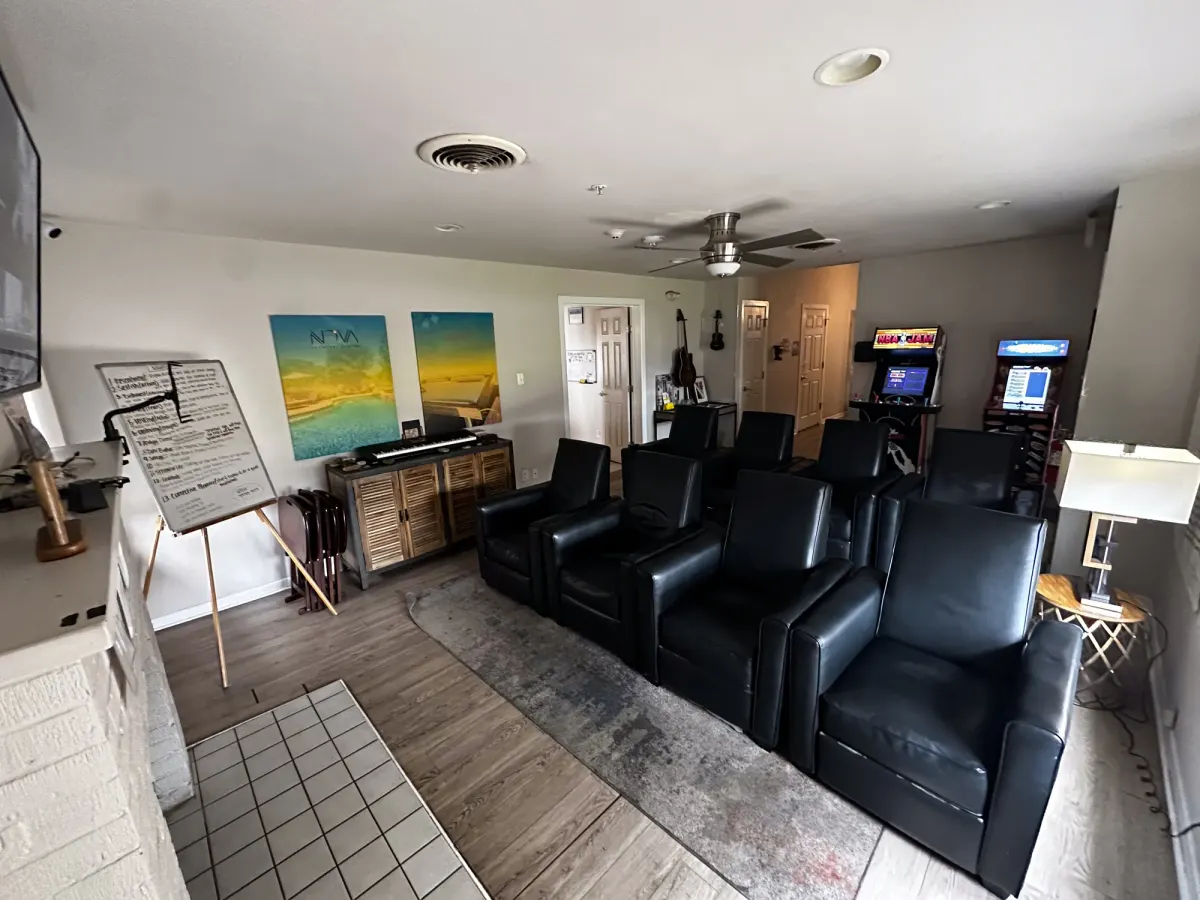 Inpatient
 Austin, TX
11711 N Lamar Blvd · 78753
- 15 beds
- On-site labs
- 24-hour medical staff
Drug & Alcohol Detox in Austin, TX
-
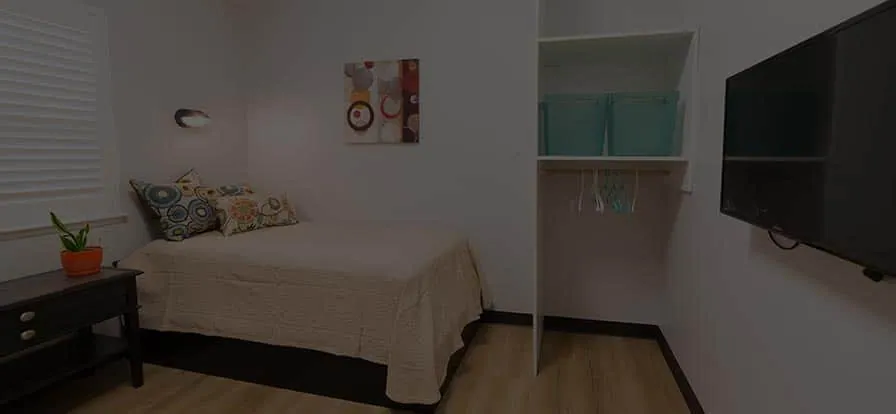 Inpatient
 Houston, TX
1019 Ashland St · 77008
- On-site labs
- 24-hour medical staff
Drug Detox Center in Houston, TX
-
 Outpatient
 San Antonio, TX
6707 W Hausman Rd · 78249
- Outpatient detox with scheduled medical visits
- Outpatient treatment
Outpatient Drug & Alcohol Detox in San Antonio
Adjusting Your Outpatient Treatment Plan After Relapse
Following the assessment, your outpatient detox team will modify your treatment plan based on identified gaps. If your relapse occurred during unstructured evening hours, your revised plan might include intensive outpatient programming during those high-risk times. If work stress triggered the relapse, you might add targeted counseling around occupational stressors and coping skills for workplace triggers.
Medication adjustments are common after relapse. For alcohol use disorder, your provider might initiate or increase naltrexone or acamprosate. For opioid use disorder, buprenorphine dosing might be optimized or you might transition to a different formulation. For patients dealing with co-occurring depression or anxiety that contributed to relapse, adding or adjusting psychiatric medications can stabilize mood and reduce substance use as a coping mechanism.
Frequency of contact almost always increases post-relapse. Where you might have been stepping down from daily to weekly visits, you'll likely return to more intensive monitoring—at least temporarily. This isn't punitive; it's protective. The period immediately following a relapse is high-risk for another one, and increased structure and accountability help you navigate that vulnerable window.
Your treatment team may also recommend adjunct services you weren't using before: peer support groups, family therapy if relationship dynamics contributed to relapse, trauma-focused therapy if unaddressed PTSD is driving substance use, or employment/housing support if practical stressors overwhelmed your coping capacity.
Long-Term Perspective: Relapse as Data, Not Defeat
Clinical research on addiction recovery consistently shows that many people experience at least one return to use during their first year. The question "What happens if I relapse during outpatient treatment?" matters less than what you do next. Relapse is most dangerous when it's hidden, minimized, or used as evidence that recovery is impossible. It's most useful when it's examined, learned from, and integrated into a stronger treatment approach.
Every relapse reveals something about your specific recovery needs. Perhaps you've been attending outpatient detox appointments but avoiding the recommended mutual-support groups, and isolation proved to be your vulnerability. Perhaps you stopped your medication prematurely because you felt "cured," and withdrawal of pharmacological support left you unprotected. Perhaps you've been treating your addiction but not the underlying trauma or anxiety disorder that fuels it. Each of these insights makes your next attempt more informed and more likely to succeed.
Recovery is not a linear process. It involves neurobiological changes that occur over months and years, not days and weeks. The brain regions responsible for impulse control, decision-making, and delay of gratification—primarily the prefrontal cortex—heal slowly. During outpatient detox and the months that follow, you're asking a still-healing brain to override powerful conditioned responses and navigate a world full of triggers. That's difficult work, and occasional setbacks are part of the process for many people.
What determines long-term success isn't whether you relapse during outpatient treatment; it's whether you re-engage with treatment when you do. The people who achieve stable, long-term recovery are often those who returned to treatment multiple times, learned from each attempt, and gradually built the skills, supports, and neural changes required to sustain sobriety.
When Outpatient Treatment Isn't the Right Fit
Sometimes a relapse during outpatient detox reveals that this level of care isn't intensive enough for your current needs. If you've relapsed multiple times despite medication optimization, increased visit frequency, and added supports, your treatment team may recommend inpatient detox or a higher level of structured care. This isn't failure—it's appropriate matching of clinical need to service intensity.
Inpatient medical detox at Briarwood Detox Center in Austin provides 24/7 medical monitoring, complete removal from triggers and access to substances, and intensive daily structure. For some people, especially those with severe polysubstance use, unstable housing, or co-occurring psychiatric crises, this level of support is necessary to achieve initial stabilization before stepping down to outpatient care. Attempting to detox in an outpatient setting when you need inpatient care sets you up for repeated relapse cycles that erode confidence and delay recovery.
Your outpatient provider can help you understand whether your relapses indicate inadequate treatment planning (fixable within outpatient care) or inadequate level of care (requiring a step up in intensity). This is a clinical decision based on objective criteria: severity of withdrawal risk, frequency of relapse, presence of medical or psychiatric complications, and your living environment's supportiveness.
If you're struggling with repeated relapses during outpatient treatment at Briarwood Detox Center locations in Austin, San Antonio, Houston, or Colorado Springs, speak openly with your treatment team about whether inpatient detox might provide the structure you need. Insurance often covers both levels of care, and many patients successfully transition from inpatient stabilization to outpatient continuation, giving them both the initial medical safety net and the eventual real-world skill-building they need.
If you've relapsed during outpatient treatment or you're worried about the possibility, reach out to Briarwood Detox Center. Our clinical teams are experienced in helping patients navigate setbacks, adjust treatment plans, and continue making progress toward lasting recovery.
Ready to take the next step?
Briarwood Detox Center provides medically supervised drug & alcohol detox. Call (866) 710-7710 to speak with our team today.
Frequently Asked Questions
When you relapse, do you start over?+–
You don't lose all your progress if you relapse. The physiological healing, coping skills, and insights you've gained remain. Your sobriety date may reset if that's meaningful to you, but clinically you're continuing treatment with more information about your triggers and vulnerabilities. Your treatment team adjusts your plan rather than restarting from scratch.
Do you get kicked out of rehab if you relapse?+–
Most detox programs don't automatically discharge patients for a single relapse. Programs understand that substance use disorders are chronic conditions and relapse is clinically common. Discharge typically occurs only if you refuse assessment, create safety concerns, repeatedly disengage from treatment, or need a higher level of care that the program can't provide.
What are the 5 rules of relapse?+–
Common relapse prevention principles include: recognize that relapse is a process that starts before actual use; identify your personal triggers and high-risk situations; maintain your treatment and medication protocols even when feeling better; build and use a support network; and immediately re-engage with treatment if you do relapse rather than hiding it or continuing to use.
What are five consequences of relapse?+–
Relapse consequences include medical risks like reintroduction of withdrawal symptoms or overdose from reduced tolerance; programmatic changes such as increased monitoring or stepped-up care intensity; psychological impacts like shame and discouragement; potential social consequences with family or legal systems; and the risk of returning to regular use patterns if the relapse isn't addressed immediately.
What to do after I just relapsed?+–
First, ensure your physical safety—seek emergency care if you've used a dangerous amount. Second, immediately contact your outpatient treatment team to report what happened. Third, avoid continued use by reaching out to your support network. Fourth, attend your scheduled assessment so your treatment plan can be adjusted based on what triggered the relapse.
Does a relapse ruin progress?+–
No, a relapse doesn't erase your progress. The neurological healing, improved physical health, coping skills, and self-knowledge you've developed remain intact. What changes is your clinical picture—your treatment team needs to reassess your current state and adjust your plan. Many people who achieve long-term recovery experienced relapses during early treatment and used them as learning opportunities.
Does relapse have to be a part of recovery?+–
Relapse is common but not inevitable. Many people achieve sustained recovery without returning to use. However, research shows that relapse rates for substance use disorders are similar to other chronic conditions like diabetes or hypertension. Whether or not you relapse, having a plan for how to respond if it happens is part of comprehensive relapse prevention.
What is the 60% rule in rehab?+–
The 60% rule generally refers to research showing that approximately 40-60% of people in treatment for substance use disorders experience at least one return to use during recovery. This statistic helps normalize relapse as a common clinical event rather than a unique personal failure, though it doesn't mean relapse is required or acceptable—prevention remains the goal. Ready to Start Your Recovery in Austin? Briarwood Detox Center offers medically supervised detox in Austin. Explore our locations, see the facility, and verify your insurance in minutes. See our locations
What Happens If I Relapse After Completing Residential Treatment?
Direct answer: If you relapse after completing residential treatment, you have several care options available immediately. Most treatment centers, including Briarwood Detox Center, offer alumni support, readmission pathways, and crisis stabilization to help you return to recovery quickly and safely. Relapse does not mean treatment failed—it's a common part of the recovery process that many people experience, and getting back into care promptly significantly improves long-term outcomes.
Relapse after residential treatment can feel overwhelming, but it is neither uncommon nor insurmountable. Research shows that 40–60% of individuals in recovery experience at least one relapse, similar to relapse rates for other chronic conditions like diabetes or hypertension. The key is responding quickly with professional support rather than waiting or trying to manage alone.
Immediate Steps to Take After a Relapse
- Contact your treatment alumni coordinator or aftercare team immediately. Many facilities, including Briarwood, maintain ongoing relationships with graduates and can fast-track readmission or connect you to outpatient support.
- Assess medical needs. If you've resumed alcohol, benzodiazepines, or opioids, medically supervised detox may be necessary again to manage withdrawal safely. Briarwood offers both inpatient detox in Austin and outpatient detox in Austin, San Antonio, and Houston.
- Reach out to your support network. Sponsors, therapists, peer groups, and trusted family members can provide accountability and encouragement during this vulnerable time.
- Avoid shame and self-blame. Relapse is a clinical event, not a moral failure. Treating it as a learning opportunity—identifying triggers, stressors, or gaps in your relapse prevention plan—strengthens future recovery.
Treatment Options Available After Relapse
Your next level of care depends on the severity of use, physical dependence, and any co-occurring mental health symptoms:
- Outpatient counseling or intensive outpatient programs (IOP): If the relapse was brief and you're medically stable, outpatient care can help you rebuild coping skills, address triggers, and reinforce your recovery plan without disrupting work or family life.
- Medically supervised detox: If you've developed physical dependence again or are at risk for dangerous withdrawal (alcohol, benzodiazepines, opioids), a short medical detox stay stabilizes you safely before transitioning back to outpatient or residential care.
- Returning to residential treatment: Some individuals benefit from a second residential stay, especially if the relapse revealed unaddressed trauma, untreated mental health conditions, or inadequate discharge planning the first time.
- Medication-assisted treatment (MAT): If opioid use disorder is involved, medications like buprenorphine or naltrexone can be initiated or resumed to reduce cravings and prevent future relapse.
How Briarwood Detox Center Supports Alumni Who Relapse
At Briarwood Detox Center, we understand that recovery is not always linear. Our approach includes:
- Priority readmission for alumni: Former clients can access expedited intake and bed availability when they need to return to care.
- Customized relapse prevention planning: We work with you to identify what contributed to the relapse—whether it was insufficient aftercare, unmanaged co-occurring disorders, environmental triggers, or gaps in coping strategies—and adjust your treatment plan accordingly.
- Flexible levels of care: Whether you need a few days of medical detox, a structured outpatient program, or a full return to inpatient care, we tailor support to your current needs.
- Ongoing alumni support: Alumni can participate in support groups, check-in calls, and care coordination to maintain accountability and connection even after discharge.
If you or a loved one has relapsed after treatment, reach out to Briarwood Detox Center at (866) 710-7710. Our team is available 24/7 to discuss your options, assess your needs, and help you take the next step toward sustained recovery.
Frequently Asked Questions About Relapse After Residential Treatment
Does relapsing mean my residential treatment didn't work?
No. Relapse does not mean treatment failed. Addiction is a chronic condition, and relapse is often part of the recovery journey. What matters is how quickly you re-engage with care and what you learn from the experience to strengthen your relapse prevention skills.
Will insurance cover a second stay at a detox or treatment facility?
Many insurance plans cover readmission for medical detox or additional treatment if it is medically necessary. Coverage depends on your specific plan, the time elapsed since your last discharge, and clinical criteria. Briarwood's admissions team works directly with your insurer to verify benefits and maximize coverage.
How soon should I seek help after a relapse?
As soon as possible. Early intervention prevents a brief lapse from becoming a full relapse cycle. Contact your treatment center, therapist, or a crisis line within 24 hours. Briarwood Detox Center offers same-day assessments and expedited admission for alumni and new clients in crisis.
Can I return to the same treatment center after a relapse?
Yes. Many treatment centers, including Briarwood, welcome alumni back and often prioritize their readmission. Returning to a familiar environment with a trusted clinical team can provide continuity and reduce barriers to re-engaging in treatment.
What should I tell my family or employer if I relapse?
Honesty and clarity are important. Let trusted family members know you need support and are taking steps to get back into treatment. If you need time off work, your employer may be required to accommodate medical leave under FMLA (Family and Medical Leave Act) if you qualify. Briarwood can provide documentation to support leave requests.
Related resources:
Related guides


About the people behind this guide
Anna-Grace Washington
Medical Content Writer
Anna-Grace Washington is a Medical Content Writer for Briarwood Detox Center. She holds a master’s degree in clinical psychology from the University of Texas and brings a strong understanding of behavioral health, addiction recovery, and evidence-based treatment concepts to her writing.
Dr. Robert Ulrich, DO
Medical Director
Dr. Robert Ulrich serves as Medical Director at Briarwood Detox Center, bringing more than two decades of clinical neurology experience to the treatment of substance use disorders. He is board-certified in neurology by the American Board of Psychiatry and Neurology and completed his neurology residency at UT Southwestern Medical Center in Dallas, where he served as Chief Resident.
In network with most major insurance
Find your plan and see what detox would cost
Most plans cover medical detox. Coverage varies by plan, so we verify it for you before you commit to anything.















Don't see your plan? We work with out-of-network benefits and offer self-pay options — (866) 710-7710
- Confidential
- Takes about 2 minutes
- No obligation to admit

- Accredited The Joint Commission
- Rated 4.7 · 183 Google reviews Flourishing Foundations Recovery, now part of Briarwood
- Admissions 24 hours a day