
Guide
How Do I Stage an Intervention for My Brother Addicted to Painkillers?
Joint Commission accredited · In network with most major insurance · Admissions answered 24 hours a day


Published July 17, 2026
Reviewed and updated July 29, 2026
If you're asking yourself how do I stage an intervention for my brother who is addicted to prescription painkillers, you're already taking a crucial first step toward helping him. An intervention is a structured, compassionate conversation designed to help someone recognize the severity of their opioid addiction and accept professional help—ideally medical detox and treatment. Done correctly, it creates a moment of clarity that can break through denial and open the door to recovery. This guide walks you through planning, executing, and following through on an intervention that prioritizes safety, respect, and immediate access to care.
Briarwood Detox Center’s opiate opioid detox program provides medically supervised, evidence-based care.
Briarwood Detox Center’s family support program program provides medically supervised, evidence-based care.
Understanding Why an Intervention Is Necessary for Prescription Painkiller Addiction
Prescription opioid addiction—whether to hydrocodone, oxycodone, morphine, or fentanyl—rewires the brain's reward circuitry. Your brother may genuinely believe he has his use under control, even as tolerance climbs, doses escalate, and consequences mount. Denial is a hallmark of opioid use disorder, not a character flaw.
Does your insurance cover detox in Austin?
Find out in about 2 minutes — free, confidential, no obligation.
Verify InsuranceAn intervention addresses this disconnect. It presents objective evidence of harm in a non-confrontational setting, supported by people he trusts. The goal isn't to shame or coerce; it's to interrupt the cycle of use long enough for him to see the truth and agree to enter medically supervised detox. Without intervention, many people continue using until a crisis—overdose, arrest, or medical emergency—forces the issue.
Opioid withdrawal is both physically uncomfortable and psychologically daunting, which is why many people delay seeking help. A well-executed intervention removes barriers by having a detox bed reserved, insurance verified, and transportation arranged. It transforms "I should get help someday" into "I'm going today."
Assembling Your Intervention Team
The people you invite to participate will shape the intervention's tone and outcome. Choose four to six individuals who have a meaningful relationship with your brother and can remain calm under stress. Ideal participants include:
- Immediate family members (parents, siblings, spouse) who have witnessed the addiction's impact firsthand
- Close friends who your brother respects and who can speak from personal experience
- A professional interventionist or counselor (optional but highly recommended for opioid addiction, which often involves complex emotions and safety concerns)
- An employer or mentor if the relationship is strong and the person can speak to consequences at work or in his broader life
Exclude anyone who is currently using substances, has unresolved anger toward your brother, or cannot commit to following the plan. One volatile participant can derail the entire process. If your brother has children, carefully consider whether their presence will motivate him or add unnecessary emotional pressure—err on the side of protecting minors from potential conflict.
Planning the Intervention: Logistics and Scripting
Successful interventions are never spontaneous. They require rehearsal, clear roles, and logistical preparation. Schedule the intervention at a time when your brother is most likely to be sober and alert—typically morning or early afternoon. Choose a neutral, private location where he feels safe: a family member's home, a counselor's office, or a quiet room where interruptions are unlikely.
Each participant should prepare a brief statement (two to three minutes) that follows this structure:
- A specific example of how the painkiller addiction has affected the relationship ("Last Thanksgiving, you fell asleep at the table and we couldn't wake you for an hour. I was terrified.")
- An expression of love and concern without judgment ("I care about you too much to watch this continue.")
- A direct request that he accept help today, with detox already arranged
- A boundary or consequence if he refuses ("If you don't go, I can no longer lend you money or let you stay at my house.")
Write these statements down and rehearse them as a group. Practice staying calm if your brother reacts with anger, tears, or deflection. Designate one person—often the interventionist or the most emotionally steady family member—to lead the conversation and keep it on track.
How Do I Stage an Intervention for My Brother Who Is Addicted to Prescription Painkillers: The Day Of
On the day of the intervention, confirm that everything is in place: the detox center has a bed reserved, insurance benefits are verified, and transportation (your car, a ride service, or a professional transport) is ready. Your brother needs to go directly from the intervention to detox—delay allows doubt and cravings to creep back in.
When your brother arrives, be direct but gentle. "We've all gathered because we love you and we're worried. We need you to listen." Go around the circle, each person reading their prepared statement without interruption. The lead facilitator should gently redirect if your brother tries to argue, make excuses, or leave. Acknowledge his feelings ("I hear that you're angry") without letting the conversation spiral into debate.
After everyone has spoken, present the plan: "We've arranged a bed at Briarwood Detox Center in Austin. Your insurance is verified. We're ready to take you there right now." Emphasize that medically supervised detox will manage withdrawal symptoms safely—he won't have to suffer through it alone.
If he agrees, move quickly. Pack a small bag (ID, insurance card, comfortable clothes, toiletries) and leave within the hour. If he refuses, calmly state the boundaries you've prepared and follow through on them. Revisit the conversation in a few days, or be ready to intervene again if a crisis occurs.
Where we are
Detox centers across Texas
Three locations, each with its own admissions line and its own clinical team. Pick the one nearest you — or call and we will tell you which has a bed tonight.
-
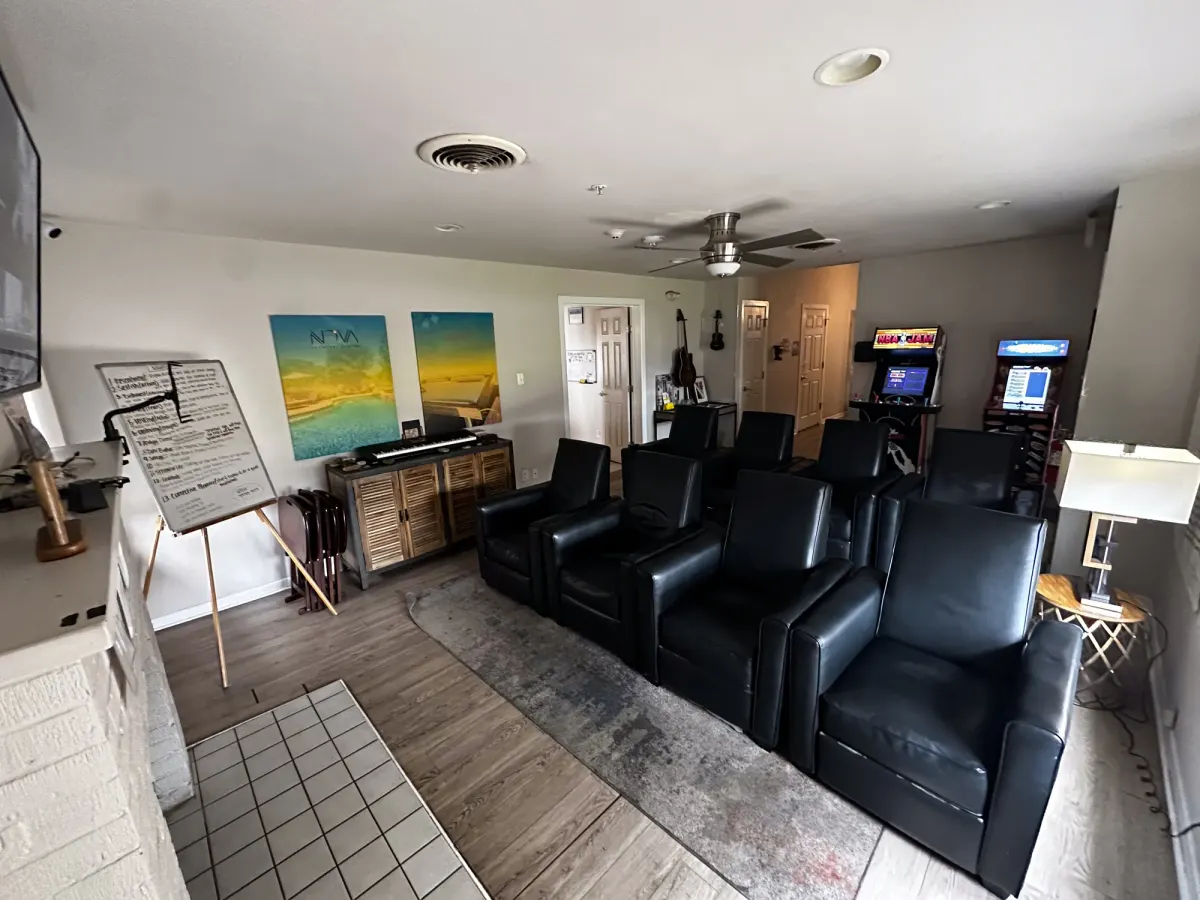 Inpatient
 Austin, TX
11711 N Lamar Blvd · 78753
- 15 beds
- On-site labs
- 24-hour medical staff
Drug & Alcohol Detox in Austin, TX
-
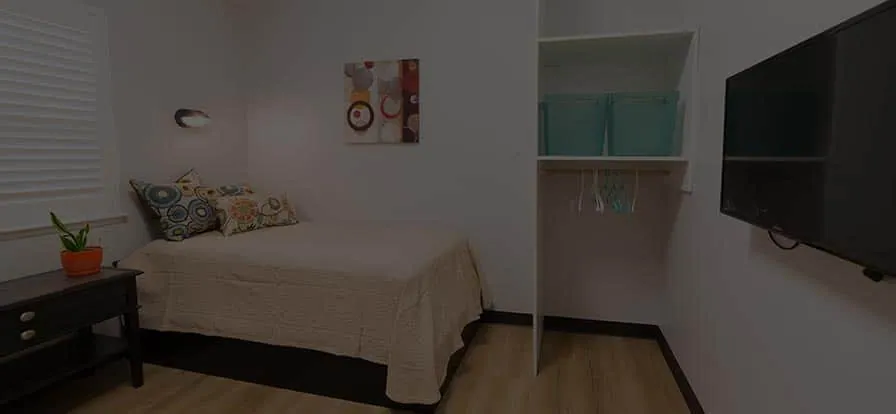 Inpatient
 Houston, TX
1019 Ashland St · 77008
- On-site labs
- 24-hour medical staff
Drug Detox Center in Houston, TX
-
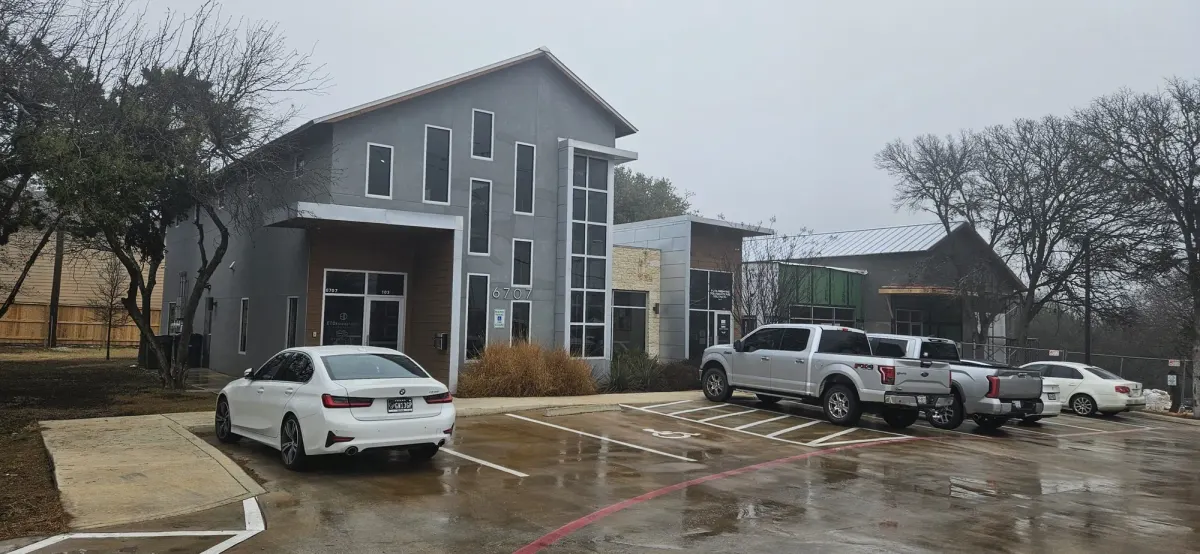 Outpatient
 San Antonio, TX
6707 W Hausman Rd · 78249
- Outpatient detox with scheduled medical visits
- Outpatient treatment
Outpatient Drug & Alcohol Detox in San Antonio
What to Expect During Prescription Painkiller Detox
Once your brother enters detox, medical staff will conduct a comprehensive assessment: substance use history, co-occurring mental health conditions, vital signs, and withdrawal risk. Opioid withdrawal typically begins 8 to 24 hours after the last dose, depending on whether he's been using short-acting drugs like oxycodone or long-acting formulations like extended-release morphine.
Symptoms peak around 48 to 72 hours and include muscle aches, sweating, nausea, vomiting, diarrhea, anxiety, and intense cravings. While opioid withdrawal is rarely life-threatening in otherwise healthy adults, it is profoundly uncomfortable—and the leading reason people relapse before completing detox.
Medical detox addresses this with medication-assisted treatment (MAT). Buprenorphine, for example, binds to the same opioid receptors without producing a high, dramatically reducing withdrawal severity. Clonidine manages blood pressure and anxiety. Anti-nausea and sleep aids provide additional comfort. Around-the-clock nursing ensures safety and adjusts medications as symptoms evolve.
Ready to talk to someone now? Briarwood Detox Center's admissions team is here 24/7, and every call is confidential. Call (866) 710-7710.Detox typically lasts 5 to 7 days for prescription opioids, though individual timelines vary. The goal is physiological stabilization—clearing the drug from his system and restoring baseline brain chemistry—so he can transition to outpatient counseling, therapy, or a structured treatment program with a clear mind.
Supporting Your Brother After the Intervention and During Detox
Your role doesn't end when he agrees to go. During detox, respect the facility's visitation and communication policies—most centers limit contact in the first 48 hours to help clients focus on stabilization. When you do visit or speak, keep conversations encouraging and forward-looking. Avoid rehashing past conflicts or demanding promises about the future.
After discharge, your brother will need a robust continuing-care plan. Briarwood Detox Center offers outpatient detox and stabilization services in Austin, San Antonio, Houston, and Colorado Springs, which can provide step-down support as he transitions home. Encourage him to engage with outpatient counseling, 12-step or SMART Recovery meetings, and possibly medication-assisted treatment if his care team recommends it.
Set and enforce healthy boundaries. Love and support do not mean enabling. If he asks for money, offer to pay a bill directly. If he asks to move back home, make sobriety and treatment participation non-negotiable conditions. Attend family therapy or Al-Anon meetings to process your own emotions and learn strategies for avoiding codependency.
Common Pitfalls to Avoid When Staging an Intervention
Even well-intentioned interventions can backfire if certain mistakes are made. Avoid these common traps:
- Springing it on him with no plan: An intervention without a detox bed reserved is just a confrontation. Always have immediate placement ready.
- Letting emotions escalate into arguments: If the conversation becomes a shouting match, take a break or end the session. Reconvene when everyone is calmer.
- Making empty threats: Only state consequences you are 100% prepared to enforce. Idle threats erode credibility and enable continued use.
- Expecting instant gratitude: Your brother may be angry, defensive, or silent. That's normal. The intervention's success isn't measured by his immediate reaction but by whether he ultimately accepts help.
- Neglecting your own well-being: Caring for an addicted family member is exhausting. Seek support for yourself, whether through therapy, support groups, or trusted friends.
When to Seek Professional Help Staging the Intervention
If your brother has a history of violence, severe mental illness, or suicidal ideation, hire a certified interventionist with experience in dual-diagnosis cases. If he's using fentanyl-laced pills or injecting opioids, the overdose risk is high—professional guidance ensures safety protocols are in place. If previous family conversations have failed or relationships are deeply fractured, an interventionist provides neutral facilitation and de-escalation skills.
Professional interventionists typically charge $2,000 to $5,000 but dramatically increase the likelihood of a successful outcome. Many work closely with detox centers to coordinate seamless admission, and some insurance plans cover a portion of the cost under behavioral health benefits.
Moving Forward: From Intervention to Lasting Recovery
Staging an intervention for your brother who is addicted to prescription painkillers is an act of courage and love. It's also just the beginning. Opioid addiction is a chronic, relapsing condition that requires ongoing management, much like diabetes or hypertension. Detox addresses the acute withdrawal crisis; recovery is built over months and years through therapy, community support, lifestyle changes, and sometimes long-term medication.
Celebrate small victories—a week sober, a therapy appointment kept, a honest conversation. Be prepared for setbacks and avoid catastrophizing a slip into a full relapse. Recovery is rarely linear, and your sustained support, paired with professional treatment, gives your brother the best possible chance at reclaiming his life.
If your brother is struggling with prescription painkiller addiction and you're ready to take the next step, Briarwood Detox Center is here to help. Our medical teams in Austin, San Antonio, Houston, and Colorado Springs provide compassionate, evidence-based detox and withdrawal management tailored to opioid use disorder.
Ready to take the next step?
Briarwood Detox Center provides medically supervised drug & alcohol detox. Call (866) 710-7710 to speak with our team today.
Frequently Asked Questions
How to help someone who is addicted to prescription medication?+–
Start with an honest, non-judgmental conversation expressing your concern and specific examples of how the addiction has affected their life. Offer to help them research treatment options, verify insurance benefits, and arrange medical detox. If they refuse help, consider staging a formal intervention with family, friends, and possibly a professional interventionist. Provide information about detox centers and make it clear you'll support their recovery but will not enable continued use.
How to help a family member with opioid addiction?+–
Educate yourself about opioid use disorder so you understand it's a medical condition, not a moral failing. Set firm boundaries while offering support for treatment. Help them connect with medical detox and outpatient services that offer medication-assisted treatment. Attend family therapy or Al-Anon to process your own emotions and avoid codependency. Be patient—recovery takes time and may involve setbacks—but remain consistent in encouraging professional help and healthy choices.
How to deal with sibling drug addiction?+–
Acknowledge your complex emotions—anger, guilt, fear—are all normal. Talk openly with other family members to present a united front. Avoid covering for your sibling or bailing them out of consequences, as this enables continued use. Encourage them to enter detox and treatment, offering concrete help like researching facilities or driving them to appointments. Take care of your own mental health through therapy or support groups, and set boundaries that protect your well-being while keeping the door open for their recovery.
What to do if someone is addicted to painkillers?+–
Encourage them to seek medical detox as soon as possible, as stopping opioids abruptly can be dangerous and extremely uncomfortable. Help verify their insurance benefits and identify a reputable detox center that offers medication-assisted treatment. If they're resistant, gather loved ones for an intervention. Remove access to pills if you live together, and never provide money that could be used to buy drugs. Overdose risk is high with painkillers, so consider keeping naloxone (Narcan) on hand and learning how to use it.
What is the 3 3 3 rule for addiction?+–
The 3-3-3 rule is an informal guideline some counselors use to assess early recovery stability: three days sober to clear acute intoxication, three weeks to begin establishing new routines and reduce intense cravings, and three months to start rebuilding relationships and see measurable lifestyle changes. It's not a clinical standard but a rough framework to set realistic expectations. Opioid recovery often requires longer timelines, especially when medication-assisted treatment and therapy are involved.
What is the most common prescription drug addiction?+–
Opioid painkillers—including oxycodone, hydrocodone, morphine, and fentanyl—are the most commonly abused prescription drugs in the United States. Benzodiazepines like Xanax and Valium rank second, followed by stimulants such as Adderall. Opioid addiction often begins with a legitimate prescription for pain management after surgery or injury, then escalates as tolerance develops and the brain becomes dependent on the drug to function normally.
Does opioid addiction ever go away?+–
Opioid addiction is a chronic condition, meaning it requires ongoing management rather than a one-time cure. Many people achieve long-term remission and live fulfilling, drug-free lives, but the brain changes caused by prolonged opioid use can persist for years. Triggers, stress, and environmental cues may reactivate cravings even after extended sobriety. Successful recovery typically involves continued therapy, support groups, lifestyle changes, and sometimes maintenance medication like buprenorphine to prevent relapse.
How to help an addict who doesn't want help?+–
You cannot force someone into recovery, but you can control your own actions. Stop enabling by refusing to provide money, housing, or cover-ups that allow use to continue. Set clear boundaries and consequences, then follow through. Stage an intervention with professional help to break through denial. Be ready to act immediately if a crisis—medical emergency, arrest, or moment of clarity—creates an opening. Keep lines of communication open, express your willingness to support treatment, and take care of your own mental health in the meantime. Ready to Start Your Recovery in Austin? Briarwood Detox Center offers medically supervised detox in Austin. Explore our locations, see the facility, and verify your insurance in minutes. See our locations
Related guides



About the people behind this guide
Anna-Grace Washington
Medical Content Writer
Anna-Grace Washington is a Medical Content Writer for Briarwood Detox Center. She holds a master’s degree in clinical psychology from the University of Texas and brings a strong understanding of behavioral health, addiction recovery, and evidence-based treatment concepts to her writing.
Dr. Robert Ulrich, DO
Medical Director
Dr. Robert Ulrich serves as Medical Director at Briarwood Detox Center, bringing more than two decades of clinical neurology experience to the treatment of substance use disorders. He is board-certified in neurology by the American Board of Psychiatry and Neurology and completed his neurology residency at UT Southwestern Medical Center in Dallas, where he served as Chief Resident.
In network with most major insurance
Find your plan and see what detox would cost
Most plans cover medical detox. Coverage varies by plan, so we verify it for you before you commit to anything.

















Don't see your plan? We work with out-of-network benefits and offer self-pay options — (866) 710-7710
- Confidential
- Takes about 2 minutes
- No obligation to admit

- Accredited The Joint Commission
- Rated 4.7 · 183 Google reviews Flourishing Foundations Recovery, now part of Briarwood
- Admissions 24 hours a day