
Guide
How to Stage an Intervention for a Daughter Addicted to Painkillers
Joint Commission accredited · In network with most major insurance · Admissions answered 24 hours a day


Published July 16, 2026
Reviewed and updated July 29, 2026
Staging an intervention for your daughter who's addicted to prescription painkillers requires careful planning, a supportive team, and clear treatment options. Begin by assembling a small group of people she trusts—typically four to six individuals who have witnessed the impact of her addiction. Set a specific date, time, and private location, then prepare individual statements that focus on concrete observations and consequences rather than blame. Most importantly, research detox and treatment options beforehand so you can present an immediate path forward when she agrees to accept help.
Briarwood Detox Center’s opioid detox program provides medically supervised, evidence-based care.
Briarwood Detox Center’s family support program provides medically supervised, evidence-based care.
Understanding Why Prescription Painkiller Addiction Requires Professional Detox
Prescription opioid painkillers—including oxycodone, hydrocodone, morphine, and fentanyl—create profound physical dependence. When your daughter stops using these medications abruptly, her body responds with withdrawal symptoms that range from uncomfortable to medically dangerous. Symptoms typically include severe muscle aches, nausea, vomiting, diarrhea, anxiety, insomnia, and intense cravings.
Does your insurance cover detox in Austin?
Find out in about 2 minutes — free, confidential, no obligation.
Verify InsuranceThe physical discomfort of opioid withdrawal drives many people back to use within hours of attempting to quit on their own. This cycle reinforces the addiction and deepens feelings of hopelessness. Medical detox provides supervised withdrawal management with medications that ease symptoms, monitor vital signs, and prevent complications. Without this support, the success rate of at-home cessation attempts remains extremely low.
Understanding the medical nature of opioid dependence helps frame your intervention message. Your daughter isn't weak or morally flawed—her brain chemistry has been altered by repeated exposure to powerful substances. This perspective reduces shame and opens the door to compassionate, solution-focused conversation.
Assembling Your Intervention Team
The people you choose for the intervention team profoundly influence the outcome. Select individuals your daughter respects and who can remain calm under emotional pressure. This typically includes immediate family members, close friends, a spouse or partner, and possibly a trusted mentor, coach, or spiritual advisor.
Limit the group to four to six people. Larger groups feel overwhelming and accusatory; smaller groups may lack the collective impact needed. Avoid anyone who is currently using substances themselves, has an antagonistic relationship with your daughter, or struggles to manage their own emotions during difficult conversations.
Consider hiring a professional interventionist, especially if family dynamics are complex or previous attempts to address the addiction have failed. Interventionists bring structure, de-escalation skills, and experience navigating resistance. They also help the team stay focused on the goal rather than getting sidetracked by old grievances or emotional outbursts.
Planning the Logistics of Your Intervention
Choose a private, neutral location where your daughter feels relatively safe but cannot easily leave. A family home often works well, provided it's quiet and free from distractions. Schedule the intervention when she's likely to be sober—typically morning or early afternoon—and when you can immediately transport her to treatment if she agrees.
Set a specific date and time, allowing two to three weeks for preparation. This window gives the team time to rehearse, research treatment options, and make logistical arrangements. Confirm that a detox bed will be available on intervention day. Many families contact facilities like Briarwood Detox Center in advance to verify insurance coverage, discuss admission procedures, and hold a provisional spot.
Prepare for different outcomes. If your daughter agrees to treatment, have transportation ready and a packed bag waiting. If she refuses, the team must be prepared to enforce predetermined boundaries—these are the consequences you'll outline during the intervention itself.
Writing and Rehearsing Individual Statements
Each team member should prepare a written statement that follows a simple structure: express love, describe specific incidents caused by the addiction, explain how the addiction has affected the relationship, and make a direct request for her to accept treatment. Keep statements brief—about two minutes when read aloud.
Focus on observable facts rather than character judgments. Instead of "You've become selfish and irresponsible," try "When you missed Thanksgiving dinner, I felt hurt and worried. I found you unconscious in your apartment the next day, and I was terrified." Concrete examples carry more weight than abstract accusations.
Rehearse the entire intervention at least once, ideally twice. Practice reading statements aloud, role-play your daughter's potential reactions, and establish the speaking order. Decide in advance who will handle specific tasks: who speaks first, who presents the treatment plan, who enforces time limits if conversations spiral. Rehearsal reduces anxiety and helps the team respond cohesively during the actual event.
Setting Clear Boundaries and Consequences
Boundaries are non-negotiable actions you will take if your daughter refuses treatment. These aren't punishments—they're necessary steps to stop enabling the addiction. Common boundaries include refusing to provide money, ending shared living arrangements, declining to bail her out of legal or financial trouble, and limiting contact until she enters treatment.
Each team member must articulate their own boundary clearly and be prepared to enforce it immediately. Vague threats undermine credibility. "I won't support your addiction anymore" is less effective than "If you don't enter detox today, I will no longer pay your rent or phone bill, effective immediately."
Boundaries feel harsh, especially with your own child. Remember that continuing to enable the addiction poses a greater risk than enforcing consequences. Prescription opioid addiction carries significant overdose risk, particularly as tolerance increases and people mix substances. Allowing the addiction to continue unchecked isn't loving—it's dangerous.
Ready to talk to someone now? Briarwood Detox Center's admissions team is here 24/7, and every call is confidential. Call (866) 710-7710.Presenting the Treatment Plan During Your Intervention
When you stage an intervention for your daughter who's addicted to prescription painkillers, the treatment plan must be specific, immediate, and already arranged. Vague promises to "find help soon" rarely lead to action. Instead, present a concrete option: a confirmed detox admission, transportation waiting, insurance verified, and bags packed.
Explain the detox process in straightforward terms. Medical detox for opioid addiction typically lasts five to ten days and takes place in either an inpatient setting with 24-hour nursing care or an outpatient program with daily medical appointments. Medications like buprenorphine or methadone ease withdrawal symptoms, while medical staff monitor vitals and adjust treatment protocols as needed.
Briarwood Detox Center offers both inpatient medical detox in Austin and outpatient detox programs in Austin, San Antonio, Houston, and Colorado Springs. Presenting options helps your daughter feel she has some agency in the decision, even as the team makes clear that entering treatment is non-negotiable. Be prepared to address insurance questions, cost concerns, and logistical details about what happens after detox ends.
Where we are
Detox centers across Texas
Three locations, each with its own admissions line and its own clinical team. Pick the one nearest you — or call and we will tell you which has a bed tonight.
-
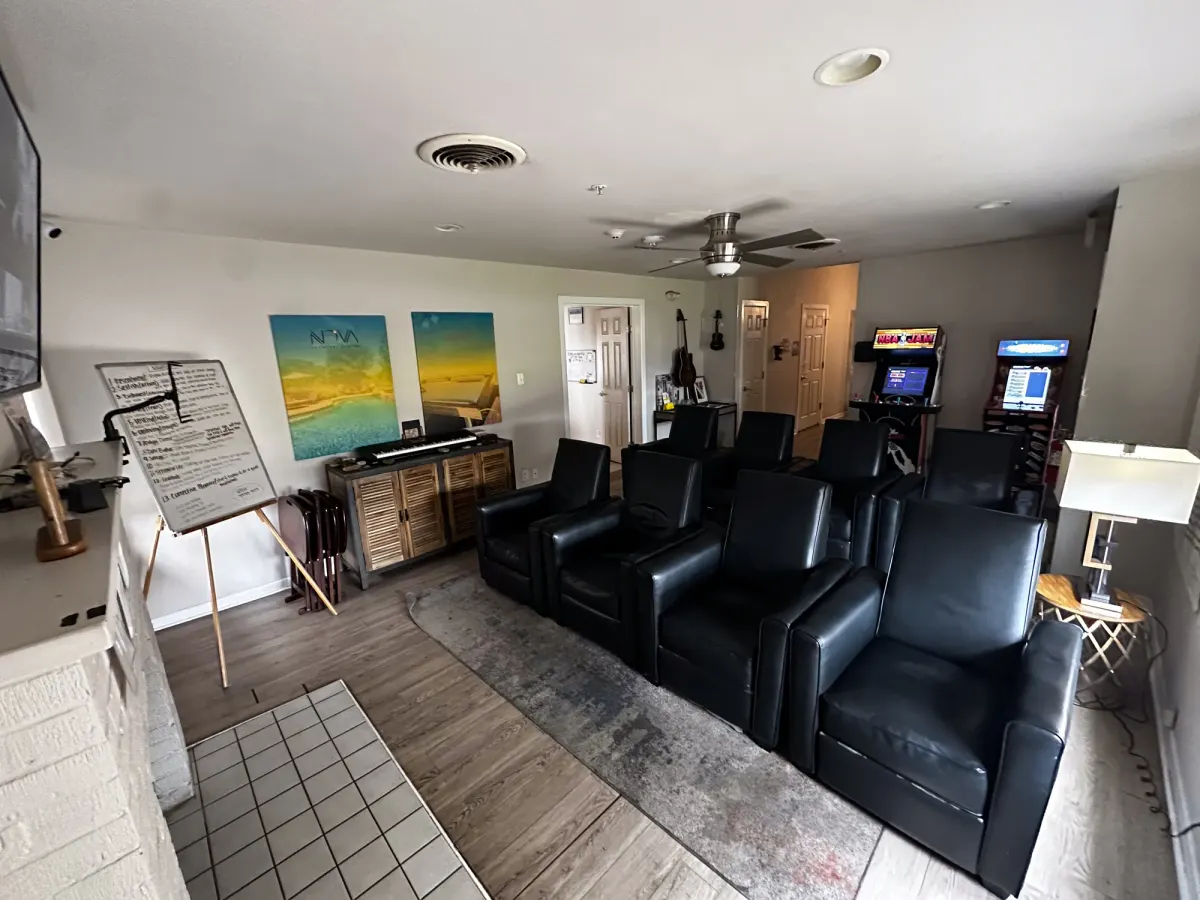 Inpatient
 Austin, TX
11711 N Lamar Blvd · 78753
- 15 beds
- On-site labs
- 24-hour medical staff
Drug & Alcohol Detox in Austin, TX
-
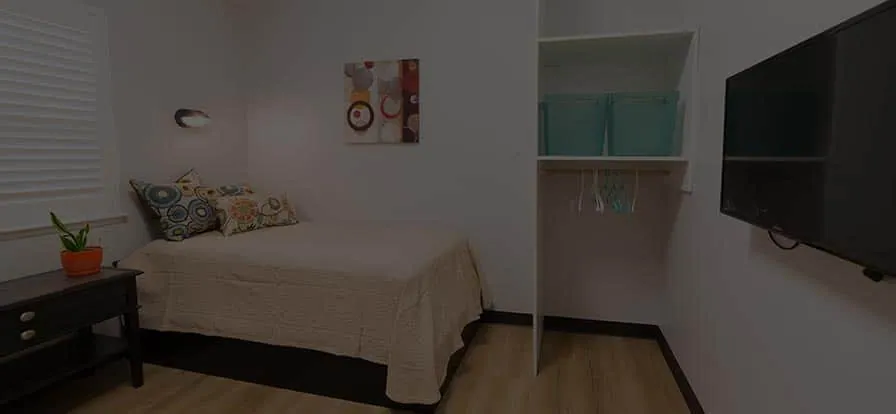 Inpatient
 Houston, TX
1019 Ashland St · 77008
- On-site labs
- 24-hour medical staff
Drug Detox Center in Houston, TX
-
 Outpatient
 San Antonio, TX
6707 W Hausman Rd · 78249
- Outpatient detox with scheduled medical visits
- Outpatient treatment
Outpatient Drug & Alcohol Detox in San Antonio
Navigating Resistance and Emotional Reactions
Your daughter will likely react with anger, denial, bargaining, or tears. These responses are normal self-protective mechanisms. She may accuse the team of ganging up on her, claim the problem isn't serious, promise to quit on her own, or walk out. Anticipate these reactions and plan how to respond without escalating.
Stay calm and return to the prepared statements. Acknowledge her feelings—"I understand you're angry right now"—without backing down from the core message. Avoid arguing about whether she has a problem; the intervention itself demonstrates that multiple people have observed serious consequences.
If she attempts to leave, calmly remind her of the boundaries the team will enforce. If she agrees to treatment but requests a delay—"I'll go next week after I finish this project"—hold firm. Addiction thrives on delay. The transportation and treatment bed are ready now, and waiting increases the risk she'll change her mind or experience a life-threatening overdose.
Following Through After the Intervention
If your daughter agrees to enter detox, accompany her to the facility or ensure a trusted team member handles transportation. Don't allow her to "stop home first" or "say goodbye to friends"—these detours often derail the plan. Stay with her through admission if the facility allows, then step back and let clinical staff take over.
If she refuses treatment, enforce every boundary immediately. This is the hardest part of staging an intervention for your daughter who's addicted to prescription painkillers, but it's essential. Failing to follow through teaches her that the team wasn't serious, which makes future interventions less effective.
After detox, your daughter will need ongoing support—typically outpatient counseling, support groups, and possibly medication-assisted treatment. Plan to participate in family therapy if offered. Addiction affects entire family systems, and recovery works best when everyone addresses their role in the dynamic.
Taking the First Step Toward Healing
Watching your daughter struggle with prescription painkiller addiction is devastating, but intervention offers a structured path forward when other approaches have failed. With careful planning, a committed team, and immediate treatment options, you create the best possible conditions for her to choose recovery.
If you're ready to stage an intervention and need guidance on detox options, Briarwood Detox Center can help you verify insurance benefits, understand the admission process, and answer questions about medically supervised withdrawal management.
Ready to take the next step?
Briarwood Detox Center provides medically supervised drug & alcohol detox. Call (866) 710-7710 to speak with our team today.
Frequently Asked Questions
How to deal with a drug addict daughter?+–
Set clear boundaries while expressing unconditional love. Educate yourself about addiction as a medical condition, not a moral failing. Avoid enabling behaviors like providing money or making excuses for her. Encourage professional treatment and consider staging a formal intervention if she refuses help. Take care of your own mental health through support groups or therapy, as family members of addicts often experience significant stress and trauma.
How do you help an addict who doesn't want help?+–
You cannot force someone into lasting recovery, but you can remove the supports that enable active addiction. Stop providing money, housing, or other resources that make using easier. Stage a formal intervention with clear consequences if she refuses treatment. Focus on keeping communication lines open without tolerating destructive behavior. Sometimes hitting bottom—experiencing real consequences—motivates change more effectively than protection from those consequences.
What advice to give someone who is addicted to drugs?+–
Be direct and compassionate: acknowledge that addiction is a medical condition requiring professional treatment, emphasize that withdrawal from substances like opioids should be medically supervised for safety and comfort, and offer concrete next steps like calling a detox center or verifying insurance benefits. Avoid lecturing about consequences they already know. Instead, focus on the specific action they can take today to begin recovery.
How to help an adult child with drug addiction?+–
Recognize that as an adult, your child must ultimately choose recovery, but you can create conditions that encourage that choice. Stop financial support that funds addiction. Offer to help arrange treatment but not to enable continued use. Attend family support groups to learn healthy boundaries. If necessary, stage a formal intervention with a professional interventionist. Remember that helping sometimes means allowing your adult child to experience the natural consequences of their choices.
How to deal with an addict who won't get help?+–
Enforce firm boundaries immediately. Clearly communicate what support you will no longer provide and follow through consistently. Document incidents that demonstrate the severity of the problem for a potential future intervention. Seek support for yourself through Al-Anon, Nar-Anon, or therapy. Consider that refusing help today doesn't mean refusing help forever—many people enter recovery after multiple intervention attempts or after experiencing serious consequences.
What is the 3 3 3 rule for addiction?+–
The 3-3-3 rule refers to acute opioid withdrawal timing: symptoms typically begin within 6-12 hours of last use, peak around day 3, and the worst physical symptoms subside by day 7-10. Some sources describe it as the first 3 days being the hardest physically, the next 3 weeks addressing post-acute symptoms, and the following 3 months establishing new patterns. Medical detox significantly eases this timeline with symptom-management medications.
Should I tell my daughter's employer about her addiction?+–
This depends on safety concerns and your relationship. If her job involves operating machinery, caring for vulnerable people, or other safety-sensitive duties, disclosure may be ethically necessary. Otherwise, respect her privacy while making clear you won't lie or cover for her. Losing employment is sometimes a natural consequence that motivates treatment. Focus your intervention on getting her into detox rather than managing every aspect of her life.
How long should an intervention last?+–
Plan for 30 to 90 minutes. Each team member reads their prepared statement—about two minutes each—followed by presentation of the treatment plan and discussion. If your daughter agrees quickly, end the intervention and proceed to transportation. If she's resistant, allow some discussion but avoid circular arguments. Set a time limit in advance. Interventions that drag past two hours often lose focus and emotional control without improving outcomes. Ready to Start Your Recovery in Austin? Briarwood Detox Center offers medically supervised detox in Austin. Explore our locations, see the facility, and verify your insurance in minutes. See our locations
How Do I Stage an Intervention for My Daughter Who's Addicted to Methamphetamine and Won't Get Help?
Direct answer: Staging an intervention for a daughter addicted to methamphetamine requires careful planning with a professional interventionist, preparing a supportive team of loved ones, choosing a private setting, and having immediate treatment options ready—including medical detox in Austin or outpatient detox in San Antonio or Houston. Meth withdrawal can cause severe psychological symptoms like paranoia, depression, and intense cravings, making professional intervention guidance and immediate access to medical care essential.
Methamphetamine addiction often creates significant behavioral changes—aggression, paranoia, denial, and isolation—that make intervention particularly challenging. Family members frequently face resistance, manipulation, or anger. A structured, compassionate intervention increases the likelihood your daughter will accept help and enter treatment safely.
Step-by-Step: Planning a Meth Intervention for Your Daughter
- Hire a professional interventionist. Meth addiction often involves unpredictable behavior and strong denial. A licensed intervention specialist experienced with stimulant use disorders will guide your family through preparation, manage the conversation, and de-escalate conflict. They also help you set firm, loving boundaries and consequences if your daughter refuses treatment.
- Assemble a small, trusted intervention team. Include 3–6 people your daughter respects and trusts—parents, siblings, close friends, a mentor, or employer. Avoid anyone who enables her use, has unresolved conflict with her, or may become emotional and derail the conversation.
- Pre-arrange treatment admission. Before the intervention, confirm a bed is available at a detox center in Austin, an outpatient program in San Antonio or Houston, or another facility that specializes in stimulant addiction. Have admission paperwork, insurance verification, and transportation ready so she can enter treatment the same day if she agrees.
- Write and rehearse impact statements. Each team member prepares a brief, non-judgmental letter describing specific behaviors they've witnessed, how her meth use has affected them, and their love and concern for her. Rehearse these statements with the interventionist to keep the tone calm and supportive, not accusatory.
- Set clear, enforceable boundaries. Decide in advance what consequences you will follow through on if your daughter refuses help—examples include withdrawing financial support, asking her to move out, or limiting contact. Boundaries must be realistic, firm, and communicated with love, not as threats.
- Choose a neutral, private location and time. Hold the intervention at a time when your daughter is likely sober and calm—mornings are often best. A private home, the interventionist's office, or a quiet, familiar space reduces the chance of public embarrassment or escape.
- Lead with empathy, present facts, offer immediate help. Open the conversation by expressing love and concern. Each person reads their impact statement. The interventionist presents the treatment plan and emphasizes that help is available right now. Avoid arguing, debating, or responding to excuses—stay focused on the goal: getting her into professional care today.
- Be prepared for any response. Your daughter may accept immediately, become angry, try to leave, or ask for time. The interventionist will guide the team's response. If she refuses, calmly enforce the pre-set boundaries and leave the door open for future help. Many people accept treatment after an initial refusal once consequences become real.
Why Meth Addiction Requires Immediate Medical Support
Methamphetamine withdrawal is primarily psychological but can be severe—symptoms include extreme fatigue, depression, anxiety, intense cravings, agitation, and sometimes suicidal thoughts. These symptoms peak in the first 7–10 days and can last weeks. Medical detox provides 24/7 supervision, symptom management, psychiatric support, and a safe environment during the most vulnerable period. Without professional care, relapse rates are high and the risk of overdose increases if your daughter returns to using after a period of abstinence.
Briarwood Detox Center offers inpatient medical detox in Austin and outpatient detox programs in San Antonio and Houston for individuals struggling with stimulant addiction. Our clinical team provides evidence-based care, medication support for co-occurring mental health conditions, and transition planning to ongoing treatment. If your daughter agrees to help during the intervention, we can facilitate same-day admission. Call (866) 710-7710 to verify availability, discuss her specific needs, and coordinate intake before or during your intervention.
What to Do If Your Daughter Refuses the Intervention
If your daughter says no, follow through on the boundaries you set—this demonstrates that her addiction has real consequences and that your family will no longer enable her use. Maintain your own support system through family therapy, Al-Anon, or counseling. Keep communication open but firm: let her know the treatment offer remains available whenever she's ready, and that you love her unconditionally but cannot support active addiction.
Many families conduct more than one intervention before their loved one accepts help. Each conversation plants a seed. Document her behavior, track incidents, and stay connected with the interventionist and treatment providers. If she becomes a danger to herself or others, explore legal options such as emergency psychiatric evaluation or, in some cases, court-ordered treatment.
Resources to Support Your Family
- Addiction Recovery Resources in Austin – local support services, hotlines, and family programs
- How to Help a Family Member Check Into Medical Detox – step-by-step guide to facilitating admission
- Intervention Options When a Loved One Refuses Help – strategies and legal considerations
- Dual Diagnosis Detox in Austin – treating co-occurring mental health conditions alongside addiction
If you need guidance planning an intervention or want to arrange immediate treatment for your daughter, contact Briarwood Detox Center at (866) 710-7710. Our admissions team is available 24/7 to answer questions, verify insurance, and coordinate care.
Related guides


About the people behind this guide
Anna-Grace Washington
Medical Content Writer
Anna-Grace Washington is a Medical Content Writer for Briarwood Detox Center. She holds a master’s degree in clinical psychology from the University of Texas and brings a strong understanding of behavioral health, addiction recovery, and evidence-based treatment concepts to her writing.
Dr. Robert Ulrich, DO
Medical Director
Dr. Robert Ulrich serves as Medical Director at Briarwood Detox Center, bringing more than two decades of clinical neurology experience to the treatment of substance use disorders. He is board-certified in neurology by the American Board of Psychiatry and Neurology and completed his neurology residency at UT Southwestern Medical Center in Dallas, where he served as Chief Resident.
In network with most major insurance
Find your plan and see what detox would cost
Most plans cover medical detox. Coverage varies by plan, so we verify it for you before you commit to anything.


















Don't see your plan? We work with out-of-network benefits and offer self-pay options — (866) 710-7710
- Confidential
- Takes about 2 minutes
- No obligation to admit

- Accredited The Joint Commission
- Rated 4.7 · 183 Google reviews Flourishing Foundations Recovery, now part of Briarwood
- Admissions 24 hours a day