
Guide
Are There Women-Only Detox Programs Available in San Antonio?
Joint Commission accredited · In network with most major insurance · Admissions answered 24 hours a day

Published July 15, 2026
Reviewed and updated July 29, 2026
Yes, women-only detox programs are available in San Antonio, though the landscape differs from what many people expect. While dedicated residential women's-only detox facilities remain limited in the area, outpatient detox programs like Briarwood Detox Center in San Antonio provide medically supervised withdrawal management in settings where many women feel more comfortable discussing gender-specific health concerns. The question isn't just whether these programs exist—it's understanding what makes gender-specific detox clinically valuable and how to access appropriate care when you need it.
If you or someone you love needs more than detox, Briarwood Detox Center also provides outpatient rehab san antonio.
Why Women-Only Detox Programs Matter Clinically
The push for gender-specific detox isn't about preference—it's rooted in pharmacology and trauma-informed care. Women metabolize alcohol and many drugs differently than men, leading to distinct withdrawal timelines and symptom profiles. Alcohol, for instance, produces higher blood alcohol concentrations in women at equivalent doses due to lower water content in female body composition and reduced gastric alcohol dehydrogenase activity.
Does your insurance cover detox in San Antonio?
Find out in about 2 minutes — free, confidential, no obligation.
Verify InsuranceThese metabolic differences translate directly into detox protocols. Women withdrawing from alcohol may experience more severe cognitive impairment during acute withdrawal, while benzodiazepine withdrawal in women often presents with longer-lasting anxiety symptoms. Opioid withdrawal, though mechanistically similar across genders, frequently triggers different co-occurring concerns—postpartum complications, menstrual irregularities, or bone density issues from chronic use.
Beyond physiology, trauma history shapes the detox environment women need. Research consistently shows that 55-99% of women entering substance use treatment report lifetime trauma exposure, with rates of PTSD two to three times higher than male counterparts. A women-only detox program in San Antonio creates space to address withdrawal symptoms without the added stress of mixed-gender settings that may feel unsafe to trauma survivors.
What Gender-Specific Detox Actually Looks Like in San Antonio
When people search for women-only detox programs available in San Antonio, they often envision separate residential facilities with all-female staff and clients. The reality is more nuanced. Briarwood Detox Center's San Antonio outpatient program doesn't operate as a residential women's-only facility, but it does provide medical detox services in an environment where gender-specific concerns receive clinical attention.
Outpatient detox means you receive medication-assisted withdrawal management, vital sign monitoring, and clinical support while returning home between appointments. This model works particularly well for women with childcare responsibilities, professional obligations, or those whose substance use patterns don't require 24-hour inpatient stabilization. You're not isolated from your support system—you're accessing medical expertise precisely when withdrawal symptoms peak.
The medical protocols remain rigorous. Initial assessments evaluate withdrawal risk using tools like the Clinical Institute Withdrawal Assessment, substance use history, co-occurring mental health conditions, and medical complications. Women detoxing from alcohol receive benzodiazepines on a symptom-triggered or fixed schedule to prevent seizures. Opioid withdrawal is managed with buprenorphine or comfort medications targeting nausea, muscle pain, and insomnia. Benzodiazepine tapers follow evidence-based protocols that can span weeks or months depending on use duration.
Services Offered by Women-Focused Detox Programs
A comprehensive approach to women-only detox programs in San Antonio addresses more than just the substance leaving your system. Effective programs integrate several clinical components:
- Medical stabilization: Withdrawal symptom management with FDA-approved medications, continuous monitoring of vital signs, and intervention protocols for complications like seizures, delirium tremens, or severe dehydration.
- Co-occurring disorder screening: Depression, anxiety, PTSD, and eating disorders appear at higher rates in women with substance use disorders. Detox is the entry point for identifying these conditions, not the place to treat them long-term, but symptoms must be managed to safely complete withdrawal.
- Pregnancy and reproductive health considerations: Women of childbearing age require pregnancy testing and specialized protocols. Certain detox medications are contraindicated in pregnancy, while others—particularly for opioid use disorder—are essential to prevent miscarriage or preterm labor from unmanaged withdrawal.
- Nutrition and hydration support: Chronic substance use depletes thiamine, folate, magnesium, and other nutrients critical for neurological function. Women face higher osteoporosis risk from alcohol and opioid use, making calcium and vitamin D repletion important even during short-term detox.
- Discharge planning: Detox is a medical intervention, not treatment. Effective programs connect you to outpatient therapy, medication-assisted treatment for opioid or alcohol use disorder, psychiatric care, and peer support before you walk out the door.
Briarwood's outpatient detox model in San Antonio delivers these services while allowing women to maintain daily responsibilities. You're not choosing between getting help and keeping your job or caring for your children—the program adapts to the realities of women's lives.
Where we are
Detox centers across Texas
Three locations, each with its own admissions line and its own clinical team. Pick the one nearest you — or call and we will tell you which has a bed tonight.
-
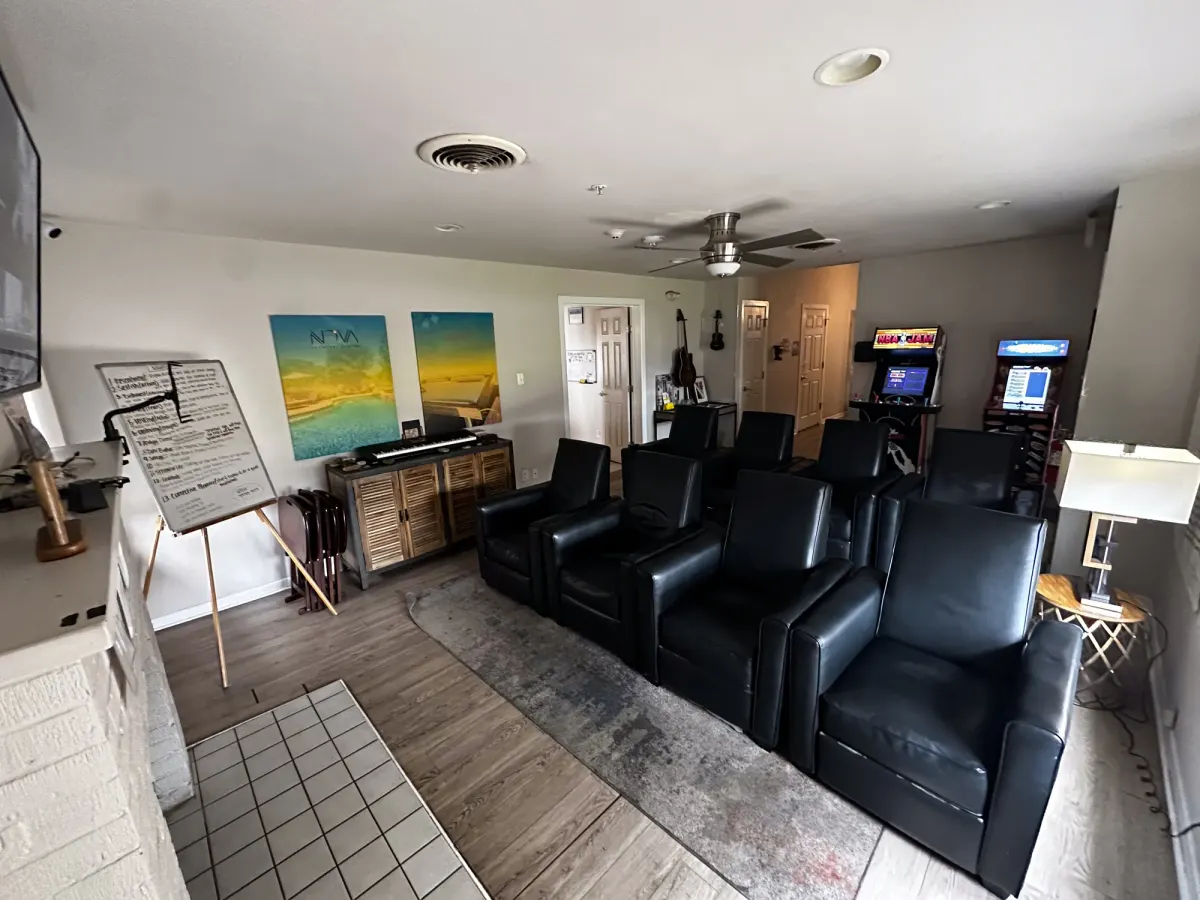 Inpatient
 Austin, TX
11711 N Lamar Blvd · 78753
- 15 beds
- On-site labs
- 24-hour medical staff
Drug & Alcohol Detox in Austin, TX
-
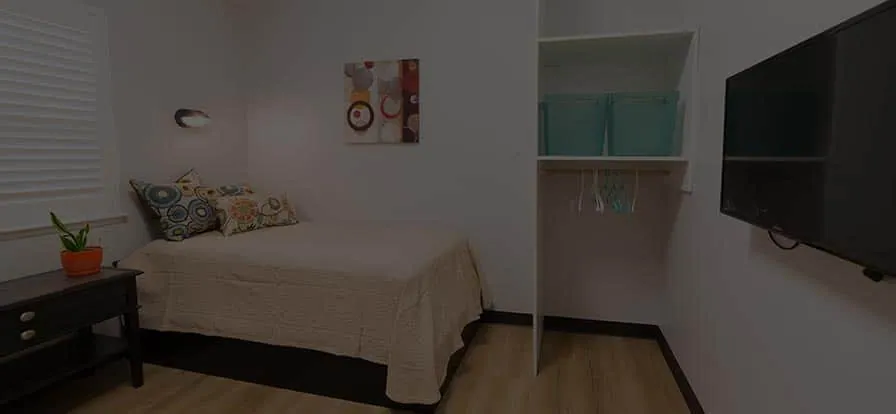 Inpatient
 Houston, TX
1019 Ashland St · 77008
- On-site labs
- 24-hour medical staff
Drug Detox Center in Houston, TX
-
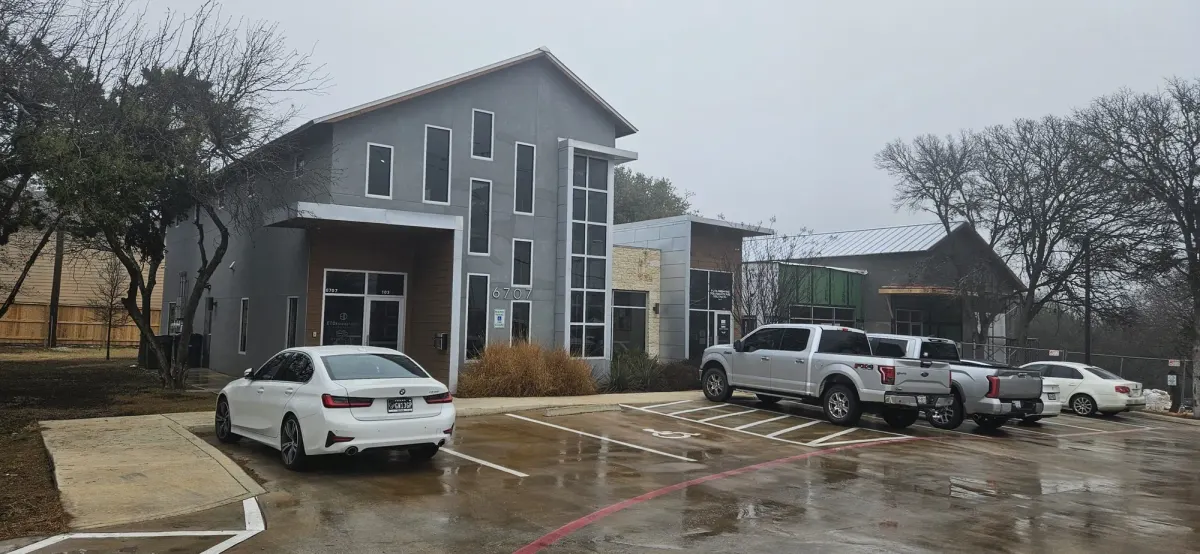 Outpatient
 San Antonio, TX
6707 W Hausman Rd · 78249
- Outpatient detox with scheduled medical visits
- Outpatient treatment
Outpatient Drug & Alcohol Detox in San Antonio
When Outpatient Detox Works and When It Doesn't
Not every woman seeking detox qualifies for outpatient care, and recognizing the difference is critical for safety. Outpatient detox through programs like Briarwood in San Antonio works well for women who:
- Have a stable living environment free from active substance use
- Are withdrawing from substances with low medical complication risk (cannabis, cocaine) or moderate risk manageable with medication (alcohol, opioids)
- Can attend daily or near-daily appointments during acute withdrawal
- Have transportation to the clinic and a support person at home
- Don't have severe co-occurring psychiatric conditions requiring inpatient psychiatric stabilization
Conversely, inpatient detox becomes necessary when withdrawal poses immediate medical danger—severe alcohol dependence with previous seizures, benzodiazepine dependence requiring complex cross-tapers, or polysubstance use complicating symptom management. Women with unstable housing, domestic violence situations, or severe mental health crises also need the structure and safety of 24-hour care.
The ASAM (American Society of Addiction Medicine) criteria guide these placement decisions. A thorough assessment evaluates six dimensions: acute intoxication, withdrawal potential, biomedical conditions, emotional/behavioral conditions, readiness to change, and recovery environment. This standardized approach removes guesswork from what can feel like an overwhelming choice.
Addressing Common Concerns About Women's Detox Programs
Women considering detox in San Antonio often hesitate due to specific worries that deserve direct answers. Confidentiality ranks high—you won't lose custody of your children simply for seeking medical detox, though state laws do mandate reporting in specific situations like prenatal substance exposure. Briarwood's staff understands these legal concerns and discusses them transparently during intake.
The time commitment varies. Alcohol detox typically requires 5-7 days of intensive monitoring, though outpatient appointments taper from daily to several times weekly. Opioid withdrawal spans 7-10 days for short-acting substances like heroin, longer for methadone. Benzodiazepine tapers can extend weeks or months. You're not committing to an indefinite absence—you're following a defined medical protocol with clear milestones.
Cost and insurance coverage represent legitimate concerns. Briarwood Detox Center is a private, for-profit organization that accepts insurance from many major carriers. Coverage verification happens before you start, clarifying your financial responsibility upfront. Payment plans may be available depending on your situation. The key is calling to verify your specific benefits rather than assuming coverage or cost.
Ready to talk to someone now? Briarwood Detox Center's admissions team is here 24/7, and every call is confidential. Call (210) 305-4522.What Happens After Detox: The Critical Transition
Detox clears substances from your system and manages acute withdrawal—it doesn't address the neurobiological changes that drive continued use. Women who complete detox without transitioning to ongoing treatment face relapse rates exceeding 85% within the first year. This statistic isn't a moral failing; it's brain chemistry.
Effective discharge planning from a women-only detox program in San Antonio includes several components. Medication-assisted treatment with naltrexone, buprenorphine, or acamprosate reduces cravings and relapse risk for alcohol and opioid use disorders. These aren't "replacing one drug with another"—they're FDA-approved medications that normalize brain function disrupted by chronic substance use.
Outpatient therapy addresses the behavioral and psychological aspects of substance use. Cognitive-behavioral therapy, dialectical behavior therapy, and trauma-focused approaches help rebuild coping skills. For women, therapy often needs to address relationship dynamics, parenting stress, body image concerns, and trauma history alongside substance use patterns.
Peer support through 12-step groups, SMART Recovery, or women-specific recovery meetings extends the social network beyond people connected to substance use. Many women find that female-only meetings create space to discuss issues—childcare stress, relationship violence, sexual health—that feel harder to raise in mixed groups.
Finding the Right Detox Program in San Antonio
When evaluating women-only detox programs available in San Antonio, ask specific questions that reveal clinical quality. Does the program employ physicians or advanced practice providers with addiction medicine credentials? Are nursing staff trained in COWS (Clinical Opiate Withdrawal Scale) and CIWA-Ar (Clinical Institute Withdrawal Assessment for Alcohol) protocols? What medication options are available for withdrawal management?
Inquire about discharge planning before you even start. Programs that hand you a list of therapists' phone numbers aren't providing continuity of care—they're abandoning you at the point of highest vulnerability. Strong programs schedule your first outpatient appointment, connect you with prescribers for medication-assisted treatment, and sometimes offer warm handoffs to ongoing care providers.
Ask about family involvement. Can your support people attend education sessions to understand withdrawal, relapse warning signs, and how to help without enabling? Substance use disorders affect entire family systems; recovery requires the people around you to adjust their responses too.
Briarwood Detox Center's outpatient program in San Antonio addresses these clinical benchmarks while providing the medical rigor women need during withdrawal. The focus remains on detoxification—clearing substances safely and managing acute symptoms—rather than long-term residential rehabilitation or sober living, which fall outside our scope of care.
Taking the First Step Toward Medical Detox
Deciding to pursue detox represents a medical decision, not a moral referendum on your worth. Substance use disorders alter brain circuits governing motivation, reward, and stress response. Detox is the physiological reset that allows other interventions—therapy, medication, peer support—to actually work. Without clearing substances and stabilizing withdrawal, the neurobiological noise drowns out everything else.
If you're a woman in San Antonio struggling with alcohol, opioids, benzodiazepines, or other substances, medical detox provides the foundation for every positive change that follows. Briarwood Detox Center offers outpatient detox services designed to fit the complex realities of women's lives while maintaining the clinical standards necessary for safe withdrawal management. Reach out today to verify your insurance benefits and discuss whether our San Antonio outpatient detox program meets your medical needs.
Ready to take the next step?
Briarwood Detox Center provides medically supervised drug & alcohol detox. Call (210) 305-4522 to speak with our team today.
Frequently Asked Questions
What services are offered by San Antonio women's rehab?+–
Women's rehab programs in San Antonio typically offer medical detox, individual and group therapy, trauma-informed care, medication-assisted treatment, and discharge planning. Some programs provide services specifically addressing women's concerns like reproductive health, parenting support, and trauma recovery. Briarwood Detox Center focuses specifically on medically supervised outpatient detox rather than long-term residential rehabilitation, managing acute withdrawal symptoms with medication protocols and clinical monitoring.
Can family visit during detox?+–
Visitation policies vary by program type and level of care. Inpatient residential detox facilities often have scheduled visiting hours with restrictions during acute withdrawal phases. Outpatient detox programs like Briarwood in San Antonio allow you to return home between appointments, so you maintain contact with family throughout the process. Many programs encourage family involvement through education sessions to help loved ones understand withdrawal, support recovery, and recognize relapse warning signs.
Where do celebrities go to detox?+–
Celebrities typically seek private, high-end residential facilities that offer confidentiality, luxury amenities, and specialized services. However, the clinical protocols for safe detox—medication management, vital sign monitoring, and symptom assessment—remain the same regardless of cost or setting. Effective detox depends on medical expertise and evidence-based withdrawal protocols, not amenities. Many people achieve successful detox through standard outpatient or inpatient programs that focus on clinical quality rather than luxury accommodations.
How much does rehab cost in San Antonio?+–
Detox and rehab costs in San Antonio vary widely based on level of care, length of stay, and amenities. Outpatient detox typically costs less than inpatient residential programs. Briarwood Detox Center is a private, for-profit organization that accepts many major insurance plans, which can significantly reduce out-of-pocket costs. Coverage varies by carrier and policy, so verifying your specific benefits before starting is essential. Payment plans may be available depending on individual circumstances and insurance coverage.
What is a women's recovery center?+–
A women's recovery center is a treatment facility providing substance use disorder services in a gender-specific environment. These programs address physiological differences in how women metabolize substances, higher trauma rates among women seeking treatment, and concerns like pregnancy, childcare, and reproductive health. Some centers offer residential care; others provide outpatient services. The clinical focus may include detox, therapy, medication-assisted treatment, or long-term residential rehabilitation, depending on the facility's scope and specialization.
How long does a person have to stay in detox?+–
Detox length depends on the substance, use severity, and individual physiology. Alcohol detox typically requires 5-7 days of intensive monitoring, though symptoms can persist longer. Opioid withdrawal spans 7-10 days for short-acting drugs like heroin, longer for methadone. Benzodiazepine detox may require weeks or months of careful tapering. Outpatient programs like Briarwood in San Antonio structure appointments intensively during acute withdrawal, then taper frequency as symptoms stabilize, allowing you to maintain daily responsibilities.
What is the 60% rule in rehab?+–
The 60% rule is a Medicare regulation requiring inpatient rehabilitation facilities to admit at least 60% of patients with specific medical conditions like stroke, brain injury, or spinal cord injury. This rule applies to medical rehabilitation hospitals, not substance use treatment facilities. It doesn't govern detox centers or addiction treatment programs. The term sometimes appears in online searches about rehab but refers to a completely different healthcare sector unrelated to substance use disorder treatment or medical detox services.
Does Briarwood Detox Center offer residential women-only detox in San Antonio?+–
Briarwood Detox Center provides outpatient detox services in San Antonio, not residential or inpatient care. Outpatient detox means you receive medically supervised withdrawal management—medication protocols, symptom monitoring, and clinical support—while returning home between appointments. This model allows women to access medical expertise during acute withdrawal while maintaining responsibilities like childcare or work. The program addresses gender-specific health concerns within the outpatient structure, though it isn't a residential women-only facility. Ready to Start Your Recovery in San Antonio? Briarwood Detox Center offers medically supervised detox in San Antonio. Explore our locations, see the facility, and verify your insurance in minutes. See our locations
Related guides



About the people behind this guide
Anna-Grace Washington
Medical Content Writer
Anna-Grace Washington is a Medical Content Writer for Briarwood Detox Center. She holds a master’s degree in clinical psychology from the University of Texas and brings a strong understanding of behavioral health, addiction recovery, and evidence-based treatment concepts to her writing.
Dr. Robert Ulrich, DO
Medical Director
Dr. Robert Ulrich serves as Medical Director at Briarwood Detox Center, bringing more than two decades of clinical neurology experience to the treatment of substance use disorders. He is board-certified in neurology by the American Board of Psychiatry and Neurology and completed his neurology residency at UT Southwestern Medical Center in Dallas, where he served as Chief Resident.
In network with most major insurance
Find your plan and see what detox would cost
Most plans cover medical detox. Coverage varies by plan, so we verify it for you before you commit to anything.
















Don't see your plan? We work with out-of-network benefits and offer self-pay options — (210) 305-4522
- Confidential
- Takes about 2 minutes
- No obligation to admit
- Accredited The Joint Commission
- Rated 5.0 · 80 Google reviews Flourishing Foundations Recovery, now part of Briarwood
- Admissions 24 hours a day