
Guide
Can I Visit My Husband During Medical Detox or Do Facilities Require Isolation?
Joint Commission accredited · In network with most major insurance · Admissions answered 24 hours a day


Published July 15, 2026
Reviewed and updated July 29, 2026
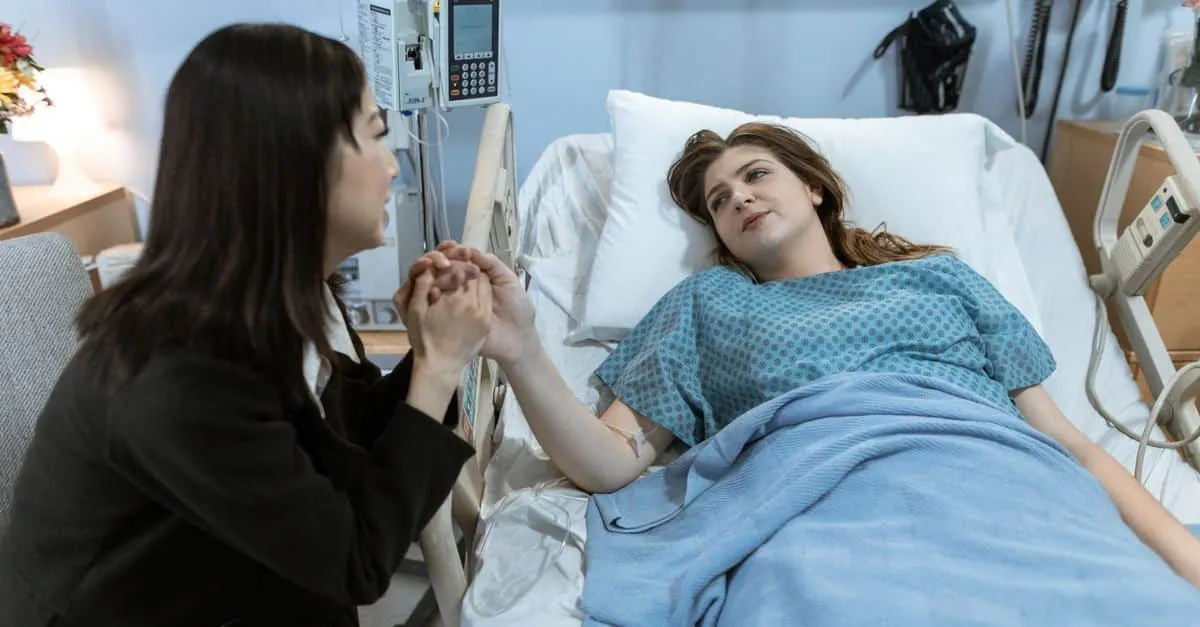
Most medical detox facilities, including Briarwood Detox Center, do allow visitation during the detox process, though timing and access depend on the patient's medical stability and the specific program. Facilities do not universally require isolation, but the first 24 to 72 hours of medical detox often involve restricted visitation while clinicians stabilize withdrawal symptoms, monitor vital signs, and adjust medication protocols. Once the acute withdrawal phase passes and your husband is medically stable, visitation typically opens on a structured schedule that balances emotional support with the need for rest and clinical care.
If you or someone you love needs more than detox, Briarwood Detox Center also provides drug rehab austin.
Briarwood Detox Center’s family support program program provides medically supervised, evidence-based care.
Why Early Medical Detox May Limit Visitation
The initial phase of medical detox is physiologically intense. When someone stops using alcohol or drugs after prolonged use, the body enters withdrawal—a cascade of neurological and metabolic adjustments that can produce dangerous symptoms. Blood pressure may spike, heart rate becomes erratic, seizures can occur, and confusion or agitation often develop, especially during alcohol or benzodiazepine withdrawal.
Does your insurance cover detox in Austin?
Find out in about 2 minutes — free, confidential, no obligation.
Verify InsuranceDuring this window, medical teams need uninterrupted access to the patient to administer medication, monitor vitals every few hours, and respond immediately to complications. Stimulation from visitors—even well-meaning family—can elevate heart rate, increase anxiety, and interfere with sedation protocols designed to keep the patient safe. This is not isolation as punishment; it is medical stabilization.
At Briarwood Detox Center's inpatient facility in Austin, Texas, the first day or two of admission typically involve close observation in a quiet, controlled environment. Outpatient detox programs in Austin, San Antonio, Houston, and Colorado Springs follow a different model: patients return home after each clinical visit, so family involvement is continuous but coordinated with the treatment schedule.
When Can I Visit My Husband During Medical Detox?
Visitation eligibility hinges on three clinical benchmarks: vital signs are stable, withdrawal symptoms are controlled by medication, and the patient is alert enough to engage meaningfully. For many patients, this threshold is reached within 48 to 72 hours of admission. For others—particularly those detoxing from high doses of alcohol, benzodiazepines, or opioids—it may take four to five days before visits are medically appropriate.
Once visitation begins, expect structure. Facilities set specific hours, limit the number of visitors at a time, and may restrict visits to common areas rather than patient rooms. These boundaries exist because detox is not a static process. Symptoms wax and wane; a patient who feels clear-headed at noon may be fatigued or confused by evening. Short, scheduled visits prevent overstimulation and allow the patient time to rest between clinical check-ins.
If your husband is in outpatient detox, visitation is less formal but still guided by the treatment plan. Family members often attend intake appointments, and clinicians may schedule periodic family sessions to educate loved ones about withdrawal timelines, medication side effects, and warning signs that require emergency care.
What Happens During a Medical Detox Visit?
Your role during a visit is primarily supportive, not supervisory. Medical detox is exhausting. Your husband may be sleepy from medication, irritable as his brain chemistry rebalances, or emotionally raw as the fog of substance use lifts. Visits should be calm and brief—think 20 to 45 minutes rather than hours.
Avoid discussing stressful topics such as finances, legal issues, or relationship conflicts during early visits. These conversations, though important, can trigger the stress response that detox medications are working to dampen. Instead, focus on presence: bring a favorite snack if allowed, share news from home, or simply sit together. The goal is reassurance, not resolution of external problems.
Many facilities encourage family members to use visitation time to meet with the clinical team. At Briarwood Detox Center, we offer family updates on progress, explain the current medication regimen, and outline next steps in the continuum of care. These conversations help you understand what your husband is experiencing physiologically and prepare for the transition to ongoing treatment after detox.
Where we are
Detox centers across Texas
Three locations, each with its own admissions line and its own clinical team. Pick the one nearest you — or call and we will tell you which has a bed tonight.
-
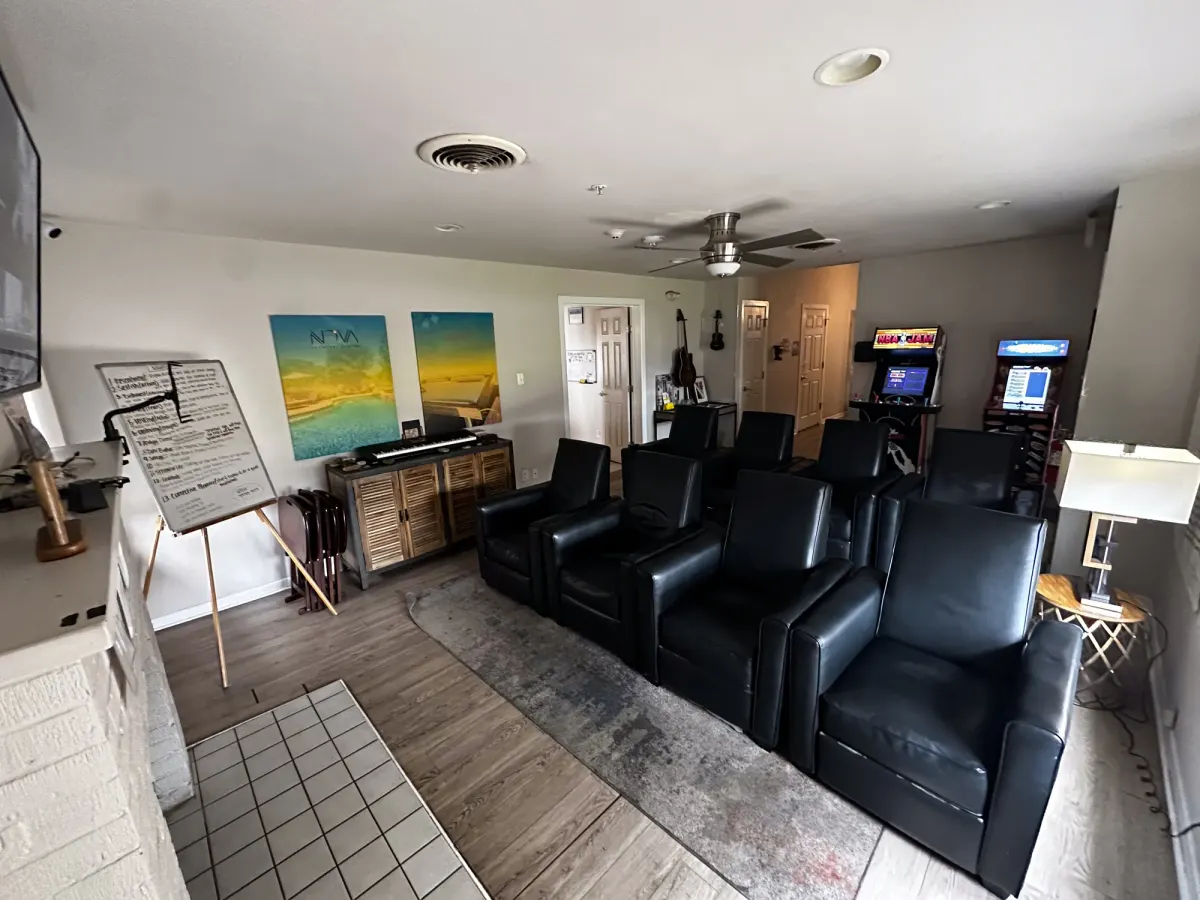 Inpatient
 Austin, TX
11711 N Lamar Blvd · 78753
- 15 beds
- On-site labs
- 24-hour medical staff
Drug & Alcohol Detox in Austin, TX
-
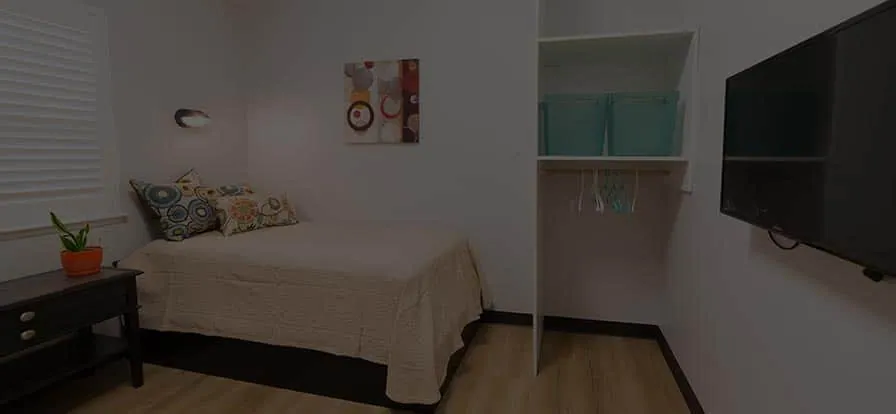 Inpatient
 Houston, TX
1019 Ashland St · 77008
- On-site labs
- 24-hour medical staff
Drug Detox Center in Houston, TX
-
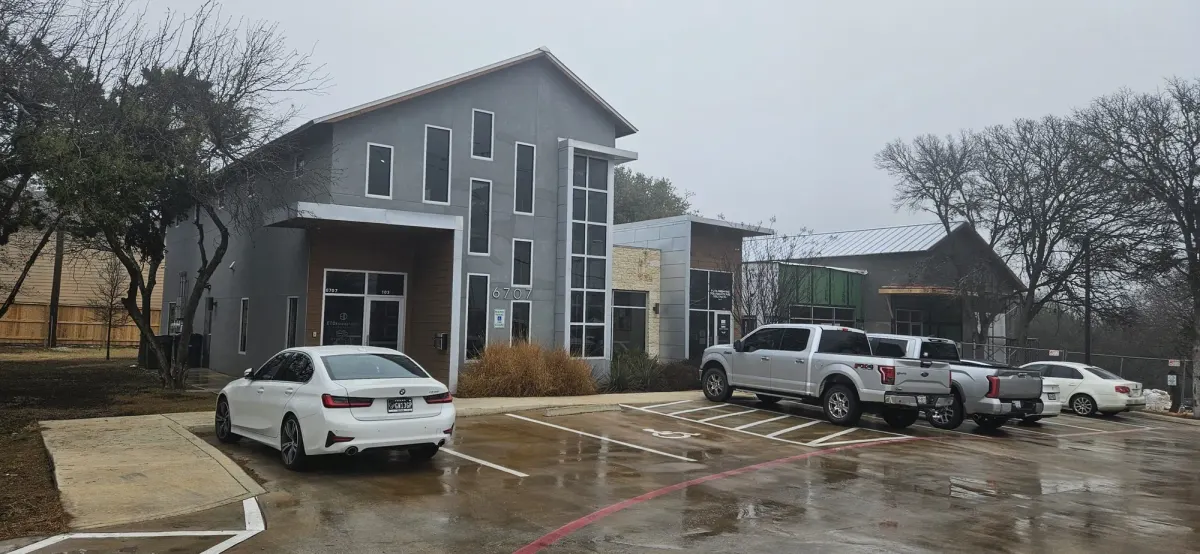 Outpatient
 San Antonio, TX
6707 W Hausman Rd · 78249
- Outpatient detox with scheduled medical visits
- Outpatient treatment
Outpatient Drug & Alcohol Detox in San Antonio
Do All Medical Detox Programs Allow Visitation?
Policy varies by facility and by substance. Some programs maintain stricter isolation protocols, especially those treating severe alcohol withdrawal or polydrug use. Others integrate family from day one, particularly programs rooted in family systems therapy models. The key variable is not philosophy but safety: if a patient's condition is unstable, visitation will wait.
Inpatient medical detox at Briarwood Detox Center in Austin balances these factors by assessing visitation readiness individually. A patient detoxing from a moderate opioid habit may be ready for visitors within 24 hours, while someone withdrawing from chronic alcohol use complicated by liver disease may need three to four days of uninterrupted medical management before visits are safe.
Outpatient detox inherently involves more family contact, since the patient lives at home. However, the clinical team will provide clear guidelines: when to bring your husband to appointments, which symptoms require immediate emergency care, and how to create a low-stress home environment that supports withdrawal management.
Can Husbands and Wives Detox Together at the Same Facility?
Some couples seek simultaneous detox when both partners have substance use disorders. Medically, this is possible, but logistically and clinically complex. Each person's withdrawal timeline, medication needs, and symptom severity differ. Detoxing from alcohol is not the same as detoxing from opioids; one may require benzodiazepines and anticonvulsants, while the other receives buprenorphine or methadone.
Facilities that accept both partners typically house them separately during the acute phase to prevent co-dependence from interfering with medical care. Once stable, limited joint sessions or visits may be arranged, but the focus remains on individual physiological stabilization. Emotional support between spouses is valuable, but it cannot replace the work each person must do with their own clinical team.
If you and your husband are both seeking detox, contact Briarwood Detox Center to discuss options. Our inpatient program in Austin and outpatient services in Austin, San Antonio, Houston, and Colorado Springs can coordinate care for couples, though treatment plans will be individualized based on each person's substance use history and medical status.
Ready to talk to someone now? Briarwood Detox Center's admissions team is here 24/7, and every call is confidential. Call (866) 710-7710.What Should I Avoid Bringing or Discussing During Visits?
Medical detox facilities prohibit certain items to maintain safety and prevent contraband. Do not bring alcohol, drugs, or any substance not prescribed by the detox medical team. Many programs also restrict mouthwash, hand sanitizer, or cough syrup containing alcohol. Outside medications—even over-the-counter supplements—must be reviewed by the clinical staff before the patient can take them, as interactions with detox medications can be dangerous.
Avoid bringing valuables, electronics that can access the internet, or large amounts of cash. Detox units keep environments simple and distraction-free to aid neurological healing. Some facilities allow cell phones during designated hours; others collect them at admission. Check the specific visitation policy before your first visit.
Conversations should steer clear of guilt, blame, or rehashing past incidents related to substance use. Your husband's brain is in a fragile state during withdrawal. The prefrontal cortex—responsible for judgment, impulse control, and emotional regulation—is offline as neurotransmitter systems recalibrate. Difficult conversations are better saved for after detox, when cognitive function returns and he has entered a structured treatment program.
How Long Does Medical Detox Last and When Can He Come Home?
Medical detox duration depends on the substance, duration of use, and individual physiology. Alcohol detox typically lasts five to seven days, though some patients require up to ten days if withdrawal is complicated by seizures or delirium tremens. Opioid detox ranges from five to seven days for short-acting opioids like heroin, and up to two weeks for long-acting opioids like methadone. Benzodiazepine detox is the longest, often requiring a slow taper over weeks or months to prevent life-threatening seizures.
Discharge from inpatient medical detox at Briarwood Detox Center in Austin occurs when withdrawal symptoms are resolved, vital signs are stable without medication, and a transition plan is in place. That plan may include outpatient detox continuation, enrollment in a residential treatment program, or connection to outpatient therapy and medication-assisted treatment. Detox is not the end of treatment; it is the medical foundation that makes further recovery work possible.
For patients in outpatient detox, the timeline is similar, but they remain at home throughout. Daily or every-other-day visits to our Austin, San Antonio, Houston, or Colorado Springs locations allow clinicians to adjust medications, monitor symptoms, and provide counseling, while family members support the process at home.
What Comes After Detox and How Can I Support Continued Recovery?
Detox clears the body of substances and manages withdrawal, but it does not address the psychological, behavioral, and social factors that sustain addiction. After medical detox, your husband will need ongoing treatment—whether that is intensive outpatient therapy, a residential program, or participation in mutual support groups alongside medication-assisted treatment.
Your role shifts as he moves through the continuum of care. During detox, you provide emotional reassurance and defer to medical expertise. After detox, you become a partner in relapse prevention: learning his triggers, supporting new routines, and recognizing early warning signs of returning use. Family therapy is often recommended to repair trust, establish healthy boundaries, and address codependent patterns that may have developed.
Briarwood Detox Center's clinical teams work with families to plan these next steps before discharge. We verify insurance coverage for continuing care, coordinate referrals to treatment providers in your area, and equip you with crisis resources in case withdrawal symptoms unexpectedly return or relapse occurs.
If your husband is beginning medical detox or you have questions about visitation policies and what to expect, Briarwood Detox Center can provide guidance tailored to his specific situation. Our teams in Austin, San Antonio, Houston, and Colorado Springs are available to verify insurance benefits, explain our visitation protocols, and answer your questions about supporting someone through withdrawal.
Ready to take the next step?
Briarwood Detox Center provides medically supervised drug & alcohol detox. Call (866) 710-7710 to speak with our team today.
Frequently Asked Questions
Can family visit during detox?+–
Yes, most medical detox facilities allow family visitation once the patient is medically stable, typically after the first 24 to 72 hours. Early withdrawal requires close monitoring and restricted stimulation to manage dangerous symptoms like seizures or blood pressure spikes. Once vital signs stabilize and medications control symptoms, scheduled visits are encouraged to provide emotional support while respecting the patient's need for rest and medical care.
What to do while detoxing?+–
During medical detox, patients rest, receive prescribed medications to manage withdrawal symptoms, attend brief counseling sessions, and allow their bodies to stabilize. Clinical teams monitor vital signs around the clock. Patients should avoid stress, follow medication schedules, stay hydrated, eat when able, and communicate openly with medical staff about symptoms. The focus is on physical stabilization, not intensive therapy, which comes after detox.
How long is a medical detox from alcohol?+–
Alcohol medical detox typically lasts five to seven days, though some cases require up to ten days if complications like seizures or delirium tremens develop. The acute withdrawal phase peaks within 24 to 72 hours after the last drink. Medications like benzodiazepines control symptoms during this window. Length varies based on drinking history, overall health, and whether other substances were used concurrently.
What can you not do while detoxing?+–
During detox, avoid all alcohol and non-prescribed drugs, strenuous exercise, driving, making major decisions, or engaging in stressful conversations. Do not take outside medications or supplements without medical approval, as they can interact dangerously with detox protocols. Avoid overstimulation—limit visitors, screen time, and loud environments. Focus on rest, hydration, and following the medical team's instructions to allow your body to stabilize safely.
Can husbands and wives go to the same detox?+–
Some facilities accept couples for simultaneous detox, but each partner receives an individualized treatment plan based on their substance use and medical needs. Couples are typically housed separately during acute withdrawal to prevent co-dependence from interfering with medical care. Once stable, limited joint visits or sessions may be arranged. Contact the facility in advance to discuss logistical and clinical considerations for treating both partners.
What not to do during a detox?+–
Do not bring alcohol, drugs, or contraband into the facility. Avoid discussing stressful topics like finances or legal issues during early visits, as stress can worsen withdrawal symptoms. Do not pressure the patient to make promises about the future or engage in emotionally charged conversations. Refrain from criticizing past behavior while their brain chemistry is rebalancing. Focus on calm presence and defer medical questions to the clinical team.
What helps detox faster?+–
Detox cannot be safely rushed; withdrawal follows a physiological timeline determined by the substance and individual metabolism. However, medical supervision, appropriate medications, hydration, nutrition, and rest optimize the body's natural detoxification process. Medication-assisted detox reduces symptom severity and prevents dangerous complications, allowing the brain and body to stabilize more comfortably. Attempting to accelerate detox without medical guidance increases the risk of seizures, cardiac events, and relapse.
Can I bring personal items to my husband during detox?+–
Most facilities allow comfort items like clean clothes, toiletries without alcohol, books, or photos, but policies vary. Electronics, valuables, and outside food often require approval. Items must be inspected by staff to ensure they do not contain contraband or substances that could interfere with treatment. Check the facility's visitation policy before your first visit to understand what is permitted and what should be left at home. Ready to Start Your Recovery in Austin? Briarwood Detox Center offers medically supervised detox in Austin. Explore our locations, see the facility, and verify your insurance in minutes. See our locations
Related guides

About the people behind this guide
Anna-Grace Washington
Medical Content Writer
Anna-Grace Washington is a Medical Content Writer for Briarwood Detox Center. She holds a master’s degree in clinical psychology from the University of Texas and brings a strong understanding of behavioral health, addiction recovery, and evidence-based treatment concepts to her writing.
Dr. Robert Ulrich, DO
Medical Director
Dr. Robert Ulrich serves as Medical Director at Briarwood Detox Center, bringing more than two decades of clinical neurology experience to the treatment of substance use disorders. He is board-certified in neurology by the American Board of Psychiatry and Neurology and completed his neurology residency at UT Southwestern Medical Center in Dallas, where he served as Chief Resident.
In network with most major insurance
Find your plan and see what detox would cost
Most plans cover medical detox. Coverage varies by plan, so we verify it for you before you commit to anything.


















Don't see your plan? We work with out-of-network benefits and offer self-pay options — (866) 710-7710
- Confidential
- Takes about 2 minutes
- No obligation to admit
- Accredited The Joint Commission
- Rated 4.7 · 183 Google reviews Flourishing Foundations Recovery, now part of Briarwood
- Admissions 24 hours a day