
Guide
My Son Refuses to Go to Treatment. What Are My Options?
Joint Commission accredited · In network with most major insurance · Admissions answered 24 hours a day


Published July 13, 2026
Reviewed and updated July 29, 2026
When your son refuses to go to treatment, you have several options depending on his age and circumstances. For minors under 18, you retain legal authority to mandate treatment, though voluntary participation yields better outcomes. For adult children, your options center on communication strategies, intervention approaches, insurance verification, and—in extreme cases—legal tools like emergency detention or court-ordered treatment when immediate danger exists. The path forward requires understanding both what you can legally compel and what motivational approaches actually work.
If you or someone you love needs more than detox, Briarwood Detox Center also provides drug treatment centers austin.
Briarwood Detox Center’s family support program provides medically supervised, evidence-based care.
Understanding Why Your Son Refuses to Go to Treatment
Resistance to addiction treatment stems from predictable physiological and psychological factors. The brain changes that accompany substance dependence create powerful denial mechanisms. Your son may genuinely believe he doesn't have a problem, or he may fear withdrawal symptoms more than he fears the consequences of continued use.
Does your insurance cover detox in Austin?
Find out in about 2 minutes — free, confidential, no obligation.
Verify InsuranceCommon barriers include shame about needing help, fear of losing autonomy, worry about missing work or school, and misconceptions about what detox involves. Some individuals resist because previous treatment attempts failed, creating pessimism about recovery. Others simply aren't ready to face life without substances as a coping mechanism.
Recognition of these barriers helps you frame conversations more effectively. When my son refuses to go to treatment, understanding his specific fears allows you to address them directly rather than escalating conflict.
Legal Options When Your Son Is a Minor
Parents of children under 18 have clear legal authority to mandate addiction treatment. You can admit your minor son to medically supervised detox without his consent in Texas and Colorado, where Briarwood Detox Center operates.
However, legal authority doesn't guarantee cooperation. Adolescents forced into treatment against their will often resist therapeutic engagement, which limits outcomes. The most effective approach combines your parental authority with motivational conversations that help your son understand why treatment matters.
Before exercising this option, verify your insurance benefits and understand what level of care is appropriate. Inpatient medical detox addresses acute withdrawal and stabilization, creating a foundation for longer-term recovery work. Many families find that once withdrawal symptoms resolve in a supervised setting, their son becomes more receptive to continued care.
Options When Your Adult Son Refuses Treatment
Adult children present different challenges because you no longer have legal authority to mandate treatment. Your options focus on communication, boundary-setting, and—when safety is at immediate risk—legal intervention tools.
The CRAFT Approach: Community Reinforcement and Family Training teaches family members to reinforce sobriety and create natural consequences for substance use without enabling. This evidence-based method increases treatment engagement rates significantly compared to confrontational approaches.
Professional Intervention: A structured intervention led by a trained specialist brings family members together to express concern and present a treatment plan. When my son refuses to go to treatment despite family efforts, professional interventionists know how to navigate resistance and present options persuasively.
Insurance Verification: Sometimes resistance stems from financial fears. Contact Briarwood Detox Center to verify insurance benefits and discuss payment options. Knowing that detox is covered often removes a major barrier, and outpatient detox programs in Austin, San Antonio, Houston, or Colorado Springs allow your son to maintain some daily routines while receiving medical supervision.
Emergency Detention and Court-Ordered Treatment
When your son poses an immediate danger to himself or others due to substance use, Texas law provides emergency detention authority. A peace officer or mental health professional can place someone in emergency custody for evaluation if they meet specific criteria: the person appears to be mentally ill or chemically dependent and presents a substantial risk of serious harm.
This process, sometimes called a mental health warrant, allows for involuntary evaluation and potential short-term treatment. It's reserved for crisis situations—active suicidal ideation, violent behavior, or medical emergencies related to intoxication or withdrawal.
Court-ordered treatment through the civil commitment process represents another legal tool, though it requires meeting a high legal standard and involves formal court proceedings. These options should be considered last resorts when safety is genuinely at risk and voluntary treatment has been exhausted.
Where we are
Detox centers across Texas
Three locations, each with its own admissions line and its own clinical team. Pick the one nearest you — or call and we will tell you which has a bed tonight.
-
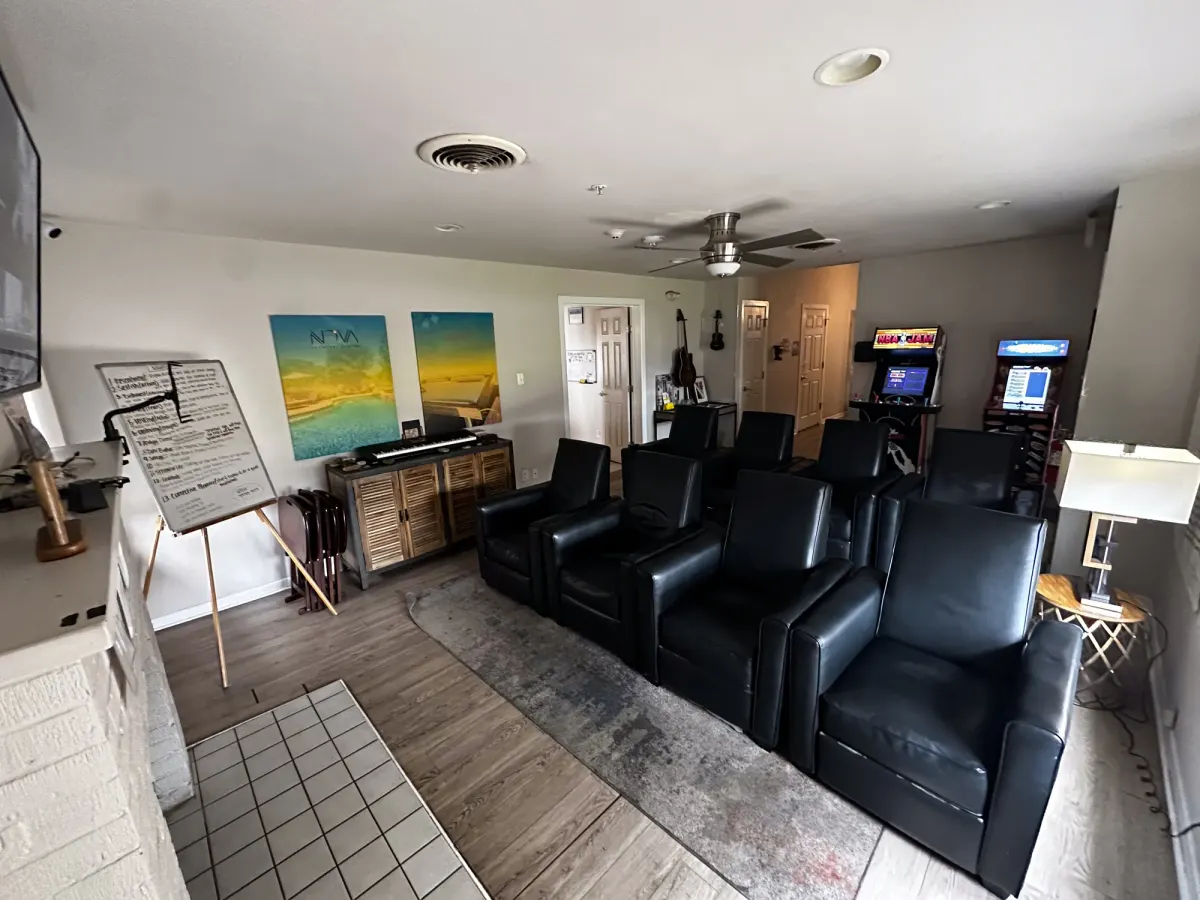 Inpatient
 Austin, TX
11711 N Lamar Blvd · 78753
- 15 beds
- On-site labs
- 24-hour medical staff
Drug & Alcohol Detox in Austin, TX
-
 Inpatient
 Houston, TX
1019 Ashland St · 77008
- On-site labs
- 24-hour medical staff
Drug Detox Center in Houston, TX
-
 Outpatient
 San Antonio, TX
6707 W Hausman Rd · 78249
- Outpatient detox with scheduled medical visits
- Outpatient treatment
Outpatient Drug & Alcohol Detox in San Antonio
Communication Strategies That Work
How you talk about treatment matters enormously. Avoid accusatory language, ultimatums delivered in anger, or comparisons to others. Instead, express specific observations about changes you've noticed and concern about his wellbeing.
Use "I" statements: "I'm worried about the weight you've lost" rather than "You look terrible." Ask open-ended questions that invite him to share his perspective: "How do you feel about what's been happening?" Listen without immediately countering every statement with correction.
Timing matters too. Don't attempt serious conversations when your son is intoxicated or in withdrawal. Wait for moments of relative clarity, but don't wait for perfect readiness—that rarely comes. When my son refuses to go to treatment, multiple calm conversations over time often prove more effective than one dramatic confrontation.
Setting Boundaries Without Enabling
Refusing to enable doesn't mean cutting off all support—it means not protecting your son from the natural consequences of his choices. Stop providing money that funds substance use. Don't call his employer with excuses. Don't bail him out of legal problems that might actually motivate change.
Ready to talk to someone now? Briarwood Detox Center's admissions team is here 24/7, and every call is confidential. Call (866) 710-7710.Simultaneously, keep doors open for treatment. Make it clear that while you won't support active addiction, you'll immediately help him access detox and recovery resources. Have insurance information ready. Know the admission process for inpatient detox in Austin or outpatient programs in other cities where Briarwood operates.
Boundaries protect your own mental health too. You cannot force recovery, and accepting that limitation reduces the emotional burden many parents carry. Your role is to remove obstacles to treatment and create circumstances where seeking help becomes the most attractive option.
What Medical Detox Actually Involves
Fear of the unknown fuels treatment resistance. Explaining what medically supervised detox entails may reduce anxiety. At Briarwood Detox Center, physicians assess withdrawal risk and provide medications that dramatically reduce discomfort and medical complications.
For alcohol and benzodiazepine withdrawal, which can be life-threatening without medical management, FDA-approved medications prevent seizures and severe symptoms. For opioid withdrawal, comfort medications address pain, nausea, anxiety, and insomnia. The goal is safe, humane withdrawal stabilization—not suffering.
Inpatient medical detox in Austin provides 24/7 nursing care and physician oversight. Outpatient detox programs in Austin, San Antonio, Houston, and Colorado Springs allow patients to sleep at home while receiving daily medical monitoring and medication management. Both models significantly reduce the physical discomfort your son likely fears.
When to Focus on Harm Reduction Instead
If your son absolutely refuses treatment and doesn't meet criteria for involuntary intervention, harm reduction strategies can keep him safer while you continue encouraging formal care. This doesn't mean accepting active addiction—it means reducing immediate risks.
Ensure he knows overdose signs and has access to naloxone if opioids are involved. Encourage honesty about what substances he's using so medical emergencies can be treated appropriately. Maintain contact and relationship so he'll reach out when he's ready for help.
Many individuals cycle through stages of readiness. Today's refusal doesn't predict tomorrow's decision. Your consistent message—"I love you, I won't support active addiction, and I'll help you get treatment the moment you're willing"—plants seeds that often germinate during moments of clarity or crisis.
Finding the Right Time to Act
Parents often ask whether to wait until their son is "ready" or push harder now. The reality is that few people feel fully ready for treatment. Waiting for perfect motivation means waiting while health deteriorates, legal consequences accumulate, and overdose risk increases.
The right time to act is when you have leverage—after an arrest, a health scare, or when your son expresses even ambivalent interest. Have a plan ready so you can move quickly when windows of opportunity open. Know what your insurance covers, which Briarwood Detox Center location serves your area, and how quickly admission can occur.
When my son refuses to go to treatment despite your best efforts, you haven't failed. Addiction is a chronic medical condition characterized by relapse and resistance to treatment. Your job is to keep doors open, maintain your own wellbeing, and respond immediately when he's willing to accept help.
If you're navigating this difficult situation and need guidance on next steps, Briarwood Detox Center can help you understand your options, verify insurance benefits, and create a plan for when your son is ready to begin detox. Reaching out for professional advice doesn't commit you or your son to anything—it simply ensures you're prepared when the opportunity for treatment arrives.
Ready to take the next step?
Briarwood Detox Center provides medically supervised drug & alcohol detox. Call (866) 710-7710 to speak with our team today.
Frequently Asked Questions
How do you get your son to go to rehab?+–
Getting your son to rehab involves combining clear communication about concerns with practical support for accessing treatment. Express specific observations about how substance use has affected him, listen to his fears about treatment, and address practical barriers like insurance coverage or work concerns. Professional interventionists can help structure these conversations. For minors, parents have legal authority to mandate treatment. For adults, focus on natural consequences, boundary-setting, and being ready to act immediately when he expresses willingness.
Can I force my teen to go to therapy?+–
Yes, parents have legal authority to require minors under 18 to attend therapy or addiction treatment, including medically supervised detox. However, forced participation doesn't guarantee engagement or outcomes. The most effective approach combines parental authority with conversations that help your teen understand why treatment matters. Adolescent treatment programs designed for reluctant participants use motivational techniques that increase genuine engagement even when admission wasn't initially voluntary.
What do you do if someone refuses mental health treatment?+–
When someone refuses mental health or addiction treatment, focus on communication strategies like CRAFT that reduce enabling while maintaining relationship. Set clear boundaries that don't protect them from natural consequences. For immediate safety crises involving danger to self or others, emergency detention allows involuntary evaluation. Otherwise, professional interventions, insurance verification to remove financial barriers, and consistent messaging that you'll support treatment whenever they're ready often work better than confrontation.
How to help a child that refuses help?+–
Help a child who refuses addiction treatment by first understanding their specific resistance—fear of withdrawal, shame, misconceptions about what treatment involves, or lack of readiness. Address these directly through calm conversations at appropriate times, not during intoxication. For minors, you can mandate treatment while using motivational approaches to increase cooperation. For adults, set boundaries, stop enabling, and create circumstances where treatment becomes the most attractive option while keeping communication open.
What is the 3 3 3 rule for addiction?+–
The 3-3-3 rule isn't a standard clinical term in addiction treatment. You may be thinking of various three-stage models of recovery or three-part intervention approaches. Evidence-based addiction treatment focuses on medically supervised detox to manage withdrawal safely, followed by therapeutic interventions addressing underlying causes, and then continuing care to prevent relapse. If you've heard this term in a specific context, consult with addiction professionals about what framework would best help your situation.
Can I commit my adult son to rehab?+–
You cannot commit an adult son to rehab against his will except through legal processes reserved for immediate safety crises. In Texas, emergency detention is available when someone presents substantial risk of serious harm due to mental illness or chemical dependency. Court-ordered treatment through civil commitment requires meeting high legal standards and formal proceedings. These are last resorts. Most families find that communication strategies, professional interventions, boundary-setting, and being prepared when he's willing prove more effective.
What do you do if your child refuses to go to therapy?+–
If your child refuses therapy or addiction treatment, first explore why—fear, shame, misinformation, or genuine lack of readiness all require different responses. For minors, you maintain legal authority to mandate treatment while using age-appropriate explanations about why it matters. For adult children, you cannot force participation but can stop enabling, set clear boundaries, coordinate professional interventions, and ensure financial barriers aren't the real obstacle by verifying insurance coverage and discussing payment options with treatment providers.
What is the 2 year rule for therapy?+–
The 2-year rule isn't a standard guideline in addiction treatment or therapy. Substance use disorder treatment length depends on individual needs, substance involved, and severity of dependence—not arbitrary timelines. Medical detox typically lasts 5-10 days, addressing acute withdrawal and stabilization. Ongoing therapy and support continue as long as beneficial. Evidence shows longer treatment engagement correlates with better outcomes, but duration should be individualized based on progress and clinical assessment rather than predetermined rules. Ready to Start Your Recovery in Austin? Briarwood Detox Center offers medically supervised detox in Austin. Explore our locations, see the facility, and verify your insurance in minutes. See our locations
Related guides



About the people behind this guide
Anna-Grace Washington
Medical Content Writer
Anna-Grace Washington is a Medical Content Writer for Briarwood Detox Center. She holds a master’s degree in clinical psychology from the University of Texas and brings a strong understanding of behavioral health, addiction recovery, and evidence-based treatment concepts to her writing.
Dr. Robert Ulrich, DO
Medical Director
Dr. Robert Ulrich serves as Medical Director at Briarwood Detox Center, bringing more than two decades of clinical neurology experience to the treatment of substance use disorders. He is board-certified in neurology by the American Board of Psychiatry and Neurology and completed his neurology residency at UT Southwestern Medical Center in Dallas, where he served as Chief Resident.
In network with most major insurance
Find your plan and see what detox would cost
Most plans cover medical detox. Coverage varies by plan, so we verify it for you before you commit to anything.


















Don't see your plan? We work with out-of-network benefits and offer self-pay options — (866) 710-7710
- Confidential
- Takes about 2 minutes
- No obligation to admit
- Accredited The Joint Commission
- Rated 4.7 · 183 Google reviews Flourishing Foundations Recovery, now part of Briarwood
- Admissions 24 hours a day