
Guide
Are There Women-Only Detox Programs in Houston?
Joint Commission accredited · In network with most major insurance · Admissions answered 24 hours a day


Published July 13, 2026
Reviewed and updated July 29, 2026
Yes, women-only detox programs exist in Houston, though availability varies by facility and treatment model. At Briarwood Detox Center, our Houston outpatient detox services can accommodate women seeking medically supervised withdrawal management in a supportive environment. While our program is not exclusively women-only at all times, we understand the unique clinical and emotional needs women face during detoxification and structure our care to address trauma-informed, gender-sensitive treatment planning.
If you or someone you love needs more than detox, Briarwood Detox Center also provides addiction treatment houston.
The question of gender-specific detox reflects a larger conversation in addiction medicine: does separating patients by gender improve outcomes? Research suggests that for many women, yes—especially those with co-occurring trauma, pregnancy considerations, or concerns about privacy during the vulnerable early stages of withdrawal.
Does your insurance cover detox in Houston?
Find out in about 2 minutes — free, confidential, no obligation.
Verify InsuranceWhy Women Seek Gender-Specific Detox Programs in Houston
Women metabolize alcohol and drugs differently than men. Hormonal fluctuations, body composition, and enzyme activity all influence how quickly substances leave the system and how intensely withdrawal symptoms present. A woman entering detox may experience more severe alcohol withdrawal symptoms at lower consumption levels than her male counterpart, and benzodiazepine dependence often manifests with longer, more complex tapers.
Beyond physiology, many women arrive at detox carrying trauma histories that profoundly shape their treatment needs. Studies estimate that 55-99% of women in substance use treatment have experienced physical or sexual trauma. In mixed-gender settings, some women report feeling guarded, distracted, or re-traumatized. Gender-specific environments can reduce these stressors, allowing women to focus entirely on the medical and psychological work of early recovery.
Pregnancy and parenting concerns also drive demand for women-only detox programs in Houston. Pregnant women require specialized protocols—certain withdrawal medications are contraindicated, and fetal monitoring may be necessary. Mothers worry about custody, childcare, and the stigma of seeking help. A women-centered program addresses these realities with social work support, care coordination, and clinical sensitivity.
What Gender-Specific Detox Offers That Mixed Programs May Not
Gender-specific detox programs typically emphasize trauma-informed care as a foundational principle. Staff are trained to recognize triggers, avoid re-traumatization, and create a psychologically safe space during the acute vulnerability of withdrawal. This doesn't mean mixed-gender programs ignore trauma—it means the environmental design itself reduces potential stressors.
Group dynamics shift in women-only settings. Without the social pressures or romantic distractions that can emerge in co-ed environments, women often report feeling freer to share openly, cry without judgment, and build peer support networks rooted in shared experience. Detox is brief—typically three to seven days for most substances—but those early connections can influence whether a woman transitions into ongoing treatment.
Clinical protocols in women-focused detox may also account for menstrual cycle impacts on withdrawal severity, prescribe medications with attention to hormonal interactions, and screen more systematically for eating disorders, postpartum depression, and intimate partner violence. These aren't luxuries; they're evidence-based adjustments that improve safety and comfort.
How Briarwood Detox Center Serves Women in Houston
Our Houston outpatient detox model allows women to receive medical withdrawal management while maintaining some daily structure—work, family, and home life don't vanish entirely. This flexibility matters especially for women balancing caregiving roles or concerned about taking extended time away.
Outpatient detox isn't appropriate for every case. We conduct thorough assessments using standardized tools like the ASAM criteria to determine medical suitability. Women with severe alcohol dependence, polysubstance use, unstable housing, or co-occurring psychiatric crises may require our inpatient detox program in Austin, where 24-hour nursing and physician oversight ensure safety during complicated withdrawals.
For those who qualify for outpatient care in Houston, our clinical team provides:
- Daily or every-other-day medical visits during the acute withdrawal window
- Medication-assisted withdrawal management tailored to the substance and individual physiology
- Vital sign monitoring and symptom assessment using validated scales
- Care coordination with therapists, psychiatrists, and community resources
- Discharge planning that bridges detox to the next level of care
We recognize that women often delay seeking help due to shame, fear of judgment, or logistical barriers. Our intake process emphasizes confidentiality, insurance verification, and rapid access—we aim to eliminate the bureaucratic friction that can derail a woman's decision to pursue treatment.
Where we are
Detox centers across Texas
Three locations, each with its own admissions line and its own clinical team. Pick the one nearest you — or call and we will tell you which has a bed tonight.
-
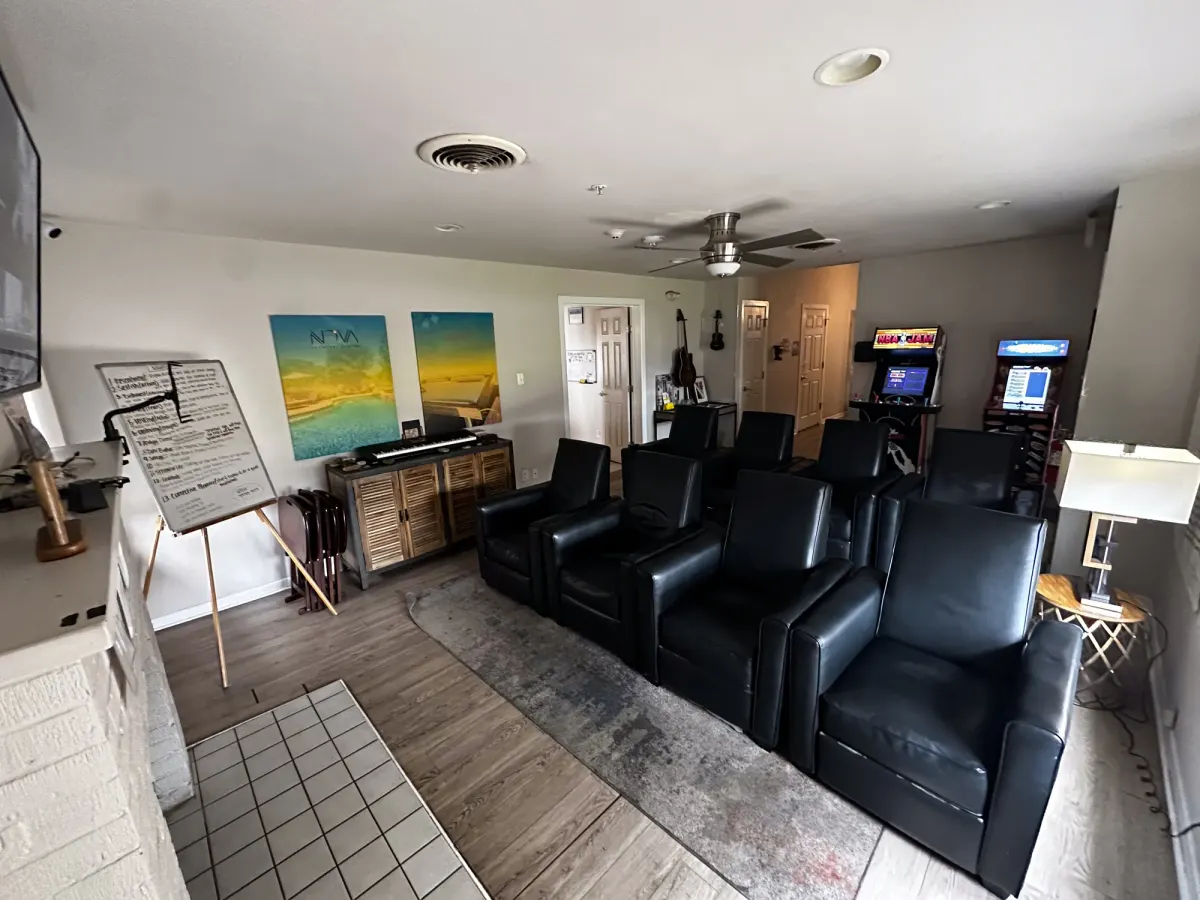 Inpatient
 Austin, TX
11711 N Lamar Blvd · 78753
- 15 beds
- On-site labs
- 24-hour medical staff
Drug & Alcohol Detox in Austin, TX
-
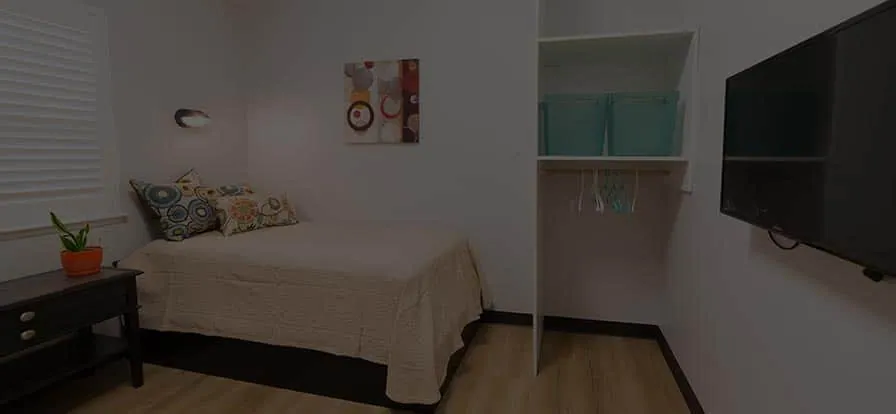 Inpatient
 Houston, TX
1019 Ashland St · 77008
- On-site labs
- 24-hour medical staff
Drug Detox Center in Houston, TX
-
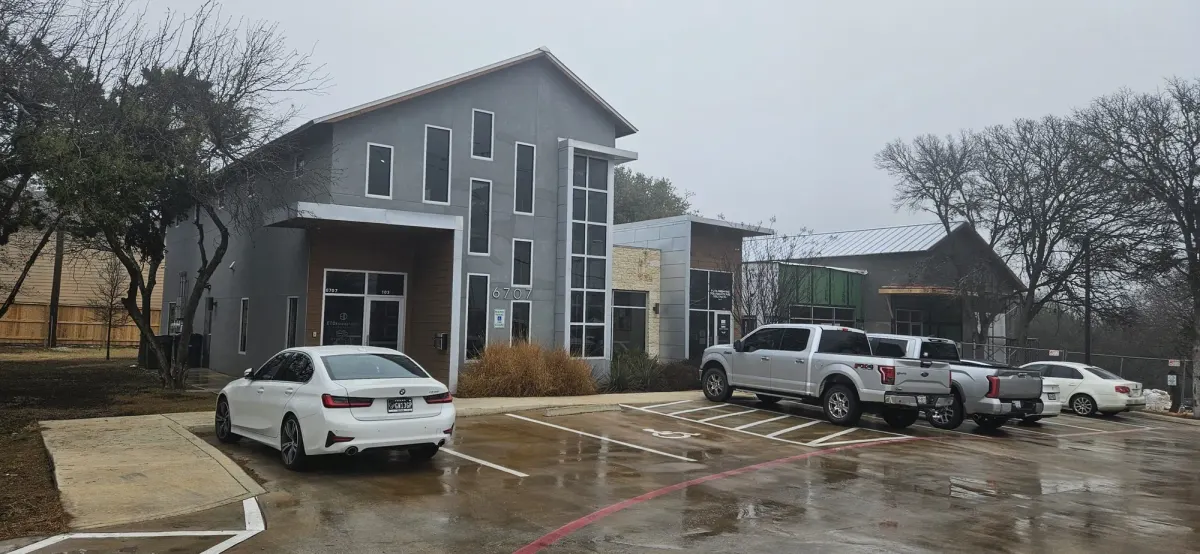 Outpatient
 San Antonio, TX
6707 W Hausman Rd · 78249
- Outpatient detox with scheduled medical visits
- Outpatient treatment
Outpatient Drug & Alcohol Detox in San Antonio
Understanding Insurance and Payment for Women-Only Detox Programs in Houston
Cost is a legitimate concern. Briarwood Detox Center is a private, for-profit treatment provider, and our services are not free or donation-based. However, we accept most major insurance plans and can verify benefits quickly to clarify your out-of-pocket responsibility before you commit.
Many women assume detox will be prohibitively expensive and postpone care. In reality, the Mental Health Parity and Addiction Equity Act requires insurers to cover behavioral health services—including detox—at parity with medical and surgical benefits. If your plan covers hospitalization, it likely covers medically supervised detoxification.
Ready to talk to someone now? Briarwood Detox Center's admissions team is here 24/7, and every call is confidential. Call (512) 960-4061.We also offer payment plans for those with high deductibles or limited coverage. Our admissions team works with you to structure a realistic payment arrangement, because financial barriers should not dictate whether you receive medically necessary withdrawal management.
Are There Women-Only Detox Programs in Houston: What to Look For
If you're searching specifically for a women-only detox program in Houston, ask facilities these questions during your inquiry:
- Is the program exclusively for women at all times, or does it offer women-only groups within a co-ed facility?
- What clinical staff are on-site—physicians, nurse practitioners, RNs, or behavioral health techs?
- How does the program address trauma, especially for survivors of sexual or domestic violence?
- Are pregnant or postpartum women accepted, and what specialized protocols exist?
- What happens after detox—does the program assist with transitions to residential, intensive outpatient, or sober support?
- Is the facility licensed by the Texas Health and Human Services Commission, and is it accredited by a recognized body like The Joint Commission?
Accreditation and licensure aren't just paperwork. They signal adherence to safety standards, staff credentialing, medication protocols, and patient rights protections. In a state as large as Texas, not every detox provider meets the same benchmarks.
The Role of Medical Supervision in Women's Detox
Detoxification is not simply "drying out" or waiting for substances to leave your system. Withdrawal from alcohol, benzodiazepines, and certain other drugs can be medically dangerous—even fatal—without proper intervention. Women face specific risks: hormone fluctuations can intensify symptoms, co-occurring anxiety or mood disorders may destabilize during withdrawal, and undiagnosed medical conditions like anemia or thyroid dysfunction can complicate recovery.
Medically supervised detox means a licensed physician oversees your care plan. Medications may include benzodiazepines for alcohol withdrawal, buprenorphine or methadone for opioid dependence, and symptom-relief drugs for nausea, insomnia, and muscle aches. Vital signs are monitored, hydration and nutrition are managed, and any emerging complications are addressed in real time.
This level of care is not optional for high-risk cases. Women with a history of seizures, delirium tremens, or prior complicated withdrawals should always pursue medically supervised detox—whether inpatient or intensive outpatient—rather than attempting to quit alone.
After Detox: Why Women Need Transition Planning
Detoxification clears substances from your body, but it doesn't address the underlying neurobiology, psychology, or life circumstances that sustain addiction. Most women require ongoing treatment after detox—therapy, psychiatric care, peer support, or residential rehab.
Discharge planning begins on day one at Briarwood. We assess your readiness for the next level of care, connect you with Houston-area providers, verify insurance coverage for continuing treatment, and offer family education when appropriate. Women who complete detox and immediately transition into structured aftercare have significantly better one-year outcomes than those who return to unchanged environments without support.
If you're exploring women-only detox programs in Houston or need medically supervised withdrawal management, Briarwood Detox Center's outpatient services provide a clinically rigorous, compassionate option. Reach out to our team to verify your insurance, discuss your unique needs, and begin the process toward stable recovery.
Ready to take the next step?
Briarwood Detox Center provides medically supervised drug & alcohol detox. Call (512) 960-4061 to speak with our team today.
Frequently Asked Questions
Are there women-only detox programs in Houston?+–
Yes, women-only detox programs exist in Houston, though not every facility offers exclusively gender-specific treatment. Briarwood Detox Center provides outpatient detox services in Houston with gender-sensitive, trauma-informed care tailored to women's clinical and emotional needs during withdrawal, even within a mixed-gender operational model.
Why do women prefer gender-specific detox programs?+–
Many women feel safer and more comfortable addressing trauma, shame, and vulnerability in women-only environments. Gender-specific detox reduces social distractions, accommodates unique physiological and hormonal factors in withdrawal, and often provides more targeted support for issues like pregnancy, parenting concerns, and histories of abuse or intimate partner violence.
Does insurance cover women-only detox in Houston?+–
Most major insurance plans cover medically supervised detoxification under mental health and substance use benefits, as required by federal parity laws. Briarwood Detox Center accepts insurance and can verify your coverage and out-of-pocket costs before admission. We also offer payment plans for those with high deductibles or limited benefits.
Is outpatient detox safe for women in Houston?+–
Outpatient detox is safe for women who meet medical criteria—typically those with mild to moderate withdrawal risk, stable housing, and no severe co-occurring psychiatric or medical conditions. Briarwood uses ASAM criteria to assess suitability. Women with high-risk alcohol or benzodiazepine dependence may require inpatient detox for safety.
What substances can women detox from at Briarwood in Houston?+–
Briarwood Detox Center's Houston outpatient program manages withdrawal from alcohol, opioids, benzodiazepines, stimulants, and other substances. Each detox protocol is individualized based on substance type, usage history, medical history, and co-occurring conditions. Medication-assisted treatment and symptom management are provided under physician supervision throughout the withdrawal process.
Can pregnant women attend detox programs in Houston?+–
Pregnant women can and should seek medically supervised detox, as certain withdrawals—especially from alcohol and opioids—pose risks to both mother and fetus. Protocols differ: some medications are contraindicated, and closer monitoring is required. Briarwood's clinical team assesses each case individually and coordinates care with obstetric providers when necessary.
How long does women's detox take in Houston?+–
Detox duration varies by substance. Alcohol withdrawal typically peaks within 48-72 hours; benzodiazepine tapers may last one to two weeks; opioid withdrawal symptoms generally resolve within five to seven days. Briarwood's outpatient detox in Houston involves daily or frequent visits during acute withdrawal, with length of care determined by clinical progress and safety.
What happens after detox for women in Houston?+–
Detox is the first step, not the end of treatment. After completing withdrawal management, most women benefit from ongoing therapy, intensive outpatient programs, residential rehab, or peer support groups. Briarwood Detox Center provides discharge planning, referrals to Houston-area providers, and care coordination to ensure a safe, supported transition into long-term recovery services. Ready to Start Your Recovery in Houston? Briarwood Detox Center offers medically supervised detox in Houston. Explore our locations, see the facility, and verify your insurance in minutes. See our locations
Related guides
About the people behind this guide
Anna-Grace Washington
Medical Content Writer
Anna-Grace Washington is a Medical Content Writer for Briarwood Detox Center. She holds a master’s degree in clinical psychology from the University of Texas and brings a strong understanding of behavioral health, addiction recovery, and evidence-based treatment concepts to her writing.
Dr. Robert Ulrich, DO
Medical Director
Dr. Robert Ulrich serves as Medical Director at Briarwood Detox Center, bringing more than two decades of clinical neurology experience to the treatment of substance use disorders. He is board-certified in neurology by the American Board of Psychiatry and Neurology and completed his neurology residency at UT Southwestern Medical Center in Dallas, where he served as Chief Resident.
In network with most major insurance
Find your plan and see what detox would cost
Most plans cover medical detox. Coverage varies by plan, so we verify it for you before you commit to anything.

















Don't see your plan? We work with out-of-network benefits and offer self-pay options — (512) 960-4061
- Confidential
- Takes about 2 minutes
- No obligation to admit
- Accredited The Joint Commission
- Rated 5.0 · 8 Google reviews
- Admissions 24 hours a day