
Guide
What's the Typical Cost of a 7-Day Medical Detox Without Insurance in Texas?
Joint Commission accredited · In network with most major insurance · Admissions answered 24 hours a day


Published July 10, 2026
Reviewed and updated July 29, 2026
The typical cost of a 7-day medical detox program without insurance in Texas ranges from $1,500 to $10,000, with most programs averaging between $3,000 and $6,000. Price varies based on the level of medical care required, substance type, medication needs, facility amenities, and whether you choose inpatient or outpatient detox. Higher-acuity detox for alcohol, benzodiazepines, or opioids requiring 24-hour monitoring and intensive medication protocols typically costs more than outpatient care for less severe withdrawal.
If you or someone you love needs more than detox, Briarwood Detox Center also provides alcohol rehab austin.
What Drives the Cost of a 7-Day Medical Detox in Texas?
Medical detox isn't one-size-fits-all. The price reflects the clinical complexity and resource intensity your withdrawal requires. Inpatient detox—where you stay in a facility with round-the-clock nursing, physician oversight, and on-site medication administration—costs significantly more than outpatient detox, where you attend daily or several-times-weekly appointments and manage medications at home.
Does your insurance cover detox in Austin?
Find out in about 2 minutes — free, confidential, no obligation.
Verify InsuranceAlcohol and benzodiazepine withdrawal carry life-threatening seizure risk and demand close vital-sign monitoring, PRN (as-needed) benzodiazepine dosing, and immediate intervention capability. That level of care translates to higher staffing ratios and higher cost. Opioid detox may require buprenorphine or methadone induction, plus management of severe flu-like symptoms; stimulant withdrawal, while rarely medically dangerous, still benefits from psychiatric monitoring for depression and suicidal ideation.
Facility factors also matter. A newer building with private rooms, chef-prepared meals, and spa-like amenities will charge more than a shared-room program focused purely on clinical stabilization. Both can deliver excellent medical outcomes—the difference is comfort and privacy, not safety or efficacy.
Inpatient Versus Outpatient Detox Costs Without Insurance
Inpatient medical detox in Texas without insurance typically runs $500 to $1,200 per day, placing a seven-day stay between $3,500 and $8,400. That rate includes your bed, meals, 24/7 nursing, physician visits, medications, lab work, and often some initial counseling or discharge planning. It's an all-inclusive model.
Outpatient detox—offered by Briarwood Detox Center in Austin, San Antonio, and Houston—costs considerably less because you're not paying for lodging or around-the-clock staffing. A seven-day outpatient detox program without insurance generally ranges from $1,500 to $3,500 total. You attend clinic visits daily or every other day; a physician prescribes and adjusts withdrawal medications; nursing staff check vitals, hydration, and symptom severity; and you return home between appointments. It's safe and effective for many patients who have stable housing, low seizure risk, and a supportive home environment.
Outpatient detox works well for moderate alcohol use disorder (no seizure history), opioid dependence (with buprenorphine or naltrexone induction), and some stimulant withdrawal. It's not appropriate for severe alcohol dependence, benzodiazepine dependence, or patients with unstable medical or psychiatric comorbidities. Clinical assessment determines medical necessity.
What's Included in the Cost of a 7-Day Medical Detox Program?
When you pay for medical detox without insurance in Texas, you're purchasing a bundle of clinical services. Understanding what's included helps you compare programs accurately and avoid surprise charges.
- Medical evaluation: Intake physical exam, substance-use history, psychiatric screening, and lab work (blood count, metabolic panel, toxicology screen) to establish baseline health and withdrawal risk.
- Physician oversight: Daily or as-needed visits from an addiction-medicine physician or medical director who prescribes and adjusts medications.
- Nursing care: Vital-sign monitoring (blood pressure, pulse, temperature), symptom assessment using standardized scales (CIWA-Ar for alcohol, COWS for opioids), hydration support, and medication administration.
- Withdrawal medications: Benzodiazepines for alcohol or benzo detox, buprenorphine or clonidine for opioids, antiemetics for nausea, sleep aids, and comfort meds. In some programs, medication cost is billed separately; in others it's bundled.
- Room and board (inpatient only): Bed, meals, linens, housekeeping.
- Discharge planning: Referrals to outpatient counseling, residential rehab, medication-assisted treatment (MAT) providers, or peer-support groups.
Confirm whether the quoted price is all-inclusive or if medications, labs, and physician fees are itemized separately. Transparency up front prevents billing confusion later.
Why Seven Days Is a Common Detox Length in Texas Programs
A seven-day medical detox program aligns with the acute withdrawal timeline for most substances. Alcohol withdrawal symptoms peak between 24 and 72 hours and usually resolve by day five to seven. Opioid withdrawal peaks around day three and subsides substantially by day seven, though post-acute symptoms can linger. Benzodiazepine withdrawal is more variable—short-acting benzos peak in a few days; long-acting ones may take ten days or more—but the first week covers the most medically risky phase.
Some patients stabilize in five days; others need ten. The seven-day frame is a clinical average that balances medical necessity with practical resource allocation. Programs assess daily and extend care if withdrawal complications arise or symptoms remain severe. Conversely, if you're stable and symptom-free by day five, discharge may happen earlier.
Where we are
Detox centers across Texas
Three locations, each with its own admissions line and its own clinical team. Pick the one nearest you — or call and we will tell you which has a bed tonight.
-
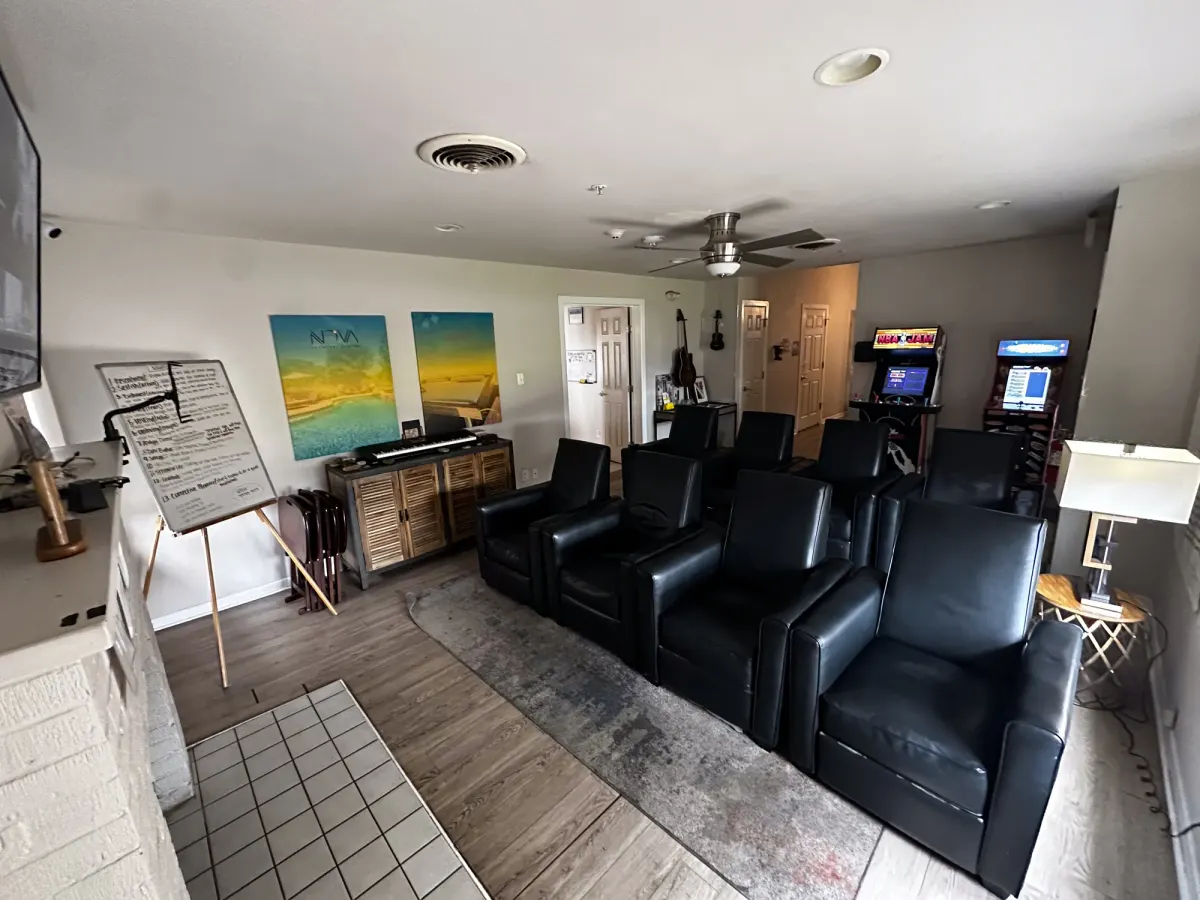 Inpatient
 Austin, TX
11711 N Lamar Blvd · 78753
- 15 beds
- On-site labs
- 24-hour medical staff
Drug & Alcohol Detox in Austin, TX
-
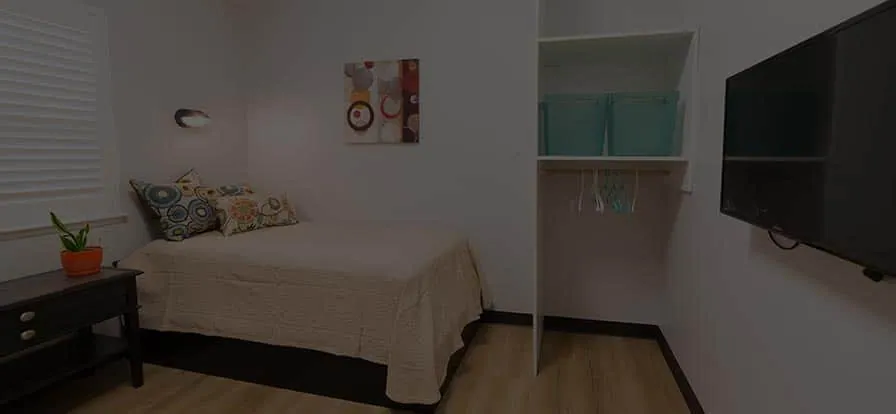 Inpatient
 Houston, TX
1019 Ashland St · 77008
- On-site labs
- 24-hour medical staff
Drug Detox Center in Houston, TX
-
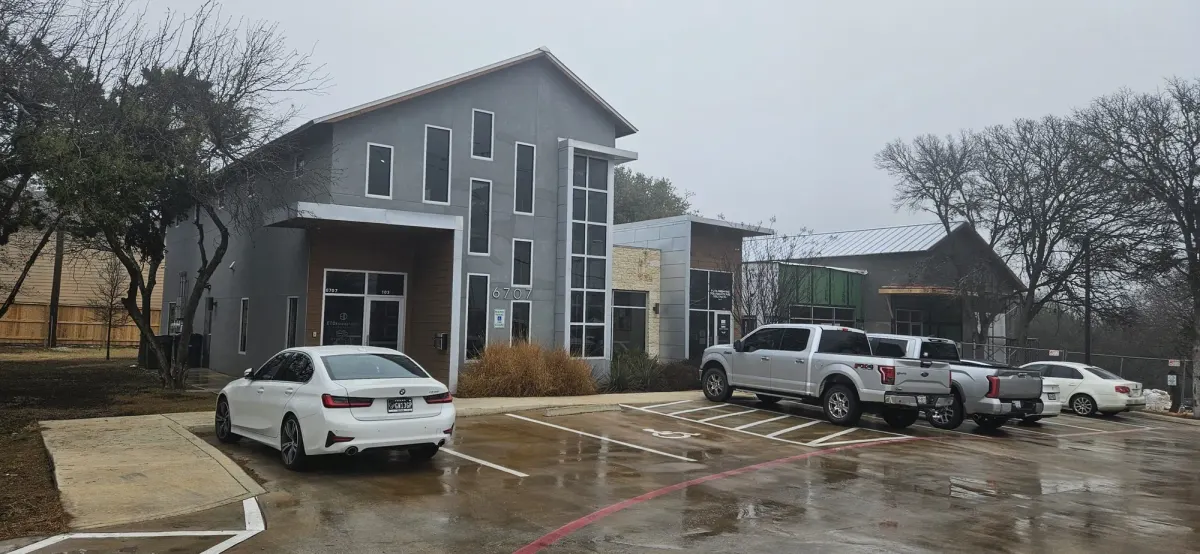 Outpatient
 San Antonio, TX
6707 W Hausman Rd · 78249
- Outpatient detox with scheduled medical visits
- Outpatient treatment
Outpatient Drug & Alcohol Detox in San Antonio
Payment Options When You Don't Have Insurance Coverage
Paying out of pocket for medical detox without insurance in Texas doesn't mean paying the full sticker price in one lump sum. Most detox centers, including Briarwood Detox Center, offer multiple payment pathways to make care accessible.
- Self-pay discounts: Many facilities offer a reduced rate—sometimes 10% to 30% off—if you pay in full at admission. Ask explicitly about cash-pay pricing.
- Payment plans: Spread the cost over several months with zero- or low-interest financing. Some centers partner with medical-financing companies (CareCredit, Prosper Healthcare Lending) that approve credit lines specifically for healthcare expenses.
- Credit cards: Using a card with a 0% introductory APR can effectively create an interest-free payment plan if you pay the balance before the promo period ends.
- Family assistance: Relatives may be willing to help fund detox as a one-time investment in your recovery, especially if they understand the medical risks of unsupervised withdrawal.
Before ruling out insurance, verify your benefits. Even if you thought your plan excluded substance-use treatment, the Mental Health Parity and Addiction Equity Act requires most insurers to cover detox at parity with medical/surgical benefits. A quick benefits check might reveal in-network coverage you didn't know existed.
How Briarwood Detox Center Structures Costs in Texas
Briarwood Detox Center operates inpatient medical detox in Austin and outpatient detox programs in Austin, San Antonio, and Houston. Each model serves different clinical needs and budgets. Inpatient detox provides 24/7 medical supervision for patients at higher risk—those with severe alcohol or benzodiazepine dependence, seizure history, unstable vital signs, or co-occurring medical issues. Outpatient detox offers physician-guided medication management and daily monitoring for patients who are medically stable and have a safe home environment.
Cost for a 7-day medical detox program without insurance at Briarwood varies by level of care and location. Inpatient stays in Austin include room, meals, nursing, medications, and physician oversight in one package. Outpatient programs in Austin, San Antonio, and Houston charge per visit or as a bundled weekly rate, making them a more budget-friendly option when clinically appropriate. Payment plans and financing options are available to help manage out-of-pocket expenses.
Clinical staff conduct a thorough assessment before admission to recommend the safest, most cost-effective level of care for your situation. That assessment considers substance type, duration and quantity of use, prior withdrawal history, medical and psychiatric comorbidities, and home environment stability.
Ready to talk to someone now? Briarwood Detox Center's admissions team is here 24/7, and every call is confidential. Call (866) 710-7710.Comparing Detox Costs Across Other Texas Cities
The typical cost of a 7-day medical detox program without insurance in Texas doesn't vary dramatically by city, but regional differences exist. Urban centers like Houston, Austin, San Antonio, and Dallas tend to have higher overhead (rent, wages, utilities) and may charge more than rural programs. Conversely, cities with more competition among detox providers may offer more competitive pricing and flexible payment options.
In Houston, the state's largest metro, inpatient detox without insurance averages $4,000 to $7,000 for seven days; outpatient programs range from $1,800 to $3,200. Austin's market is similar, with inpatient detox running $3,500 to $8,000 and outpatient detox $1,500 to $3,000. San Antonio's costs often fall slightly lower due to lower cost of living, with inpatient around $3,200 to $6,500 and outpatient $1,400 to $2,800. These are rough averages—individual program pricing varies based on amenities, staffing, and whether they're hospital-affiliated or freestanding.
Always request an itemized cost estimate before admission. Transparency about what you're paying for—and what's excluded—helps you budget and compare options accurately.
Is Outpatient Detox as Safe as Inpatient Without Insurance?
Safety depends on clinical appropriateness, not payment method. Outpatient detox is as safe as inpatient when the patient meets medical criteria for outpatient care. The American Society of Addiction Medicine (ASAM) criteria guide level-of-care decisions based on six dimensions: acute intoxication/withdrawal potential, biomedical conditions, emotional/behavioral/cognitive conditions, readiness to change, relapse potential, and recovery environment.
Patients at high risk for complicated withdrawal—alcohol or benzo dependence with prior seizures, delirium tremens history, unstable vital signs, or serious medical conditions (cirrhosis, heart disease, uncontrolled diabetes)—require inpatient monitoring regardless of insurance status. Patients with moderate opioid dependence, mild to moderate alcohol use disorder (no seizure history), stimulant withdrawal, or cannabis dependence often qualify medically for outpatient detox, where daily or alternate-day visits provide sufficient oversight.
Cost should never dictate level of care. If inpatient is medically necessary and you're concerned about affording it, discuss payment plans, financing, and self-pay discounts before compromising safety. Serious withdrawal complications—seizures, cardiac arrhythmias, severe dehydration, suicidal ideation—can result in emergency-room visits or ICU stays that cost far more than proactive inpatient detox.
What Happens After a 7-Day Detox Program?
Completing medical detox stabilizes your body, but it's only the first step in recovery. Detox addresses acute physiological dependence; it doesn't treat the underlying addiction, psychological drivers, or learned behaviors. Without follow-up care, relapse rates after detox alone are extremely high—some studies suggest 70% to 90% within weeks or months.
A comprehensive discharge plan bridges detox to ongoing treatment. That may include outpatient counseling (individual or group therapy), intensive outpatient programs (IOP), partial hospitalization programs (PHP), medication-assisted treatment with buprenorphine or naltrexone for opioid use disorder, psychiatric care for co-occurring conditions, and engagement with peer-support groups like AA, NA, or SMART Recovery.
Many Texas detox centers, including Briarwood, coordinate warm hand-offs to next-level providers, schedule follow-up appointments before you leave, and connect you with community resources. Taking advantage of that discharge planning significantly improves long-term outcomes and makes the investment in detox—whether $1,500 or $8,000—worthwhile.
If you or someone you care about is facing withdrawal and wondering how to afford medically supervised detox in Texas, Briarwood Detox Center can walk you through your options, verify insurance benefits, and discuss payment plans that fit your situation. Reaching out is the first step toward safe, supported recovery.
Ready to take the next step?
Briarwood Detox Center provides medically supervised drug & alcohol detox. Call (866) 710-7710 to speak with our team today.
Frequently Asked Questions
How much does it cost to get a detox?+–
Detox costs vary widely by level of care and location. In Texas, inpatient medical detox without insurance typically costs $3,000 to $8,000 for seven days, while outpatient detox ranges from $1,500 to $3,500. Price depends on substance type, medical complexity, facility amenities, and whether medications and labs are bundled or billed separately. Many centers offer payment plans and self-pay discounts.
How much is 28 days in rehab?+–
A 28-day residential rehab program in Texas generally costs $10,000 to $30,000 without insurance, though luxury or executive programs can exceed $50,000. This includes room, meals, therapy, groups, and medical oversight. Rehab is distinct from detox; detox stabilizes withdrawal in days, while rehab addresses underlying addiction through weeks of counseling and skill-building. Insurance often covers a portion.
How long does a detox program last?+–
Most medical detox programs last five to ten days, with seven days being the most common. Duration depends on the substance, severity of dependence, and individual withdrawal timeline. Alcohol and short-acting opioids typically resolve in five to seven days; benzodiazepines may take longer. Programs assess daily and adjust length as needed to ensure safe stabilization before discharge.
Do all rehabs cost money?+–
Yes, all private rehab and detox centers are businesses that charge for services. Some accept Medicaid or offer sliding-scale fees, but truly free treatment is rare and usually limited to state-funded or grant-supported programs with waitlists. Most private centers work with insurance, offer payment plans, or provide self-pay discounts to make care accessible without being free.
What is a cheap detox?+–
The most affordable detox option is outpatient care, which typically costs $1,500 to $3,500 for seven days in Texas without insurance. It's medically appropriate for patients with moderate dependence and stable housing. Some county health systems offer low-cost or sliding-scale detox, though availability is limited. Cheap doesn't mean unsafe—outpatient detox delivers effective care when clinically matched.
How long is the average detox stay?+–
The average detox stay is five to seven days. This aligns with acute withdrawal timelines for alcohol, opioids, and most other substances. Some patients stabilize in three to four days; others need ten or more if complications arise or they're detoxing from long-acting benzodiazepines. Programs assess daily and extend care when medically necessary to ensure safe discharge.
How much is a 7 day rehab?+–
A seven-day medical detox program in Texas costs $1,500 to $10,000 without insurance, depending on inpatient versus outpatient and amenities. True rehab (residential treatment with therapy) rarely lasts only seven days; most run 28 to 90 days. If someone advertises 'seven-day rehab,' they likely mean detox, which stabilizes withdrawal but doesn't include the counseling and relapse-prevention work rehab provides.
Which drug has the lowest recovery rate?+–
Methamphetamine and crack cocaine historically show lower long-term recovery rates than alcohol or opioids, largely because effective medications for stimulant use disorder are limited. However, recovery rates depend more on treatment engagement, co-occurring mental health care, and social support than the substance itself. With comprehensive treatment, sustained recovery from any drug is possible. Ready to Start Your Recovery in Austin? Briarwood Detox Center offers medically supervised detox in Austin. Explore our locations, see the facility, and verify your insurance in minutes. See our locations
Related guides



About the people behind this guide
Anna-Grace Washington
Medical Content Writer
Anna-Grace Washington is a Medical Content Writer for Briarwood Detox Center. She holds a master’s degree in clinical psychology from the University of Texas and brings a strong understanding of behavioral health, addiction recovery, and evidence-based treatment concepts to her writing.
Dr. Robert Ulrich, DO
Medical Director
Dr. Robert Ulrich serves as Medical Director at Briarwood Detox Center, bringing more than two decades of clinical neurology experience to the treatment of substance use disorders. He is board-certified in neurology by the American Board of Psychiatry and Neurology and completed his neurology residency at UT Southwestern Medical Center in Dallas, where he served as Chief Resident.
In network with most major insurance
Find your plan and see what detox would cost
Most plans cover medical detox. Coverage varies by plan, so we verify it for you before you commit to anything.



















Don't see your plan? We work with out-of-network benefits and offer self-pay options — (866) 710-7710
- Confidential
- Takes about 2 minutes
- No obligation to admit

- Accredited The Joint Commission
- Rated 4.7 · 183 Google reviews Flourishing Foundations Recovery, now part of Briarwood
- Admissions 24 hours a day