
Guide
Average Cost of 7-Day Medical Detox in Texas Without Insurance
Joint Commission accredited · In network with most major insurance · Admissions answered 24 hours a day


Published July 9, 2026
Reviewed and updated July 29, 2026
The average cost of a 7-day medical detox program in Texas without insurance typically ranges from $1,500 to $3,500, though prices can climb to $5,000 or higher depending on the level of medical supervision, medications used, amenities provided, and whether the facility offers inpatient or outpatient care. Most detox centers in Texas—including Austin, San Antonio, and Houston—price detox based on clinical complexity and staffing requirements rather than a flat daily rate.
If you or someone you love needs more than detox, Briarwood Detox Center also provides austin tx drug rehab.
Understanding What Drives the Cost of a 7-Day Medical Detox Program in Texas
Medical detox is not a one-size-fits-all service. The price reflects the intensity of clinical care required to safely manage withdrawal symptoms. A person detoxing from alcohol with a history of seizures needs 24-hour nursing supervision, physician oversight, and medications like benzodiazepines to prevent life-threatening complications. Someone withdrawing from opioids may require buprenorphine or methadone protocols, frequent vital-sign monitoring, and symptom management for nausea, muscle pain, and insomnia.
Does your insurance cover detox in Austin?
Find out in about 2 minutes — free, confidential, no obligation.
Verify InsuranceInpatient detox—where you stay at the facility around the clock—costs more than outpatient detox because it includes room, board, nursing shifts, and continuous medical availability. Outpatient detox, offered in cities like Austin, San Antonio, Houston, and Colorado Springs, allows you to return home each evening but still provides daily clinical check-ins, medication dispensing, and withdrawal monitoring.
Amenities also influence cost. Some detox centers offer private rooms, chef-prepared meals, and spa-like settings. Others provide shared accommodations and basic medical care. Neither approach is inherently better—what matters most is the clinical protocol, staff credentials, and whether the program can handle your specific substance and medical history.
Why the Average Cost of a 7-Day Medical Detox Program in Texas Without Insurance Varies
Geography plays a role. Austin and Houston tend to have higher real-estate and labor costs than smaller Texas cities, which can push detox pricing upward. Staffing ratios matter too: a facility with one nurse per four patients costs more to operate than one with a single nurse covering ten beds, and that difference shows up in the daily rate.
The substances you're detoxing from also affect price. Alcohol and benzodiazepine withdrawal require the most intensive medical oversight because both can cause seizures, delirium, and cardiac instability. Opioid detox is physically uncomfortable but rarely life-threatening, so some programs charge slightly less. Stimulant detox—from cocaine or methamphetamine—usually involves psychiatric monitoring for depression and suicidal ideation, which adds clinical complexity.
Medication costs are another variable. Brand-name Suboxone (buprenorphine/naloxone) costs more than generic versions. Intravenous hydration, anti-nausea medications, sleep aids, and comfort medications like clonidine or gabapentin all add to the pharmacy bill. A detox program that uses evidence-based medication protocols will cost more upfront but often reduces the risk of relapse and medical complications.
Payment Options When You Don't Have Insurance Coverage
Most private detox centers in Texas, including Briarwood Detox Center, offer payment plans that break the total cost into manageable installments. Some programs accept credit cards, personal loans, or financing through healthcare lenders like CareCredit. It's worth asking about these options during your initial call—many facilities would rather work out a payment arrangement than turn someone away who genuinely needs detox.
Family assistance is common. Parents, spouses, or adult children often contribute to detox costs because they recognize the medical urgency. Detox is not elective—untreated withdrawal from alcohol or benzodiazepines can be fatal, and delaying care increases the risk of overdose if someone relapses while still physically dependent.
Some people use health savings accounts (HSAs) or flexible spending accounts (FSAs) to pay for detox. Both allow pre-tax dollars to cover qualifying medical expenses, including substance use disorder treatment. If you have an HSA or FSA through an employer, detox is almost always an eligible expense.
Where we are
Detox centers across Texas
Three locations, each with its own admissions line and its own clinical team. Pick the one nearest you — or call and we will tell you which has a bed tonight.
-
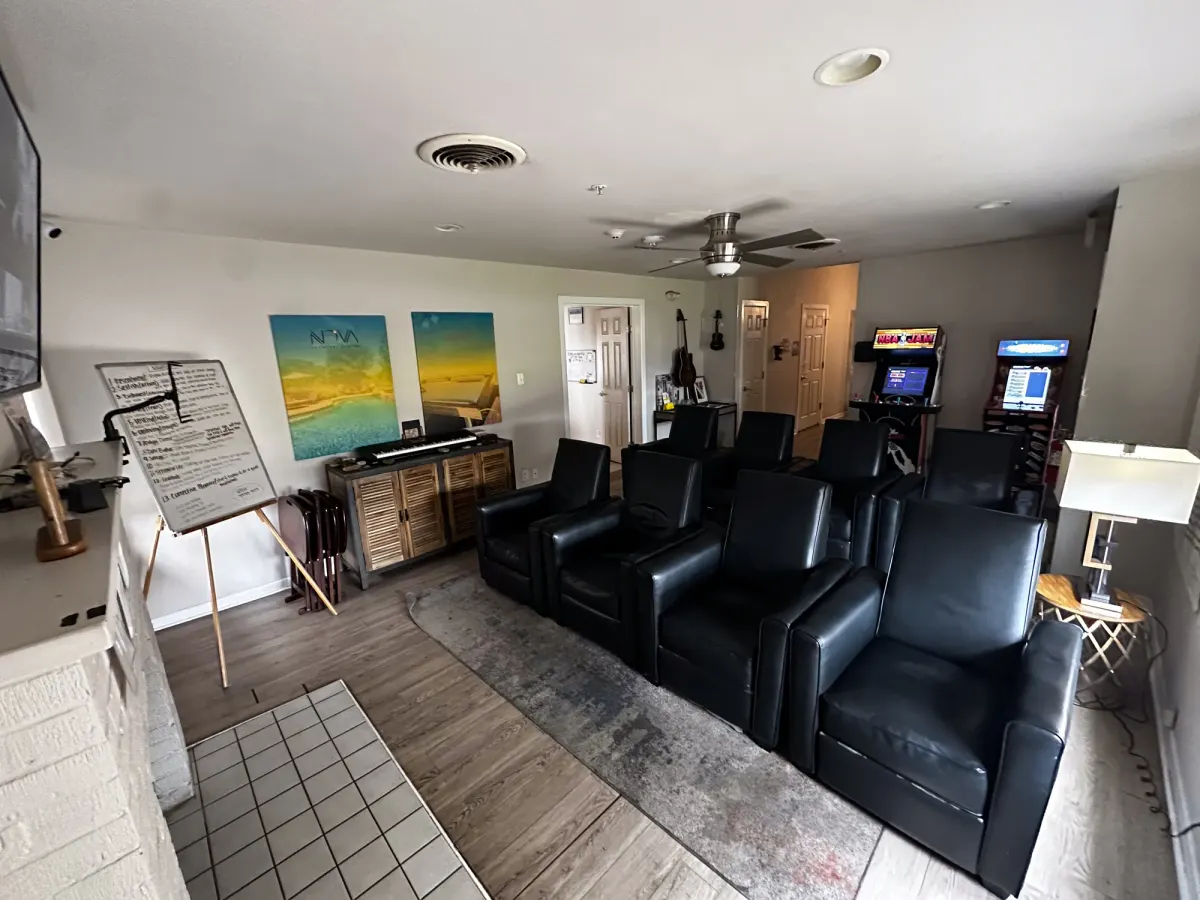 Inpatient
 Austin, TX
11711 N Lamar Blvd · 78753
- 15 beds
- On-site labs
- 24-hour medical staff
Drug & Alcohol Detox in Austin, TX
-
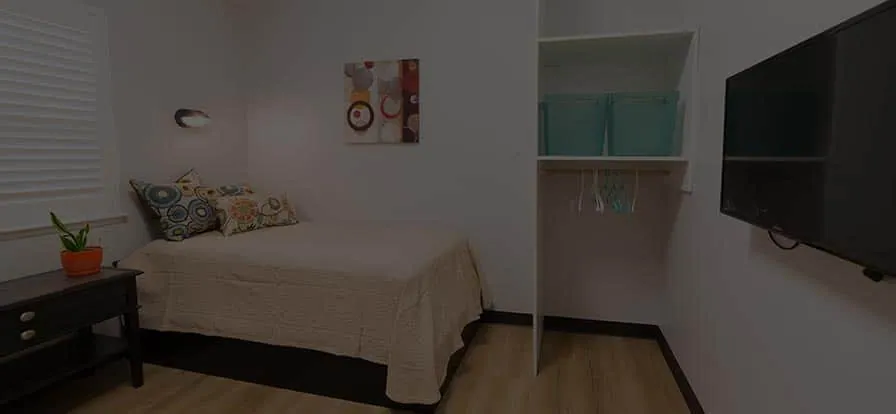 Inpatient
 Houston, TX
1019 Ashland St · 77008
- On-site labs
- 24-hour medical staff
Drug Detox Center in Houston, TX
-
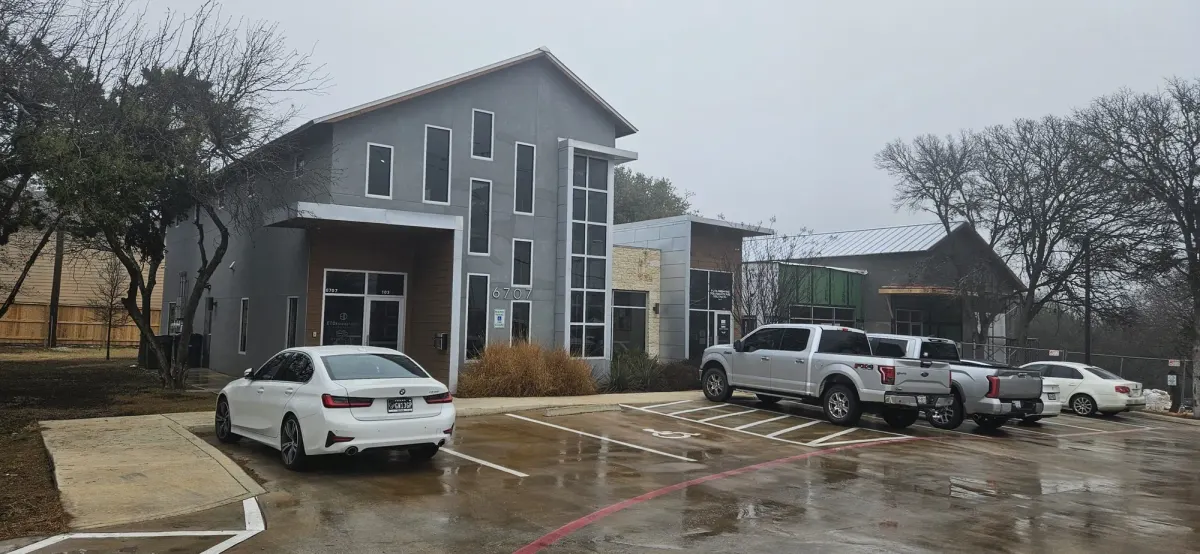 Outpatient
 San Antonio, TX
6707 W Hausman Rd · 78249
- Outpatient detox with scheduled medical visits
- Outpatient treatment
Outpatient Drug & Alcohol Detox in San Antonio
How Much Does Outpatient Detox Cost Compared to Inpatient?
Outpatient medical detox in Texas typically costs 40-60% less than inpatient detox because you're not paying for room, board, or overnight nursing. A 7-day outpatient detox program might run $800 to $1,800 without insurance, depending on the medications used and the frequency of clinic visits. You'll come to the detox center daily for vital signs, medication dispensing, and symptom assessment, then return home to a stable, supportive environment.
Outpatient detox works best for people who have:
- A safe, substance-free home environment
- No history of severe withdrawal complications (seizures, delirium tremens, suicidal ideation)
- Mild to moderate physical dependence
- Reliable transportation to daily appointments
- A support system willing to monitor them at home
Inpatient detox is necessary when withdrawal poses immediate medical risk, when someone has co-occurring psychiatric conditions, or when the home environment enables continued use. The higher cost reflects the intensity of care and the elimination of external triggers during the most vulnerable days of early recovery.
What to Expect During a 7-Day Medical Detox Program in Texas
Day one usually involves intake assessments: medical history, substance use timeline, vital signs, urine drug screen, and basic labs. A physician or nurse practitioner creates a detox protocol tailored to your substance, dosage, duration of use, and any co-occurring health conditions. Medications start immediately to ease withdrawal symptoms and prevent complications.
Days two through four are typically the peak of physical withdrawal. Alcohol and benzodiazepine withdrawal symptoms intensify during this window—tremors, sweating, elevated heart rate, anxiety, nausea, and sometimes hallucinations. Opioid withdrawal peaks around 48-72 hours with muscle aches, chills, diarrhea, and insomnia. The medical team adjusts medications every few hours based on symptom severity.
Days five through seven focus on stabilization. Physical symptoms begin to subside, though sleep disturbances, mood swings, and cravings often persist. The clinical team starts discussing next steps: outpatient counseling, intensive outpatient programs, or residential rehab. Detox alone rarely leads to sustained recovery—it's the medical foundation that makes further treatment possible.
Ready to talk to someone now? Briarwood Detox Center's admissions team is here 24/7, and every call is confidential. Call (866) 710-7710.How Briarwood Detox Center Approaches Detox Pricing and Payment
Briarwood Detox Center provides both inpatient and outpatient medical detox across Texas and Colorado. Inpatient detox takes place in Austin, while outpatient detox is available in Austin, San Antonio, Houston, and Colorado Springs. Each program is priced based on the level of care required, the medications used, and whether you choose private or shared accommodations in the inpatient setting.
When you call to verify benefits or discuss self-pay options, the admissions team will walk through the estimated cost of a 7-day detox program based on your substance use history and medical needs. Payment plans are available for self-pay clients, and the staff can explain how HSAs, FSAs, and healthcare financing options apply to your situation.
The goal is to remove financial barriers without compromising clinical quality. Detox is a medical necessity, not a luxury service, and every conversation about cost is also a conversation about safety, symptom management, and setting the foundation for long-term recovery.
Why Cost Should Not Be the Only Factor in Choosing a Detox Program
The cheapest detox option is not always the safest or most effective. A program that undercharges may lack board-certified addiction physicians, may not stock essential withdrawal medications, or may have inadequate nursing ratios. Detox is a high-risk medical event—alcohol withdrawal alone kills thousands of people in the U.S. each year when it's not properly managed.
Look for programs that are licensed by the state health department, accredited by organizations like The Joint Commission or CARF, and staffed by credentialed addiction medicine specialists. Ask about nurse-to-patient ratios, physician availability, medication protocols, and discharge planning. A program that costs $3,000 but provides 24-hour nursing, evidence-based medications, and a seamless transition to outpatient care delivers far better value than a $1,200 program that offers minimal supervision and no aftercare coordination.
Recovery outcomes depend on clinical quality, not amenities. Private rooms and gourmet meals are nice, but they don't prevent seizures or reduce relapse risk. Prioritize medical expertise, safety protocols, and continuity of care. Cost is one variable—but it should never be the deciding factor when your life is on the line.
Next Steps If You Need Detox in Texas Without Insurance
Start by calling detox centers in Austin, San Antonio, or Houston and asking for a cost estimate based on your specific situation. Be honest about your substance use, medical history, and financial resources. Most admissions teams are trained to find solutions, whether that means payment plans, alternative funding sources, or connecting you with programs that fit your budget.
If cost is prohibitive, ask about outpatient detox. It's significantly less expensive than inpatient care and still provides medical oversight, withdrawal medications, and daily clinical check-ins. Outpatient detox works for many people, especially those detoxing from opioids or with mild to moderate alcohol dependence.
Don't let the cost of a 7-day medical detox program in Texas without insurance delay necessary care. Withdrawal is a medical event that requires professional management. The financial investment in detox is a small fraction of what untreated addiction costs in health complications, lost work, legal problems, and overdose risk.
If you or someone you care about needs medical detox in Austin, San Antonio, Houston, or Colorado Springs, Briarwood Detox Center can walk you through your options, explain costs, and help you take the first step toward safe withdrawal and recovery.
Ready to take the next step?
Briarwood Detox Center provides medically supervised drug & alcohol detox. Call (866) 710-7710 to speak with our team today.
Frequently Asked Questions
How much does it cost to get a detox?+–
Detox costs vary widely based on the level of care, location, and substances involved. Outpatient detox in Texas typically ranges from $800 to $1,800 for a 7-day program, while inpatient medical detox costs between $1,500 and $5,000 or more. Pricing depends on staffing ratios, medications, amenities, and whether you have insurance coverage or pay out of pocket.
What to do if you can't afford rehab?+–
If you can't afford detox or rehab, ask about payment plans, healthcare financing options like CareCredit, or using an HSA or FSA. Many detox centers, including Briarwood Detox Center, offer installment plans for self-pay clients. Outpatient detox is also significantly less expensive than inpatient and may fit your budget while still providing medical supervision and withdrawal medications.
How much does rehab in Texas cost?+–
Medical detox in Texas costs between $1,500 and $5,000 for a 7-day inpatient program without insurance, while outpatient detox ranges from $800 to $1,800. Long-term residential rehab costs more and typically runs $10,000 to $30,000 per month. Detox is the first step and focuses solely on safely managing withdrawal symptoms under medical supervision.
How much is 2 weeks of rehab?+–
Two weeks of inpatient medical detox in Texas typically costs $3,000 to $10,000 without insurance, depending on the facility and level of care. Most people complete detox in 5 to 7 days, though some substances or medical complications require longer stabilization. Outpatient detox over two weeks would cost less, generally $1,200 to $2,500, since you're not paying for room and board.
What is a cheap detox?+–
The least expensive detox option is outpatient medical detox, which costs 40-60% less than inpatient because you return home each evening. Outpatient detox in Texas ranges from $800 to $1,800 for a 7-day program. It's still medically supervised with daily check-ins, withdrawal medications, and symptom monitoring, but works only if you have a safe, stable home environment.
Who pays for detox?+–
Detox is typically paid for by private insurance, Medicaid, Medicare, or self-pay. Many people use payment plans, healthcare financing, HSAs, or FSAs to cover the cost. Family members often contribute financially because detox is a medical necessity. If you don't have insurance, most detox centers will work with you to arrange a payment plan or find an affordable option.
How do you pay for rehab if you don't have insurance?+–
Without insurance, you can pay for detox using self-pay, payment plans, healthcare financing like CareCredit, HSAs, FSAs, personal loans, or family assistance. Many detox centers offer installment plans to break the cost into manageable monthly payments. Outpatient detox is the most affordable option if you have a stable living situation and don't require 24-hour medical supervision.
How to get funding to go to rehab?+–
Funding options for detox include private insurance (verify benefits first), payment plans through the detox center, healthcare financing companies, HSAs or FSAs, personal loans, or asking family members for help. Some employers offer employee assistance programs (EAPs) that cover part of the cost. Start by calling detox centers directly to discuss your financial situation and available options. Ready to Start Your Recovery in Austin? Briarwood Detox Center offers medically supervised detox in Austin. Explore our locations, see the facility, and verify your insurance in minutes. See our locations
Related guides



About the people behind this guide
Anna-Grace Washington
Medical Content Writer
Anna-Grace Washington is a Medical Content Writer for Briarwood Detox Center. She holds a master’s degree in clinical psychology from the University of Texas and brings a strong understanding of behavioral health, addiction recovery, and evidence-based treatment concepts to her writing.
Dr. Robert Ulrich, DO
Medical Director
Dr. Robert Ulrich serves as Medical Director at Briarwood Detox Center, bringing more than two decades of clinical neurology experience to the treatment of substance use disorders. He is board-certified in neurology by the American Board of Psychiatry and Neurology and completed his neurology residency at UT Southwestern Medical Center in Dallas, where he served as Chief Resident.
In network with most major insurance
Find your plan and see what detox would cost
Most plans cover medical detox. Coverage varies by plan, so we verify it for you before you commit to anything.



















Don't see your plan? We work with out-of-network benefits and offer self-pay options — (866) 710-7710
- Confidential
- Takes about 2 minutes
- No obligation to admit
- Accredited The Joint Commission
- Rated 4.7 · 183 Google reviews Flourishing Foundations Recovery, now part of Briarwood
- Admissions 24 hours a day