
Guide
Is Medication-Assisted Treatment Available for Opioid Addiction in Houston?
Joint Commission accredited · In network with most major insurance · Admissions answered 24 hours a day

Published July 8, 2026
Reviewed and updated July 29, 2026
Yes, medication-assisted treatment (MAT) for opioid addiction is available in Houston through Briarwood Detox Center's outpatient detox program. MAT combines FDA-approved medications with counseling and behavioral therapies to treat opioid use disorder, and it's particularly effective during the acute withdrawal phase. Our Houston location offers evidence-based MAT protocols that help stabilize patients through the most dangerous days of opioid detox while reducing cravings and withdrawal severity.
If you or someone you love needs more than detox, Briarwood Detox Center also provides drug rehab houston.
Briarwood Detox Center’s opiate detox program provides medically supervised, evidence-based care.
What Is Medication-Assisted Treatment for Opioid Dependence?
Medication-assisted treatment represents the current standard of care for opioid use disorder. Rather than relying solely on willpower or abstinence-only approaches, MAT uses specific medications that act on the same opioid receptors affected by heroin, fentanyl, or prescription painkillers—but in a controlled, therapeutic manner.
Does your insurance cover detox in Houston?
Find out in about 2 minutes — free, confidential, no obligation.
Verify InsuranceThese medications fall into three categories: agonists (which activate opioid receptors), partial agonists (which activate receptors partially), and antagonists (which block receptors). Each serves a different clinical purpose during detox and early recovery. The goal isn't to substitute one addiction for another; it's to normalize brain chemistry, block euphoric effects of opioids, and relieve physiological cravings so patients can focus on behavioral change.
MAT has been shown in dozens of controlled trials to reduce overdose death, improve treatment retention, decrease illicit drug use, and increase employment compared to detox without medication support. For opioid addiction specifically, MAT isn't just helpful—it's often lifesaving.
Medications Used to Assist with Opioid Withdrawal in Houston
Briarwood Detox Center's Houston outpatient program uses several FDA-approved medications depending on each patient's history, severity of dependence, and medical profile. These include:
- Buprenorphine: A partial opioid agonist that relieves withdrawal symptoms and cravings without producing significant euphoria. It has a ceiling effect, meaning higher doses don't increase the opioid effect, which reduces abuse potential. Common formulations include Suboxone (buprenorphine plus naloxone) and Subutex.
- Naltrexone: An opioid antagonist that blocks receptors entirely, preventing any opioid from producing effects. It's used after detox is complete to prevent relapse. Available as a daily oral tablet or monthly injection (Vivitrol).
- Clonidine: A non-opioid medication that reduces many autonomic withdrawal symptoms such as sweating, rapid heart rate, and anxiety. Often used as an adjunct to primary MAT agents.
- Comfort medications: Anti-nausea agents, sleep aids, and anti-diarrheal medications address specific withdrawal symptoms and improve patient comfort during the detox process.
The choice of medication depends on timing. Buprenorphine can be started once early withdrawal symptoms appear. Naltrexone requires complete detox first, typically seven to ten days opioid-free, to avoid precipitating severe withdrawal. Our clinical team determines the safest, most effective protocol for each individual.
How Medication-Assisted Treatment Works During Opioid Detox
Opioid withdrawal is rarely life-threatening, but it's intensely uncomfortable—and that discomfort drives relapse. Symptoms peak between 48 and 72 hours after the last use and include muscle aches, nausea, vomiting, diarrhea, sweating, insomnia, severe anxiety, and overwhelming cravings. This is when MAT makes the critical difference.
When a patient begins medication-assisted treatment for opioid addiction in Houston at Briarwood, we first conduct a comprehensive assessment: substance use history, current withdrawal severity (measured by validated scales like COWS), co-occurring mental health conditions, and any medical complications. Based on that assessment, we initiate the appropriate medication protocol.
Buprenorphine induction, for example, requires the patient to be in mild to moderate withdrawal before the first dose. This prevents precipitated withdrawal—a sudden, severe reaction that occurs if buprenorphine displaces a full agonist opioid from receptors too quickly. Once stabilized on buprenorphine, withdrawal symptoms diminish within hours, and patients report feeling "normal" rather than high or sick.
Throughout outpatient detox, patients return for regular monitoring, medication adjustments, and supportive counseling. The frequency of visits depends on clinical stability, but most patients are seen multiple times per week during the acute phase. This structure provides medical safety while allowing patients to maintain work and family responsibilities.
Where we are
Detox centers across Texas
Three locations, each with its own admissions line and its own clinical team. Pick the one nearest you — or call and we will tell you which has a bed tonight.
-
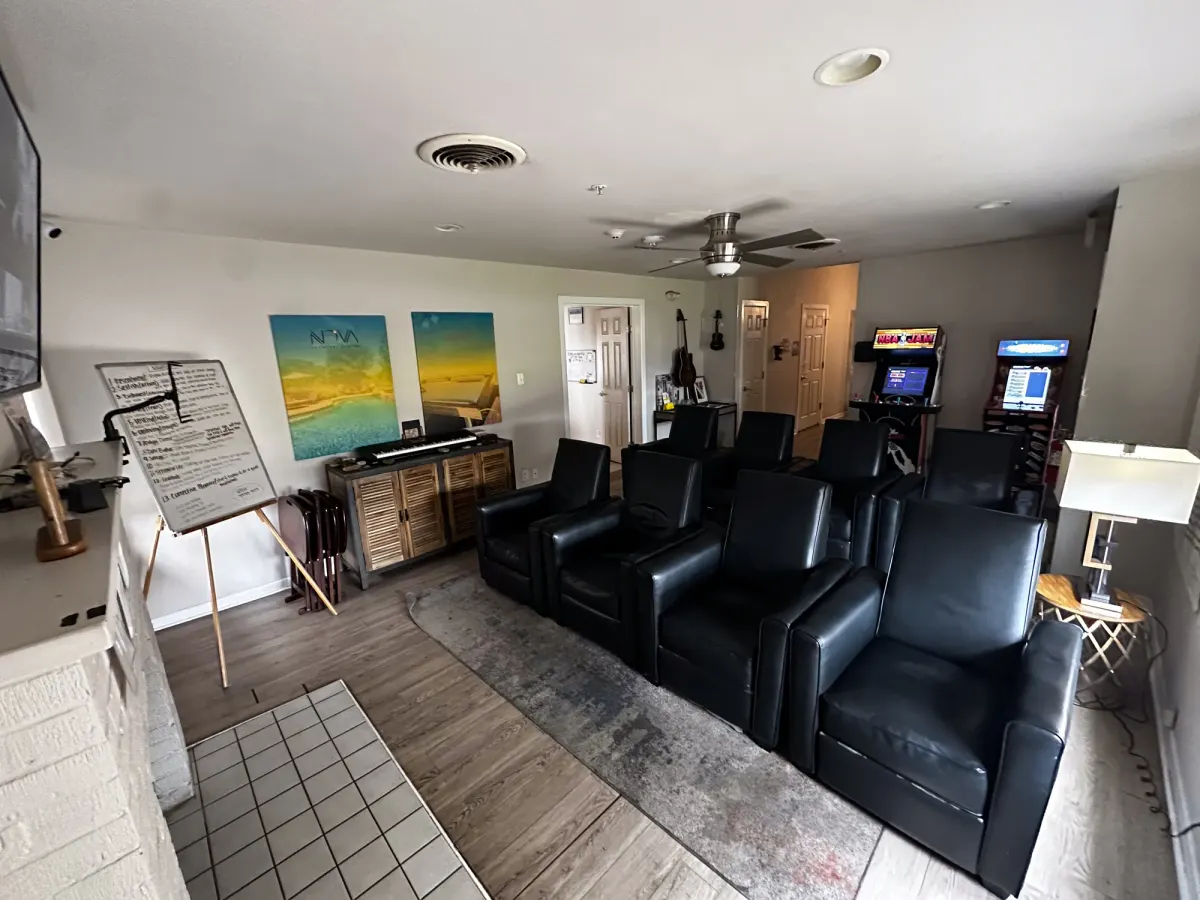 Inpatient
 Austin, TX
11711 N Lamar Blvd · 78753
- 15 beds
- On-site labs
- 24-hour medical staff
Drug & Alcohol Detox in Austin, TX
-
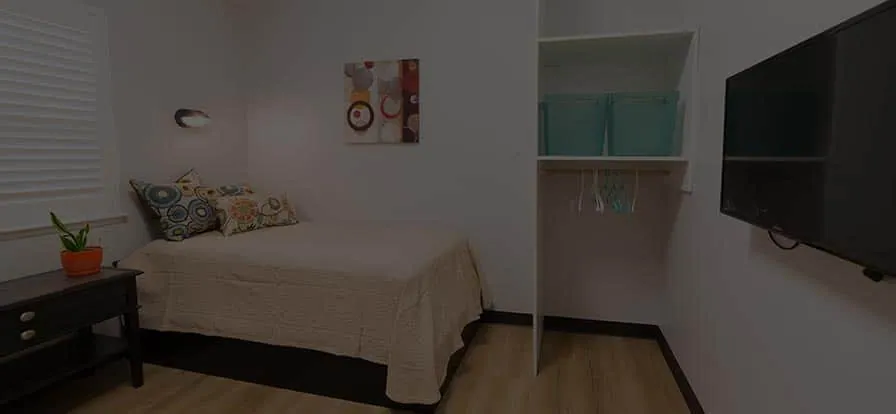 Inpatient
 Houston, TX
1019 Ashland St · 77008
- On-site labs
- 24-hour medical staff
Drug Detox Center in Houston, TX
-
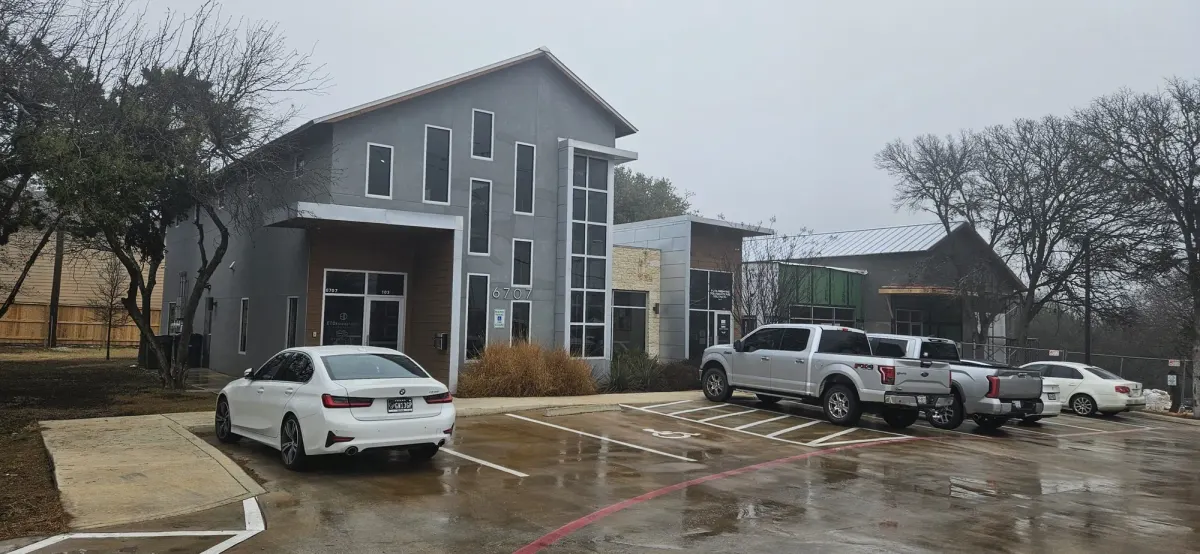 Outpatient
 San Antonio, TX
6707 W Hausman Rd · 78249
- Outpatient detox with scheduled medical visits
- Outpatient treatment
Outpatient Drug & Alcohol Detox in San Antonio
Are There Any New Treatments for Opioid Addiction Available in Houston?
The medication-assisted treatment landscape continues to evolve. While buprenorphine, naltrexone, and methadone remain the backbone of opioid MAT, several newer developments have improved access and outcomes.
Long-acting formulations are among the most significant advances. Sublocade, a monthly buprenorphine injection, eliminates the need for daily dosing and removes diversion risk. Extended-release naltrexone (Vivitrol) provides 30 days of opioid blockade from a single injection, ideal for patients who struggle with medication adherence.
Low-dose naltrexone combined with buprenorphine (sometimes called "microdosing" protocols) allows faster induction with less precipitated withdrawal risk. This approach compresses the timeline from active use to stable MAT, reducing the window of vulnerability.
Telehealth expansion has also transformed access to medication-assisted treatment in Houston and nationwide. Regulatory changes during the COVID-19 pandemic—many now permanent—allow buprenorphine prescribing via telemedicine in certain circumstances. While Briarwood's outpatient detox program requires in-person assessment and monitoring for safety, we recognize that hybrid models incorporating telehealth may expand future access for stable patients in maintenance phases.
Why Medication-Assisted Treatment for Opioid Addiction Matters
Opioid use disorder is a chronic, relapsing brain disease—not a moral failing or lack of willpower. Repeated opioid exposure causes measurable changes in neurotransmitter systems, receptor density, and reward pathway function. These neurobiological changes don't resolve the moment detox ends; they persist for months or years.
MAT addresses this reality. By stabilizing brain chemistry, these medications allow the neurological healing process to occur while patients develop coping skills, rebuild support systems, and address underlying trauma or co-occurring disorders. The data is unambiguous: patients who receive MAT during and after detox have dramatically better outcomes than those who attempt abstinence-only detox.
Ready to talk to someone now? Briarwood Detox Center's admissions team is here 24/7, and every call is confidential. Call (512) 960-4061.Yet stigma persists. Some patients, families, or even providers mistakenly believe that using buprenorphine or naltrexone means "you're not really clean." This misconception costs lives. MAT is not trading one addiction for another; it's using medicine to treat a medical condition, the same way insulin treats diabetes or antidepressants treat major depression.
What to Expect from Outpatient MAT in Houston at Briarwood
Briarwood Detox Center's Houston outpatient program provides medication-assisted treatment in a structured, medically supervised environment. Here's what the process typically looks like:
- Initial Assessment: Comprehensive evaluation including substance use history, physical examination, lab work if indicated, and psychiatric screening. We verify insurance benefits and discuss payment options at this stage.
- Treatment Planning: Based on assessment findings, our clinical team designs an individualized MAT protocol, selecting medications, dosing schedules, and visit frequency.
- Medication Induction: The first dose is administered under observation. For buprenorphine, this occurs once withdrawal symptoms begin. We monitor for adverse reactions and assess symptom relief.
- Stabilization Phase: Over the next several days to two weeks, we adjust medications to achieve optimal symptom control with minimal side effects. Frequent check-ins ensure safety and efficacy.
- Transition Planning: As acute withdrawal resolves, we coordinate ongoing care—whether that's continued MAT maintenance with a primary care provider or addiction specialist, intensive outpatient programming, or connection to long-term treatment resources.
Throughout this process, patients receive education about opioid use disorder, relapse prevention strategies, and resources for continued recovery. Family involvement is encouraged when appropriate.
Insurance, Payment, and Accessing MAT for Opioid Addiction in Houston
Briarwood Detox Center accepts most major insurance plans, and many policies cover medication-assisted treatment for opioid use disorder as an essential health benefit under the Affordable Care Act. Coverage specifics vary by plan, so we recommend verifying benefits before beginning treatment.
Our admissions team can check your insurance coverage, explain your benefits, and discuss any out-of-pocket costs upfront. We also offer payment plans for patients who need them. The goal is to remove financial barriers to evidence-based care.
It's worth noting that the cost of MAT is a fraction of the cost of continued opioid use—financially, medically, and personally. Overdose-related emergency department visits, hospitalizations, legal consequences, and lost productivity far exceed the investment in proper detox and medication support.
Can You Stop Medication-Assisted Treatment Abruptly?
Discontinuing MAT suddenly is not recommended and can be medically risky depending on the medication. Buprenorphine, as a partial opioid agonist, produces its own withdrawal syndrome if stopped abruptly after prolonged use. While less severe than full-agonist withdrawal, it's still uncomfortable and includes insomnia, anxiety, muscle aches, and cravings.
More importantly, abrupt cessation of MAT dramatically increases relapse risk. The brain hasn't had time to heal, cravings resurge, and patients are suddenly vulnerable again—often with reduced opioid tolerance, which increases overdose risk if relapse occurs.
When it's clinically appropriate to discontinue MAT, we use a gradual taper over weeks or months, allowing the body to adjust slowly. Some patients, particularly those with severe or long-standing opioid use disorder, benefit from extended or even indefinite MAT maintenance. There's no shame in long-term medication use if it preserves life and supports recovery.
Finding Medication-Assisted Treatment for Opioid Addiction in Houston
If you or someone you care about is struggling with opioid use disorder, medication-assisted treatment offers a proven pathway through the dangers of withdrawal and into stable recovery. Briarwood Detox Center's Houston outpatient program combines clinical expertise, evidence-based protocols, and compassionate support to help patients safely navigate detox.
Reaching out is the hardest step, but it's also the most important. Briarwood Detox Center is ready to answer your questions, verify your insurance, and begin the process toward healing.
Ready to take the next step?
Briarwood Detox Center provides medically supervised drug & alcohol detox. Call (512) 960-4061 to speak with our team today.
Frequently Asked Questions
What is medication-assisted treatment for opioid dependence?+–
Medication-assisted treatment (MAT) combines FDA-approved medications with counseling and behavioral therapies to treat opioid use disorder. MAT uses medications like buprenorphine, naltrexone, or methadone that work on opioid receptors in the brain to reduce cravings, normalize brain chemistry, and prevent withdrawal symptoms. This evidence-based approach significantly improves treatment outcomes and reduces overdose risk compared to detox without medication support.
What medications are used to assist with opioid withdrawal?+–
Common medications include buprenorphine (Suboxone, Subutex), a partial opioid agonist that relieves withdrawal and cravings; naltrexone (Vivitrol), an antagonist that blocks opioid effects; and clonidine, which reduces autonomic symptoms like sweating and rapid heart rate. Comfort medications for nausea, insomnia, and diarrhea are also used. The specific protocol depends on individual patient needs, withdrawal severity, and timing of treatment initiation.
Are there any new treatments for opioid addiction?+–
Recent advances include long-acting formulations like Sublocade (monthly buprenorphine injection) and extended-release naltrexone (Vivitrol), which eliminate daily dosing. Low-dose naltrexone induction protocols allow faster transition to MAT with less precipitated withdrawal risk. Expanded telehealth access for buprenorphine prescribing has also improved treatment availability. While the core medications remain the same, these delivery methods and protocols enhance convenience, safety, and adherence.
Which providers offer medication-assisted online treatment for addiction?+–
Many addiction medicine specialists and telehealth platforms now offer buprenorphine prescribing via telemedicine, following regulatory changes that expanded access. However, initial assessment and stabilization for opioid detox typically require in-person evaluation for safety. Briarwood Detox Center's Houston outpatient program provides medically supervised MAT with in-person monitoring during the acute withdrawal phase, ensuring clinical safety and appropriate medication management throughout detox.
What is the new treatment for opioid dependence?+–
While buprenorphine, naltrexone, and methadone remain the gold standard, newer delivery systems have improved outcomes. Monthly injectable buprenorphine (Sublocade) and naltrexone (Vivitrol) offer extended-release options that improve adherence. Rapid micro-induction protocols using low-dose naltrexone combined with buprenorphine allow faster stabilization. These advances enhance the effectiveness of existing evidence-based medications rather than replacing them with entirely new drugs.
Can you stop MAT abruptly?+–
Stopping medication-assisted treatment abruptly is not recommended. Buprenorphine cessation causes its own withdrawal syndrome with insomnia, anxiety, muscle aches, and cravings. More critically, abrupt discontinuation dramatically increases relapse risk when the brain hasn't fully healed. When discontinuation is appropriate, a gradual taper over weeks or months is safest. Some patients benefit from extended or indefinite MAT maintenance to support long-term recovery.
What is the new medicine for opiate withdrawal?+–
The newest FDA-approved option is Sublocade, a monthly buprenorphine injection approved in 2017. It provides steady medication levels for 30 days, eliminating daily dosing and diversion concerns. Lucemyra (lofexidine) was approved in 2018 specifically for opioid withdrawal symptoms, though it's less commonly used than buprenorphine or clonidine. Most programs still rely on proven medications like buprenorphine and naltrexone, now available in improved delivery formats.
What are examples of medication-assisted treatments for opioid addiction?+–
Primary MAT medications include buprenorphine products (Suboxone, Subutex, Sublocade), which reduce withdrawal and cravings; naltrexone (oral or Vivitrol injection), which blocks opioid effects; and methadone, a full agonist used in specialized programs. Adjunct medications like clonidine manage specific withdrawal symptoms. Treatment protocols combine these medications with counseling, monitoring, and behavioral support to address both the physical and psychological aspects of opioid use disorder. Ready to Start Your Recovery in Houston? Briarwood Detox Center offers medically supervised detox in Houston. Explore our locations, see the facility, and verify your insurance in minutes. See our locations
Related guides

About the people behind this guide
Anna-Grace Washington
Medical Content Writer
Anna-Grace Washington is a Medical Content Writer for Briarwood Detox Center. She holds a master’s degree in clinical psychology from the University of Texas and brings a strong understanding of behavioral health, addiction recovery, and evidence-based treatment concepts to her writing.
Dr. Robert Ulrich, DO
Medical Director
Dr. Robert Ulrich serves as Medical Director at Briarwood Detox Center, bringing more than two decades of clinical neurology experience to the treatment of substance use disorders. He is board-certified in neurology by the American Board of Psychiatry and Neurology and completed his neurology residency at UT Southwestern Medical Center in Dallas, where he served as Chief Resident.
In network with most major insurance
Find your plan and see what detox would cost
Most plans cover medical detox. Coverage varies by plan, so we verify it for you before you commit to anything.



















Don't see your plan? We work with out-of-network benefits and offer self-pay options — (512) 960-4061
- Confidential
- Takes about 2 minutes
- No obligation to admit
- Accredited The Joint Commission
- Rated 5.0 · 8 Google reviews
- Admissions 24 hours a day