
Guide
Medications Used During Benzodiazepine Detox to Prevent Seizures
Joint Commission accredited · In network with most major insurance · Admissions answered 24 hours a day


Published July 7, 2026
Reviewed and updated July 29, 2026
During benzodiazepine detox, medications used to prevent seizures include long-acting benzodiazepines like diazepam or chlordiazepoxide, which are tapered gradually under medical supervision. Anticonvulsants such as carbamazepine, valproic acid, and gabapentin may also be incorporated into protocols to provide additional seizure protection during the withdrawal period. The choice of medication depends on the patient's history, the specific benzodiazepine used, dosage, and duration of use.
If you or someone you love needs more than detox, Briarwood Detox Center also provides austin tx drug rehab.
Briarwood Detox Center’s benzodiazepine detox program provides medically supervised, evidence-based care.
Why Seizure Risk Is High During Benzodiazepine Withdrawal
Benzodiazepines work by enhancing the effect of gamma-aminobutyric acid (GABA), the brain's primary inhibitory neurotransmitter. When someone takes benzodiazepines regularly for weeks or months, the central nervous system adapts by downregulating GABA receptors and upregulating excitatory pathways. This neuroadaptation creates physical dependence.
Does your insurance cover detox in Austin?
Find out in about 2 minutes — free, confidential, no obligation.
Verify InsuranceAbrupt cessation or rapid tapering disrupts this delicate balance. The brain suddenly loses the artificial GABA enhancement it has come to rely on, while excitatory neurotransmitters like glutamate remain elevated. This hyperexcitable state creates conditions ripe for seizures, which can occur anywhere from 24 hours to two weeks after the last dose, depending on the benzodiazepine's half-life.
The seizure risk is one reason why benzodiazepine detox should never be attempted without medical supervision. At Briarwood Detox Center, we design individualized protocols that account for each patient's unique withdrawal risk profile, ensuring continuous monitoring and appropriate medication management throughout the process.
Long-Acting Benzodiazepines: The Foundation of Safe Detox
The cornerstone approach to preventing seizures during benzodiazepine detox involves substituting the patient's original benzodiazepine with a longer-acting equivalent. Diazepam (Valium) and chlordiazepoxide (Librium) are most commonly used because their extended half-lives provide smoother, more stable blood levels that minimize sudden fluctuations in GABA activity.
The substitution process begins with calculating an equivalent dose. For example, 1 mg of alprazolam (Xanax) roughly equals 10 mg of diazepam. Once converted, the long-acting benzodiazepine is tapered gradually—typically reducing the dose by 5-10% every few days to weeks, depending on the severity of dependence and the patient's response.
This method offers several advantages for seizure prevention. The long half-life means the medication leaves the system slowly, allowing the brain time to readjust its neurochemistry. The gradual taper prevents the abrupt GABA deficiency that triggers seizures. Additionally, patients experience fewer rebound symptoms between doses because blood levels remain relatively constant.
Anticonvulsant Medications in Benzodiazepine Detox Protocols
While benzodiazepine substitution remains the gold standard, anticonvulsant medications are frequently added to provide additional seizure protection, especially in high-risk cases. These medications work through different mechanisms than benzodiazepines, offering complementary neuroprotection during the vulnerable withdrawal period.
Carbamazepine has been studied extensively for its role in benzodiazepine withdrawal. It works by stabilizing sodium channels in neurons, reducing excessive electrical activity. Research suggests carbamazepine can decrease both seizure risk and withdrawal symptom severity. Typical protocols start with 200-400 mg daily, adjusting based on tolerance and symptom control.
Valproic acid (Depakote) offers broad-spectrum seizure protection by enhancing GABA transmission and modulating sodium and calcium channels. It may be particularly useful for patients with a personal or family history of seizures. Dosing typically ranges from 500-1500 mg daily in divided doses.
Gabapentin and its cousin pregabalin have gained favor in recent years. Though technically not traditional anticonvulsants in mechanism, they bind to voltage-gated calcium channels and reduce excitatory neurotransmitter release. Gabapentin doses for benzodiazepine withdrawal typically range from 900-1800 mg daily, divided into three doses. Many patients report it also helps with anxiety and insomnia during detox.
Where we are
Detox centers across Texas
Three locations, each with its own admissions line and its own clinical team. Pick the one nearest you — or call and we will tell you which has a bed tonight.
-
 Inpatient
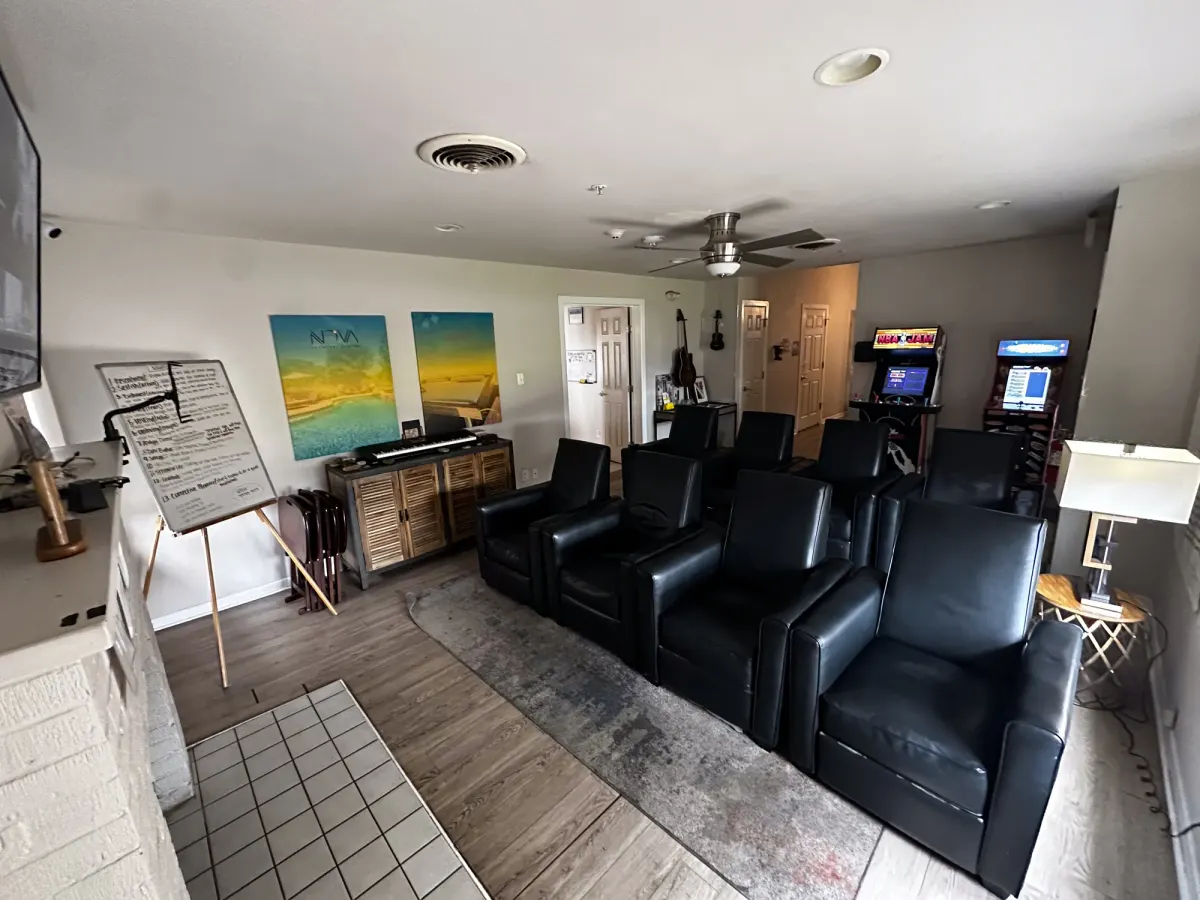
 Austin, TX
11711 N Lamar Blvd · 78753
- 15 beds
- On-site labs
- 24-hour medical staff
Drug & Alcohol Detox in Austin, TX
-
 Inpatient
 Houston, TX
1019 Ashland St · 77008
- On-site labs
- 24-hour medical staff
Drug Detox Center in Houston, TX
-
 Outpatient
 San Antonio, TX
6707 W Hausman Rd · 78249
- Outpatient detox with scheduled medical visits
- Outpatient treatment
Outpatient Drug & Alcohol Detox in San Antonio
What Medications Are Used During Benzodiazepine Detox at Briarwood Detox Center
Our medical team at Briarwood Detox Center takes a comprehensive approach to medication management during benzodiazepine withdrawal. For patients entering our inpatient medical detox program in Austin, we conduct thorough assessments that include benzodiazepine use history, previous withdrawal attempts, medical conditions, and seizure risk factors.
Based on this assessment, we develop an individualized taper protocol. Most patients receive a long-acting benzodiazepine substitution as the primary intervention. For those with elevated seizure risk—such as patients withdrawing from high doses, those with long-term use, or individuals with seizure history—we add anticonvulsant coverage.
Our 24-hour nursing staff monitors vital signs, withdrawal symptoms, and neurological status continuously. This allows us to adjust medications in real-time, increasing doses if breakthrough symptoms emerge or slowing the taper if withdrawal becomes too uncomfortable. The goal is always safety first, comfort second, and successful completion third.
For patients in our outpatient detox programs in San Antonio and Houston, medication protocols follow similar principles but require even more careful planning since patients return home between visits. We prescribe medications in limited quantities, schedule frequent check-ins, and ensure patients have 24-hour crisis support access.
Additional Medications That Support Benzodiazepine Detox
Beyond seizure prevention, several adjunct medications help manage other withdrawal symptoms that, while not immediately life-threatening, can derail detox efforts if left untreated. These medications don't directly prevent seizures but create conditions that support successful completion of the detox process.
Beta-blockers like propranolol help manage autonomic hyperactivity—the racing heart, tremor, and elevated blood pressure common in benzodiazepine withdrawal. By blocking the physical manifestations of anxiety, they often provide surprising psychological relief as well.
Ready to talk to someone now? Briarwood Detox Center's admissions team is here 24/7, and every call is confidential. Call (866) 710-7710.Clonidine, an alpha-2 agonist, reduces sympathetic nervous system overactivity. It's particularly helpful for hypertension, agitation, and insomnia during withdrawal. While not an anticonvulsant, by reducing overall nervous system excitation, it may indirectly lower seizure risk.
Hydroxyzine and other non-addictive anxiolytics can take the edge off anxiety without reinforcing benzodiazepine dependence. Sleep aids like trazodone or melatonin help address insomnia, which is both a withdrawal symptom and a trigger for increased seizure susceptibility when severe.
Monitoring and Safety Protocols During Benzodiazepine Detox
Medication is only one component of seizure prevention. Comprehensive monitoring creates a safety net that catches warning signs before they escalate into emergencies. At Briarwood Detox Center's inpatient program in Austin, patients receive nursing assessments every few hours using standardized withdrawal scales like the Clinical Institute Withdrawal Assessment for Benzodiazepines (CIWA-B).
We track specific seizure precursors: increasing tremor, muscle twitching, hyperreflexia, confusion, or visual disturbances. Blood pressure and pulse are monitored regularly, as autonomic instability often precedes more serious complications. Any concerning changes trigger immediate physician evaluation and protocol adjustments.
Environmental factors matter too. We maintain a calm, low-stimulation environment since excessive sensory input can lower seizure threshold in vulnerable patients. Adequate hydration, nutrition, and sleep hygiene all support neurological stability during this critical period.
How Long Does Seizure Risk Last During Benzodiazepine Withdrawal?
The timeline for seizure risk varies based on the specific benzodiazepine involved. Short-acting benzodiazepines like alprazolam and lorazepam carry peak seizure risk between 24-72 hours after the last dose. Long-acting benzodiazepines like diazepam or clonazepam have delayed timelines, with risk peaking around 5-9 days post-cessation.
This is precisely why we use long-acting substitutes—they extend the timeline, giving us a wider therapeutic window for controlled tapering. With proper medical management and gradual dose reduction, we can often prevent the abrupt neurochemical shifts that trigger seizures altogether.
Even after acute withdrawal, some patients experience protracted withdrawal symptoms for weeks or months. While seizure risk diminishes significantly after the acute phase, other symptoms like anxiety, insomnia, and cognitive difficulties may persist. Our treatment plans account for this reality, setting realistic expectations and providing ongoing support.
Why Medical Supervision Is Non-Negotiable for Benzodiazepine Detox
Benzodiazepine withdrawal stands alongside alcohol withdrawal as one of the few substance withdrawal syndromes that can be directly fatal. Seizures can progress to status epilepticus—continuous seizure activity that constitutes a medical emergency. Delirium, another potentially fatal complication, can develop in unsupervised withdrawal attempts.
Attempting to detox at home, even with a self-designed taper, carries substantial risk. Without medical expertise, patients often taper too quickly, use inappropriate substitute medications, or lack the clinical judgment to recognize dangerous warning signs. Over-the-counter anticonvulsants don't exist, and prescription anticonvulsants require careful dosing and monitoring.
Professional detox provides the medical infrastructure necessary to prevent complications. We have emergency protocols, rescue medications, and transfer agreements with hospitals should intensive care become necessary. These safeguards mean patients can detox with confidence, knowing they're protected against the worst-case scenarios.
If you or someone you care about needs help withdrawing from benzodiazepines, Briarwood Detox Center offers medically supervised detox with comprehensive seizure prevention protocols. Our experienced team provides the clinical expertise and continuous monitoring necessary to make this process as safe and comfortable as possible.
Ready to take the next step?
Briarwood Detox Center provides medically supervised drug & alcohol detox. Call (866) 710-7710 to speak with our team today.
Frequently Asked Questions
What medications are used to prevent withdrawal seizures?+–
Long-acting benzodiazepines like diazepam and chlordiazepoxide are the primary medications used to prevent withdrawal seizures from benzodiazepine dependence. Anticonvulsants such as carbamazepine, valproic acid, and gabapentin are often added for additional seizure protection. The specific combination depends on the patient's withdrawal risk profile, the benzodiazepine they were taking, and their medical history.
How do you prevent benzo seizures?+–
Preventing benzodiazepine seizures requires medical supervision with gradual dose tapering rather than abrupt cessation. Doctors substitute the original benzodiazepine with a longer-acting equivalent like diazepam, then slowly reduce the dose over weeks or months. Anticonvulsants may be added for high-risk patients. Continuous monitoring, hydration, proper nutrition, and a calm environment also support seizure prevention during withdrawal.
What medication is used for benzo detox?+–
The primary medication for benzodiazepine detox is typically a long-acting benzodiazepine like diazepam or chlordiazepoxide, tapered gradually. Anticonvulsants such as carbamazepine or gabapentin may be added. Additional medications like propranolol for tremor, clonidine for autonomic symptoms, and hydroxyzine for anxiety help manage other withdrawal symptoms. The specific protocol is individualized based on the patient's history and needs.
What drugs cause seizures during withdrawal?+–
Benzodiazepines and alcohol are the two substances most commonly associated with withdrawal seizures. Barbiturates also carry significant seizure risk during withdrawal. Short-acting benzodiazepines like alprazolam and lorazepam pose higher risk than long-acting ones. The risk increases with higher doses, longer duration of use, and previous withdrawal attempts. Sudden cessation rather than gradual tapering dramatically elevates seizure probability.
What medications are used to prevent seizures?+–
In the context of benzodiazepine withdrawal, seizure prevention relies primarily on gradual benzodiazepine tapering with long-acting agents like diazepam. Anticonvulsant medications including carbamazepine, valproic acid, gabapentin, and pregabalin provide additional protection. These medications work through different mechanisms—stabilizing neuronal membranes, enhancing GABA, or reducing excitatory neurotransmitter release—to prevent the hyperexcitable brain state that triggers seizures.
What is the best medication to prevent seizures?+–
For benzodiazepine withdrawal specifically, a gradual taper using long-acting benzodiazepines like diazepam remains the gold standard for seizure prevention. This approach addresses the root cause—GABA deficiency—directly. Anticonvulsants like carbamazepine or valproic acid serve as excellent adjuncts for high-risk patients. There is no single best medication; the optimal choice depends on individual patient factors and withdrawal severity.
Can I detox from benzodiazepines as an outpatient?+–
Some patients can safely complete benzodiazepine detox on an outpatient basis if their risk factors are low to moderate. Briarwood Detox Center offers outpatient detox programs in San Antonio and Houston for appropriate candidates. However, patients with high-dose dependence, short-acting benzodiazepine use, previous complicated withdrawals, or seizure history typically require inpatient medical supervision for safety.
How long does a medically supervised benzodiazepine taper take?+–
The duration of a medically supervised benzodiazepine taper varies widely based on dosage, duration of use, and individual response. Inpatient medical detox typically lasts 5-10 days for stabilization, followed by ongoing tapering. Complete tapers can range from several weeks to several months. Slower tapers reduce seizure risk and withdrawal discomfort. Your medical team will design a timeline that balances safety with practical considerations. Ready to Start Your Recovery in Austin? Briarwood Detox Center offers medically supervised detox in Austin. Explore our locations, see the facility, and verify your insurance in minutes. See our locations
Related guides

About the people behind this guide
Anna-Grace Washington
Medical Content Writer
Anna-Grace Washington is a Medical Content Writer for Briarwood Detox Center. She holds a master’s degree in clinical psychology from the University of Texas and brings a strong understanding of behavioral health, addiction recovery, and evidence-based treatment concepts to her writing.
Dr. Robert Ulrich, DO
Medical Director
Dr. Robert Ulrich serves as Medical Director at Briarwood Detox Center, bringing more than two decades of clinical neurology experience to the treatment of substance use disorders. He is board-certified in neurology by the American Board of Psychiatry and Neurology and completed his neurology residency at UT Southwestern Medical Center in Dallas, where he served as Chief Resident.
In network with most major insurance
Find your plan and see what detox would cost
Most plans cover medical detox. Coverage varies by plan, so we verify it for you before you commit to anything.



















Don't see your plan? We work with out-of-network benefits and offer self-pay options — (866) 710-7710
- Confidential
- Takes about 2 minutes
- No obligation to admit

- Accredited The Joint Commission
- Rated 4.7 · 183 Google reviews Flourishing Foundations Recovery, now part of Briarwood
- Admissions 24 hours a day