
Guide
How Benzodiazepine and Alcohol Withdrawal Differ: Medical Needs
Joint Commission accredited · In network with most major insurance · Admissions answered 24 hours a day


Published June 19, 2026
Reviewed and updated July 29, 2026
Benzodiazepine withdrawal and alcohol withdrawal share similar mechanisms—both depress the central nervous system through GABA receptor activity—but they differ significantly in timeline, symptom severity, and medical management. Alcohol withdrawal typically peaks within 24 to 72 hours and resolves within 5 to 7 days, while benzodiazepine withdrawal can last weeks to months depending on the half-life of the specific drug. Both require medical supervision because they carry seizure risk and can be life-threatening, but benzodiazepine withdrawal demands a longer, more gradual tapering protocol under physician oversight to prevent protracted withdrawal syndrome.
If you or someone you love needs more than detox, Briarwood Detox Center also provides drug treatment centers austin.
Briarwood Detox Center’s alcohol detox program program provides medically supervised, evidence-based care.
The Shared Neurobiology: Why Both Are Dangerous
Understanding how benzodiazepine withdrawal is different from alcohol withdrawal starts with recognizing what they have in common. Both substances enhance gamma-aminobutyric acid (GABA), the brain's primary inhibitory neurotransmitter. When you use either substance chronically, your brain downregulates its own GABA production and reduces receptor sensitivity to compensate for the artificial enhancement.
Does your insurance cover detox in Austin?
Find out in about 2 minutes — free, confidential, no obligation.
Verify InsuranceWhen you stop suddenly, your central nervous system becomes hyperexcitable. Without the depressant effect of the substance and with reduced natural GABA function, your neurons fire unchecked. This hyperexcitability causes tremors, elevated heart rate, blood pressure spikes, anxiety, and—in severe cases—seizures.
This shared mechanism is why benzodiazepines are the standard medication used to treat alcohol withdrawal. They occupy the same receptor sites, providing cross-tolerance that allows clinicians to prevent dangerous withdrawal symptoms while the brain recalibrates. At Briarwood Detox Center's Austin inpatient facility, medical teams use this pharmacological relationship to safely manage both withdrawal syndromes, though the protocols differ substantially.
Timeline Differences: Acute Versus Protracted Withdrawal
The most striking difference between benzodiazepine withdrawal and alcohol withdrawal is duration. Alcohol withdrawal follows a predictable, relatively compressed timeline. Minor symptoms—tremor, sweating, anxiety—begin 6 to 12 hours after the last drink. Peak severity occurs between 24 and 72 hours, when the risk of seizures and delirium tremens is highest. Most patients who receive proper medical care see symptom resolution within 5 to 7 days.
Benzodiazepine withdrawal timelines vary dramatically based on the drug's half-life. Short-acting benzodiazepines like alprazolam (Xanax) or lorazepam (Ativan) produce withdrawal symptoms within 1 to 2 days. Long-acting benzodiazepines like diazepam (Valium) or clonazepam (Klonopin) may not trigger withdrawal for 3 to 7 days after the last dose.
Acute benzodiazepine withdrawal symptoms can persist for 2 to 8 weeks. However, many patients experience protracted withdrawal syndrome—a constellation of anxiety, insomnia, perceptual disturbances, and mood instability—that can last months or even years after cessation. This prolonged recovery period requires sustained medical supervision and is why supervised detox is recommended for long-term alcohol or benzodiazepine users, though the strategies differ.
Symptom Severity and Medical Risks
Both withdrawal syndromes can be fatal, but their risk profiles differ. Alcohol withdrawal is acutely dangerous. Without medical intervention, approximately 5% of patients experiencing severe alcohol withdrawal develop delirium tremens (DTs), which carries a mortality rate of 5% to 15% even with treatment. DTs involve profound confusion, hallucinations, severe autonomic instability, and life-threatening hyperthermia.
Benzodiazepine withdrawal rarely produces delirium, but seizure risk remains significant, particularly with abrupt cessation from high doses or short-acting formulations. The psychological symptoms of benzodiazepine withdrawal are often more distressing and persistent than those of alcohol withdrawal:
- Severe anxiety and panic attacks that feel indistinguishable from the original condition
- Perceptual distortions including depersonalization, derealization, and heightened sensitivity to light and sound
- Insomnia that can persist for weeks, even with supportive medications
- Muscle tension, tremor, and fasciculations that interfere with daily function
- Cognitive impairment affecting memory and concentration
These symptoms are not simply psychological. They reflect genuine neuroadaptation that requires time to reverse. At Briarwood Detox Center's outpatient programs in Houston and San Antonio, patients receiving benzodiazepine tapering protocols attend regular medical appointments to monitor symptom progression and adjust medication schedules based on individual tolerance.
Assessment Tools: CIWA-Ar and Its Limitations
The Clinical Institute Withdrawal Assessment for Alcohol (CIWA-Ar) is the gold standard for quantifying alcohol withdrawal severity. This 10-item scale measures tremor, sweating, anxiety, agitation, headache, nausea, tactile disturbances, auditory disturbances, visual disturbances, and orientation. Nurses administer CIWA-Ar every few hours, and scores dictate benzodiazepine dosing in symptom-triggered protocols.
Can CIWA-Ar be used for benzodiazepine withdrawal? Technically yes, but it's not ideal. The tool was designed and validated for alcohol withdrawal, and many benzodiazepine withdrawal symptoms—particularly perceptual distortions, muscle fasciculations, and the unique quality of benzodiazepine-induced anxiety—are not well captured by the CIWA-Ar items. Some facilities use modified versions or alternative scales like the Benzodiazepine Withdrawal Symptom Questionnaire (BWSQ), though no single tool has achieved the widespread adoption that CIWA-Ar has for alcohol.
More importantly, benzodiazepine withdrawal management rarely uses symptom-triggered dosing. Instead, medical teams employ scheduled tapering protocols that gradually reduce the dose over weeks or months, preventing severe withdrawal rather than reacting to it.
Medical Supervision Requirements for Safe Detoxification
The medical supervision needed for benzodiazepine withdrawal differs from what alcohol withdrawal requires, though both demand professional oversight. Alcohol detoxification at Briarwood Detox Center's inpatient facility in Austin typically involves:
- 24-hour nursing observation during the acute 3- to 5-day risk window
- Vital sign monitoring every 4 to 6 hours, more frequently if CIWA-Ar scores are elevated
- Benzodiazepine administration (usually lorazepam or diazepam) via symptom-triggered or fixed-schedule protocols
- Adjunctive medications for specific symptoms: thiamine to prevent Wernicke encephalopathy, antiemetics for nausea, antihypertensives if needed
- Electrolyte monitoring and correction, especially magnesium and potassium
- Seizure precautions including padded bed rails and readily available emergency medications
Benzodiazepine detoxification requires a fundamentally different approach. Because the withdrawal timeline extends weeks to months, inpatient care for the entire duration is often unnecessary and impractical. Many patients successfully complete benzodiazepine tapers through outpatient medical supervision. The key elements include:
- Physician-designed tapering schedule, typically reducing the dose by 5% to 10% every 1 to 2 weeks
- Conversion to a long-acting benzodiazepine (usually diazepam or clonazepam) if the patient was using a short-acting formulation, to smooth withdrawal symptoms
- Regular medical check-ins, initially weekly, then biweekly as the taper progresses
- Monitoring for protracted withdrawal symptoms and psychological decompensation
- Supportive medications for specific symptoms, though these must be chosen carefully to avoid substituting one dependence for another
Patients with very high benzodiazepine doses, polysubstance use including alcohol, or a history of seizures may require initial inpatient stabilization before transitioning to outpatient tapering. This hybrid approach combines the safety of medical monitoring during the highest-risk period with the practicality of outpatient care for the prolonged taper.
Where we are
Detox centers across Texas
Three locations, each with its own admissions line and its own clinical team. Pick the one nearest you — or call and we will tell you which has a bed tonight.
-
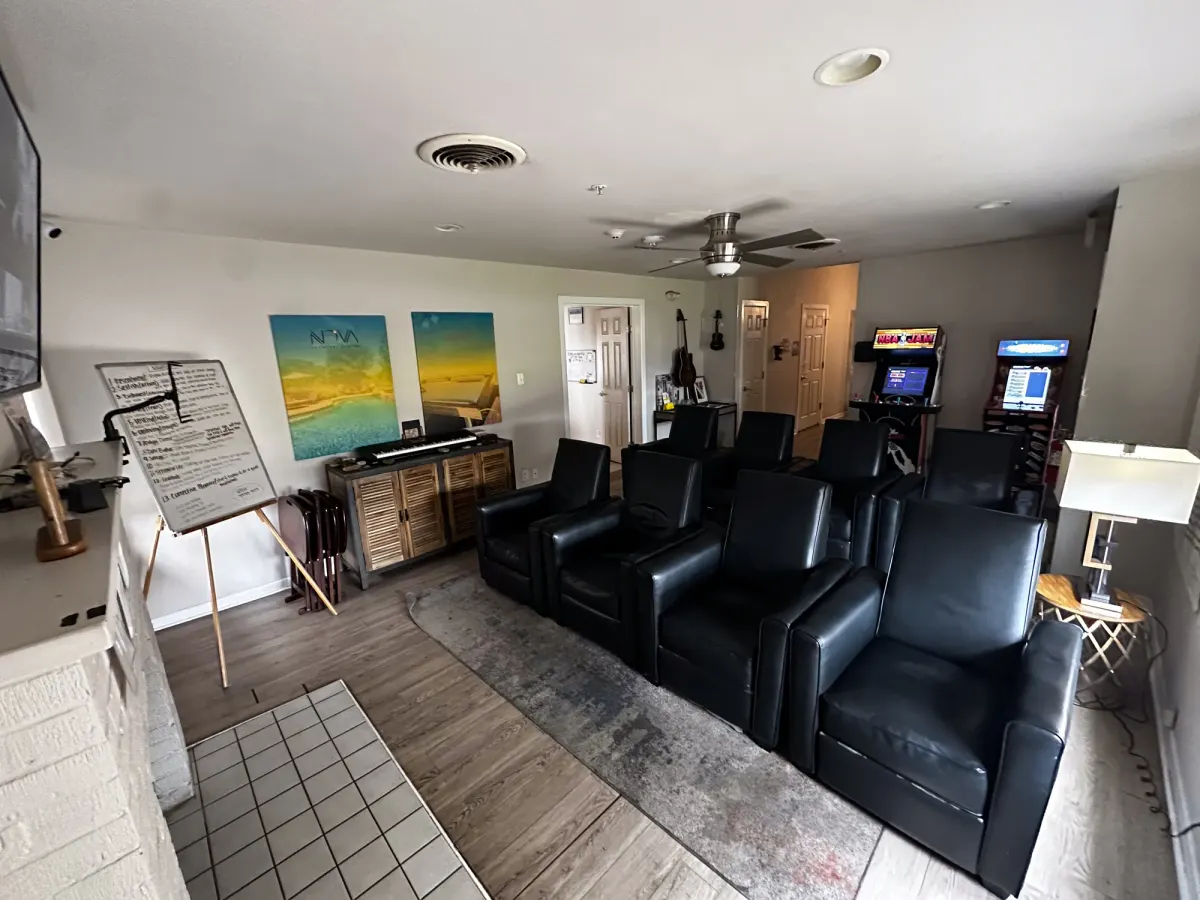 Inpatient
 Austin, TX
11711 N Lamar Blvd · 78753
- 15 beds
- On-site labs
- 24-hour medical staff
Drug & Alcohol Detox in Austin, TX
-
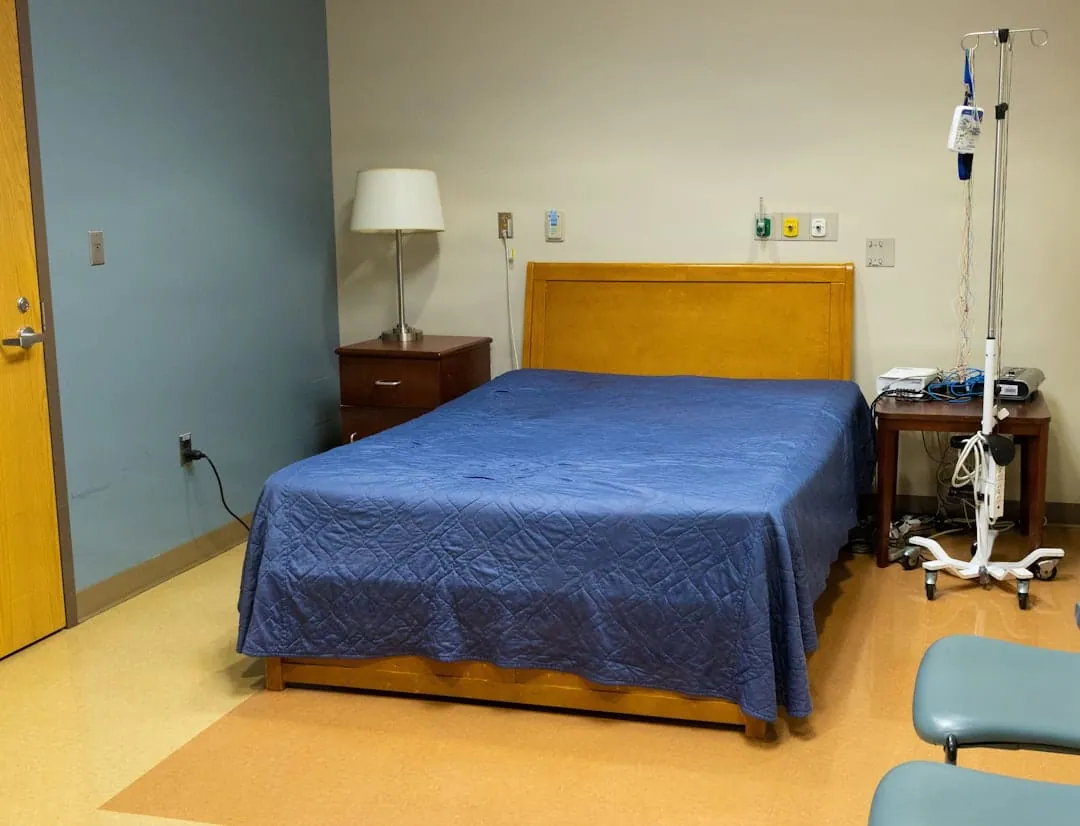
 Inpatient
 Houston, TX
1019 Ashland St · 77008
- On-site labs
- 24-hour medical staff
Drug Detox Center in Houston, TX
-
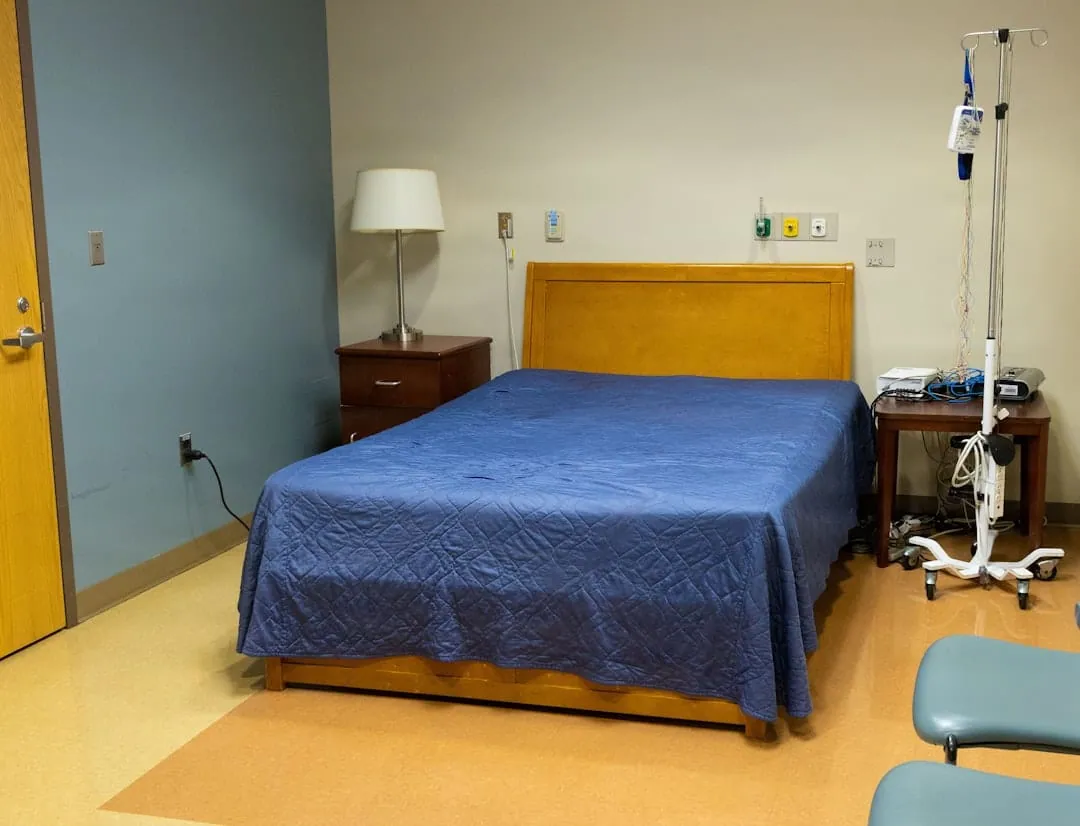
 Outpatient
 San Antonio, TX
6707 W Hausman Rd · 78249
- Outpatient detox with scheduled medical visits
- Outpatient treatment
Outpatient Drug & Alcohol Detox in San Antonio
Benzodiazepine-Resistant Alcohol Withdrawal
What is benzodiazepine-resistant alcohol withdrawal? This phenomenon occurs in approximately 5% to 10% of patients undergoing alcohol detoxification. Despite adequate—sometimes very high—doses of benzodiazepines, the patient continues to exhibit severe withdrawal symptoms: persistent tachycardia, hypertension, agitation, and elevated CIWA-Ar scores.
Ready to talk to someone now? Briarwood Detox Center's admissions team is here 24/7, and every call is confidential. Call (866) 710-7710.Several mechanisms may explain benzodiazepine resistance. Chronic alcohol use causes neuroadaptive changes beyond GABA systems, including upregulation of glutamate receptors (the brain's primary excitatory neurotransmitter). Benzodiazepines only address the GABA component. Patients with liver disease may metabolize benzodiazepines poorly. Concurrent benzodiazepine dependence creates tolerance, requiring higher doses. Genetic variations in GABA receptor subtypes may reduce benzodiazepine efficacy in some individuals.
Managing benzodiazepine-resistant alcohol withdrawal requires adjunctive medications. Phenobarbital, a barbiturate with broader GABA effects, is increasingly used as a second-line agent or even as primary therapy in some protocols. Propofol, an intravenous sedative-hypnotic, may be necessary for severe cases requiring intensive care. Alpha-2 agonists like dexmedetomidine reduce sympathetic hyperactivity. Anticonvulsants such as valproic acid or levetiracetam add seizure protection.
These complex cases require physician expertise and round-the-clock monitoring capabilities available in medically supervised inpatient settings. Briarwood Detox Center's Austin facility maintains protocols and staff training for managing resistant withdrawal syndromes safely.
Choosing the Right Benzodiazepine for Alcohol Withdrawal
Which benzodiazepine is best for alcohol withdrawal? The answer depends on patient-specific factors. Lorazepam (Ativan) is preferred in patients with liver disease because it undergoes simple glucuronidation rather than hepatic metabolism, reducing the risk of accumulation. Its intermediate half-life (10 to 20 hours) provides symptom control without excessive sedation, and it can be administered intramuscularly if oral intake is compromised.
Diazepam (Valium) has a long half-life (20 to 100 hours including active metabolites), which provides smoother symptom coverage and self-tapering properties that may reduce rebound symptoms. However, it requires functional liver enzymes and accumulates in patients with hepatic impairment. Chlordiazepoxide (Librium), once the standard, is now less commonly used due to its multiple active metabolites and accumulation risk.
Most protocols at medically supervised detox facilities use either lorazepam or diazepam based on individual patient assessment. The choice matters less than ensuring adequate dosing, proper monitoring, and protocol adherence.
Why Professional Medical Supervision Is Non-Negotiable
Both alcohol and benzodiazepine withdrawal can kill. This is not hyperbole. The medical supervision needed encompasses more than just medication administration—it requires the ability to recognize deterioration, adjust treatment in real time, manage complications, and provide the structured environment that allows the brain to heal.
Attempting to detox from either substance without medical oversight dramatically increases the risk of seizures, cardiovascular events, and protracted suffering. Even patients who survive unsupervised withdrawal often experience such severe symptoms that they return to use before completing detoxification, reinforcing the cycle of dependence.
Medically supervised detox addresses the physiological crisis of withdrawal, creating the neurological stability necessary for the next phases of recovery. Whether that's inpatient care in Austin for acute alcohol withdrawal or outpatient benzodiazepine tapering in Houston or San Antonio, the common element is physician oversight, nursing care, and evidence-based protocols that minimize risk while maximizing comfort and completion rates.
If you or someone you care about is dependent on alcohol or benzodiazepines, professional detoxification is the safest path forward. Briarwood Detox Center provides medically supervised withdrawal management tailored to your specific needs, whether that's inpatient care in Austin or outpatient services in Houston and San Antonio.
Ready to take the next step?
Briarwood Detox Center provides medically supervised drug & alcohol detox. Call (866) 710-7710 to speak with our team today.
Frequently Asked Questions
Is benzodiazepine withdrawal similar to alcohol withdrawal? Yes, benzodiazepine withdrawal and alcohol withdrawal share similar mechanisms because both substances affect GABA receptors in the brain. Both can cause dangerous symptoms including seizures, elevated heart rate, anxiety, and tremors. However, benzodiazepine withdrawal typically lasts much longer—weeks to months versus 5 to 7 days for alcohol—and often involves more persistent psychological symptoms like depersonalization and perceptual distortions. Why is supervised detox recommended for long-term alcohol or benzodiazepine users? Supervised detox is recommended because both alcohol and benzodiazepine withdrawal can be life-threatening. Sudden cessation can cause seizures, cardiovascular complications, and delirium.
Medical supervision provides continuous monitoring, appropriate medications to prevent dangerous symptoms, and immediate intervention if complications arise. Professional oversight dramatically reduces mortality risk and increases the likelihood of completing detoxification successfully without relapse. Is the standard medication used to treat alcohol withdrawal benzodiazepines? Yes, benzodiazepines are the standard medication for alcohol withdrawal treatment. They work by acting on the same GABA receptors affected by alcohol, preventing hyperexcitability in the nervous system that causes withdrawal symptoms. Common choices include lorazepam and diazepam, selected based on factors like liver function and withdrawal severity. This cross-tolerance makes benzodiazepines uniquely effective at preventing seizures and delirium tremens during alcohol detoxification.
Can CIWA-Ar be used for benzodiazepine withdrawal? CIWA-Ar can technically be used for benzodiazepine withdrawal, but it's not ideal. The tool was designed specifically for alcohol withdrawal and doesn't fully capture benzodiazepine-specific symptoms like muscle fasciculations, perceptual distortions, and the unique anxiety quality. More importantly, benzodiazepine withdrawal management typically uses scheduled tapering protocols rather than the symptom-triggered dosing that CIWA-Ar supports. Alternative scales like the Benzodiazepine Withdrawal Symptom Questionnaire may be more appropriate. What is benzodiazepine-resistant alcohol withdrawal? Benzodiazepine-resistant alcohol withdrawal occurs when patients continue experiencing severe withdrawal symptoms despite receiving adequate benzodiazepine doses. This affects about 5 to 10 percent of alcohol detox patients and may result from liver disease affecting medication metabolism, concurrent benzodiazepine tolerance, genetic receptor variations, or neuroadaptive changes beyond GABA systems.
Treatment requires adjunctive medications like phenobarbital, propofol, or alpha-2 agonists under intensive medical supervision. Which benzodiazepine is best for alcohol withdrawal? The best benzodiazepine for alcohol withdrawal depends on individual patient factors. Lorazepam is preferred for patients with liver disease because it doesn't require hepatic metabolism. Diazepam, with its long half-life, provides smoother symptom coverage and self-tapering properties but requires functional liver enzymes. Both are effective when dosed appropriately. The choice matters less than ensuring proper monitoring, adequate dosing, and adherence to evidence-based protocols. What substances require medical supervision for detox? Alcohol and benzodiazepines are the two substances that absolutely require medical supervision for safe detoxification because withdrawal can be fatal.
Both depress the central nervous system, and sudden cessation causes dangerous hyperexcitability that can trigger seizures and cardiovascular complications. Opioid withdrawal, while extremely uncomfortable, is rarely life-threatening. However, medical supervision improves safety and comfort for detoxification from most substances of dependence. How long does benzodiazepine detox take compared to alcohol detox? Alcohol detox typically takes 5 to 7 days for acute symptoms to resolve, with the highest risk period occurring between 24 and 72 hours. Benzodiazepine detox takes much longer—acute withdrawal symptoms can last 2 to 8 weeks, and many patients experience protracted withdrawal for months. The benzodiazepine tapering process itself often extends 8 to 12 weeks or longer, requiring gradual dose reductions to prevent severe symptoms.
Ready to Start Your Recovery in Austin?
Briarwood Detox Center offers medically supervised detox in Austin. Explore our locations, see the facility, and verify your insurance in minutes.
See our locationsRelated guides
About the people behind this guide
Anna-Grace Washington
Medical Content Writer
Anna-Grace Washington is a Medical Content Writer for Briarwood Detox Center. She holds a master’s degree in clinical psychology from the University of Texas and brings a strong understanding of behavioral health, addiction recovery, and evidence-based treatment concepts to her writing.
Dr. Robert Ulrich, DO
Medical Director
Dr. Robert Ulrich serves as Medical Director at Briarwood Detox Center, bringing more than two decades of clinical neurology experience to the treatment of substance use disorders. He is board-certified in neurology by the American Board of Psychiatry and Neurology and completed his neurology residency at UT Southwestern Medical Center in Dallas, where he served as Chief Resident.
In network with most major insurance
Find your plan and see what detox would cost
Most plans cover medical detox. Coverage varies by plan, so we verify it for you before you commit to anything.


















Don't see your plan? We work with out-of-network benefits and offer self-pay options — (866) 710-7710
- Confidential
- Takes about 2 minutes
- No obligation to admit

- Accredited The Joint Commission
- Rated 4.7 · 183 Google reviews Flourishing Foundations Recovery, now part of Briarwood
- Admissions 24 hours a day