
Guide
Questions to Ask When Touring Treatment Facilities for Cocaine Addiction
Joint Commission accredited · In network with most major insurance · Admissions answered 24 hours a day


Published June 18, 2026
Reviewed and updated July 29, 2026
If your daughter is struggling with cocaine addiction, the questions you should ask when touring treatment facilities focus on medical detox protocols, cocaine-specific treatment approaches, staff credentials, continuing care planning, and family involvement opportunities. The right facility will provide clear answers about their stimulant withdrawal management, evidence-based therapies for cocaine dependence, and personalized treatment planning that addresses her unique needs.
If you or someone you love needs more than detox, Briarwood Detox Center also provides austin tx drug rehab.
Finding appropriate treatment for a daughter battling cocaine addiction is one of the most important decisions you'll face as a parent. The facility you choose will become the foundation for her recovery journey. This guide will walk you through the essential questions that separate quality treatment programs from those that fall short.
Does your insurance cover detox in Austin?
Find out in about 2 minutes — free, confidential, no obligation.
Verify InsuranceMedical Detox and Withdrawal Management Questions
Cocaine withdrawal differs significantly from alcohol or opioid withdrawal. While stimulant withdrawal is rarely medically dangerous, the psychological symptoms—intense cravings, depression, fatigue, and anxiety—require specialized clinical support. When touring facilities, ask these critical questions about their detox protocols.
First, ask: "What is your approach to managing cocaine withdrawal symptoms?" A quality facility should explain how they monitor vital signs, assess psychological status, and provide medications when appropriate. Some programs use FDA-approved medications to ease withdrawal discomfort and reduce cravings during the early days of detox.
Second, inquire about their medical staffing: "Do you have 24/7 medical supervision during detox?" Cocaine withdrawal can trigger severe depression and suicidal ideation. Round-the-clock medical oversight ensures your daughter receives immediate intervention if psychiatric symptoms emerge.
Third, ask about the detox timeline: "How long does your medical detox program last, and what determines discharge readiness?" Cocaine detox typically lasts 5-7 days, but the acute withdrawal phase can extend longer. The facility should base discharge on clinical stability, not arbitrary timelines.
Cocaine-Specific Treatment Approaches
Not all addiction treatment is created equal. Cocaine addiction responds best to specific therapeutic interventions backed by research. When you ask questions about their treatment for your daughter's cocaine addiction, you're evaluating whether the facility truly understands stimulant use disorders.
Ask directly: "What evidence-based therapies do you use specifically for cocaine addiction?" The answer should include Cognitive Behavioral Therapy (CBT), which has the strongest research support for cocaine dependence. Contingency management, motivational interviewing, and community reinforcement approaches should also be part of their toolkit.
Request details about their clinical programming: "How many hours per week of individual therapy will my daughter receive?" Quality programs typically provide 2-3 individual sessions weekly during residential treatment. Group therapy is valuable, but individual work addresses the personal trauma, co-occurring disorders, and unique triggers that underlie her cocaine use.
Ask about dual diagnosis capabilities: "How do you assess and treat co-occurring mental health conditions?" Cocaine addiction frequently co-occurs with depression, anxiety, ADHD, and trauma disorders. Integrated treatment—addressing both the addiction and mental health simultaneously—produces better outcomes than treating conditions separately.
Staff Credentials and Experience
The expertise of the treatment team directly impacts your daughter's recovery outcomes. Don't hesitate to ask detailed questions about the professionals who will guide her treatment. These questions should be straightforward when touring treatment facilities.
Ask about clinical leadership: "What are the credentials of your clinical director and medical director?" Look for board-certified addiction medicine physicians or psychiatrists with specific training in substance use disorders. The clinical director should hold at minimum a master's degree in counseling, social work, or psychology, with certification as an addiction specialist.
Inquire about therapist-to-client ratios: "What is your staff-to-patient ratio?" Lower ratios mean more individualized attention. Residential programs should maintain ratios no higher than 1:8 for counseling staff and 1:6 for overnight supervision.
Ask about continuing education: "How do you ensure your staff stays current with addiction treatment research?" Quality facilities invest in ongoing training, require staff to attend conferences, and incorporate new evidence-based practices as research evolves.
Family Involvement and Support
Cocaine addiction affects the entire family system. Your involvement in your daughter's treatment can significantly improve her outcomes and help repair damaged relationships. When asking questions, clarify how the facility includes family in the recovery process.
Ask: "What family programming do you offer?" Strong programs provide family education sessions, multi-family group therapy, and individual family therapy sessions. You should receive education about addiction neurobiology, enabling behaviors to avoid, and healthy boundary-setting.
Inquire about visitation and communication: "What are your policies regarding family contact during treatment?" Some facilities restrict contact during the initial detox and stabilization phase, then gradually increase family involvement. Understand these policies upfront so you know what to expect.
Ask about family therapy specifically: "Will we participate in joint therapy sessions with our daughter?" These sessions provide a safe, clinically supervised space to address relationship damage, improve communication patterns, and begin the healing process together.
Where we are
Detox centers across Texas
Three locations, each with its own admissions line and its own clinical team. Pick the one nearest you — or call and we will tell you which has a bed tonight.
-
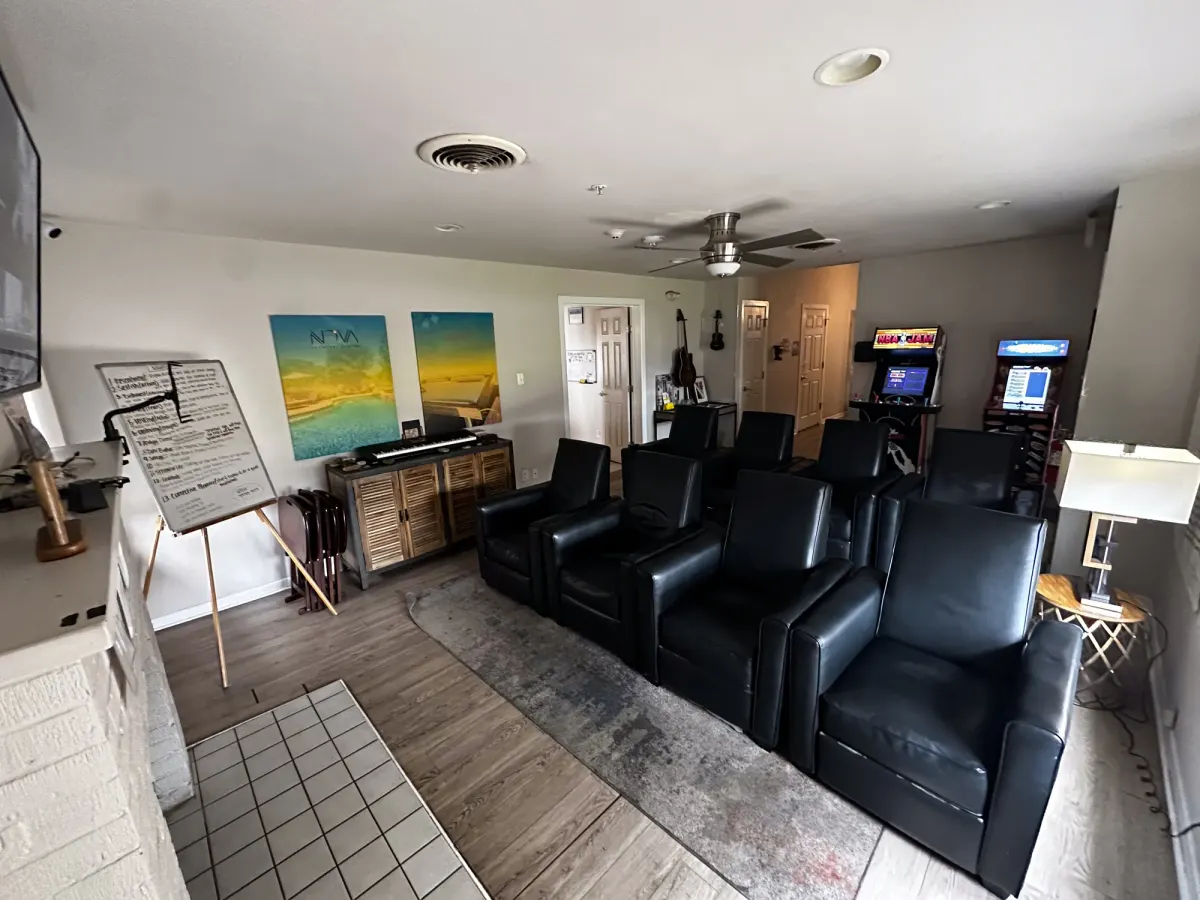 Inpatient
 Austin, TX
11711 N Lamar Blvd · 78753
- 15 beds
- On-site labs
- 24-hour medical staff
Drug & Alcohol Detox in Austin, TX
-
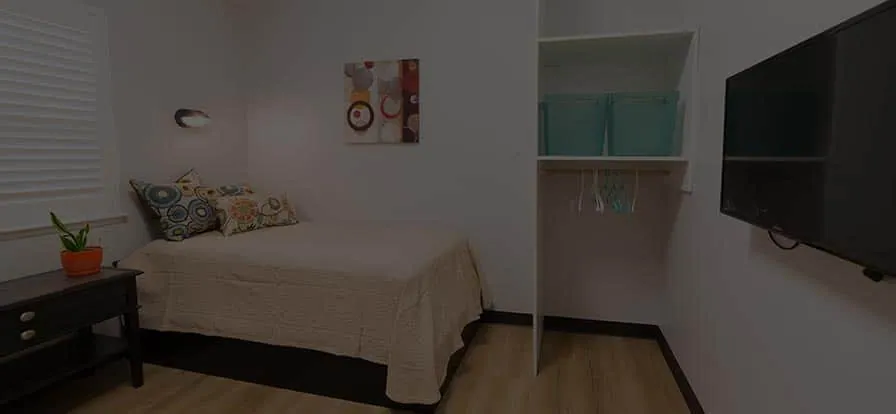 Inpatient
 Houston, TX
1019 Ashland St · 77008
- On-site labs
- 24-hour medical staff
Drug Detox Center in Houston, TX
-
 Outpatient
 San Antonio, TX
6707 W Hausman Rd · 78249
- Outpatient detox with scheduled medical visits
- Outpatient treatment
Outpatient Drug & Alcohol Detox in San Antonio
Continuing Care and Relapse Prevention
Residential treatment is just the beginning of recovery. The transition from treatment back to daily life is when many individuals relapse. Strong aftercare planning is essential when your daughter is struggling with cocaine addiction. Ask detailed questions about discharge planning from day one.
Ready to talk to someone now? Briarwood Detox Center's admissions team is here 24/7, and every call is confidential. Call (866) 710-7710.Ask: "When does discharge planning begin, and what does it include?" Planning should start during the admission process, not days before discharge. It should address housing, ongoing therapy, support group connections, and strategies for managing high-risk situations.
Inquire about step-down options: "Do you offer or coordinate outpatient programs after residential treatment?" The continuum of care—from residential to partial hospitalization to intensive outpatient to standard outpatient—allows for gradual reintegration while maintaining clinical support.
Ask about alumni programming: "What ongoing support do you provide after discharge?" Alumni groups, ongoing check-ins, and access to clinical staff for brief consultations help maintain connection to the recovery community and provide safety nets during difficult periods.
Practical Considerations
Beyond clinical questions, practical matters affect treatment accessibility and completion. Address these logistics when touring treatment facilities to avoid surprises that could disrupt your daughter's care.
Ask about insurance: "Do you accept our insurance, and what will our out-of-pocket costs be?" Get specific numbers for deductibles, co-insurance, and any services not covered. Verify benefits independently with your insurance company.
Inquire about length of stay: "What is your recommended treatment duration for cocaine addiction?" Research shows 90 days of treatment produces better outcomes than 30 days. Be skeptical of facilities that rush toward discharge based on insurance coverage rather than clinical readiness.
Ask about amenities honestly: "What are the living conditions and daily schedule?" While luxury amenities don't determine treatment quality, basic comfort, nutritious food, and structured daily programming matter for engagement and wellbeing.
Red Flags to Watch For
As you ask questions during facility tours, certain responses should raise concerns. A facility that cannot clearly articulate their treatment approach, becomes defensive about credentials, or makes unrealistic promises about success rates may not provide quality care.
Be wary of facilities that discourage family involvement or lack transparency about their methods. Addiction treatment is a collaborative process. You deserve clear answers to every question you ask when touring treatment facilities for your daughter's cocaine addiction.
Similarly, avoid programs that rely primarily on 12-step programming without evidence-based clinical therapies. While peer support is valuable, it's not a substitute for professional treatment by trained clinicians.
Making Your Decision
After touring multiple facilities and asking these questions, trust both the data you've gathered and your instincts. Your daughter needs a place where she feels safe enough to be vulnerable, challenged enough to grow, and supported enough to build lasting recovery skills.
Compare answers across facilities. Which staff members connected with you? Which programs demonstrated true expertise in cocaine addiction treatment? Which facility's approach aligned with your daughter's needs and your family's values?
Remember that the most expensive program isn't automatically the best, nor is the closest one necessarily the right fit. Clinical quality, specialized expertise in stimulant addiction, and a comprehensive approach to your daughter's whole person should guide your choice.
If you're evaluating treatment options for your daughter's cocaine addiction, Briarwood Detox Center welcomes your questions and offers tours where you can see our clinical approach firsthand. Contact us to discuss how our medically supervised detox and evidence-based treatment can support your daughter's recovery journey.
Frequently Asked Questions
What can help cocaine addiction? Evidence-based treatments for cocaine addiction include Cognitive Behavioral Therapy, contingency management, and motivational interviewing. Medical detox provides a safe environment for withdrawal management. Comprehensive treatment addresses co-occurring mental health disorders, teaches relapse prevention skills, and connects individuals to ongoing support networks. Residential treatment followed by intensive outpatient care produces the best long-term outcomes for cocaine dependence. What questions to ask a rehab facility? Ask about their medical detox protocols, staff credentials, and evidence-based treatment approaches they use. Inquire about therapist-to-client ratios, dual diagnosis capabilities, and family involvement opportunities. Request details about continuing care planning, alumni support, insurance acceptance, and recommended length of stay.
Ask to see their facilities, meet staff members, and understand their daily programming structure. What is the 3 3 3 rule for addiction? The 3-3-3 rule refers to critical recovery milestones: the first 3 days, 3 weeks, and 3 months. The first 3 days involve acute withdrawal and stabilization. The first 3 weeks focus on building initial recovery skills and breaking use patterns. The first 3 months represent the highest relapse risk period when individuals transition back to daily life while establishing new routines and coping mechanisms. How to help an adult child with drug addiction?
Start by educating yourself about addiction as a medical condition, not a moral failing. Set clear, healthy boundaries while expressing love and concern. Avoid enabling behaviors like providing money or making excuses. Research quality treatment facilities and encourage professional help. Consider participating in family therapy and support groups like Al-Anon. Practice self-care and recognize that you cannot control your child's choices, only your own responses. What are the best treatments for cocaine addiction? Cognitive Behavioral Therapy has the strongest research support for cocaine addiction, helping individuals identify triggers and develop coping skills. Contingency management uses positive reinforcement to encourage abstinence.
The Matrix Model combines multiple evidence-based approaches. Medical detox manages withdrawal symptoms safely. Comprehensive treatment includes dual diagnosis care, family therapy, relapse prevention training, and connection to long-term recovery support networks. How long does cocaine detox take? Physical cocaine detox typically lasts 5-7 days, though some symptoms persist longer. The acute crash phase involves intense fatigue, increased appetite, and depression for 1-3 days. The withdrawal phase brings anxiety, irritability, and strong cravings for 1-4 weeks. Post-acute withdrawal symptoms like low energy and mood fluctuations can continue for months. Medical supervision during this period ensures safety and provides symptom management support.
Should family be involved in addiction treatment? Yes, family involvement significantly improves treatment outcomes. Addiction affects the entire family system, and healing requires addressing relationship damage and communication patterns. Family education helps loved ones understand addiction, set healthy boundaries, and avoid enabling behaviors. Joint therapy sessions provide safe spaces to rebuild trust. Family participation also gives you tools to support long-term recovery and recognize warning signs of relapse. What credentials should addiction treatment staff have? Medical directors should be board-certified in addiction medicine or psychiatry. Clinical directors need master's degrees in counseling, social work, or psychology, plus addiction specialist certification like CADC or LADC.
Therapists should hold state licensure and specialized addiction training. Nursing staff requires RN licensure with experience in psychiatric or addiction care. All staff should participate in ongoing continuing education to stay current with evidence-based practices.
Ready to Start Your Recovery in Austin?
Briarwood Detox Center offers medically supervised detox in Austin. Explore our locations, see the facility, and verify your insurance in minutes.
See our locationsRelated guides



About the people behind this guide
Anna-Grace Washington
Medical Content Writer
Anna-Grace Washington is a Medical Content Writer for Briarwood Detox Center. She holds a master’s degree in clinical psychology from the University of Texas and brings a strong understanding of behavioral health, addiction recovery, and evidence-based treatment concepts to her writing.
Dr. Robert Ulrich, DO
Medical Director
Dr. Robert Ulrich serves as Medical Director at Briarwood Detox Center, bringing more than two decades of clinical neurology experience to the treatment of substance use disorders. He is board-certified in neurology by the American Board of Psychiatry and Neurology and completed his neurology residency at UT Southwestern Medical Center in Dallas, where he served as Chief Resident.
In network with most major insurance
Find your plan and see what detox would cost
Most plans cover medical detox. Coverage varies by plan, so we verify it for you before you commit to anything.













Don't see your plan? We work with out-of-network benefits and offer self-pay options — (866) 710-7710
- Confidential
- Takes about 2 minutes
- No obligation to admit
- Accredited The Joint Commission
- Rated 4.7 · 183 Google reviews Flourishing Foundations Recovery, now part of Briarwood
- Admissions 24 hours a day