
Guide
Cost of 30-Day Inpatient Rehab in Texas Without Insurance
Joint Commission accredited · In network with most major insurance · Admissions answered 24 hours a day


Published June 18, 2026
Reviewed and updated July 29, 2026
If you don't have insurance coverage, a 30-day inpatient rehab program in Texas typically costs between $5,000 and $30,000, with an average around $20,000 to $25,000 for standard residential treatment. High-end or luxury facilities can reach $50,000 or more for the same duration. The wide range depends on the facility's amenities, location, clinical staffing ratios, and the specific services included in your treatment plan.
If you or someone you love needs more than detox, Briarwood Detox Center also provides rehab in austin texas.
These figures represent what most people face when paying out-of-pocket. Understanding the cost breakdown helps you make informed decisions about treatment, especially when addiction requires immediate intervention and waiting for insurance approval isn't realistic. Let's examine what drives these costs and how to access care regardless of your financial situation.
Does your insurance cover detox in Austin?
Find out in about 2 minutes — free, confidential, no obligation.
Verify InsuranceBreaking Down the Average Cost of a 30-Day Inpatient Rehab Program in Texas
Residential rehab programs in Texas provide 24-hour structured care in a live-in environment. The average total cost of inpatient treatment sits at approximately $56,623 per person according to state data, which translates to roughly $1,800 or more per day without insurance for comprehensive programs. However, this figure includes higher-end facilities and extended stays beyond 30 days.
For a standard 30-day stay at a mid-range facility, you're looking at daily rates between $500 and $1,000. This includes your room and board, medical monitoring, individual and group therapy, medication management, nutritional support, and case management services. Basic facilities with fewer amenities may charge $300-$500 per day, while executive or luxury programs can exceed $2,000 daily.
The cost structure typically covers these essential components:
- Medical detoxification services (if needed before or during the 30 days)
- Licensed clinical staff including therapists, counselors, and medical personnel
- Evidence-based treatment modalities such as cognitive behavioral therapy and group counseling
- Medications for withdrawal management and co-occurring mental health conditions
- Room and meals in a supervised residential setting
- Discharge planning and aftercare coordination
What Affects the Typical Cost of Inpatient Rehab Programs in Texas
Several factors determine where your treatment falls within the cost spectrum. Location plays a significant role—urban facilities in Dallas, Houston, or Austin generally charge more than rural programs due to real estate and staffing costs. The facility's accreditation status, such as Joint Commission certification, often correlates with higher prices but also indicates rigorous quality standards.
Staff-to-client ratios matter considerably. Programs with lower ratios (more staff per client) provide more individualized attention but cost more to operate. A facility with one counselor for every six clients will charge substantially more than one with ratios of 1:15 or higher.
Amenities and accommodation quality create another pricing tier. Standard facilities offer shared rooms, basic meals, and essential therapeutic services. Mid-range programs might include semi-private rooms, fitness facilities, and holistic therapies like yoga or acupuncture. Luxury rehabs feature private suites, gourmet meals, spa services, and recreational activities—amenities that drive costs upward but don't necessarily improve clinical outcomes.
How to Pay for a 30-Day Inpatient Rehab Program Without Insurance Coverage
Lacking insurance doesn't mean treatment is impossible. Several payment pathways exist for uninsured Texans seeking inpatient rehab. Understanding these options before admission prevents financial surprises and helps you access care when you need it most.
Self-pay discounts: Many facilities offer significant reductions—often 20-40% off the standard rate—for clients who pay the full amount upfront. A $25,000 program might drop to $15,000-$18,000 with self-pay rates. Always ask about this option during your initial inquiry.
Payment plans: Most reputable treatment centers work with clients on structured payment arrangements. You might pay a deposit (typically $1,000-$5,000) before admission, then monthly installments over 6-24 months for the remaining balance. These plans rarely involve credit checks or interest charges.
Sliding-scale fees: Some nonprofit and community-based programs adjust costs based on your income and family size. You'll need to provide financial documentation, but this can reduce a 30-day program cost to $5,000-$10,000 or less for qualified individuals.
State-funded programs: Texas operates substance abuse treatment through the Health and Human Services Commission. While waitlists exist, these programs offer free or extremely low-cost treatment for residents who meet income and residency requirements. The typical cost becomes minimal or zero, though amenities are basic.
Comparing 30-Day Programs to Other Inpatient Rehab Durations in Texas
While 30 days remains the traditional benchmark, treatment duration should match clinical needs rather than arbitrary timeframes. Understanding how costs scale helps you plan financially and clinically for adequate care.
A two-week (14-day) intensive program typically costs $7,000-$15,000 without insurance. These shorter stays work best for clients with strong support systems, prior treatment experience, or less severe substance dependence. However, research consistently shows that longer treatment correlates with better outcomes, particularly for opioid and alcohol dependence.
Extended programs of 60 or 90 days range from $12,000 to $60,000 depending on the facility tier. The per-day rate usually decreases with longer commitments—a 90-day stay might cost $30,000 ($333/day) versus $20,000 for 30 days ($667/day) at the same facility. Many clinicians recommend 90 days as the minimum effective treatment duration for establishing stable recovery patterns.
Three-month programs provide time to work through underlying trauma, develop coping skills, and transition gradually back to daily responsibilities. If finances allow, the additional investment often prevents costly relapses that require repeated treatment episodes.
Where we are
Detox centers across Texas
Three locations, each with its own admissions line and its own clinical team. Pick the one nearest you — or call and we will tell you which has a bed tonight.
-
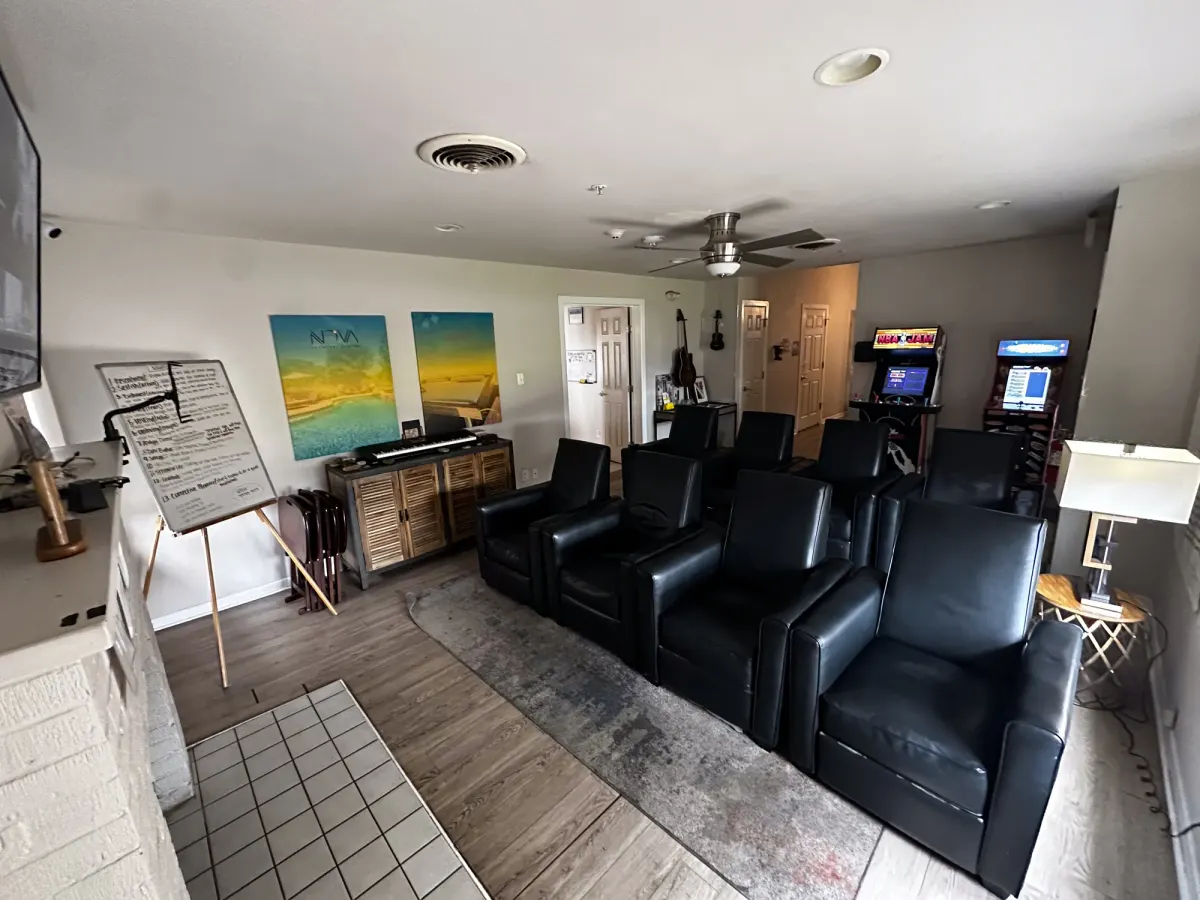 Inpatient
 Austin, TX
11711 N Lamar Blvd · 78753
- 15 beds
- On-site labs
- 24-hour medical staff
Drug & Alcohol Detox in Austin, TX
-
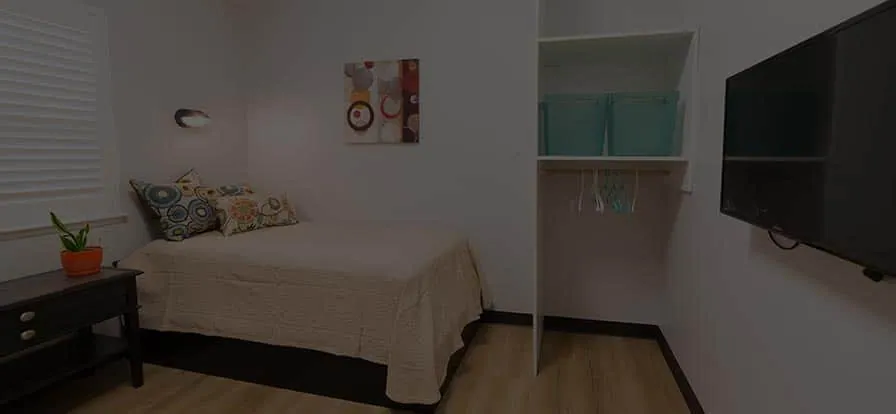 Inpatient
 Houston, TX
1019 Ashland St · 77008
- On-site labs
- 24-hour medical staff
Drug Detox Center in Houston, TX
-
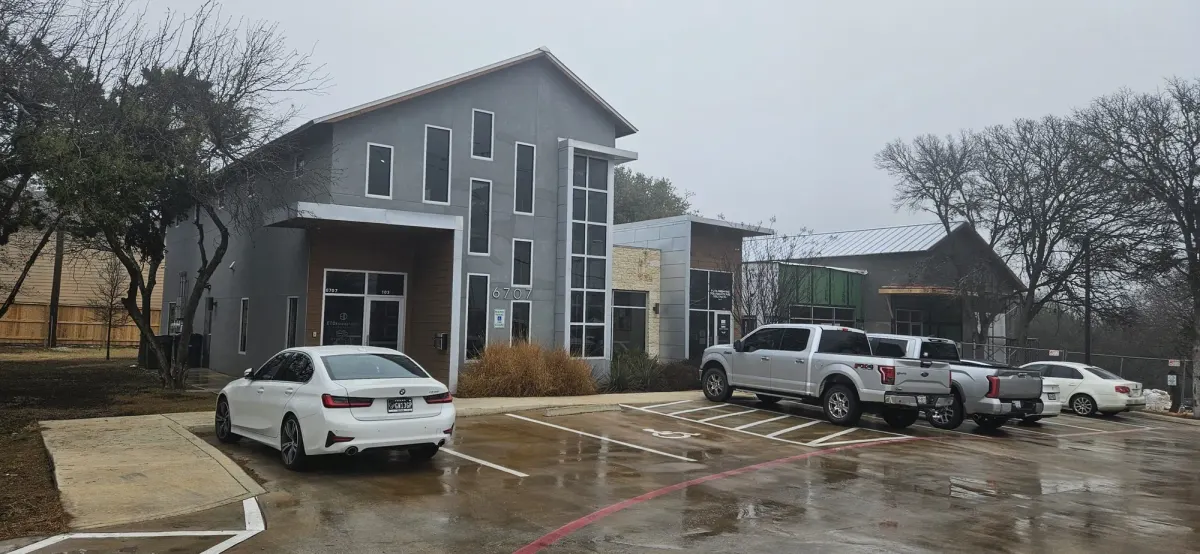 Outpatient
 San Antonio, TX
6707 W Hausman Rd · 78249
- Outpatient detox with scheduled medical visits
- Outpatient treatment
Outpatient Drug & Alcohol Detox in San Antonio
What Happens If You Can't Pay for Rehab in Texas
Financial barriers shouldn't prevent life-saving treatment. Multiple safety nets exist specifically for people who cannot afford the typical cost of inpatient rehab programs, even at reduced rates.
Texas funds treatment through the Substance Abuse Prevention and Treatment Block Grant, which allocates federal dollars to local providers. Contact your regional Mental Health and Mental Retardation Authority (now called Local Mental Health Authorities) to access these services. Wait times vary from immediate admission to several weeks depending on bed availability and your clinical urgency.
Faith-based recovery programs like Teen Challenge or Salvation Army Adult Rehabilitation Centers offer long-term residential treatment at minimal or no cost. These programs incorporate spiritual components alongside clinical care and often accept residents regardless of ability to pay. Program lengths typically extend 6-12 months.
SAMHSA's National Helpline (1-800-662-4357) provides free, confidential referrals to local treatment facilities, support groups, and community organizations. The helpline operates 24/7 and connects callers with resources specifically for uninsured individuals. Representatives understand Texas-specific programs and can direct you to facilities with immediate availability.
Ready to talk to someone now? Briarwood Detox Center's admissions team is here 24/7, and every call is confidential. Call (866) 710-7710.Medical Treatment Options Beyond Traditional Inpatient Rehab
When the cost of a 30-day inpatient rehab program exceeds your resources, consider these alternative treatment models that provide evidence-based care at lower price points.
Partial hospitalization programs (PHP) deliver intensive treatment while you live at home or in sober living housing. You attend programming 5-6 days per week for 4-6 hours daily, receiving group therapy, individual counseling, and medical monitoring. Monthly costs range from $3,000-$10,000 without insurance—substantially less than residential care while maintaining clinical intensity.
Intensive outpatient programs (IOP) require 9-12 hours weekly across 3-4 days, allowing you to maintain work or family responsibilities. These programs cost $3,000-$8,000 for a typical 8-12 week course, making them the most affordable structured treatment option. IOPs work well for motivated individuals with stable housing and low withdrawal risk.
Community health centers federally qualified under Section 330 of the Public Health Service Act provide addiction medicine services on a sliding fee scale based on income. While not residential, these centers offer medication-assisted treatment for opioid and alcohol dependence, counseling, and care coordination—critical components of recovery that don't require inpatient admission.
Getting Immediate Help at Briarwood Detox Center
Before entering any 30-day inpatient program, you'll likely need medical detoxification if you're physically dependent on alcohol, benzodiazepines, or opioids. Detox typically lasts 5-10 days and costs $1,000-$1,500 without insurance at specialized facilities.
Attempting to detox at home or skip this step to save money creates serious health risks. Alcohol and benzodiazepine withdrawal can be fatal without medical supervision. Opioid withdrawal, while rarely deadly, causes such severe discomfort that most people relapse within hours without clinical support. Professional detox uses medications to manage symptoms safely, increasing your chances of successfully transitioning into residential treatment.
The cost of detox should be viewed as a necessary medical intervention, similar to emergency room care. Many facilities bundle detox with residential treatment, spreading costs across the entire admission rather than charging separately. When evaluating programs, ask whether detox is included in the quoted price for your 30-day stay.
At Briarwood Detox Center, we understand that cost concerns shouldn't delay essential treatment. Our admissions team works with every caller to identify payment options, insurance benefits, and alternative funding sources. We offer competitive self-pay rates and payment plans designed around your financial situation. If you're ready to take the first step toward recovery, contact us today to discuss your specific needs and explore how we can help you access the care you deserve.
Frequently Asked Questions
Yes, you can absolutely go to rehab without insurance. Many facilities offer self-pay discounts, payment plans, and sliding-scale fees based on income. Texas also operates state-funded programs through local mental health authorities that provide free or low-cost treatment for residents who meet eligibility requirements. Faith-based programs and nonprofit organizations offer additional options for uninsured individuals seeking addiction treatment.
How much does a 30 day rehab cost in Texas?A 30-day rehab program in Texas typically costs between $5,000 and $30,000 without insurance, with most standard facilities averaging $20,000 to $25,000. Basic programs may charge as low as $300-$500 per day, while luxury facilities can exceed $2,000 daily. The wide range depends on amenities, location, staffing ratios, and included services. Many facilities offer self-pay discounts of 20-40% off standard rates.
How much is 3 months of rehab?Three months (90 days) of inpatient rehab in Texas costs between $12,000 and $60,000 without insurance, depending on the facility type. The per-day rate usually decreases with longer stays, so a 90-day program might average $333 per day versus $667 per day for a 30-day stay at the same facility. Extended treatment often provides better long-term outcomes and may prevent costly relapses requiring additional treatment.
What happens if you can't pay for rehab?If you cannot pay for rehab, several options exist. Texas provides state-funded treatment through local mental health authorities using federal block grant money. Faith-based programs like Teen Challenge offer long-term residential care at minimal or no cost. SAMHSA's National Helpline provides free referrals to facilities with financial assistance programs. Community health centers offer sliding-scale addiction services based on your income and family size.
Where can I get medical treatment if I don't have insurance?Uninsured individuals can access addiction treatment through federally qualified health centers that use sliding-scale fees, state-funded treatment programs administered by local mental health authorities, faith-based recovery organizations, and nonprofit addiction treatment centers. SAMHSA's National Helpline at 1-800-662-4357 connects callers with local resources specifically for uninsured people. Many private facilities also offer payment plans and self-pay discounts that make treatment accessible.
How much is 2 weeks of rehab?A two-week (14-day) intensive inpatient program typically costs $7,000 to $15,000 without insurance in Texas. These shorter stays work best for people with strong support systems, previous treatment experience, or less severe substance dependence. However, clinical research shows that longer treatment durations generally correlate with better recovery outcomes, particularly for individuals with opioid or alcohol dependence requiring more comprehensive intervention.
How much does a week of rehab cost?One week of inpatient rehab in Texas costs approximately $3,500 to $7,000 without insurance at standard facilities, though luxury programs can exceed $14,000 weekly. While seven days provides initial stabilization, it's rarely sufficient for establishing lasting recovery. Most evidence-based treatment protocols recommend a minimum of 30 days, with 90 days considered optimal for addressing underlying issues and developing sustainable coping skills.
Should I choose a longer treatment program if I can afford it?If finances allow, longer treatment programs generally produce better outcomes. Research shows that 90-day programs give clients adequate time to address underlying trauma, build coping skills, and establish recovery routines. While 30 days provides a foundation, extended treatment reduces relapse rates and helps prevent the need for repeated admissions. However, 30 days of quality treatment is far better than delaying care while saving for a longer stay.
Ready to Start Your Recovery in Austin?
Briarwood Detox Center offers medically supervised detox in Austin. Explore our locations, see the facility, and verify your insurance in minutes.
See our locationsRelated guides


About the people behind this guide
Anna-Grace Washington
Medical Content Writer
Anna-Grace Washington is a Medical Content Writer for Briarwood Detox Center. She holds a master’s degree in clinical psychology from the University of Texas and brings a strong understanding of behavioral health, addiction recovery, and evidence-based treatment concepts to her writing.
Dr. Robert Ulrich, DO
Medical Director
Dr. Robert Ulrich serves as Medical Director at Briarwood Detox Center, bringing more than two decades of clinical neurology experience to the treatment of substance use disorders. He is board-certified in neurology by the American Board of Psychiatry and Neurology and completed his neurology residency at UT Southwestern Medical Center in Dallas, where he served as Chief Resident.
In network with most major insurance
Find your plan and see what detox would cost
Most plans cover medical detox. Coverage varies by plan, so we verify it for you before you commit to anything.

















Don't see your plan? We work with out-of-network benefits and offer self-pay options — (866) 710-7710
- Confidential
- Takes about 2 minutes
- No obligation to admit

- Accredited The Joint Commission
- Rated 4.7 · 183 Google reviews Flourishing Foundations Recovery, now part of Briarwood
- Admissions 24 hours a day