
Guide
Cost of 30 Days Medical Detox in Austin Without Insurance
Joint Commission accredited · In network with most major insurance · Admissions answered 24 hours a day

Published July 24, 2026
Reviewed and updated July 29, 2026
If you're asking how much does 30 days of medical detox cost in Austin without any insurance coverage, the short answer is that most people don't need 30 full days of medical detox—acute withdrawal typically lasts 5 to 10 days. Self-pay rates for medically supervised detox in Austin generally range from $1,500 to $3,000 per day for inpatient care, meaning a full week can cost $10,500 to $21,000. Extended stays beyond the acute phase may transition to outpatient or residential treatment, but true medical detox rarely extends past two weeks. Understanding what you're actually paying for—and how long you'll realistically need care—helps you plan financially and avoid surprises.
If you or someone you love needs more than detox, Briarwood Detox Center also provides alcohol rehab austin.
Why Medical Detox Rarely Lasts 30 Days
Medical detox addresses the acute withdrawal phase when your body adjusts to the absence of drugs or alcohol. For most substances, this phase is time-limited. Alcohol withdrawal peaks between 24 and 72 hours and stabilizes within 5 to 7 days. Opioid withdrawal follows a similar timeline, with symptoms cresting around day three and improving significantly by day seven. Benzodiazepines can take longer—sometimes 10 to 14 days—but even then, the period requiring 24-hour medical supervision is finite.
Does your insurance cover detox in Austin?
Find out in about 2 minutes — free, confidential, no obligation.
Verify InsuranceWhat many people call "30-day rehab" is actually a combination of a short detox stay followed by residential or outpatient treatment. Detox stabilizes your body; treatment addresses the behavioral and psychological work of recovery. If someone quotes you a 30-day price for medical detox in Austin without any insurance coverage, clarify whether that includes residential treatment or therapeutic programming beyond withdrawal management.
At Briarwood Detox Center, inpatient detox in Austin focuses exclusively on medically supervised withdrawal. Once you're stable, the clinical team helps coordinate the next level of care—whether that's outpatient counseling, a residential program, or intensive outpatient support.
What Self-Pay Rates Cover in Austin Medical Detox
When you pay out of pocket for inpatient medical detox, you're covering round-the-clock nursing care, physician oversight, medications to manage withdrawal symptoms, and a safe environment. Daily rates typically include:
- 24/7 medical monitoring: Vital signs, symptom assessment, and immediate intervention if complications arise.
- Withdrawal medications: Benzodiazepines for alcohol withdrawal, buprenorphine or comfort meds for opioids, and symptom-specific prescriptions.
- Room and board: Private or semi-private accommodations, meals, and amenities.
- Initial assessments: Lab work, medical history review, and personalized detox protocols.
- Discharge planning: Referrals, medication prescriptions, and coordination with ongoing treatment providers.
Because detox is medically intensive, the per-day cost is higher than residential treatment. You're paying for clinical expertise and safety, not just a bed. If cost is a barrier, ask about payment plans or whether the facility offers a bundled rate for an estimated stay rather than open-ended daily billing.
How Much Does 30 Days of Medical Detox Cost in Austin Without Insurance?
If you did remain in inpatient medical detox for 30 full days—uncommon but possible in complex cases involving multiple substances or co-occurring medical conditions—the self-pay cost in Austin would range from $45,000 to $90,000 based on typical daily rates. Most centers, including Briarwood Detox Center, work with patients to right-size the length of stay, because keeping someone in acute detox longer than medically necessary isn't clinically appropriate or cost-effective.
More realistically, a 7-day inpatient detox stay costs $10,500 to $21,000 without insurance. A 10-day stay for benzodiazepine or polysubstance withdrawal might reach $15,000 to $30,000. These figures reflect the intensity of care: you have a nurse checking on you every few hours, a physician adjusting your protocol daily, and pharmacological support tailored to your symptoms.
Outpatient detox, available in Austin, San Antonio, Houston, and Colorado Springs through Briarwood, costs significantly less—often one-third to one-half of inpatient rates—because you're not paying for 24-hour housing and staffing. Outpatient works well for people with mild to moderate withdrawal risk, strong home support, and no history of severe complications like seizures or delirium tremens.
Where we are
Detox centers across Texas
Three locations, each with its own admissions line and its own clinical team. Pick the one nearest you — or call and we will tell you which has a bed tonight.
-
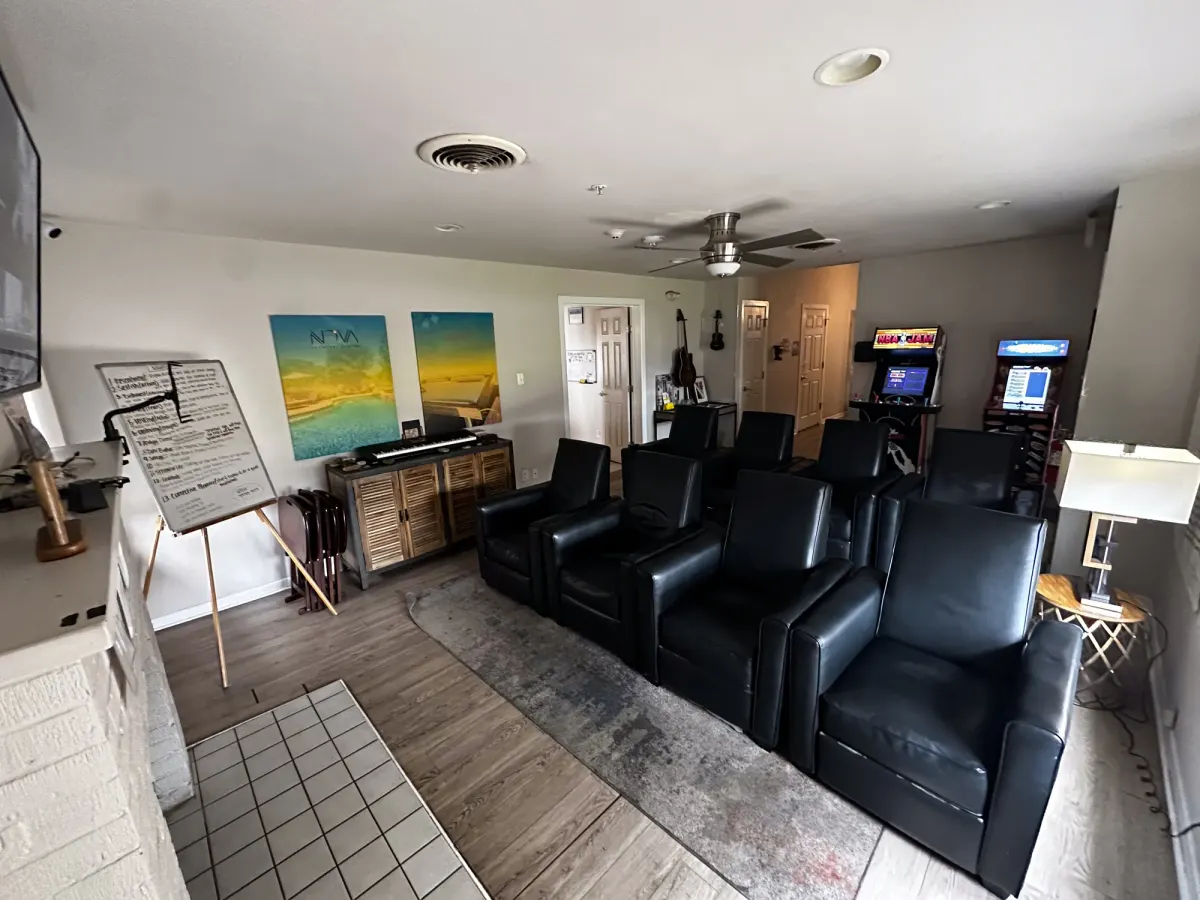 Inpatient
 Austin, TX
11711 N Lamar Blvd · 78753
- 15 beds
- On-site labs
- 24-hour medical staff
Drug & Alcohol Detox in Austin, TX
-
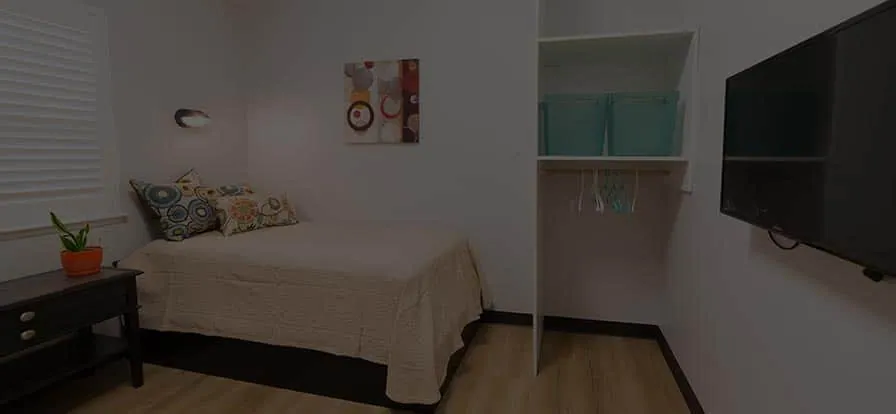 Inpatient
 Houston, TX
1019 Ashland St · 77008
- On-site labs
- 24-hour medical staff
Drug Detox Center in Houston, TX
-
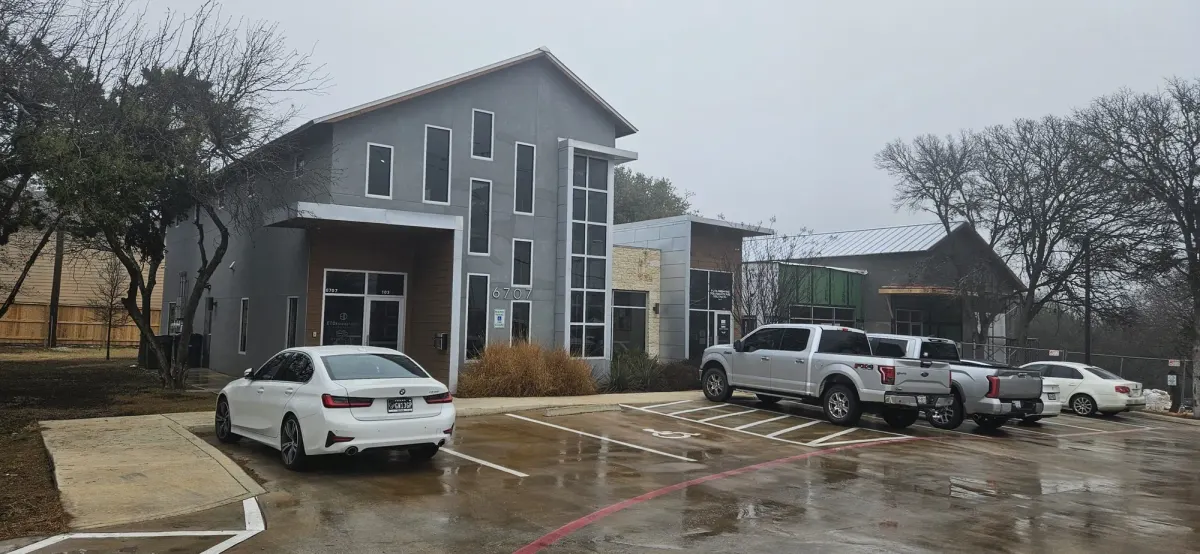 Outpatient
 San Antonio, TX
6707 W Hausman Rd · 78249
- Outpatient detox with scheduled medical visits
- Outpatient treatment
Outpatient Drug & Alcohol Detox in San Antonio
Payment Options When You Don't Have Insurance
Paying out of pocket doesn't mean you have to cover the full amount upfront. Many detox centers, including Briarwood, offer payment plans that let you spread the cost over several months. Some accept credit cards, and a few work with medical financing companies that specialize in healthcare loans with fixed interest rates.
It's also worth double-checking your insurance status. If you've recently lost coverage, you may qualify for COBRA continuation or a special enrollment period for an Affordable Care Act plan. Even short-term health insurance policies sometimes cover emergency detox admissions. Briarwood's admissions team can verify benefits and explain what portion, if any, insurance would cover versus what you'd pay self-pay.
If you're uninsured because you're between jobs, recently aged out of a parent's plan, or facing a coverage gap, ask about sliding-scale partnerships or whether the facility works with any charitable foundations. While Briarwood Detox Center is a private, for-profit organization and does not offer free or donation-based care, the team can help you explore every available financial avenue to make treatment accessible.
Factors That Influence How Long You'll Stay in Medical Detox
Your length of stay—and therefore your total cost—depends on the substance, your usage history, and your body's response to treatment. Alcohol and benzodiazepine withdrawal carry the highest medical risk, sometimes requiring longer observation. Opioid withdrawal is intensely uncomfortable but rarely life-threatening, so some patients transition to outpatient care sooner.
Other factors include:
- Polysubstance use: Mixing drugs or combining alcohol with pills complicates withdrawal and may extend your stay.
- Co-occurring conditions: Diabetes, heart disease, or psychiatric disorders require closer monitoring.
- Previous withdrawal history: If you've had seizures or delirium tremens before, the clinical team will keep you longer to prevent recurrence.
- Home environment: If you have a safe, supportive place to continue recovery, you may step down to outpatient sooner.
At Briarwood, the physician and nursing staff reassess you daily. Once your vital signs stabilize, you're sleeping and eating normally, and withdrawal symptoms are manageable with oral medications, you're typically ready to transition. The goal is the shortest medically appropriate stay, not the longest billable one.
Ready to talk to someone now? Briarwood Detox Center's admissions team is here 24/7, and every call is confidential. Call (866) 710-7710.Comparing Inpatient vs. Outpatient Detox Costs in Austin
Outpatient detox can cut costs dramatically if your clinical picture allows it. Instead of staying overnight, you visit the clinic daily or several times a week for medication management, vitals checks, and symptom monitoring. You sleep at home, which eliminates room-and-board charges. Outpatient detox in Austin typically costs $150 to $500 per visit, with a full protocol running $2,000 to $7,000 depending on frequency and duration.
Outpatient isn't suitable for everyone. High-risk alcohol withdrawal, severe benzodiazepine dependence, or lack of a safe home environment all point toward inpatient care. But for mild to moderate cases—especially opioid withdrawal managed with buprenorphine—outpatient detox offers a clinically sound, budget-friendly alternative.
Briarwood operates outpatient detox programs in Austin, San Antonio, Houston, and Colorado Springs, giving you flexibility to access care close to home. If you're weighing how much 30 days of medical detox costs in Austin without insurance, consider whether outpatient could meet your needs for a fraction of the price.
What Happens After Detox: Planning Your Next Steps
Detox clears the substance from your system and manages acute withdrawal, but it doesn't address the reasons you started using or teach you how to stay sober. Most people transition to some form of ongoing treatment—intensive outpatient, individual counseling, group therapy, or a residential program. Budgeting for detox means budgeting for what comes next, too.
If you're paying out of pocket, ask your detox center for referrals to affordable continuing care. Some outpatient programs charge on a sliding scale, and many communities offer free or low-cost mutual-support groups. Briarwood's discharge planners help you map out the next 30, 60, and 90 days so you leave with a concrete plan, not just medical stability.
Remember, the cost of not getting help—lost jobs, legal trouble, health crises—often exceeds the price of treatment. Viewing detox as an investment in your future, rather than an expense, can shift your perspective and make the financial commitment feel more manageable.
Getting an Accurate Quote for Your Situation
Because everyone's detox needs differ, the only way to know how much 30 days of medical detox costs in Austin without any insurance coverage—or, more likely, how much your actual stay will cost—is to request a personalized assessment. Reputable centers like Briarwood Detox Center offer free consultations where a clinician reviews your substance use history, medical background, and risk factors, then estimates the recommended level of care and length of stay.
During that conversation, ask for a written cost estimate that breaks down daily rates, included services, and any additional fees for labs or specialty medications. Transparency up front prevents billing surprises later. If the quote feels out of reach, discuss payment plans or alternative levels of care before you walk away. Treatment is almost always more affordable than the cumulative cost of active addiction.
If you or a loved one need help with drug or alcohol withdrawal, Briarwood Detox Center is here to provide medically supervised detox in a safe, supportive environment. Reach out today to discuss your options, verify insurance benefits, or explore self-pay pricing and payment plans.
Ready to take the next step?
Briarwood Detox Center provides medically supervised drug & alcohol detox. Call (866) 710-7710 to speak with our team today.
Frequently Asked Questions
Does medical detox really take 30 days?+–
No, acute medical detox typically lasts 5 to 10 days for most substances. Alcohol and opioid withdrawal usually resolve within a week, while benzodiazepines may take up to two weeks. What people call 30-day rehab usually combines a short detox stay with residential or outpatient treatment for behavioral and psychological recovery work.
What does self-pay medical detox cost per day in Austin?+–
Self-pay rates for inpatient medical detox in Austin generally range from $1,500 to $3,000 per day. This covers 24/7 medical monitoring, withdrawal medications, room and board, lab work, and discharge planning. Total cost depends on your length of stay, which is determined by the substance, your medical history, and how your body responds to treatment.
Can I do detox on a payment plan if I don't have insurance?+–
Yes, many detox centers including Briarwood offer payment plans that let you spread the cost over several months. Some accept credit cards or work with medical financing companies. It's worth discussing your financial situation during the admissions call so the team can help you explore every available option to make treatment accessible.
Is outpatient detox cheaper than inpatient in Austin?+–
Yes, outpatient detox typically costs one-third to one-half of inpatient rates because you're not paying for 24-hour housing and staffing. Outpatient programs usually range from $2,000 to $7,000 total and work well for mild to moderate withdrawal risk. However, high-risk cases like severe alcohol or benzodiazepine withdrawal require inpatient care for safety.
What factors make detox cost more or take longer?+–
Polysubstance use, co-occurring medical or psychiatric conditions, previous withdrawal complications like seizures, and lack of a safe home environment can all extend your stay and increase cost. Benzodiazepine and alcohol withdrawal carry higher medical risk and may require longer observation. Your detox team reassesses you daily to determine the shortest medically appropriate length of stay.
Will I need treatment after detox is finished?+–
Yes, detox addresses acute withdrawal but doesn't treat the underlying addiction. Most people transition to intensive outpatient, individual counseling, group therapy, or residential treatment after detox. Budgeting for detox means planning for continuing care, too. Briarwood's discharge planners help you map out the next steps so you leave with a concrete recovery plan.
How do I get an accurate cost estimate for my detox stay?+–
Request a free consultation with the detox center. A clinician will review your substance use history, medical background, and risk factors, then estimate the recommended level of care and length of stay. Ask for a written breakdown of daily rates, included services, and any additional fees so you can budget accurately and avoid billing surprises.
Does Briarwood Detox Center offer free or sliding-scale detox?+–
No, Briarwood Detox Center is a private, for-profit organization and does not offer free, donation-based, or sliding-scale care. However, the admissions team can verify insurance benefits, discuss payment plans, and help you explore financing options to make medically supervised detox as accessible as possible within your budget. Ready to Start Your Recovery in Austin? Struggling with How much does 30 days of medical detox cost in Austin without any insu? Briarwood Detox Center's Austin facility offers medically supervised detox. Explore our locations, see the facility, and verify your insurance in minutes. See our locations
Related guides



About the people behind this guide
Anna-Grace Washington
Medical Content Writer
Anna-Grace Washington is a Medical Content Writer for Briarwood Detox Center. She holds a master’s degree in clinical psychology from the University of Texas and brings a strong understanding of behavioral health, addiction recovery, and evidence-based treatment concepts to her writing.
Dr. Robert Ulrich, DO
Medical Director
Dr. Robert Ulrich serves as Medical Director at Briarwood Detox Center, bringing more than two decades of clinical neurology experience to the treatment of substance use disorders. He is board-certified in neurology by the American Board of Psychiatry and Neurology and completed his neurology residency at UT Southwestern Medical Center in Dallas, where he served as Chief Resident.
In network with most major insurance
Find your plan and see what detox would cost
Most plans cover medical detox. Coverage varies by plan, so we verify it for you before you commit to anything.














Don't see your plan? We work with out-of-network benefits and offer self-pay options — (866) 710-7710
- Confidential
- Takes about 2 minutes
- No obligation to admit
- Accredited The Joint Commission
- Rated 4.5 · 95 Google reviews
- Admissions 24 hours a day