
Guide
Cost Difference Between Outpatient and Inpatient Alcohol Treatment in Texas
Joint Commission accredited · In network with most major insurance · Admissions answered 24 hours a day


Published July 19, 2026
Reviewed and updated July 29, 2026
The cost difference between outpatient and inpatient treatment for alcohol addiction in Texas typically ranges from $1,000 to $2,500 for outpatient detox programs versus $3,000 to $10,000 for inpatient medically supervised detox, depending on the length of stay, level of medical care required, and whether insurance coverage applies. Outpatient detox allows you to receive withdrawal management while living at home, which eliminates room-and-board expenses. Inpatient detox provides 24/7 medical monitoring in a residential setting, which increases the base cost but delivers a higher level of clinical support during the acute withdrawal phase.
If you or someone you love needs more than detox, Briarwood Detox Center also provides rehab in austin texas.
Briarwood Detox Center’s medical alcohol detox program provides medically supervised, evidence-based care.
Why the Cost Difference Between Outpatient and Inpatient Alcohol Detox Exists
The pricing gap between these two treatment models reflects fundamental differences in infrastructure, staffing, and clinical intensity. Inpatient detox centers operate residential facilities with around-the-clock nursing coverage, emergency medical protocols, and onsite physician availability. These operational costs—utilities, food service, housekeeping, security, liability insurance for residential care—are embedded in the daily rate.
Does your insurance cover detox in Austin?
Find out in about 2 minutes — free, confidential, no obligation.
Verify InsuranceOutpatient detox operates on a scheduled-visit model. You attend clinical appointments several times per week while managing early withdrawal symptoms at home. The center doesn't bear room-and-board expenses, so the per-episode cost is lower. However, outpatient detox still includes comprehensive medical assessment, withdrawal medication management, vital-sign monitoring during visits, and crisis protocols if symptoms escalate.
Both models deliver evidence-based withdrawal care. The cost difference reflects the setting and support structure, not the clinical quality of detox itself.
Typical Inpatient Alcohol Detox Costs in Texas
Inpatient alcohol detox in Texas generally costs between $3,000 and $10,000 for a complete episode of care, which usually spans five to seven days. The final price depends on several clinical and logistical factors:
- Length of stay: Alcohol withdrawal severity varies. Someone with mild dependence may complete detox in three to five days, while severe cases requiring benzodiazepine titration and seizure precautions may need seven to ten days.
- Medical complexity: Co-occurring conditions—hypertension, diabetes, liver dysfunction, psychiatric diagnoses—require additional monitoring, lab work, and physician oversight, which increases cost.
- Facility amenities: Private rooms, enhanced nutrition programs, and concierge-style services raise the daily rate compared to semi-private accommodations.
- Geographic location: Urban centers like Austin, Houston, and San Antonio often have higher operating costs than rural facilities, which may affect pricing.
Insurance coverage significantly affects out-of-pocket expense. Many commercial plans and Medicaid programs cover medically necessary inpatient detox at in-network facilities, leaving patients responsible for deductibles, copays, or coinsurance—often a fraction of the total program cost.
Typical Outpatient Alcohol Detox Costs in Texas
Outpatient detox programs in Texas typically range from $1,000 to $2,500 for the full treatment episode. You attend structured clinical visits—usually three to five appointments per week during the first seven to ten days—while residing at home or in a supportive living environment.
The cost structure for outpatient detox includes:
- Initial medical evaluation: Comprehensive assessment of drinking history, withdrawal risk, vital signs, and lab work to establish a safe treatment plan.
- Medication management: Prescription and dispensing of FDA-approved withdrawal medications such as benzodiazepines, anticonvulsants, or adjunct therapies to manage cravings and autonomic symptoms.
- Follow-up visits: Scheduled check-ins with nursing and medical staff to monitor vitals, adjust medication dosing, and assess withdrawal progression.
- Crisis support: Access to clinical staff between visits if symptoms worsen or complications arise.
Outpatient detox works best for individuals with mild to moderate alcohol dependence, stable home environments, and no history of severe withdrawal complications like seizures or delirium tremens. Briarwood Detox Center offers outpatient detox services in Austin, San Antonio, and Houston, giving Texas residents multiple access points for this flexible treatment model.
How Insurance Affects the Cost Difference Between Outpatient and Inpatient Treatment
Insurance coverage often narrows the financial gap between outpatient and inpatient alcohol detox. Most commercial health plans, Medicare, and Medicaid programs recognize detox as a medically necessary service under mental health and substance use disorder benefits. The key variables that determine your actual out-of-pocket cost include:
- In-network versus out-of-network status: In-network providers have negotiated rates with insurers, which lower both the allowed charge and your cost-sharing. Out-of-network care may leave you responsible for the full difference between the facility's rate and the insurer's reimbursement.
- Deductible and coinsurance: If you haven't met your annual deductible, you'll pay the negotiated rate until you do. After that, coinsurance—typically 10% to 30%—applies to the remaining balance.
- Prior authorization requirements: Some plans require medical review before approving inpatient detox. Demonstrating clinical necessity—such as a history of complicated withdrawal or high CIWA-Ar scores—increases approval likelihood.
- Outpatient copays: Many plans treat outpatient detox visits like specialty medical appointments, with fixed copays of $30 to $75 per visit rather than percentage-based coinsurance.
Verifying your benefits before starting treatment is the most reliable way to understand your financial responsibility. Briarwood Detox Center works with most major insurers and can provide a benefits verification that details your coverage, cost-sharing, and any authorization steps required.
Where we are
Detox centers across Texas
Three locations, each with its own admissions line and its own clinical team. Pick the one nearest you — or call and we will tell you which has a bed tonight.
-
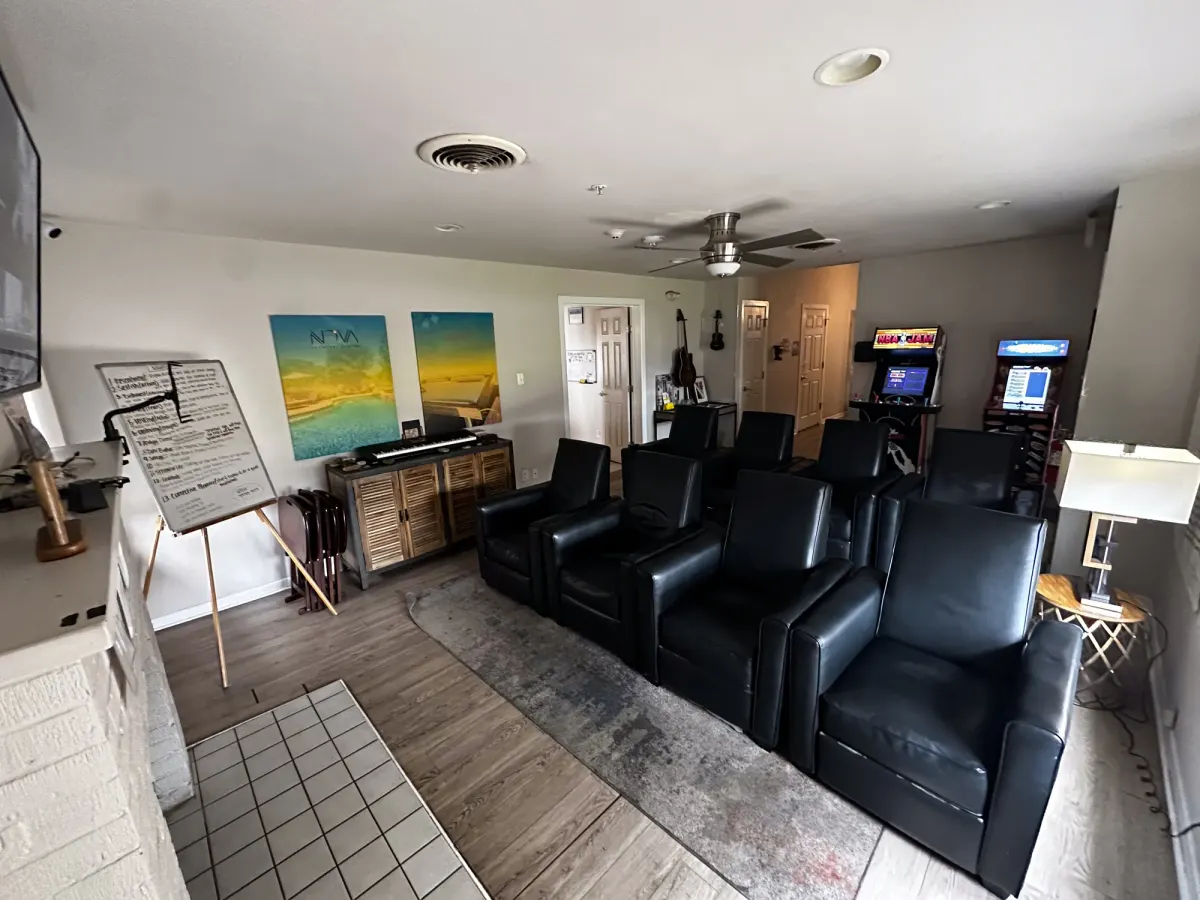 Inpatient
 Austin, TX
11711 N Lamar Blvd · 78753
- 15 beds
- On-site labs
- 24-hour medical staff
Drug & Alcohol Detox in Austin, TX
-
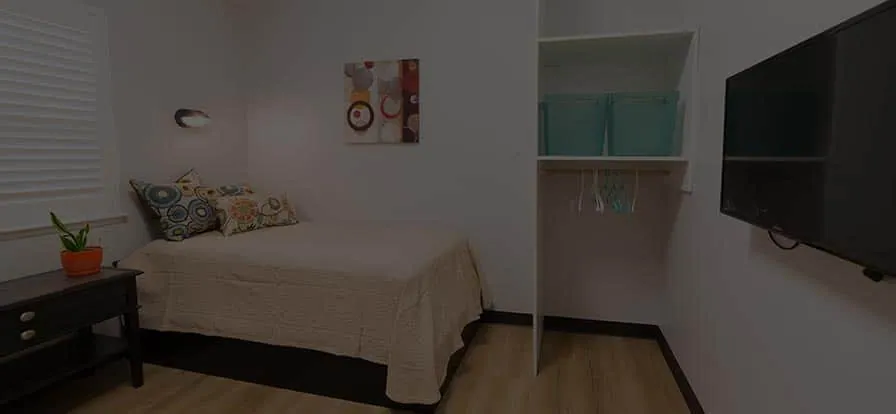 Inpatient
 Houston, TX
1019 Ashland St · 77008
- On-site labs
- 24-hour medical staff
Drug Detox Center in Houston, TX
-
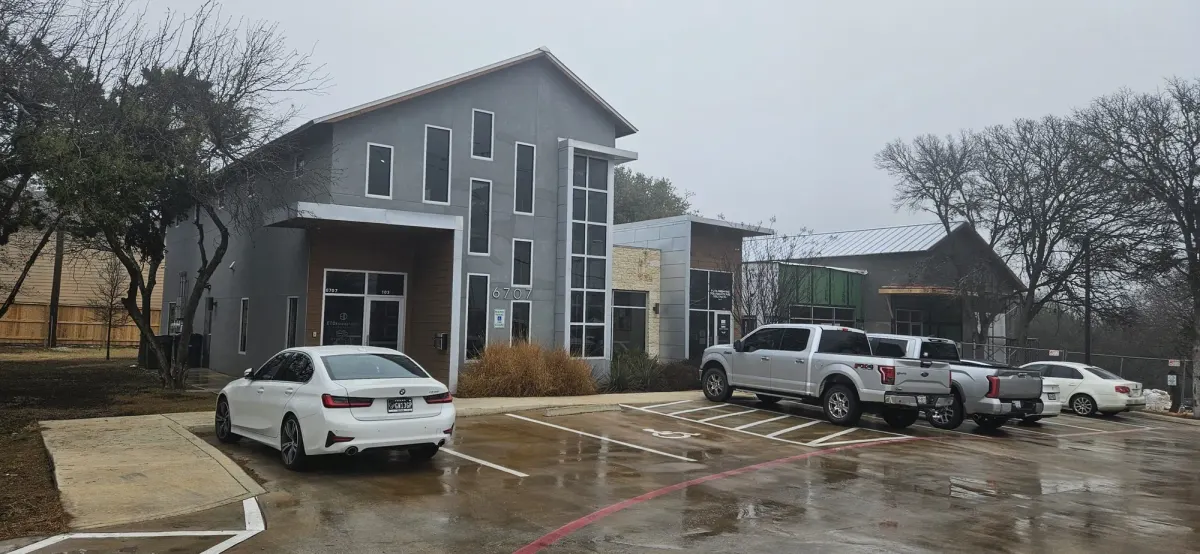 Outpatient
 San Antonio, TX
6707 W Hausman Rd · 78249
- Outpatient detox with scheduled medical visits
- Outpatient treatment
Outpatient Drug & Alcohol Detox in San Antonio
When Inpatient Detox Justifies the Higher Cost Difference
The higher cost of inpatient treatment for alcohol addiction in Texas becomes a clinical necessity—not just a preference—when withdrawal risk factors are present. Severe alcohol use disorder carries a 5% to 15% risk of complicated withdrawal, including grand mal seizures and delirium tremens, both of which can be life-threatening without immediate medical intervention.
Inpatient detox is medically indicated when you have:
- A history of alcohol withdrawal seizures or delirium tremens
- Heavy daily drinking (more than 12 standard drinks per day for men, eight for women) sustained over months or years
- Co-occurring medical conditions like cirrhosis, pancreatitis, or cardiovascular disease
- Psychiatric instability, including active suicidal ideation or severe depression
- Lack of a stable, supportive home environment or risk of immediate relapse
- Previous failed attempts at outpatient detox
In these scenarios, the 24/7 monitoring, IV hydration, rapid medication adjustments, and emergency protocols available in an inpatient setting justify the cost difference. The clinical safety margin is substantially higher, and the risk of a medical emergency requiring hospitalization is significantly reduced.
When Outpatient Detox Offers a Cost-Effective Alternative
Outpatient detox delivers medically supervised withdrawal management at a lower price point for individuals with mild to moderate alcohol dependence and favorable prognostic factors. Clinical research shows that carefully selected patients achieve similar completion rates and safety outcomes in outpatient settings compared to inpatient care, making it both a clinically sound and financially practical choice.
Ready to talk to someone now? Briarwood Detox Center's admissions team is here 24/7, and every call is confidential. Call (866) 710-7710.You may be a good candidate for outpatient alcohol detox if:
- Your drinking history is relatively short (less than five years of heavy use) or moderate in severity
- You have no prior withdrawal complications
- You score low to moderate on standardized withdrawal risk assessments
- You have a stable residence and a support person who can monitor you between visits
- You can commit to attending scheduled appointments three to five times weekly
- You have reliable transportation or telehealth access
Outpatient detox also allows you to maintain work, family, and other responsibilities during early recovery, which can reduce the indirect costs—lost wages, childcare, missed obligations—that accompany residential treatment. Briarwood Detox Center's outpatient programs in Austin, San Antonio, and Houston are designed to integrate medical detox into your existing routine while preserving clinical rigor.
Understanding Payment Options Beyond Insurance for Alcohol Detox
Even with insurance, deductibles and coinsurance can create financial barriers to starting detox. Many Texas detox centers, including Briarwood, offer payment plans that spread the out-of-pocket balance over several months, making treatment accessible without upfront lump-sum payment.
Additional financing options include:
- Health savings accounts (HSAs) and flexible spending accounts (FSAs): Pre-tax dollars in these accounts can cover detox expenses, effectively reducing the real cost by your marginal tax rate.
- Third-party medical financing: Companies specializing in healthcare loans offer credit lines with promotional interest rates, though it's important to review terms carefully.
- Family assistance: Some families choose to fund detox as an immediate intervention, recognizing that the long-term health and social costs of untreated alcohol use disorder far exceed the upfront treatment expense.
Never let cost alone prevent you from seeking medically supervised alcohol detox. Unmanaged withdrawal carries its own expenses—emergency room visits, lost productivity, legal consequences, and the cumulative damage of continued drinking—that often exceed the price of structured detox care.
Comparing Total Cost of Outpatient Versus Inpatient Alcohol Treatment Over Time
While inpatient detox has a higher initial price tag, the total cost comparison depends on treatment outcomes and the need for repeat episodes. If outpatient detox is attempted without adequate medical support or in a clinically inappropriate case, the risk of relapse, incomplete detox, or a withdrawal emergency requiring hospitalization can drive up the cumulative expense.
Conversely, choosing inpatient detox when outpatient would suffice means paying for a higher level of care than medically necessary. The key is matching the treatment setting to your individual withdrawal risk profile, which is determined through clinical assessment—not cost alone.
A thorough evaluation by a detox-trained medical team will identify which model offers the best balance of safety, efficacy, and cost-efficiency for your specific situation. Briarwood Detox Center conducts these assessments at no charge during the admissions process, ensuring you're directed to the appropriate level of care whether that's inpatient detox in Austin or outpatient services in San Antonio, Houston, or Austin.
The Cost Difference Between Outpatient and Inpatient Detox Is a Clinical Decision
Understanding the cost difference between outpatient and inpatient treatment for alcohol addiction in Texas helps you plan financially, but it should never override clinical judgment. Alcohol withdrawal is one of the few substance withdrawal syndromes that carries a mortality risk, and the appropriate setting is determined by medical factors—severity of dependence, withdrawal history, co-occurring conditions, and social stability.
Both inpatient and outpatient detox are investments in long-term health and recovery. The upfront expense is modest compared to the years of medical complications, lost productivity, strained relationships, and diminished quality of life that untreated alcohol use disorder imposes.
If you or someone you care about is struggling with alcohol dependence and needs medically supervised detox in Texas, Briarwood Detox Center is here to help you understand your options, verify your insurance benefits, and begin the withdrawal management process safely.
Ready to take the next step?
Briarwood Detox Center provides medically supervised drug & alcohol detox. Call (866) 710-7710 to speak with our team today.
Frequently Asked Questions
How much does inpatient rehab cost in Texas?+–
Inpatient alcohol detox in Texas typically costs between $3,000 and $10,000 for a five- to seven-day episode, depending on medical complexity, length of stay, and facility amenities. Insurance often covers a significant portion of this cost when the treatment is medically necessary. Long-term residential rehab programs extend beyond detox and carry different pricing structures, but Briarwood Detox Center specializes exclusively in medically supervised detoxification services.
What is the difference between inpatient and outpatient alcohol rehab?+–
Inpatient alcohol detox provides 24/7 medical supervision in a residential facility, with around-the-clock nursing care, emergency protocols, and onsite physician availability. Outpatient detox allows you to live at home while attending scheduled medical visits several times per week for withdrawal monitoring, medication management, and clinical support. The choice depends on withdrawal severity, medical history, home stability, and risk factors for complicated withdrawal.
How much is a 28 day stay at the Priory?+–
Briarwood Detox Center does not operate 28-day residential rehab programs; we specialize in medically supervised alcohol and drug detoxification, which typically lasts five to ten days. Detox is the acute withdrawal-management phase that precedes longer-term rehabilitation. Our inpatient detox services in Austin and outpatient detox in Austin, San Antonio, and Houston focus exclusively on safe withdrawal stabilization, not extended residential treatment.
What are the disadvantages of outpatient care ?+–
Outpatient detox requires a stable home environment, reliable transportation, and a support person to monitor you between visits. It is not appropriate for individuals with a history of severe withdrawal complications, high daily alcohol consumption, unstable housing, or co-occurring medical or psychiatric conditions requiring intensive monitoring. Without 24/7 supervision, the risk of relapse or unmanaged withdrawal symptoms is higher if clinical criteria aren't carefully assessed before admission.
How much is 3 months of rehab?+–
Briarwood Detox Center provides medically supervised detoxification services, not three-month residential rehab programs. Detox typically lasts five to ten days and focuses on safe withdrawal management. Extended rehabilitation programs are separate services offered by other providers. Our focus is on helping you complete the detox phase safely so you can transition to appropriate continuing care, whether that's outpatient counseling, intensive outpatient programs, or other recovery supports.
What is the 60 rule for inpatient rehab?+–
The 60% rule is a Medicare regulation for inpatient rehabilitation facilities requiring that at least 60% of patients have one of thirteen qualifying conditions, such as stroke or joint replacement. This rule does not apply to alcohol or drug detox centers like Briarwood. Medically supervised detox is classified and billed as acute substance use disorder treatment, not inpatient rehabilitation, and follows different regulatory and coverage criteria.
Is outpatient better than inpatient?+–
Neither model is universally better; the appropriate choice depends on individual withdrawal risk factors. Inpatient detox is safer for severe alcohol dependence, prior withdrawal complications, or unstable medical conditions. Outpatient detox works well for mild to moderate dependence with favorable prognostic factors and a supportive home environment. A clinical assessment determines which setting offers the best combination of safety, efficacy, and cost-efficiency for your specific situation.
How effective is outpatient rehab?+–
Outpatient alcohol detox is highly effective for appropriately selected patients, with completion rates comparable to inpatient care when clinical criteria are met. Research shows that individuals with mild to moderate dependence, no withdrawal history, stable housing, and strong social support achieve safe detox outcomes in outpatient settings. Effectiveness depends on careful patient selection, adherence to the treatment schedule, and access to medical support if symptoms escalate between visits. Ready to Start Your Recovery in Austin? Briarwood Detox Center offers medically supervised detox in Austin. Explore our locations, see the facility, and verify your insurance in minutes. See our locations
Related guides



About the people behind this guide
Anna-Grace Washington
Medical Content Writer
Anna-Grace Washington is a Medical Content Writer for Briarwood Detox Center. She holds a master’s degree in clinical psychology from the University of Texas and brings a strong understanding of behavioral health, addiction recovery, and evidence-based treatment concepts to her writing.
Dr. Robert Ulrich, DO
Medical Director
Dr. Robert Ulrich serves as Medical Director at Briarwood Detox Center, bringing more than two decades of clinical neurology experience to the treatment of substance use disorders. He is board-certified in neurology by the American Board of Psychiatry and Neurology and completed his neurology residency at UT Southwestern Medical Center in Dallas, where he served as Chief Resident.
In network with most major insurance
Find your plan and see what detox would cost
Most plans cover medical detox. Coverage varies by plan, so we verify it for you before you commit to anything.


















Don't see your plan? We work with out-of-network benefits and offer self-pay options — (866) 710-7710
- Confidential
- Takes about 2 minutes
- No obligation to admit

- Accredited The Joint Commission
- Rated 4.7 · 183 Google reviews Flourishing Foundations Recovery, now part of Briarwood
- Admissions 24 hours a day