
Guide
What Happens to Your Brain and Body During Benzodiazepine Withdrawal at a Medical Detox Center in Austin
Joint Commission accredited · In network with most major insurance · Admissions answered 24 hours a day


Published May 16, 2026
Reviewed and updated July 29, 2026
Why Benzodiazepine Withdrawal Is Different from Other Drugs
The Timeline of Benzodiazepine Withdrawal Symptoms
The exact timeline of benzodiazepine withdrawal symptoms depends on which benzo you were taking, how long you've been taking it, and your dosage. Short-acting benzos like Xanax tend to produce withdrawal symptoms faster, while longer-acting benzos like Valium may take longer to produce symptoms but the withdrawal can last for an extended period. Here's a general breakdown of what most people experience:
- 6–12 hours after last dose (short-acting benzos): Anxiety, irritability, restlessness, and trouble sleeping begin to emerge.
- 1–4 days: Peak withdrawal symptoms often arrive during this window. These can include severe anxiety, panic attacks, insomnia, tremors, sweating, nausea, and elevated heart rate and blood pressure.
- 5–14 days: The most acute physical symptoms begin to taper off, though psychological symptoms like anxiety and mood swings may remain intense.
- 2–8 weeks and beyond: Some people experience what's known as post-acute withdrawal syndrome (PAWS), which can include prolonged anxiety, difficulty concentrating, sleep disturbances, and depression that lingers for weeks or months after detox.
For long-acting benzos like Valium or Klonopin, initial symptoms might not appear until 24–48 hours after the last dose, but the overall withdrawal period can stretch considerably longer.
What Is Actually Happening in Your Brain During Benzo Withdrawal
- GABA receptor downregulation: After prolonged benzo use, your brain has actually reduced the number and sensitivity of GABA receptors. Without the drug, there simply aren't enough receptors responding to your brain's calming signals.
- Glutamate surges: Glutamate is the brain's primary excitatory neurotransmitter — the "speed up" signal. When GABA is suppressed, glutamate surges unchecked, leading to hyperexcitability throughout the central nervous system.
- Seizure risk: This hyperexcitability can reach a critical threshold and trigger seizures. Benzo withdrawal seizures can occur even in people who have never had a seizure disorder before, and they can be severe — even fatal without proper medical care.
- Emotional dysregulation: The limbic system, which governs emotions and stress responses, is heavily affected. This is why extreme fear, panic, and emotional sensitivity are hallmarks of benzo withdrawal.
- Cognitive disruption: Memory, concentration, and processing speed are often compromised during withdrawal, sometimes lasting well into the post-acute phase.
This is why attempting to quit benzodiazepines cold turkey at home is genuinely dangerous. The brain needs structured, medical support to safely recalibrate.
Where we are
Detox centers across Texas
Three locations, each with its own admissions line and its own clinical team. Pick the one nearest you — or call and we will tell you which has a bed tonight.
-
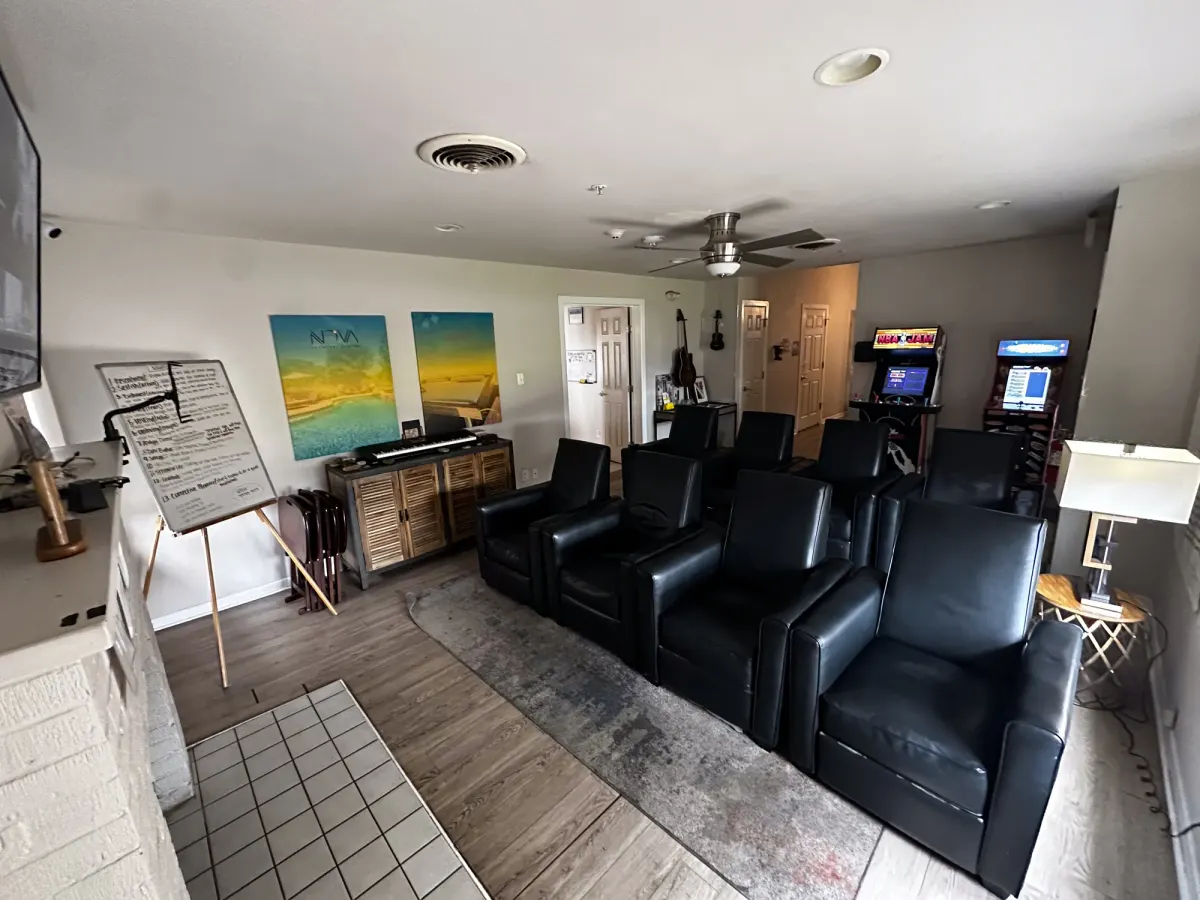 Inpatient
 Austin, TX
11711 N Lamar Blvd · 78753
- 15 beds
- On-site labs
- 24-hour medical staff
Drug & Alcohol Detox in Austin, TX
-
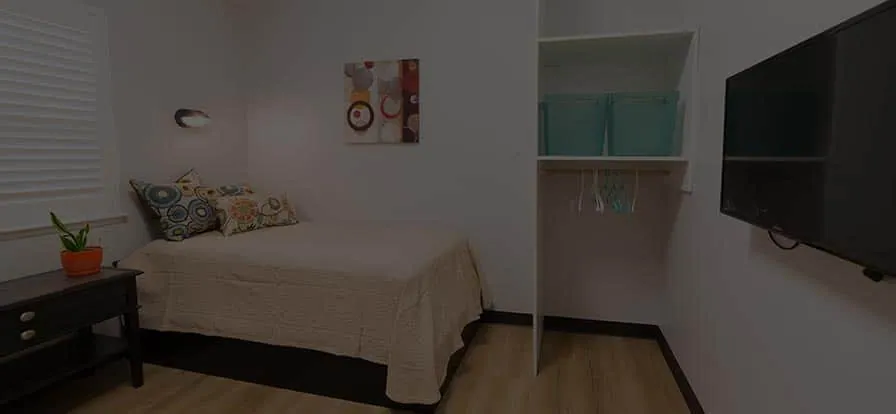 Inpatient
 Houston, TX
1019 Ashland St · 77008
- On-site labs
- 24-hour medical staff
Drug Detox Center in Houston, TX
-
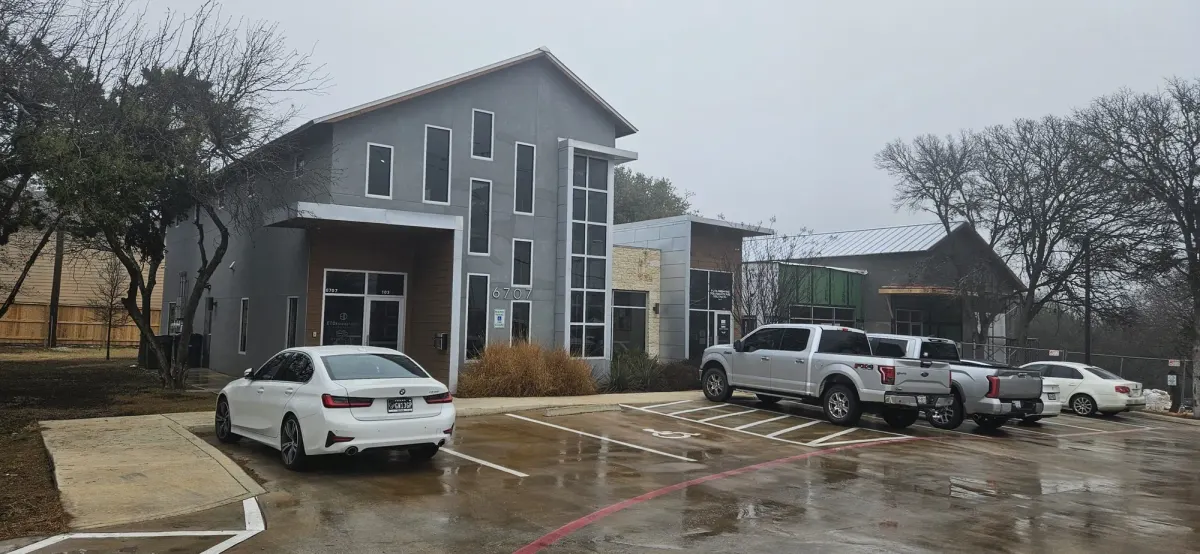 Outpatient
 San Antonio, TX
6707 W Hausman Rd · 78249
- Outpatient detox with scheduled medical visits
- Outpatient treatment
Outpatient Drug & Alcohol Detox in San Antonio
Dangerous Symptoms That Require Immediate Medical Attention
Not every symptom of benzo withdrawal is a medical emergency, but some are. If you or someone you know is attempting to withdraw from benzos without professional help and experiences any of the following, seek emergency care immediately:
- Seizures or convulsions
- Hallucinations (visual, auditory, or tactile)
- Extreme confusion or delirium
- Severe chest pain or difficulty breathing
- High fever or profuse sweating combined with confusion
- Psychosis or breaks from reality
What Benzo Detox Looks Like at a Medical Detox Center in Austin
At a professional benzo detox center in Austin like Briarwood Detox Center, the goal is to make withdrawal as safe, manageable, and comfortable as possible. Here's what medically supervised detox typically involves:
- Medical assessment: Before anything begins, a medical team evaluates your health history, current medications, the type and amount of benzo you've been using, and any co-occurring conditions. This determines the safest detox protocol for you specifically.
- Tapering protocols: Rather than stopping abruptly, medical professionals typically transition you to a longer-acting benzodiazepine like Valium, then gradually reduce the dose over time. This taper approach dramatically reduces the risk of seizures and severe symptoms.
- Medication-assisted support: Additional medications may be used to manage specific symptoms — anticonvulsants to reduce seizure risk, beta-blockers for heart rate and blood pressure, and medications to help with sleep and anxiety.
- 24/7 monitoring: Your vital signs, neurological status, and overall well-being are monitored around the clock by nursing and medical staff. If something changes, the team responds immediately.
- Emotional and psychological support: Withdrawal is not just physical. Many detox programs include access to counselors, therapists, and support staff who understand what you're going through. Learn more about the therapies and holistic support available during detox at Briarwood.
- Dual diagnosis care: Many people using benzos are also dealing with anxiety disorders, PTSD, or depression that drove the original prescription. Quality detox centers address these underlying issues rather than just the physical dependence. Briarwood offers dual diagnosis support during detox to ensure your mental health needs are addressed alongside physical withdrawal.
If you're also managing dependence on alcohol or opioids alongside benzos, Briarwood's team has experience with poly-substance withdrawal and can create a coordinated plan. You can learn more about drug detox in Austin and alcohol detox in Austin on Briarwood's dedicated service pages.
What Happens After Benzo Detox Is Complete
Completing detox is a powerful milestone — but it's the beginning of recovery, not the end. Once the acute withdrawal phase is over, your brain continues to heal and rebalance for weeks and months. Many people benefit from continuing treatment after detox, including:
- Residential or inpatient treatment programs
- Intensive outpatient programs (IOP)
- Individual therapy, especially cognitive behavioral therapy (CBT) and trauma-informed care
- Support groups and peer recovery communities
- Ongoing psychiatric care for anxiety, PTSD, or other conditions that may have contributed to benzo use
Why Choose Briarwood Detox Center in Austin for Benzo Withdrawal
Briarwood Detox Center is a dedicated medical detox facility located in the Austin, Texas area, designed specifically to help people safely navigate withdrawal from alcohol, benzodiazepines, opioids, and other substances. The center offers:
- A licensed medical team available 24/7
- Evidence-based tapering and medication protocols for benzo withdrawal
- A calm, comfortable environment that supports healing rather than adding stress
- Personalized treatment plans tailored to your specific substance use history and health needs
- Connections to next-step treatment programs across Austin and the surrounding area
- Support for families navigating this process alongside their loved ones
Choosing to get help for benzodiazepine dependence is one of the most courageous decisions a person can make. The brain and body can heal — but they need the right environment and professional support to do it safely.
Conclusion: Safe Benzo Detox in Austin Starts Here
Frequently Asked Questions
How long does benzodiazepine withdrawal last?+–
The acute phase of benzo withdrawal typically lasts 1–2 weeks, but this varies depending on the specific benzo, the duration and dosage of use, and the individual's overall health. Some people experience post-acute withdrawal syndrome (PAWS), which can include lingering anxiety, insomnia, and difficulty concentrating for several weeks or even months after completing detox.
Can you die from benzodiazepine withdrawal?+–
Yes, benzo withdrawal can be life-threatening without proper medical supervision. Severe withdrawal can trigger seizures, delirium, and dangerous cardiovascular changes. This is why medically supervised detox at a professional facility is strongly recommended rather than attempting to quit benzodiazepines cold turkey at home.
What medications are used during benzo detox at a medical detox center?+–
Medical teams typically use a tapering protocol, often transitioning the patient to a longer-acting benzodiazepine like Valium before gradually reducing the dose. Additional medications may include anticonvulsants to reduce seizure risk, beta-blockers to manage heart rate and blood pressure, and sleep aids. The specific protocol is tailored to each individual's health history and needs.
Is it safe to detox from benzodiazepines at home?+–
Attempting benzo detox at home without medical supervision is not recommended and can be dangerous. The risk of seizures, hallucinations, and severe anxiety is significant, especially for people with long-term or high-dose benzo use. A medical detox center in Austin provides 24/7 monitoring and intervention to keep you safe throughout the process.
What's the difference between benzo dependence and benzo addiction?+–
Physical dependence means your body has adapted to the presence of the drug and will experience withdrawal if it's removed — this can happen even with prescribed, therapeutic use. Addiction involves compulsive drug-seeking behavior despite negative consequences. Both situations benefit from professional support, and many people seeking benzo detox are physically dependent individuals who used medication exactly as prescribed.
Does insurance cover benzo detox in Austin, Texas?+–
Many insurance plans, including Medicaid and most private insurance providers, cover medically necessary detox services. Briarwood Detox Center works with a range of insurance providers. It's best to call the admissions team at (866) 710-7710 or use the online insurance verification tool to find out specifically what your plan covers for benzo detox in Austin. Call Now: (866) 710-7710 Ready to Start Your Recovery in Austin? If you or someone you love needs more than detox, Briarwood Detox Center also provides alcohol rehab austin . Briarwood Detox Center’s benzo detox program provides medically supervised, evidence-based care. Does your insurance cover detox in Austin? Find out in about 2 minutes — free, confidential, no obligation. Verify Insurance Briarwood Detox Center offers medically supervised detox in Austin. Explore our locations, see the facility, and verify your insurance in minutes. Ready to talk to someone now? Briarwood Detox Center's admissions team is here 24/7, and every call is confidential. Call (866) 710-7710 . See our locations
Related guides


About the people behind this guide
Anna-Grace Washington
Medical Content Writer
Anna-Grace Washington is a Medical Content Writer for Briarwood Detox Center. She holds a master’s degree in clinical psychology from the University of Texas and brings a strong understanding of behavioral health, addiction recovery, and evidence-based treatment concepts to her writing.
Dr. Robert Ulrich, DO
Medical Director
Dr. Robert Ulrich serves as Medical Director at Briarwood Detox Center, bringing more than two decades of clinical neurology experience to the treatment of substance use disorders. He is board-certified in neurology by the American Board of Psychiatry and Neurology and completed his neurology residency at UT Southwestern Medical Center in Dallas, where he served as Chief Resident.
In network with most major insurance
Find your plan and see what detox would cost
Most plans cover medical detox. Coverage varies by plan, so we verify it for you before you commit to anything.

















Don't see your plan? We work with out-of-network benefits and offer self-pay options — (866) 710-7710
- Confidential
- Takes about 2 minutes
- No obligation to admit

- Accredited The Joint Commission
- Rated 4.5 · 95 Google reviews
- Admissions 24 hours a day