
Guide
How Much Does a 7-Day Medical Detox Program Cost Without Insurance in Texas?
Joint Commission accredited · In network with most major insurance · Admissions answered 24 hours a day


Published July 6, 2026
Reviewed and updated July 29, 2026
A 7-day medical detox program without insurance in Texas typically ranges from $1,500 to $5,000, depending on the level of medical supervision, medications used, facility location, and whether you choose inpatient or outpatient care. The final cost reflects the complexity of withdrawal management—substances like alcohol and benzodiazepines require closer monitoring and more intensive medication protocols than shorter-acting drugs. Most private detox centers structure pricing to include 24/7 nursing care, physician oversight, medications, meals, and accommodations for inpatient stays, or clinical visits and take-home medications for outpatient programs.
If you or someone you love needs more than detox, Briarwood Detox Center also provides drug rehab austin.
Why 7-Day Medical Detox Programs Cost What They Do
Medical detox is clinically intensive. Unlike observation-only settings, a true medical detox employs licensed physicians, registered nurses, and pharmacological interventions to suppress dangerous withdrawal symptoms and prevent complications like seizures, delirium tremens, or cardiac events. The timeline matters: seven days covers the acute withdrawal window for most substances, but cost scales with the resources deployed.
Does your insurance cover detox in Austin?
Find out in about 2 minutes — free, confidential, no obligation.
Verify InsuranceInpatient programs—where you reside at the facility—bundle room, board, continuous nursing shifts, on-call physician availability, and a controlled environment. This drives the higher end of the pricing spectrum. Outpatient detox, available in cities like San Antonio and Houston through Briarwood Detox Center, reduces overhead by allowing you to detox at home while attending daily or twice-daily clinic appointments for medication management and symptom checks. Outpatient care typically costs 30–50% less than inpatient, making it a practical choice for patients with stable living situations and lower-risk withdrawal profiles.
What Influences the Cost of a 7-Day Medical Detox Without Insurance?
Several clinical and operational variables determine what you'll pay out-of-pocket for a 7-day medical detox program in Texas:
- Substance and withdrawal severity: Alcohol, benzodiazepines, and opioids each demand different medication protocols. Alcohol withdrawal requires benzodiazepine tapers, thiamine, and electrolyte correction; opioid detox uses buprenorphine or clonidine. More complex regimens add cost.
- Level of care: Inpatient detox in Austin provides 24/7 medical monitoring, private or semi-private rooms, meals, and on-site emergency response. Outpatient detox in San Antonio or Houston substitutes facility overhead with scheduled clinical visits, reducing total expense.
- Medications: Generic comfort medications (ondansetron for nausea, gabapentin for anxiety) are inexpensive. Buprenorphine or long-acting injectable naltrexone increase pharmacy costs.
- Co-occurring medical conditions: Hypertension, diabetes, liver disease, or psychiatric diagnoses require additional physician consults, lab work, and tailored medication adjustments, all reflected in the final bill.
How Much Does a 7-Day Inpatient Detox Cost in Austin, Texas?
Inpatient medical detox at Briarwood Detox Center in Austin typically ranges from $3,000 to $5,000 for seven days without insurance. This includes a private or shared room, three meals daily, around-the-clock nursing, physician evaluations, all detox medications, vital-sign monitoring, and discharge planning. The facility's clinical model prioritizes safety: continuous observation catches early signs of complicated withdrawal, and on-site physicians can escalate care immediately if symptoms intensify.
Pricing transparency matters. When you call for a cost estimate, staff will ask about the substance, duration of use, previous withdrawal history, and any medical or psychiatric comorbidities. These details allow the clinical team to estimate medication needs and the appropriate nurse-to-patient ratio, which directly affects cost. Patients detoxing from polysubstance use or with prior seizure history may require one-on-one nursing, which increases the daily rate.
Inpatient care suits individuals who lack stable housing, have attempted outpatient detox unsuccessfully, or face high medical risk during withdrawal. The controlled environment removes access to substances and provides immediate intervention if complications arise—value that justifies the higher out-of-pocket expense.
How Much Does a 7-Day Outpatient Detox Cost in San Antonio and Houston?
Outpatient medical detox through Briarwood Detox Center in San Antonio or Houston generally costs $1,500 to $3,000 for a seven-day program without insurance. You attend the clinic daily or every other day for physician check-ins, vital-sign assessments, medication dispensing, and symptom reviews. Between visits, you detox at home with family or peer support, following a structured medication schedule and symptom-management plan provided by the clinical team.
Outpatient pricing excludes room and board, which accounts for the lower cost. You're responsible for transportation, meals, and a safe living environment. The model works well for patients with mild-to-moderate withdrawal risk, reliable social support, and the ability to attend scheduled appointments. It's particularly effective for opioid detox using buprenorphine, which can be initiated and stabilized over a week of outpatient visits, or alcohol detox for patients without seizure history or severe dependence.
The trade-off is autonomy versus oversight. Outpatient detox demands personal accountability—you must take medications as prescribed, avoid substance use, and report worsening symptoms promptly. Patients who struggle with impulse control or live in high-risk environments may benefit more from inpatient care, even at higher cost.
Where we are
Detox centers across Texas
Three locations, each with its own admissions line and its own clinical team. Pick the one nearest you — or call and we will tell you which has a bed tonight.
-
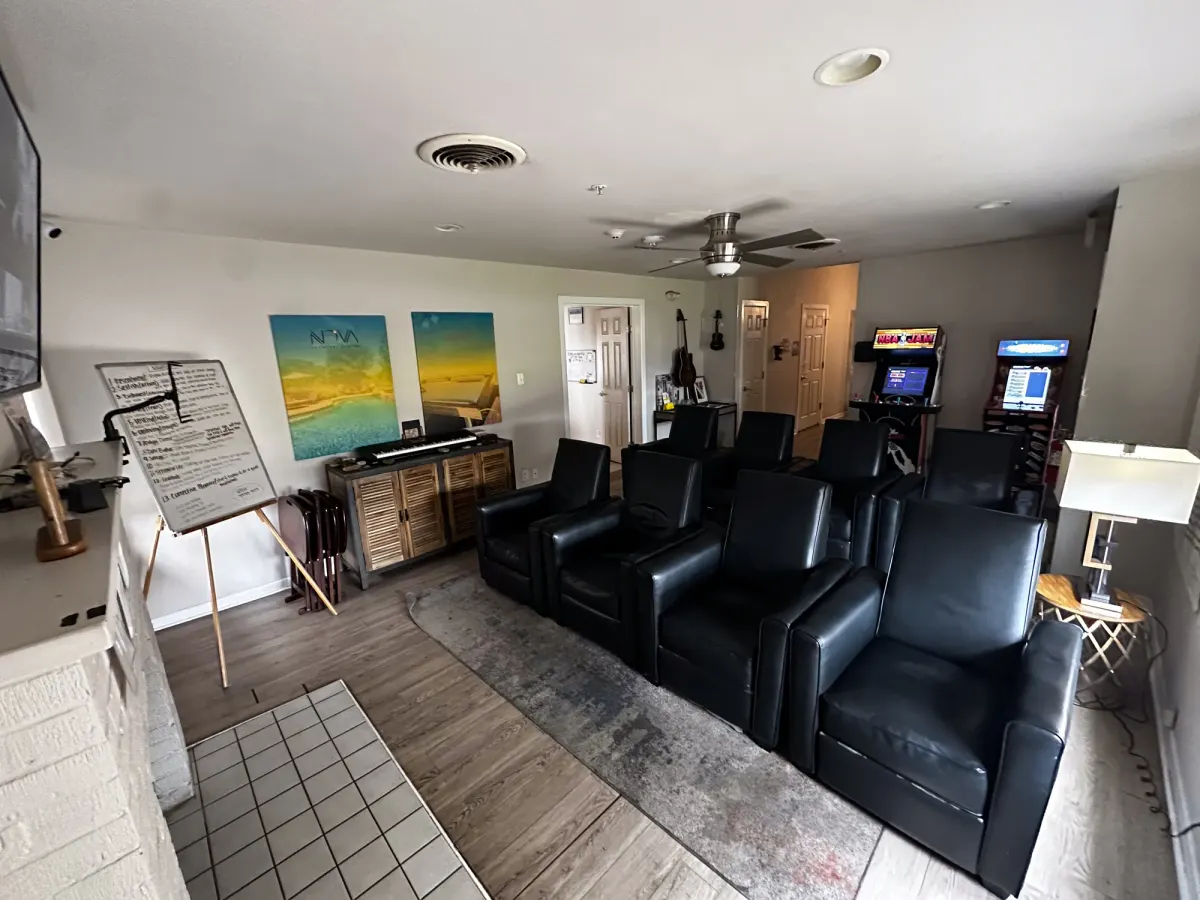 Inpatient
 Austin, TX
11711 N Lamar Blvd · 78753
- 15 beds
- On-site labs
- 24-hour medical staff
Drug & Alcohol Detox in Austin, TX
-
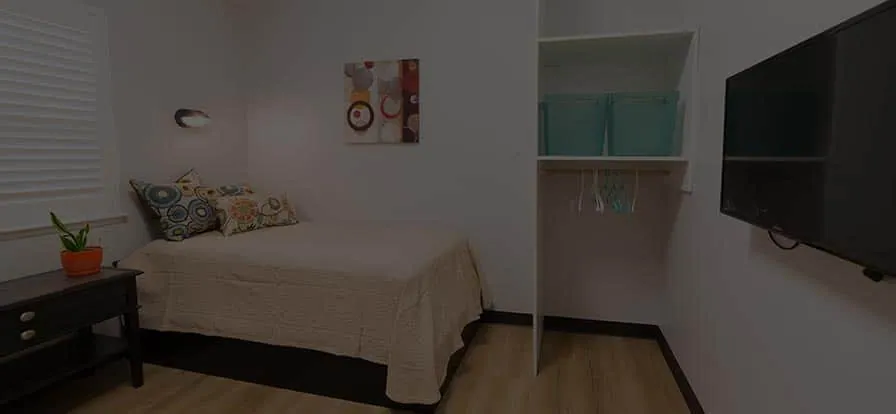 Inpatient
 Houston, TX
1019 Ashland St · 77008
- On-site labs
- 24-hour medical staff
Drug Detox Center in Houston, TX
-
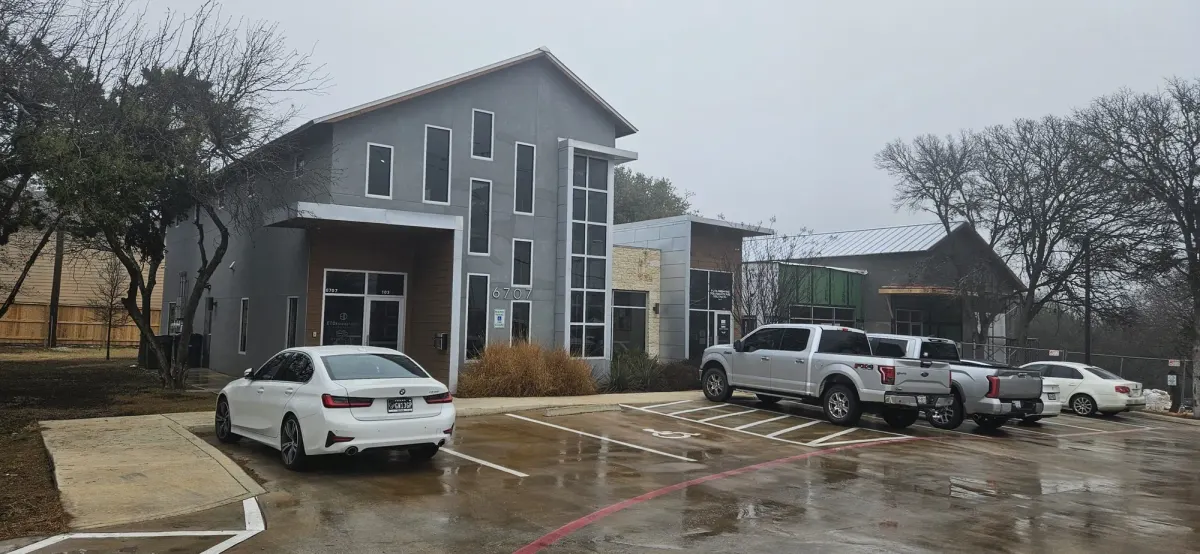 Outpatient
 San Antonio, TX
6707 W Hausman Rd · 78249
- Outpatient detox with scheduled medical visits
- Outpatient treatment
Outpatient Drug & Alcohol Detox in San Antonio
Payment Options When You Don't Have Insurance
Paying out-of-pocket for a 7-day medical detox program in Texas doesn't mean paying the full amount upfront. Briarwood Detox Center offers several mechanisms to make detox accessible without insurance:
- Payment plans: Many patients arrange installment agreements, spreading the total cost over 3–12 months. Interest rates and terms vary, so ask the admissions team for specifics during your initial inquiry.
- Credit options: Third-party healthcare financing (CareCredit, Prosper Healthcare Lending) allows you to finance detox costs with fixed monthly payments. Approval depends on credit history, but these tools can bridge the gap if you lack liquid savings.
- Cash-pay discounts: Some facilities reduce the quoted rate if you pay in full before admission. Discounts of 10–20% are common, lowering a $4,000 inpatient stay to $3,200–$3,600.
- Self-pay transparency: Federal and Texas regulations encourage price transparency. Request an itemized cost estimate in writing before admission, detailing per-diem rates, medication costs, and any potential add-ons like lab work or specialist consults.
Even without insurance, you have leverage. Be direct about your budget constraints during the admissions call. Clinical staff can often recommend the most cost-effective level of care that still meets your medical needs—outpatient instead of inpatient, seven days instead of ten—without compromising safety.
What Happens If You Can't Afford the Full Cost?
Financial barriers should never prevent medically necessary detox, but options narrow when you lack insurance and can't cover private-pay rates. Texas does not offer extensive state-funded detox for adults who don't qualify for Medicaid, so most uninsured Texans rely on negotiation and creative financing.
Start by verifying whether you qualify for emergency Medicaid. Texas Medicaid eligibility is restrictive—income limits in 2026 sit at roughly 15% of the federal poverty level for adults without dependents—but emergency Medicaid can cover acute withdrawal complications if you present to a hospital. However, emergency coverage typically applies only to life-threatening episodes, not elective detox admissions.
Ready to talk to someone now? Briarwood Detox Center's admissions team is here 24/7, and every call is confidential. Call (866) 710-7710.If private detox remains unaffordable, ask the admissions team about shorter programs. A 5-day outpatient detox costs less than seven days but still provides critical medical oversight during peak withdrawal. Some patients also combine a brief 3-day inpatient stabilization (covering the highest-risk window) with outpatient follow-up, splitting costs between models.
Avoid delaying detox due to cost concerns. Untreated withdrawal can lead to emergency room visits, which are far more expensive than planned detox and offer no continuity of care. Be honest about finances early in the admissions process; staff encounter these situations daily and can help you explore every available pathway.
Why Medical Detox Is Worth the Investment
Seven days of medical detox without insurance represents a significant out-of-pocket expense, but the clinical and safety value is measurable. Medically supervised detox reduces the risk of life-threatening complications—seizures, aspiration, cardiac arrhythmias—that can occur during unsupervised withdrawal. It also increases the likelihood of completing detox and transitioning to ongoing treatment, which improves long-term recovery outcomes.
Detox is not rehabilitation. It's the physiological reset that allows your brain and body to stabilize enough to engage in therapy, rebuild routines, and address the psychological drivers of addiction. Skipping medical supervision to save money often backfires: relapse during self-detox is common, and each additional cycle of use and withdrawal can worsen future withdrawal severity (a phenomenon called kindling, especially in alcohol dependence).
When evaluating cost, consider the alternative expenses—lost wages, legal consequences, medical emergencies, repeated failed attempts. A single 7-day medical detox program, completed safely under physician care, is often less expensive than the cumulative costs of continued substance use or dangerous home withdrawal attempts.
Getting an Accurate Cost Estimate for Your Situation
Every patient's detox cost differs based on clinical needs. To receive a personalized estimate for a 7-day medical detox program without insurance in Texas, contact Briarwood Detox Center directly. During the confidential phone assessment, clinical staff will ask about:
- The substance(s) you're using and for how long
- Previous detox or withdrawal experiences
- Current medical conditions and medications
- Your living situation and support system (relevant for outpatient eligibility)
- Your budget and payment preferences
This information allows the team to recommend the safest, most cost-effective level of care and provide a written cost breakdown. Transparency is standard practice—you should never feel surprised by hidden fees or unexpected charges after admission.
If you or someone you care about is struggling with withdrawal and needs help navigating the cost of a 7-day medical detox program in Texas, Briarwood Detox Center's admissions team can walk you through your options, answer pricing questions, and verify whether insurance or payment plans can reduce your out-of-pocket expense.
Ready to take the next step?
Briarwood Detox Center provides medically supervised drug & alcohol detox. Call (866) 710-7710 to speak with our team today.
Frequently Asked Questions
How much does it cost to get a detox?+–
Detox costs range from $1,500 to $5,000 for a typical 7-day program without insurance, depending on whether you choose inpatient or outpatient care. Inpatient detox includes room, meals, and 24/7 medical monitoring, while outpatient detox involves scheduled clinic visits and at-home withdrawal management. The substance you're detoxing from, medications required, and any co-occurring medical conditions also influence the final price.
How to get medical treatment without insurance in Texas?+–
Without insurance, you can access medical detox by paying out-of-pocket, arranging a payment plan, or using healthcare financing like CareCredit. Many private detox centers in Texas offer cash-pay discounts and work with patients to create affordable payment schedules. Emergency Medicaid may cover acute complications if you qualify, but it typically doesn't fund elective detox admissions for most adults.
How much is 2 weeks of rehab?+–
Two weeks of inpatient medical detox and stabilization without insurance typically costs $6,000 to $10,000 in Texas, depending on the facility and level of care. Outpatient programs are less expensive, often $3,000 to $6,000 for two weeks. Note that detox is distinct from long-term residential rehab; detox focuses on withdrawal management, while rehab includes therapy and relapse prevention over weeks or months.
How much does rehab cost in Texas?+–
Medical detox in Texas costs $1,500 to $5,000 for 7 days without insurance. Long-term residential rehab programs, which follow detox, range from $10,000 to $30,000 for 30 days. Outpatient therapy and counseling are less expensive, often $1,000 to $5,000 per month. Costs vary by facility, services included, and whether you have insurance coverage or pay privately.
How do I detox for 7 days?+–
A 7-day detox involves either inpatient care—residing at a facility with 24/7 medical supervision—or outpatient care, where you attend daily clinic visits for medication and monitoring while detoxing at home. Physicians prescribe medications to manage withdrawal symptoms, monitor vital signs, adjust treatment as needed, and ensure safety. The process addresses acute withdrawal, preparing you for ongoing treatment or outpatient support after the seven days.
Who pays for detox?+–
Detox is paid for by private insurance, Medicaid (if eligible), out-of-pocket payments, payment plans, or healthcare financing. Many patients combine methods—using partial insurance coverage plus a payment plan for the remaining balance. Without insurance, private detox centers offer cash-pay options and work with patients to arrange affordable installment agreements or financing through third-party lenders.
What happens if I can't pay my medical bills in Texas?+–
If you can't pay medical bills in Texas, contact the provider immediately to discuss payment plans, reduced rates, or financial assistance. Many detox centers negotiate lower balances for uninsured patients or extend payment timelines. Unpaid medical debt can eventually go to collections, affecting your credit, but providers often prefer to work out arrangements rather than pursue legal action. Transparency and early communication are key.
What is the maximum amount of income to qualify for Medicaid in Texas?+–
In Texas, Medicaid eligibility for adults without dependents is extremely limited. As of 2026, income limits sit around 15% of the federal poverty level—roughly $2,500 annually for a single adult—making most working adults ineligible. Parents and pregnant women have higher thresholds. Emergency Medicaid may cover acute complications regardless of income, but it does not typically fund elective detox or rehab admissions. Ready to Start Your Recovery in Austin? Briarwood Detox Center offers medically supervised detox in Austin. Explore our locations, see the facility, and verify your insurance in minutes. See our locations
Related guides



About the people behind this guide
Anna-Grace Washington
Medical Content Writer
Anna-Grace Washington is a Medical Content Writer for Briarwood Detox Center. She holds a master’s degree in clinical psychology from the University of Texas and brings a strong understanding of behavioral health, addiction recovery, and evidence-based treatment concepts to her writing.
Dr. Robert Ulrich, DO
Medical Director
Dr. Robert Ulrich serves as Medical Director at Briarwood Detox Center, bringing more than two decades of clinical neurology experience to the treatment of substance use disorders. He is board-certified in neurology by the American Board of Psychiatry and Neurology and completed his neurology residency at UT Southwestern Medical Center in Dallas, where he served as Chief Resident.
In network with most major insurance
Find your plan and see what detox would cost
Most plans cover medical detox. Coverage varies by plan, so we verify it for you before you commit to anything.



















Don't see your plan? We work with out-of-network benefits and offer self-pay options — (866) 710-7710
- Confidential
- Takes about 2 minutes
- No obligation to admit

- Accredited The Joint Commission
- Rated 4.7 · 183 Google reviews Flourishing Foundations Recovery, now part of Briarwood
- Admissions 24 hours a day