
Guide
My Husband Refuses to Go to Rehab. What Are My Options?
Joint Commission accredited · In network with most major insurance · Admissions answered 24 hours a day

Published July 5, 2026
Reviewed and updated July 29, 2026
When your husband refuses to go to rehab, your options include staging a professional intervention, setting firm boundaries with consequences, connecting him with medical professionals who can explain withdrawal risks, exploring outpatient alternatives that feel less intimidating, and protecting yourself and your family financially and emotionally while keeping communication open. You cannot force treatment, but you can influence his environment, remove enabling behaviors, and make help accessible when he's ready.
If you or someone you love needs more than detox, Briarwood Detox Center also provides austin tx drug rehab.
Briarwood Detox Center’s family support program provides medically supervised, evidence-based care.
Why Your Husband Refuses to Go to Rehab
Understanding resistance is the first step toward navigating it. Most people who refuse treatment aren't being obstinate for no reason—they're operating under powerful psychological and physiological forces.
Does your insurance cover detox in Austin?
Find out in about 2 minutes — free, confidential, no obligation.
Verify InsuranceDenial is the most common barrier. The brain's reward system has been hijacked by substance use, and admitting the problem means confronting shame, fear of withdrawal, and the loss of a coping mechanism. Many men also carry cultural expectations about self-reliance that make asking for help feel like failure.
Fear of detox itself stops many people. Withdrawal from alcohol or benzodiazepines can be dangerous without medical supervision, and even opioid withdrawal—while rarely life-threatening—causes severe flu-like symptoms that terrify someone who's never been through it. Your husband may believe he can taper on his own, not realizing that unsupervised detox has high relapse rates and medical risks.
Practical concerns matter too: job security, health insurance questions, stigma, and not knowing what actually happens during detox. When someone says my husband refuses to go to rehab, often he's refusing an unknown that feels more dangerous than his current reality.
What You Cannot Do (And Why That Matters)
You cannot force an adult into treatment unless specific legal criteria are met. In Texas, involuntary commitment requires imminent danger to self or others, evaluated by medical and legal professionals. Most situations don't meet that threshold.
You cannot detox him at home safely. Alcohol and benzodiazepine withdrawal can cause seizures, delirium tremens, and fatal cardiac events. Opioid withdrawal, while less dangerous, causes severe dehydration, electrolyte imbalances, and psychological crisis. Even with the best intentions, you are not equipped to manage these risks.
You cannot love him into sobriety. This is perhaps the hardest truth. Your support matters enormously, but recovery requires his own decision and sustained effort. What you can do is change your responses, set boundaries, and make treatment as accessible as possible when he's ready.
Option 1: Professional Intervention
A structured intervention isn't an ambush—it's a planned conversation led by someone trained in addiction medicine or intervention facilitation. The goal is to break through denial by presenting facts, expressing concern without blame, and offering an immediate treatment option.
Effective interventions include several elements. First, a small group of people your husband trusts (not a crowd, which triggers defensiveness). Second, each person prepares specific examples of how substance use has affected them, using "I" statements. Third, you present a concrete plan: "We've verified your insurance covers medically supervised detox at Briarwood in Austin, and there's a bed available today."
The intervention should happen when he's sober enough to comprehend but not in acute withdrawal. Many families schedule it for early morning. Have a bag packed, transportation arranged, and admission pre-coordinated. When my husband refuses to go to rehab becomes "I'm ready," you need to move immediately before ambivalence returns.
Professional interventionists increase success rates significantly. They de-escalate conflict, keep the conversation focused, and know when to push versus when to give space.
Option 2: Medical Leverage and Doctor Involvement
Sometimes the message lands differently coming from a physician. If your husband has a primary care doctor, cardiologist, or gastroenterologist aware of his substance use, ask them to have a direct conversation about medical necessity.
Doctors can order labs that quantify organ damage: liver enzymes, GGT levels, cardiac markers. Seeing objective evidence—"Your ALT is five times normal"—can pierce denial in ways emotional appeals cannot. Physicians can also explain withdrawal syndrome as a medical emergency, not a personal failure, which reframes detox as healthcare rather than punishment.
If he's experiencing withdrawal symptoms—tremors, night sweats, elevated heart rate—between drinking episodes, that's physical dependence requiring medical detox. Point out that he's already in withdrawal daily; supervised detox simply makes it safer and final.
Where we are
Detox centers across Texas
Three locations, each with its own admissions line and its own clinical team. Pick the one nearest you — or call and we will tell you which has a bed tonight.
-
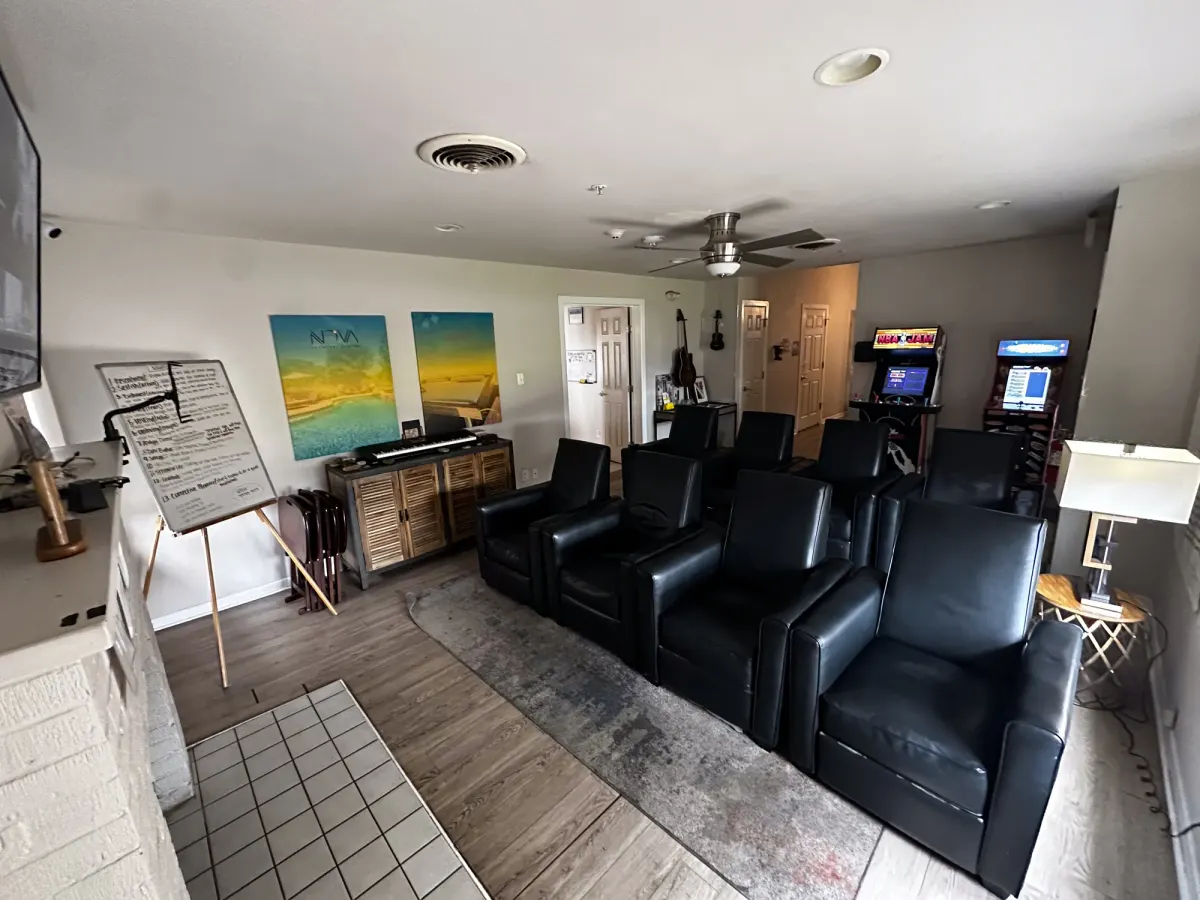 Inpatient
 Austin, TX
11711 N Lamar Blvd · 78753
- 15 beds
- On-site labs
- 24-hour medical staff
Drug & Alcohol Detox in Austin, TX
-
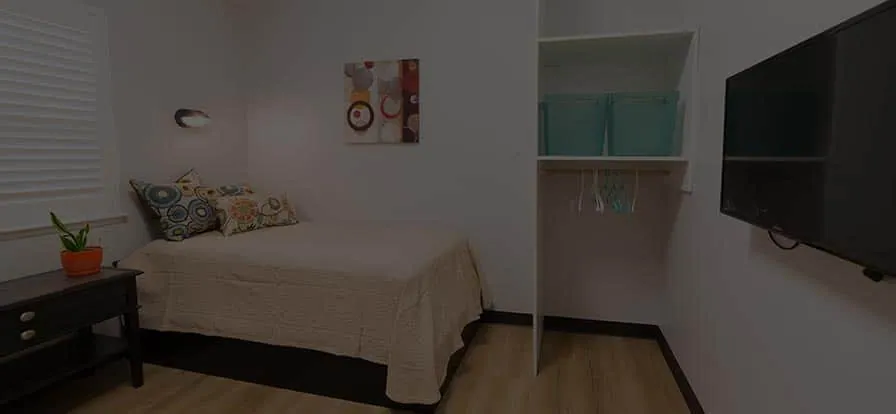 Inpatient
 Houston, TX
1019 Ashland St · 77008
- On-site labs
- 24-hour medical staff
Drug Detox Center in Houston, TX
-
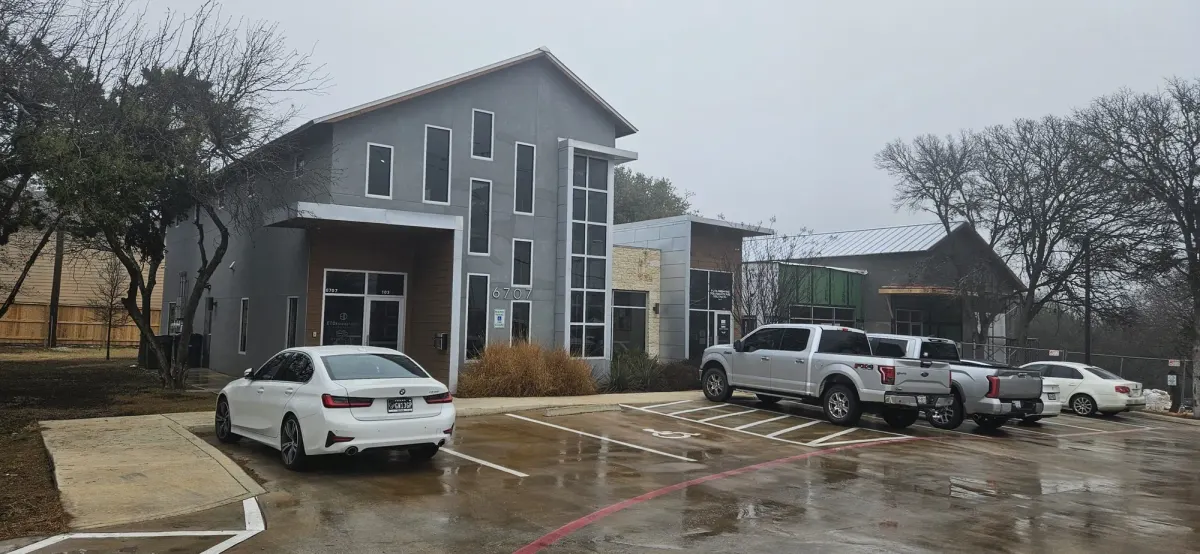 Outpatient
 San Antonio, TX
6707 W Hausman Rd · 78249
- Outpatient detox with scheduled medical visits
- Outpatient treatment
Outpatient Drug & Alcohol Detox in San Antonio
Option 3: Start With Outpatient Detox
The word "rehab" often conjures images of 30-day lockdown facilities. Many people refuse treatment because they can't (or won't) leave work, family obligations, or home for a month. When your husband refuses to go to rehab, he may be refusing inpatient residential treatment specifically.
Outpatient medical detox is less intimidating. Briarwood Detox Center offers outpatient programs in San Antonio and Houston where patients come in daily for medication, monitoring, and support but sleep at home. It's a middle ground that addresses safety while preserving some normalcy.
For alcohol or benzodiazepine detox, outpatient works when the person has a stable home environment, no history of severe withdrawal complications, and someone to monitor them overnight. Medications like gabapentin, clonidine, and anti-nausea agents manage symptoms while medical staff track vital signs and adjust protocols.
Framing detox as "getting medically stable" rather than "going to rehab" reduces resistance. It's a diagnosis-and-treatment model he may accept even if he's not ready to identify as someone who needs rehab.
Ready to talk to someone now? Briarwood Detox Center's admissions team is here 24/7, and every call is confidential. Call (866) 710-7710.Option 4: Set Boundaries With Real Consequences
Boundaries are not ultimatums designed to manipulate—they're limits you set to protect yourself and your family. When my husband refuses to go to rehab, many spouses realize they've been enabling: calling in sick for him, paying DUI fines, hiding bottles to delay the next binge, or pretending everything is fine to extended family.
Effective boundaries are specific and enforced. Examples include:
- "I will not lie to your employer or family about your substance use."
- "If you drive intoxicated with our children in the car, I will file for separation."
- "I will not use joint funds to purchase alcohol or cover legal fees related to substance use."
- "You cannot live in this house while actively using; if you refuse detox, you need to stay elsewhere."
Boundaries require you to tolerate his anger, disappointment, or escalation. They only work if you follow through every time. Many spouses find that consequences—job loss, DUI arrest, separation—become the catalyst for accepting help. You are not causing those consequences; you're stopping the patterns that prevented them.
Al-Anon and family therapy teach you to detach with love: you care about his wellbeing without taking responsibility for his choices. This shift often reduces your anxiety and, paradoxically, removes the dynamic that was enabling his denial.
Option 5: Financial and Legal Preparation
If your husband refuses to go to rehab and active addiction continues, protect your family's financial and legal stability. Consult an attorney about separating finances, ensuring your name isn't on titles for vehicles he drives intoxicated, and understanding your liability for debts he incurs.
Check your health insurance policy. Most plans cover medical detox as an essential health benefit under the Affordable Care Act and Texas parity laws. Verify in-network providers, pre-authorization requirements, and out-of-pocket costs so you can present concrete numbers: "Detox will cost us $X with insurance, not the $Y you're imagining."
Document incidents—texts, emails, police reports, medical visits—not to weaponize them, but to have a factual record if custody, divorce, or involuntary commitment proceedings become necessary. Hope for the best, prepare for the worst.
When Crisis Becomes Opportunity
Most people enter detox during or immediately after a crisis: overdose, arrest, medical emergency, or ultimatum from a spouse. When your husband refuses to go to rehab during stable periods, stay ready for the unstable ones.
Have a plan in place before the crisis. Research facilities, verify insurance, save phone numbers, and know what medically supervised detox involves so you can explain it clearly in a chaotic moment. Briarwood's inpatient detox in Austin provides 24/7 medical monitoring, withdrawal medications, and safety protocols for even the most severe dependencies.
In the immediate aftermath of a crisis—while he's in the ER, just bailed out, or after a tearful 3 a.m. conversation—he may be open for a brief window. Don't lecture; offer help. "The detox center has a bed today. I'll drive you right now." Momentum matters more than perfection.
You Are Not Alone, and This Is Not Your Fault
Addiction is a chronic medical condition involving brain chemistry, genetics, trauma, and environment. You did not cause it, you cannot control it, and you cannot cure it. That's not fatalism—it's clarity about where your power actually lies.
Your power is in setting boundaries, accessing resources, refusing to enable, and taking care of yourself and any children involved. Your power is in making medically supervised detox accessible and removing barriers when he's ready. Your power is in surviving this with your own health intact, whether he chooses recovery or not.
Support groups for families—Al-Anon, Nar-Anon, SMART Recovery Family & Friends—connect you with people navigating the same crisis. Therapy helps you process grief, fear, and resentment without judgment. You need your own recovery community as much as he needs his.
If you're in the Austin, San Antonio, or Houston area and your husband is struggling with alcohol or drug dependence, Briarwood Detox Center can help you understand your options, verify insurance coverage, and create a plan for when he's ready to begin medically supervised withdrawal. Reaching out for information isn't forcing his hand—it's preparing yourself to respond effectively when the moment comes.
Ready to take the next step?
Briarwood Detox Center provides medically supervised drug & alcohol detox. Call (866) 710-7710 to speak with our team today.
Frequently Asked Questions
What to do with an addict who refuses help?+–
Focus on setting firm boundaries, removing enabling behaviors, and making treatment accessible without forcing it. Consult with intervention professionals, verify insurance coverage for detox, and prepare for crisis moments when resistance may soften. Attend Al-Anon or family therapy to support your own mental health. You cannot control their decision, but you can control your responses and stop protecting them from the natural consequences of substance use.
Can a relationship survive rehab?+–
Yes, many relationships survive and improve after one or both partners complete treatment. Recovery requires rebuilt trust, new communication patterns, and often couples therapy. Success depends on both partners' commitment to change, ongoing support systems, and addressing underlying relationship issues that may have contributed to or resulted from substance use. However, some relationships end during recovery as people grow in different directions or discover incompatibility without substances masking problems.
What do you do when someone doesn't want to go to rehab?+–
Stop enabling behaviors, set clear boundaries with consequences, and keep communication open without lecturing. Offer less intimidating options like outpatient detox or medical assessment. Involve trusted doctors or intervention specialists who can reframe treatment as medical necessity. Prepare by verifying insurance and researching facilities so you're ready when a crisis or moment of openness occurs. Protect yourself financially and emotionally while maintaining that help is available when they're ready.
What to do if your husband refuses to go to therapy?+–
Start by asking what specifically concerns him about therapy—cost, time, stigma, or the therapist's approach. Offer alternatives like couples therapy where you attend together, online therapy for convenience, or a one-time consultation with his doctor to discuss mental health. Explain how therapy could address specific problems he's mentioned, like stress or sleep. If he continues refusing, attend individual or family therapy yourself to develop coping strategies and set healthy boundaries.
Why do addicts not want to go to rehab?+–
Fear is the primary barrier: fear of withdrawal symptoms, losing their coping mechanism, judgment from others, job loss, and confronting underlying trauma. Denial protects the ego from shame and keeps the brain's reward system intact. Practical concerns include cost misunderstandings, not knowing what happens during treatment, and believing they can quit on their own. Physical dependence also means their body needs the substance to feel normal, making sobriety seem impossible or dangerous without medical support.
How to deal with an alcoholic spouse in denial?+–
Avoid arguing about whether they have a problem; denial is a symptom of the disease, not a character flaw. Instead, set boundaries around behaviors you won't tolerate, stop covering consequences, and focus on specific incidents rather than labels. Involve their doctor to present medical evidence like lab results. Attend Al-Anon for support and strategies. When they're sober and calm, express concern using specific examples and offer to help research treatment options without demanding immediate action.
What percentage of marriages survive addiction?+–
Research shows that approximately 50-60% of marriages survive active addiction, though outcomes improve significantly when both partners engage in treatment and recovery support. Marriages where the addicted partner achieves sustained recovery have survival rates similar to or better than the general population. Key factors include the non-addicted spouse's mental health, presence of children, financial stability, severity of addiction, and whether both partners participate in therapy and support groups during and after treatment.
Should I leave my husband if he refuses detox?+–
Only you can decide, but consider safety, finances, and your mental health. If there's violence, child endangerment, or severe financial harm, separation may be necessary for protection. Some spouses find that separation with clear conditions for reconciliation (completing detox and ongoing treatment) motivates change. Others stay but establish strict boundaries. Consult a therapist and attorney to understand your options. Leaving doesn't mean you don't love him; staying doesn't mean you're enabling. Both choices are valid depending on your specific circumstances. Ready to Start Your Recovery in Austin? Briarwood Detox Center offers medically supervised detox in Austin. Explore our locations, see the facility, and verify your insurance in minutes. See our locations
Related guides


About the people behind this guide
Anna-Grace Washington
Medical Content Writer
Anna-Grace Washington is a Medical Content Writer for Briarwood Detox Center. She holds a master’s degree in clinical psychology from the University of Texas and brings a strong understanding of behavioral health, addiction recovery, and evidence-based treatment concepts to her writing.
Dr. Robert Ulrich, DO
Medical Director
Dr. Robert Ulrich serves as Medical Director at Briarwood Detox Center, bringing more than two decades of clinical neurology experience to the treatment of substance use disorders. He is board-certified in neurology by the American Board of Psychiatry and Neurology and completed his neurology residency at UT Southwestern Medical Center in Dallas, where he served as Chief Resident.
In network with most major insurance
Find your plan and see what detox would cost
Most plans cover medical detox. Coverage varies by plan, so we verify it for you before you commit to anything.



















Don't see your plan? We work with out-of-network benefits and offer self-pay options — (866) 710-7710
- Confidential
- Takes about 2 minutes
- No obligation to admit

- Accredited The Joint Commission
- Rated 4.7 · 183 Google reviews Flourishing Foundations Recovery, now part of Briarwood
- Admissions 24 hours a day