
Guide
Women-Only and Gender-Specific Detox in Texas: What Briarwood Offers in Austin, Houston and San Antonio
Joint Commission accredited · In network with most major insurance · Admissions answered 24 hours a day

Published October 17, 2026
Many women, and some men, want to know before they call whether detox will mean sharing space with the opposite sex. It is a fair question, especially for anyone with a history of trauma. This page answers it plainly for Briarwood’s three Texas locations, explains what “gender-specific” usually means, covers why gender matters medically in detox, and lists what to ask any center before you go. It also covers detox during pregnancy, which Briarwood assesses case by case.
Are there women-only detox programs in Texas?
Briarwood is not a women-only program. It treats men and women at the same locations and separates bedrooms by gender at its inpatient centers. To find women-only programs, use FindTreatment.gov or your region’s OSAR line.
“Gender-specific” can mean different things. It can mean a separate building or wing, women-only groups, or simply separate bedrooms. At Briarwood, it means men and women never share a bedroom.
If a women-only setting matters to you, ask each center directly what its version means. FindTreatment.gov is the federal locator for treatment programs. In Texas, each region’s OSAR program, the state’s free screening and referral line, can point you to state-funded options.
Source: FindTreatment.gov, Substance Abuse and Mental Health Services Administration; Outreach, Screening, Assessment and Referral, Texas Health and Human Services.
What does Briarwood offer for women?
Briarwood treats adults 18 and older, with gender-specific tracks for men and women. In practice, that means separate bedrooms by gender at the inpatient centers in Austin and Houston.
The two inpatient centers have medical staff on site 24 hours a day:
- Austin, at 11711 N Lamar Blvd, with 15 beds
- Houston, at 1019 Ashland St
In San Antonio, at 6707 W Hausman Rd, Briarwood runs outpatient detox. There are no beds there, so the bedroom question does not arise. Clients come in for scheduled medical visits, Monday to Friday, 8:00am to 10:00pm, and sleep at home.
Admissions answers 24 hours a day, in English and Spanish. If you have a question about privacy, safety or who you will be around, ask it on the first call.
Where we are
Detox centers across Texas
Three locations, each with its own admissions line and its own clinical team. Pick the one nearest you — or call and we will tell you which has a bed tonight.
-
 Inpatient
 Austin, TX
11711 N Lamar Blvd · 78753
- 15 beds
- On-site labs
- 24-hour medical staff
Drug & Alcohol Detox in Austin, TX
-
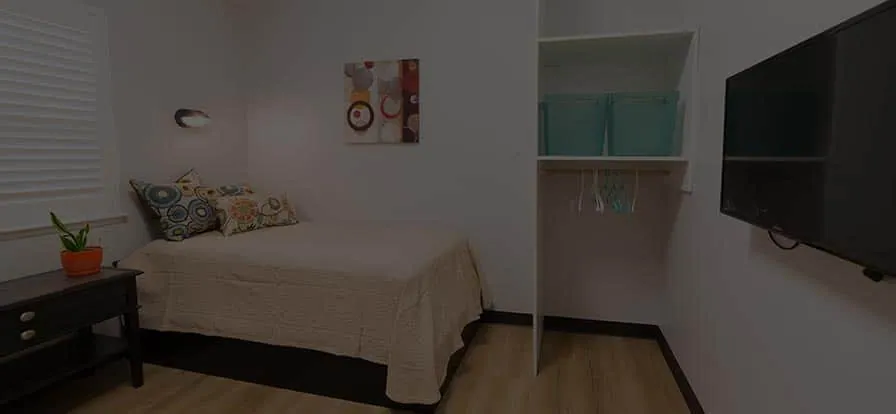 Inpatient
 Houston, TX
1019 Ashland St · 77008
- On-site labs
- 24-hour medical staff
Drug Detox Center in Houston, TX
-
 Outpatient
 San Antonio, TX
6707 W Hausman Rd · 78249
- Outpatient detox with scheduled medical visits
- Outpatient treatment
Outpatient Drug & Alcohol Detox in San Antonio
Why does gender matter in detox?
Alcohol and drugs affect women’s bodies differently. Women can be harmed by smaller amounts over shorter periods, and some withdrawal risks are higher, so a detox plan should account for it.
The National Institute on Drug Abuse sets out several differences:
- Alcohol. Long-term drinking is more likely to damage a woman’s health than a man’s, even if she has drunk less or for less time. Among people with alcohol use disorder, women’s death rates are 50 to 100 percent higher than men’s.
- Sedatives. Benzodiazepines and antidepressants send more women than men to emergency rooms, and women are more likely to die from overdoses involving mental health medicines.
- Prescription opioids. Women are more likely to misuse them to self-treat anxiety or tension, not just pain.
- Cocaine. Women may be more sensitive to its effects on the heart and blood vessels.
None of this means women need a different detox. It means the assessment should ask about the whole picture, including anxiety, trauma and mental health medicines.
Source: Sex Differences in Substance Use, Substance Use in Women Research Report, National Institute on Drug Abuse.
What should you ask a detox center about gender?
Ask exactly what “gender-specific” means there, because the term covers everything from separate bedrooms to a women-only building. A clear answer on the first call tells you a lot.
Questions worth asking:
- Do men and women share bedrooms, bathrooms or common areas?
- Are any groups or sessions single-gender?
- Is the program women-only, or does it treat men and women together?
- How does the center handle a history of trauma or abuse?
- Can I bring up a safety concern at any time, and who do I tell?
A center that cannot answer these plainly is worth a second look. The how to choose an alcohol detox or rehab page has more questions for comparing programs.
Can you detox while pregnant?
Sometimes, but not on your own. Withdrawal during pregnancy affects the baby as well, so it needs medical care. Briarwood decides case by case, after a medical screen.
The American College of Obstetricians and Gynecologists says screening, brief intervention and referral for treatment improve outcomes for pregnant women who use opioids and for their babies. The National Institute on Drug Abuse notes that regular use of opioids, alcohol or benzodiazepines in pregnancy can cause the baby to go through withdrawal after birth.
Do not stop alcohol, opioids or benzodiazepines suddenly while pregnant without a doctor’s advice. Tell admissions you are pregnant on the first call, and tell your obstetrician or prenatal clinic too, so your prenatal provider is part of the plan.
Source: Opioid Use and Opioid Use Disorder in Pregnancy, Committee Opinion 711, American College of Obstetricians and Gynecologists, 2017, reaffirmed 2026; Substance Use While Pregnant and Breastfeeding, National Institute on Drug Abuse.
Common Questions
Is Briarwood a women-only detox?+–
No. Briarwood treats men and women at the same centers, with gender-specific tracks. At the inpatient centers in Austin and Houston, men and women never share a bedroom.
How do I find a women-only detox in Texas?+–
Search FindTreatment.gov, or call your region's OSAR line for state-funded options. Ask each center what its "women-only" or "gender-specific" label actually means.
Is outpatient detox in San Antonio separated by gender?+–
San Antonio is outpatient, with no beds. Clients come in for scheduled medical visits and sleep at home.
Can I go to detox if I am pregnant?+–
Briarwood decides case by case, after a medical screen. Tell admissions you are pregnant on the first call, and do not stop alcohol, opioids or benzodiazepines suddenly without a doctor's advice.
Why does gender matter in addiction treatment?+–
Alcohol and drugs affect women's bodies differently, and some risks are higher. The National Institute on Drug Abuse reports that women with alcohol use disorder have death rates 50 to 100 percent higher than men.
Related guides



About the people behind this guide
Anna-Grace Washington
Medical Content Writer
Anna-Grace Washington is a Medical Content Writer for Briarwood Detox Center. She holds a master’s degree in clinical psychology from the University of Texas and brings a strong understanding of behavioral health, addiction recovery, and evidence-based treatment concepts to her writing.
In network with most major insurance
Find your plan and see what detox would cost
Most plans cover medical detox. Coverage varies by plan, so we verify it for you before you commit to anything.



















Don't see your plan? We work with out-of-network benefits and offer self-pay options — (866) 710-7710
- Confidential
- Takes about 2 minutes
- No obligation to admit

- Accredited The Joint Commission
- Rated 4.7 · 183 Google reviews Flourishing Foundations Recovery, now part of Briarwood
- Admissions 24 hours a day