
Guide
How to Choose an Alcohol Detox or Rehab in Austin
Joint Commission accredited · In network with most major insurance · Admissions answered 24 hours a day


Published August 26, 2026
Searching “best alcohol rehab in Austin” returns a page of companies calling themselves the best, and this page is written by one of them. So instead of a ranking, here is the thing the ranking sites cannot give you: the criteria, and an honest account of which parts we do and do not provide.
The short version: “best” is the wrong question until you know which level of care you need. That answer changes everything else.
What Level of Care Do You Actually Need?
Alcohol treatment is a sequence, not a single place, and programs sit at different points on it.
Medical detox manages withdrawal itself — the first three to seven days. For alcohol this is a genuinely medical decision, because withdrawal can escalate to seizures in the first 48 hours and delirium tremens as late as 96 hours. Heavy daily drinking, a previous bad withdrawal, or drinking to stop the shakes each point to detox first.
Residential rehab is the 30-to-90-day live-in treatment that follows. It treats the reasons behind the drinking, not the withdrawal.
Outpatient programs — IOP and PHP — are structured treatment while living at home, usually after one of the first two.
Sober living is structured, alcohol-free housing that bridges treatment and ordinary life.
A program that is excellent at one of these is not automatically competent at another. That is the first thing to establish about any facility: which of these it is actually licensed to do.
What Should You Ask Any Program in Austin?
Ask these of any Austin facility, including us.
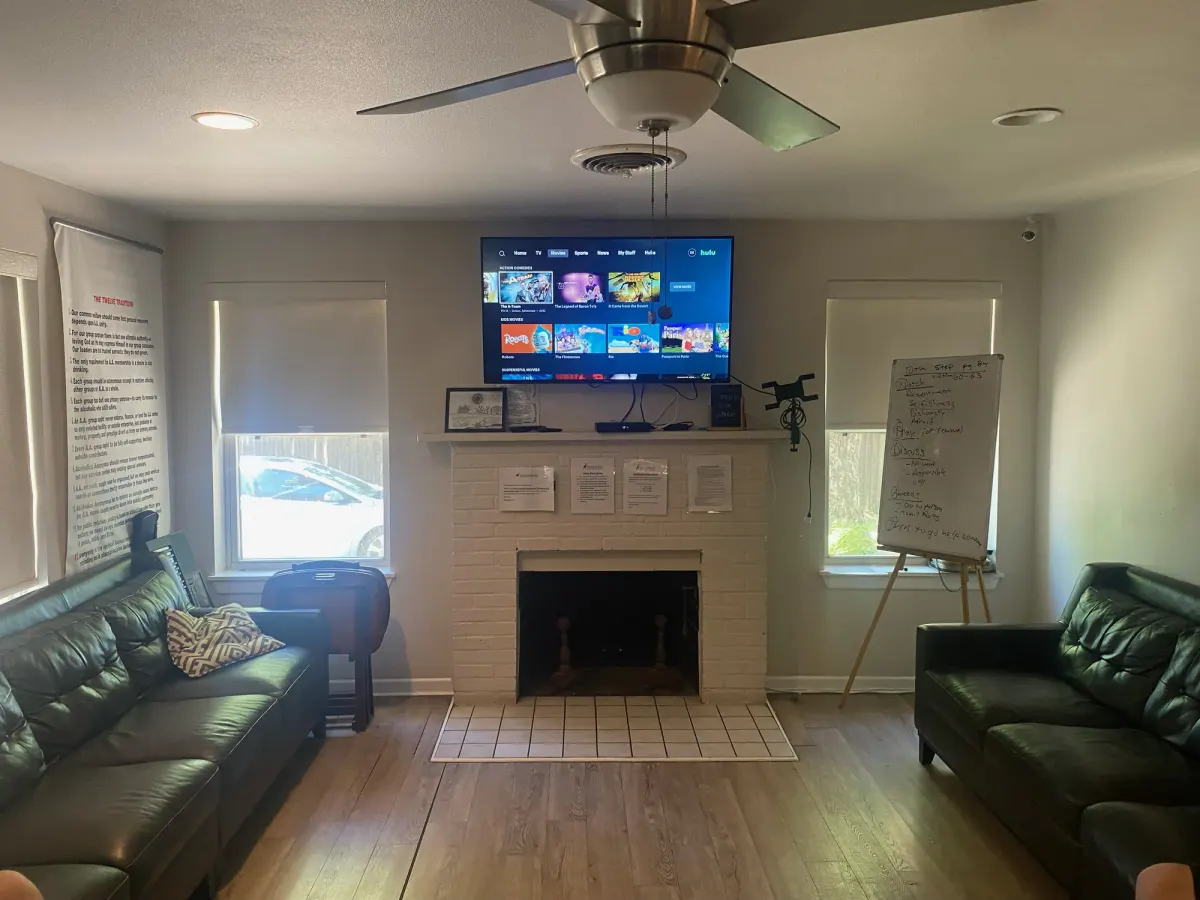
”What is your license, exactly?” Texas licenses detoxification, residential treatment and outpatient services separately. A program that answers vaguely, or claims everything, deserves a follow-up call to the state licensing lookup. Briarwood’s Austin facility is licensed for medically supervised inpatient detox — that is the honest scope of what runs at 11711 N Lamar.
”Who is medically on site, and when?” For alcohol detox the answer needs to be licensed medical staff around the clock, because the dangerous hours do not schedule themselves. For outpatient programs, supervision at scheduled visits is the honest answer — a program claiming more than its model supports is telling you something.
”What happens before you quote me anything?” The right sequence is a medical assessment first, recommendations second. A program that promises a bed, a length of stay, or a total cost before asking about your drinking history, past withdrawals, and other conditions is selling, not assessing.
”Will you tell me if you’re the wrong fit?” The best predictor of an honest program is whether it names what it does not do. Ask what happens if you need a level of care they do not offer, and listen for a specific answer with a name in it.
”What exactly does my insurance cover?” The usable answer is a benefits check before admission — free, and specific to your plan — rather than “we take your insurance,” which can mean almost anything.
”Is the program accredited, and by whom?” The Joint Commission’s Gold Seal is the accreditation most Texas programs pursue; it audits safety and clinical process. Absence is not proof of a bad program, but presence is checkable — ask, then check.
Where we are
Detox centers across Texas
Three locations, each with its own admissions line and its own clinical team. Pick the one nearest you — or call and we will tell you which has a bed tonight.
-
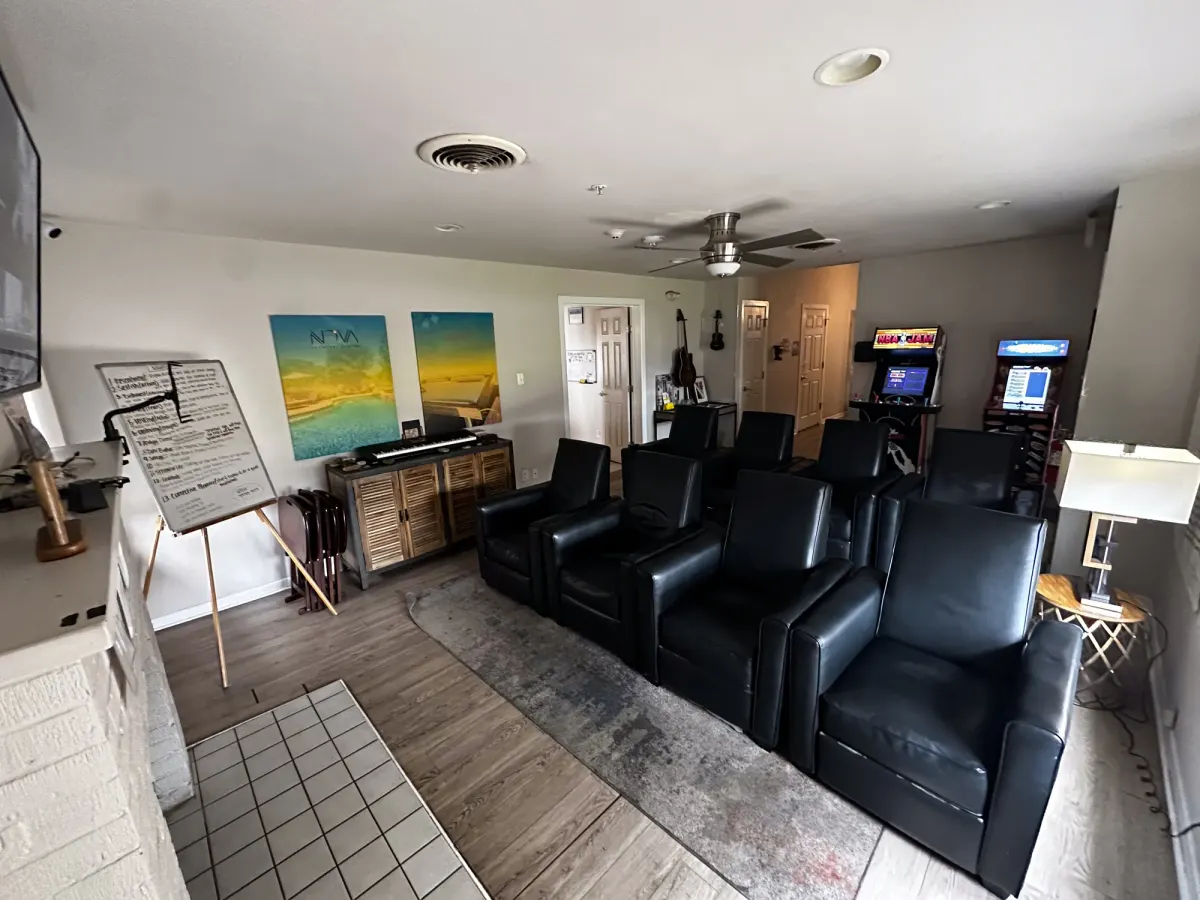 Inpatient
 Austin, TX
11711 N Lamar Blvd · 78753
- 15 beds
- On-site labs
- 24-hour medical staff
Drug & Alcohol Detox in Austin, TX
-
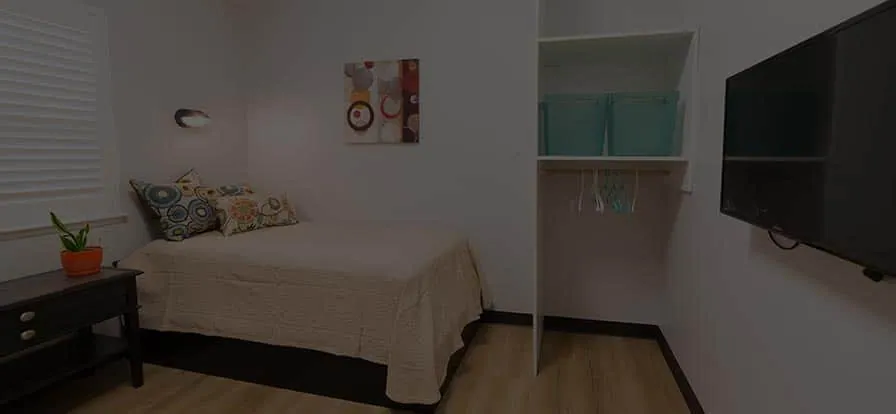 Inpatient
 Houston, TX
1019 Ashland St · 77008
- On-site labs
- 24-hour medical staff
Drug Detox Center in Houston, TX
-
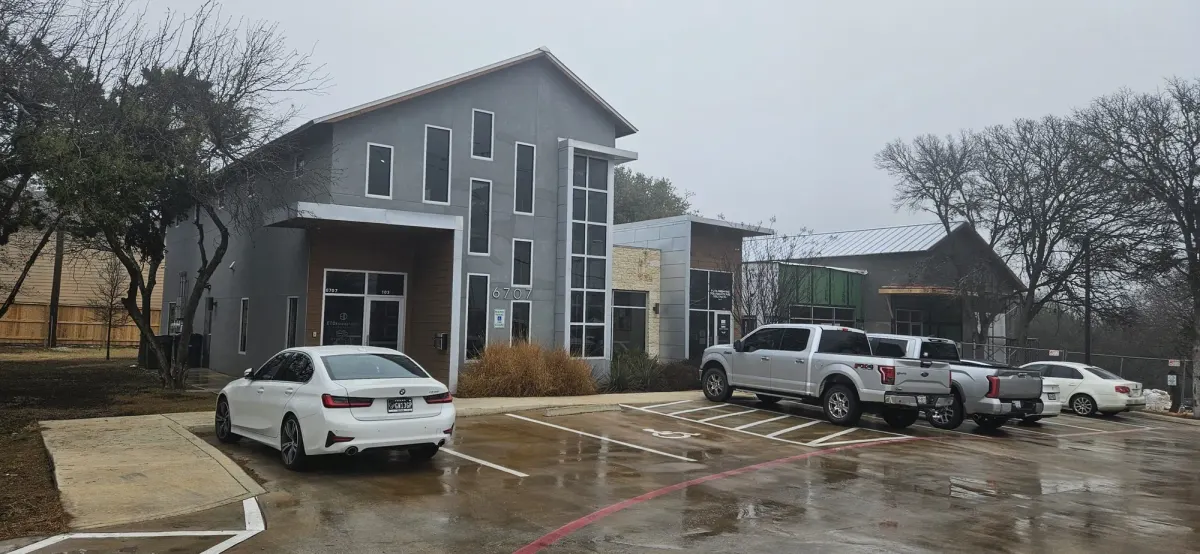 Outpatient
 San Antonio, TX
6707 W Hausman Rd · 78249
- Outpatient detox with scheduled medical visits
- Outpatient treatment
Outpatient Drug & Alcohol Detox in San Antonio
Do You Need Detox, Rehab, or Both?
Most people searching “best alcohol rehab” need detox first and rehab second, and the practical question is how the handoff works.
At Briarwood, detox is what we do: assessment, 24/7 monitoring, withdrawal medication, three to seven days for most people. We are part of a family of programs built around the sequence — residential treatment runs at Nova Recovery Center, our parent company, including a 90-day program in the Hill Country outside Austin, and sober living runs through Eudaimonia Recovery Homes. The handoff is planned during detox rather than left to a discharge-day scramble.
That is our answer to the continuity question. Whatever program you choose, ask for theirs — the gap between detox and treatment is where recoveries stall, and what comes after detox covers the options in detail.
What Does “Best” Actually Look Like?
The federal government publishes a genuinely useful, non-commercial version of this checklist: the NIAAA Alcohol Treatment Navigator explains the signs of quality care and how to verify them, with no facility to sell you. If you read one external resource before choosing, make it that one.
What it will tell you matches what the questions above are testing: licensed medical care, assessment before promises, evidence-based treatment, a plan for what comes after, and clear answers about money. Programs that clear that bar in Austin exist — more than one. The differences that matter after that are fit: location, schedule, gender-specific programming, and whether the people on the phone answered you straight.
How Does Briarwood Answer Its Own Checklist?
Fair is fair — here is this page’s author against its own criteria.
Licensed for medically supervised inpatient detox in Austin, with outpatient detox at the same North Lamar address. Licensed medical staff on site 24 hours a day. A medical and psychiatric assessment before any recommendation, and a free benefits check before any admission. The Joint Commission’s Gold Seal. Gender-specific tracks for men and women, adults 18 and older, and admissions answered around the clock in English and Spanish.
And what we do not do, in plain terms: residential rehab does not run at this building — it runs at Nova, and we will say so on the first call. If your withdrawal risk is low enough that detox is unnecessary, the assessment will say that too, and point you at outpatient treatment instead.
Common Questions
What is the best alcohol rehab in Austin?+–
There is no single honest answer — "best" depends on the level of care you need, your insurance, and fit. The reliable method is the checklist: verify the license, the medical staffing, assessment-before-promises, accreditation, and the plan for what follows. The NIAAA's free Treatment Navigator is the best neutral guide.
Do I need detox before rehab?+–
If you drink daily or heavily, very likely yes — and for alcohol this is a safety issue, not a formality, because withdrawal can involve seizures and DTs. A phone assessment settles it in about two minutes of questions.
How much does alcohol detox cost in Austin?+–
With in-network insurance, often little to nothing out of pocket; without it, detox is typically some thousands of dollars depending on length of stay. Any specific number quoted before a benefits check and an assessment is a guess. The check is free and tells you your plan's actual answer.
Can I do alcohol detox as an outpatient?+–
Sometimes. Outpatient detox suits milder withdrawal risk with reliable support at home, and the assessment decides which side of that line you are on. Our San Antonio clinic is outpatient-only; Austin runs both.
How long is alcohol rehab?+–
Detox is usually three to seven days. Residential programs commonly run 30, 60 or 90 days — longer stays are consistently associated with better outcomes, which is why the 90-day model exists. Outpatient programs run weeks to months at a few sessions per week.
What should I bring to detox?+–
Photo ID, your insurance card, a list of medications you take, and comfortable clothes. [What to expect](/what-to-expect/) covers the admission day in full, including what not to bring.
Related guides
About the people behind this guide
Anna-Grace Washington
Medical Content Writer
Anna-Grace Washington is a Medical Content Writer for Briarwood Detox Center. She holds a master’s degree in clinical psychology from the University of Texas and brings a strong understanding of behavioral health, addiction recovery, and evidence-based treatment concepts to her writing.
Dr. Robert Ulrich, DO
Medical Director
Dr. Robert Ulrich serves as Medical Director at Briarwood Detox Center, bringing more than two decades of clinical neurology experience to the treatment of substance use disorders. He is board-certified in neurology by the American Board of Psychiatry and Neurology and completed his neurology residency at UT Southwestern Medical Center in Dallas, where he served as Chief Resident.
In network with most major insurance
Find your plan and see what detox would cost
Most plans cover medical detox. Coverage varies by plan, so we verify it for you before you commit to anything.


















Don't see your plan? We work with out-of-network benefits and offer self-pay options — (866) 710-7710
- Confidential
- Takes about 2 minutes
- No obligation to admit

- Accredited The Joint Commission
- Rated 4.5 · 95 Google reviews
- Admissions 24 hours a day