
Guide
Detoxing From Alcohol at Home: When It Is Safe and When It Is Not
Joint Commission accredited · In network with most major insurance · Admissions answered 24 hours a day


Published August 18, 2026
Most articles on this subject answer the wrong question. They explain how to detox from alcohol at home. The question that decides everything is whether you are someone for whom that is safe — because alcohol is one of the very few drugs whose withdrawal can kill you, and the people most eager to stop quickly are the ones most at risk.
So: how to tell which group you are in, what home detox can honestly be, and what it cannot.
The short version
- If you drink lightly or occasionally, stopping at home is normally safe and mostly a matter of getting through some discomfort.
- If you are physically dependent, stopping abruptly without medical supervision carries a real risk of seizures and delirium tremens, both of which can be fatal. That is not a reason to keep drinking. It is a reason not to do it alone.
- There is no over-the-counter medication that makes unsupervised alcohol withdrawal safe. Anything promising otherwise is wrong, and following it can cost you more than the drinking did.
How to tell whether you are physically dependent
This is the part worth being honest with yourself about. Any of these points toward dependence:
- You drink every day, or nearly every day
- You need a drink in the morning, or to steady shaking hands
- You feel sweaty, sick, anxious or tremulous when you have not had one — and a drink relieves it
- You drink through the day rather than in an evening block
- You have tried to stop before and had shaking, sweating, hallucinations, or a seizure
- You have been drinking heavily for years rather than weeks
A previous bad withdrawal is the strongest single signal. Withdrawal tends to get worse with each episode, not better, so someone whose last attempt produced tremors and vomiting should assume the next one will be harder.
If you have been told you have liver disease, or you take benzodiazepines, opioids or sedatives alongside alcohol, the risk is higher again.
What actually happens in alcohol withdrawal
Timelines vary, and the ranges below are typical rather than guaranteed:
- 6 to 12 hours after the last drink: anxiety, sweating, nausea, tremor, headache, trouble sleeping.
- 12 to 24 hours: some people experience hallucinations — seeing or hearing things that are not there — while otherwise clear-headed. Frightening, and a signal to get medical help.
- 24 to 48 hours: the highest risk window for withdrawal seizures.
- 48 to 72 hours: the window for delirium tremens — severe confusion, agitation, fever, racing heart, dangerous swings in blood pressure. This is a medical emergency and it is fatal in a meaningful share of untreated cases.
- Beyond a week: sleep, mood and concentration usually keep improving for weeks or months.
The reason supervision matters is not the discomfort. It is that the dangerous part arrives on day two or three, after the point where someone detoxing alone has often concluded the worst is behind them.
What home detox can honestly be
For a light or moderate drinker with no history of bad withdrawals, stopping at home is reasonable. What helps is unglamorous:
- Do not be alone. Someone should know what you are doing and be able to check on you, particularly on days two and three.
- Fluids and food. Small, frequent, bland. Dehydration makes everything worse.
- Clear the house. Willpower at hour thirty is not the same as willpower now.
- Time it deliberately. Not the night before something that matters.
- Tell your doctor. A phone call costs nothing and changes what happens if it goes badly.
Where we are
Detox centers across Texas
Three locations, each with its own admissions line and its own clinical team. Pick the one nearest you — or call and we will tell you which has a bed tonight.
-
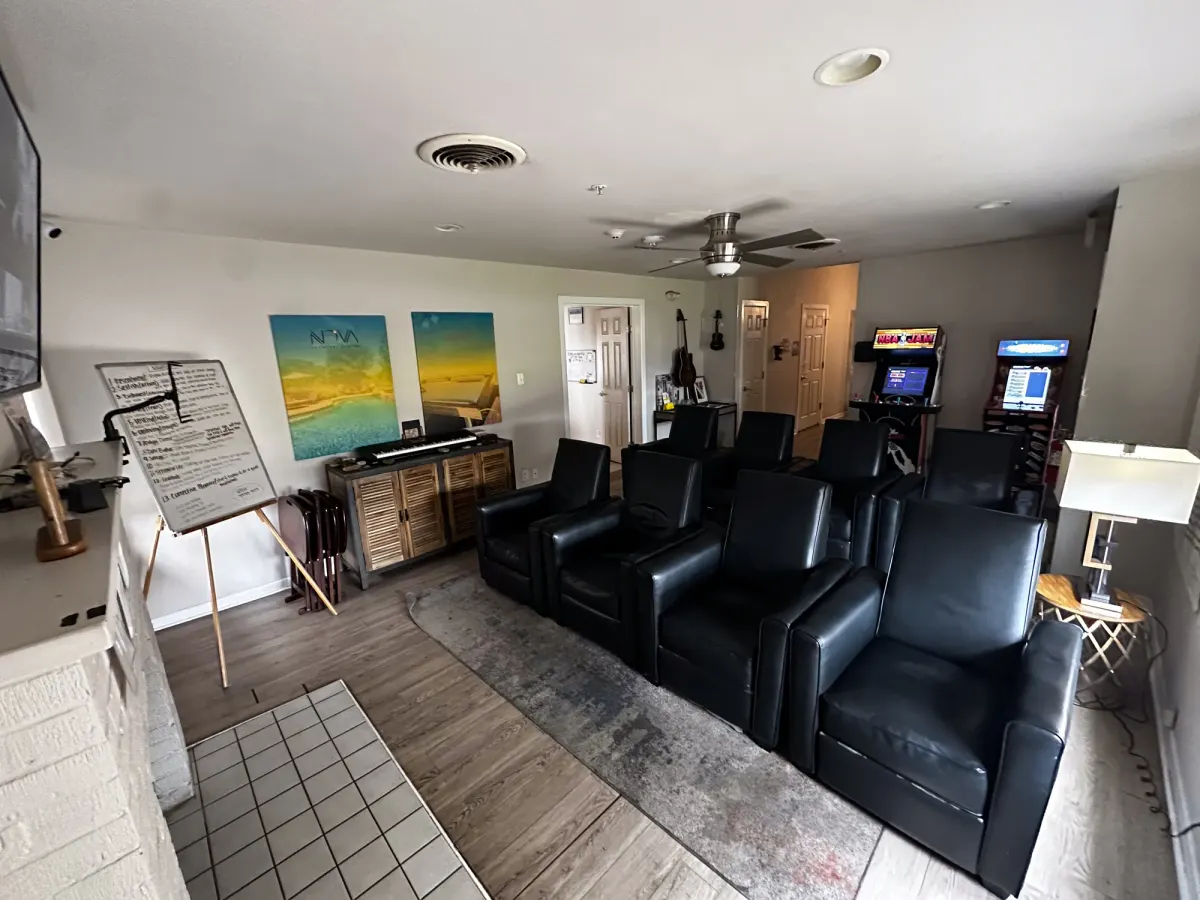 Inpatient
 Austin, TX
11711 N Lamar Blvd · 78753
- 15 beds
- On-site labs
- 24-hour medical staff
Drug & Alcohol Detox in Austin, TX
-
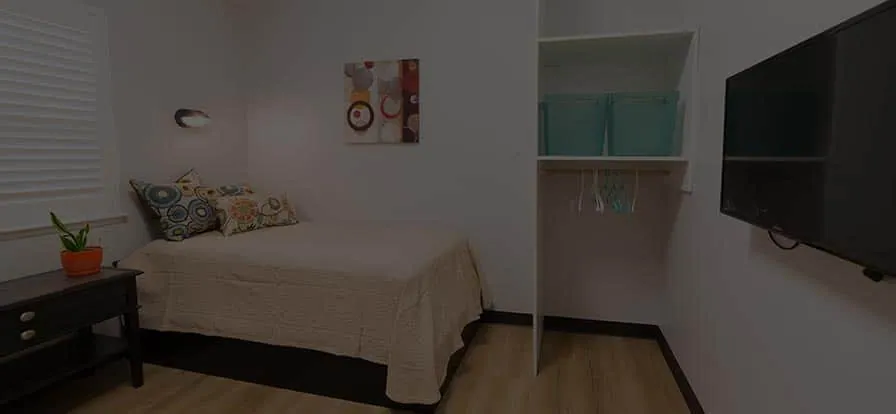 Inpatient
 Houston, TX
1019 Ashland St · 77008
- On-site labs
- 24-hour medical staff
Drug Detox Center in Houston, TX
-
 Outpatient
 San Antonio, TX
6707 W Hausman Rd · 78249
- Outpatient detox with scheduled medical visits
- Outpatient treatment
Outpatient Drug & Alcohol Detox in San Antonio
What it cannot be
It cannot be a substitute for medical care if you are dependent. No supplement, vitamin regimen, taper schedule from the internet, or over-the-counter medication makes that safe. The old version of this page recommended OTC medications for exactly this situation; that advice was wrong and this is a correction of it.
It cannot be done on the assumption you will notice things getting bad. Confusion is a symptom. The person least able to judge whether withdrawal is becoming dangerous is the one experiencing it, which is why somebody else needs to be watching.
Call 911 if any of this happens
Whether you are detoxing at home deliberately or someone has simply stopped drinking:
- A seizure
- Confusion, not knowing where they are, or seeing things that are not there
- A fever with a racing heart
- Repeated vomiting, or vomiting blood
- Severe agitation, or the opposite — being difficult to rouse
Do not wait to see whether it settles. Delirium tremens is treatable and it is treated with urgency for a reason.
What supervised detox actually involves
People picture something more dramatic than it is.
An assessment first — how much, how long, what happened last time, what else is going on medically. Monitoring through the dangerous window, which is the whole point: vital signs checked, symptoms treated before they escalate rather than after. Medication where it is needed — withdrawal is not something you are expected to tough out, and the drugs used also reduce the risk of seizures. A plan for afterwards, because getting through withdrawal is the start of the process rather than the end of it.
Most people are surprised by how much of it is simply being somewhere safe while the worst of it passes, with someone paying attention.
Where Briarwood fits
If the signs of dependence above sound like you, medically supervised detox is the safe version of what this page describes. Inpatient detox is in Austin and Houston; San Antonio is outpatient.
What follows detox usually matters more than the detox:
- Intensive outpatient treatment — structured therapy several days a week while living at home and working, in Austin, Houston and San Antonio, with an online option if travel is the obstacle.
- Sober living — a substance-free house with enforced structure, run by Eudaimonia Recovery Homes, part of the same company. Usually lived in while someone is in outpatient treatment rather than after it.
You can call to ask whether your drinking sounds like the risky kind before committing to anything. That question gets asked a lot and it does not obligate you to admit.
Common questions
Can you safely detox from alcohol at home?+–
It depends entirely on whether you are physically dependent. A light or occasional drinker can normally stop at home safely. Someone who drinks daily, drinks in the morning, or has had shaking or hallucinations on stopping before is in the group where unsupervised withdrawal can cause seizures or delirium tremens, and that needs medical supervision.
What medication helps with alcohol withdrawal at home?+–
There is no over-the-counter medication that makes unsupervised withdrawal safe, and no responsible way to source the prescription medications used in detox without a prescriber. If your withdrawal is severe enough to need medication, it is severe enough to need supervision.
How long does alcohol withdrawal last?+–
Symptoms typically begin 6 to 12 hours after the last drink and are usually at their most intense over the first two to three days. Seizure risk is highest around 24 to 48 hours and delirium tremens around 48 to 72. Sleep and mood often keep improving for weeks afterwards.
Is it dangerous to stop drinking suddenly?+–
For someone physically dependent, yes. Alcohol is one of the few drugs where abrupt withdrawal can be fatal. This is not an argument for continuing to drink; it is an argument for having medical support while you stop.
What if I cannot afford medical detox?+–
Ask anyway rather than assuming. Insurance covers detox more often than people expect, and knowing what your plan actually covers takes one conversation. Deciding you cannot afford it without checking is how people end up attempting the version that is unsafe.
Can I just taper down instead of stopping?+–
Some people do reduce gradually, but self-directed tapering is harder than it sounds and it keeps the withdrawal risk in play while extending it. It is a plan worth making with a clinician rather than alone.
Related guides

About the people behind this guide
Anna-Grace Washington
Medical Content Writer
Anna-Grace Washington is a Medical Content Writer for Briarwood Detox Center. She holds a master’s degree in clinical psychology from the University of Texas and brings a strong understanding of behavioral health, addiction recovery, and evidence-based treatment concepts to her writing.
Dr. Robert Ulrich, DO
Medical Director
Dr. Robert Ulrich serves as Medical Director at Briarwood Detox Center, bringing more than two decades of clinical neurology experience to the treatment of substance use disorders. He is board-certified in neurology by the American Board of Psychiatry and Neurology and completed his neurology residency at UT Southwestern Medical Center in Dallas, where he served as Chief Resident.
In network with most major insurance
Find your plan and see what detox would cost
Most plans cover medical detox. Coverage varies by plan, so we verify it for you before you commit to anything.


















Don't see your plan? We work with out-of-network benefits and offer self-pay options — (866) 710-7710
- Confidential
- Takes about 2 minutes
- No obligation to admit

- Accredited The Joint Commission
- Rated 4.7 · 183 Google reviews Flourishing Foundations Recovery, now part of Briarwood
- Admissions 24 hours a day