
Guide
My Daughter Refuses to Go to Rehab: How Can I Convince Her?
Joint Commission accredited · In network with most major insurance · Admissions answered 24 hours a day


Published July 9, 2026
Reviewed and updated July 29, 2026
When your daughter refuses to go to rehab, the most effective approach is not to "convince" her through force or ultimatums, but to create conditions that make accepting help feel safer than continuing to use. This means understanding her specific fears about treatment, addressing them directly, timing your conversations around moments of consequence rather than active intoxication, and involving a professional interventionist when family efforts alone aren't working. Most importantly, focus on detox as the critical first step—medically supervised withdrawal management removes the physical barrier that keeps many people trapped in addiction.
If you or someone you love needs more than detox, Briarwood Detox Center also provides drug treatment centers austin.
Briarwood Detox Center’s family support program provides medically supervised, evidence-based care.
Why Your Daughter Refuses to Go to Rehab
Resistance to treatment rarely stems from a single cause. Your daughter's refusal likely reflects a combination of neurological, psychological, and circumstantial factors that feel insurmountable to her right now.
Does your insurance cover detox in Austin?
Find out in about 2 minutes — free, confidential, no obligation.
Verify InsuranceAddiction fundamentally alters the brain's reward circuitry and executive function. The same neural changes that drive compulsive use also impair her ability to accurately assess risk, plan for the future, and recognize the severity of her situation. She genuinely may not see what you see—or if she does, the fear of withdrawal overpowers every rational argument.
Common reasons people refuse treatment include:
- Fear of withdrawal symptoms – The physical and psychological pain of detox terrifies many people more than the consequences of continued use
- Shame and stigma – Admitting she needs help may feel like confirming she's "weak" or "broken"
- Loss of identity – If substance use has become central to her social life, she may fear losing friends or not knowing who she is without drugs or alcohol
- Previous negative treatment experiences – If she's been to rehab before and relapsed, she may believe treatment "doesn't work" for her
- Denial and minimization – Cognitive distortions convince her the problem isn't as serious as others claim
- Co-occurring mental health conditions – Untreated anxiety, depression, or trauma may make substances feel like the only relief available
Understanding the Difference Between Detox and Rehab
Many families use "rehab" as a catch-all term, but it's crucial to understand the distinction when your daughter refuses to go to rehab. Detoxification is the acute medical phase—typically 3-10 days—focused solely on safely managing withdrawal symptoms as substances leave her system. Rehabilitation is the longer therapeutic phase addressing the psychological, behavioral, and social aspects of addiction.
This distinction matters because someone who refuses a 30- or 90-day residential program might accept medical detox. The time commitment feels less overwhelming, and she can focus on the immediate crisis: stopping safely without suffering through dangerous withdrawal alone. At Briarwood Detox Center, we provide both inpatient medically supervised detox in Austin and outpatient detox options in Austin, San Antonio, Houston, and Colorado Springs, giving families flexibility based on clinical need and individual circumstances.
Starting with detox removes the physical dependence that makes "just stopping" impossible. Once withdrawal is complete and her brain chemistry begins stabilizing, she's in a clearer state to make decisions about ongoing treatment. Many people who adamantly refuse rehab while still using become more open to continued care once they're through the acute detox phase.
How to Approach the Conversation Without Pushing Her Away
Timing and tone determine whether your daughter hears concern or perceives attack. Conversations attempted while she's intoxicated, high, or in active withdrawal rarely succeed—her brain literally cannot process complex information or emotional appeals in these states.
Instead, wait for a window of relative sobriety, ideally following a consequence she can't minimize: a health scare, legal trouble, relationship loss, or financial crisis. These moments create natural openings where the cost of continued use becomes undeniable.
Use these communication strategies:
- Lead with specific observations, not judgments – "I've noticed you've missed work three times this month" lands differently than "You're throwing your life away"
- Acknowledge her fear – "I know you're scared of what detox will feel like" validates her experience rather than dismissing it
- Separate the person from the disease – Make it clear you see addiction as a medical condition, not a moral failure
- Offer choices within boundaries – "I can't control whether you get help, but I can control whether I continue to enable. I'm no longer covering your rent" respects her autonomy while protecting yourself
- Focus on medical safety – Frame detox as healthcare, emphasizing that medically supervised withdrawal is dramatically safer and more comfortable than trying to quit alone
Avoid threats you won't follow through on. Empty ultimatums teach her that your boundaries are negotiable, which paradoxically enables continued use.
Where we are
Detox centers across Texas
Three locations, each with its own admissions line and its own clinical team. Pick the one nearest you — or call and we will tell you which has a bed tonight.
-
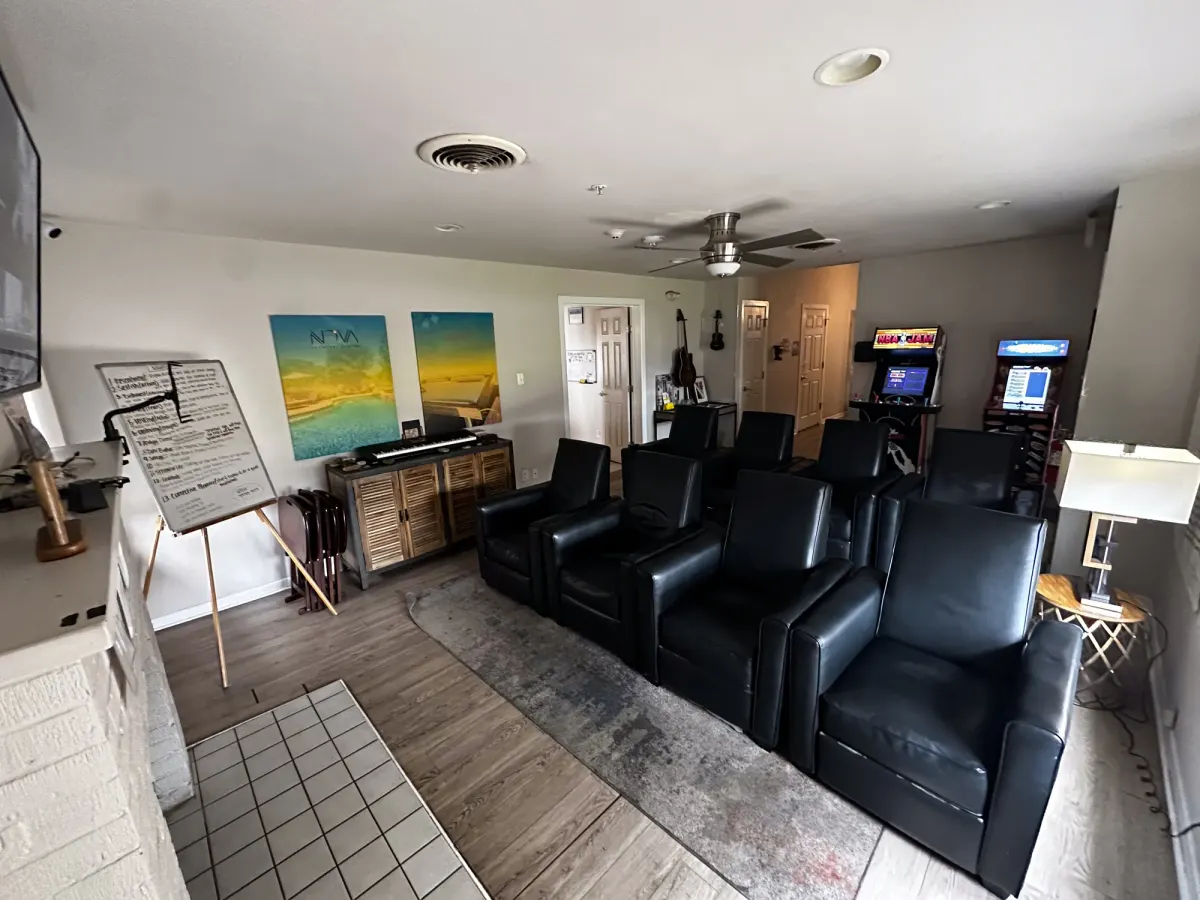 Inpatient
 Austin, TX
11711 N Lamar Blvd · 78753
- 15 beds
- On-site labs
- 24-hour medical staff
Drug & Alcohol Detox in Austin, TX
-
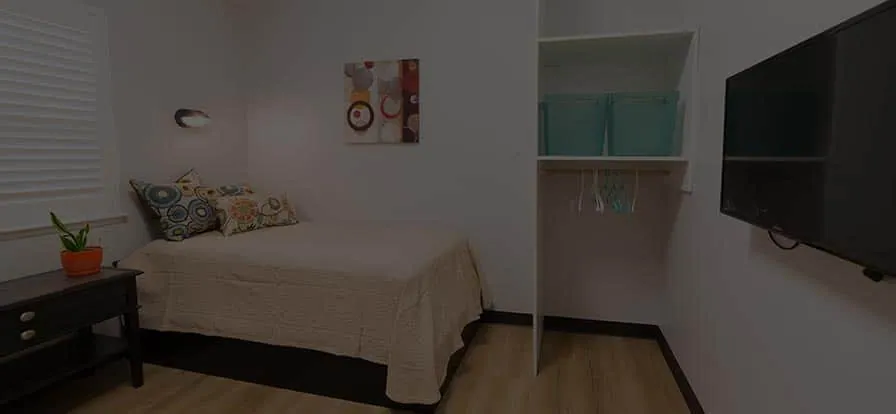 Inpatient
 Houston, TX
1019 Ashland St · 77008
- On-site labs
- 24-hour medical staff
Drug Detox Center in Houston, TX
-
 Outpatient
 San Antonio, TX
6707 W Hausman Rd · 78249
- Outpatient detox with scheduled medical visits
- Outpatient treatment
Outpatient Drug & Alcohol Detox in San Antonio
When to Involve a Professional Interventionist
If repeated family conversations haven't moved your daughter toward accepting help, a professional intervention may be necessary. Contrary to media portrayals, effective interventions aren't surprise ambushes designed to shame someone into compliance.
A qualified interventionist—typically a licensed clinician with specialized training—helps the family prepare, structures the conversation to minimize defensiveness, and presents treatment options clearly. They understand the psychology of resistance and know how to address common deflections and objections in real time.
The intervention focuses on three elements: specific examples of how addiction has caused harm, the emotional impact on loved ones expressed without blame, and immediate access to treatment with logistics already arranged. Having a bed secured at a detox facility, transportation ready, and insurance verified removes common delay tactics.
Professional interventions work best when the family has also established clear, predetermined consequences if she refuses help. These aren't punishments—they're boundaries protecting family members from being consumed by her addiction.
Addressing Her Specific Fears About Medical Detox
If your daughter refuses to go to rehab primarily because she's terrified of withdrawal, accurate information about modern medical detox can reduce resistance. Many people base their fears on outdated information or stories from others who attempted to detox without medical supervision.
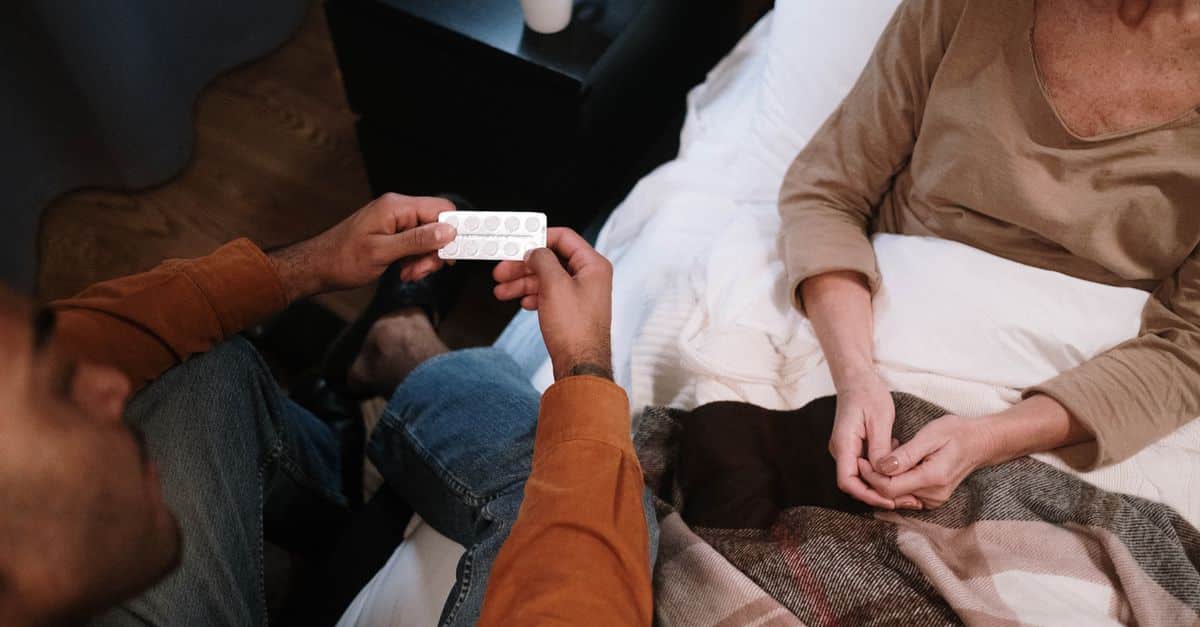
Medically supervised detox at a facility like Briarwood Detox Center uses FDA-approved medications to dramatically reduce withdrawal discomfort. For alcohol and benzodiazepine dependence, medications prevent the life-threatening seizures and delirium that make unsupervised withdrawal dangerous. For opioid dependence, medications manage the severe flu-like symptoms, pain, and insomnia that drive most people back to use within 72 hours.
Emphasize these realities:
Ready to talk to someone now? Briarwood Detox Center's admissions team is here 24/7, and every call is confidential. Call (866) 710-7710.- 24/7 medical monitoring means symptoms get addressed immediately, not endured until they become unbearable
- Medication protocols are individualized based on substance type, duration of use, and co-occurring conditions
- Outpatient detox options allow her to maintain certain responsibilities while receiving daily medical support
- The detox team has managed thousands of successful withdrawals—she won't be the first person terrified to walk through the doors
Sometimes offering to tour the facility together, speak with the clinical team, or connect her with someone who recently completed detox can demystify the process and reduce anxiety.
Setting Boundaries While Maintaining Connection
One of the hardest truths parents face is that you cannot force an adult daughter into treatment—and attempting to do so often damages the relationship without producing lasting change. What you can control is your own behavior and whether you continue enabling her addiction.
Effective boundaries might include:
- Refusing to provide money, housing, or other resources that allow continued use without consequence
- Declining to bail her out of legal or financial problems created by substance use
- Limiting contact when she's actively intoxicated to protect your own wellbeing
- Attending Al-Anon or family therapy to process your own grief and learn healthier responses
These boundaries aren't abandonment. You're making it clear that you love her unconditionally but will not participate in her self-destruction. Often, experiencing the full consequences of addiction becomes the catalyst for accepting help.
Simultaneously, keep the door open. Let her know that the moment she's ready for detox, you'll help make it happen—insurance verification, transportation, whatever logistics she needs. Many people refuse help multiple times before finally accepting it, and maintaining that connection makes it easier for her to reach out when she hits her own bottom.
Understanding the Medical Urgency of Certain Withdrawals
If your daughter is physically dependent on alcohol or benzodiazepines, the decision about whether to pursue medical detox isn't just about comfort—it's about safety. Withdrawal from these substances can trigger grand mal seizures and delirium tremens, both potentially fatal without medical management.
You may need to frame detox not as "rehab" (which she's refusing) but as emergency medical care. If she developed any other life-threatening condition, you wouldn't debate whether treatment was necessary. Severe physical dependence creates the same medical urgency.
For opioid dependence, while withdrawal itself isn't typically fatal, the risk of overdose death is highest in the weeks and months following unsupervised detox attempts. Tolerance drops rapidly, meaning the dose she previously used safely can now kill her. Medically supervised detox in Austin at Briarwood's inpatient facility or outpatient detox in San Antonio, Houston, or Colorado Springs includes planning for ongoing medication-assisted treatment that dramatically reduces overdose risk.
What to Do If She Still Refuses
Even with perfect communication, professional intervention, and clear boundaries, your daughter may continue refusing help. This doesn't mean you've failed or that she's beyond reach—it means her addiction hasn't yet created sufficient internal motivation for change.
Continue documenting incidents, maintaining your boundaries, and taking care of your own mental health. Consider whether involuntary commitment is legally available and clinically appropriate in your situation, though this is typically reserved for immediate danger and rarely produces lasting change without internal motivation.
Stay informed about treatment options so you're prepared when her willingness shifts. Keep communication lines open without enabling. And remember that many people cycle through stages of change multiple times before achieving stable recovery—her "no" today doesn't mean "no" forever.
If your daughter is struggling with addiction and you need guidance navigating this difficult situation, Briarwood Detox Center's admissions team can help you understand options for medical detox and how to approach someone resistant to treatment.
Ready to take the next step?
Briarwood Detox Center provides medically supervised drug & alcohol detox. Call (866) 710-7710 to speak with our team today.
Frequently Asked Questions
How to help a drug addict who doesn't want help?+–
Focus on setting clear boundaries that stop enabling while maintaining emotional connection. Document specific incidents, express concern without judgment, and make it easy for them to accept help when they're ready by having treatment logistics pre-arranged. Consider involving a professional interventionist if family conversations aren't effective. Most importantly, protect your own wellbeing through support groups or therapy while staying informed about treatment options.
How to convince an adult child to go to rehab?+–
Rather than convincing through argument, create conditions where accepting help feels safer than continued use. Time conversations around consequences, address their specific fears about treatment, offer choices within firm boundaries, and focus first on medical detox rather than long-term rehab. Professional interventionists can structure these conversations more effectively than family alone. Remember that you cannot force change, but you can stop enabling and make help immediately accessible.
What is the best way to convince someone to go to rehab?+–
The most effective approach addresses the medical necessity of detox first, particularly for alcohol or benzodiazepine dependence where withdrawal is dangerous. Use specific observations rather than judgments, acknowledge their fears, and explain how medically supervised detox dramatically reduces withdrawal discomfort. Have logistics arranged—bed secured, insurance verified, transportation ready—so they can say yes immediately. Combine compassionate communication with clear consequences if they refuse.
How to get help for a family member with drug addiction?+–
Start by contacting a detox facility to verify insurance coverage and understand treatment options. Many centers offer free consultations to help families navigate the process. Consider working with a professional interventionist if the person is resistant. Set boundaries that stop enabling while keeping communication open. Attend Al-Anon or family therapy for your own support. Document incidents and consequences to use in conversations, and be prepared to act immediately when they express willingness to get help.
When someone refuses to go to rehab?+–
When someone refuses rehab, maintain boundaries that prevent enabling, focus on your own wellbeing, and keep treatment options researched and ready. Consider whether they might accept medical detox as a less overwhelming first step than long-term residential treatment. Continue documenting consequences and maintain communication without judgment. Many people refuse multiple times before accepting help, so persistence combined with firm boundaries often proves more effective than a single confrontation.
What is stage 4 of addiction?+–
Stage 4 represents severe addiction characterized by physical dependence, dramatic tolerance increases, life revolving around substance use, and continued use despite serious consequences. At this stage, the person typically experiences withdrawal symptoms when not using, has abandoned previous responsibilities and relationships, and may have health complications. Medical detox becomes necessary rather than optional, particularly for alcohol or benzodiazepine dependence where withdrawal can be life-threatening without professional supervision.
How to help an adult child who is an addict?+–
Help adult children by establishing clear boundaries that stop financial or practical enabling while maintaining emotional connection. Avoid rescuing them from consequences created by their addiction. Educate yourself about treatment options so you can provide accurate information when they're ready. Consider family therapy or Al-Anon for your own support. Express concern using specific observations rather than labels, and make it clear that help is immediately available whenever they're willing to accept it.
What are comforting phrases for struggling adult children?+–
Use phrases that separate the person from the disease: "I see you struggling and I know this isn't who you want to be," "Addiction is a medical condition, not a character flaw," "I believe you can recover even if you don't believe it yet," and "I'll be here when you're ready for help." Avoid shame-based language. Acknowledge their fear: "I know you're scared of detox" validates their experience while keeping the door open to treatment conversations. Ready to Start Your Recovery in Austin? Briarwood Detox Center offers medically supervised detox in Austin. Explore our locations, see the facility, and verify your insurance in minutes. See our locations
Related guides


About the people behind this guide
Anna-Grace Washington
Medical Content Writer
Anna-Grace Washington is a Medical Content Writer for Briarwood Detox Center. She holds a master’s degree in clinical psychology from the University of Texas and brings a strong understanding of behavioral health, addiction recovery, and evidence-based treatment concepts to her writing.
Dr. Robert Ulrich, DO
Medical Director
Dr. Robert Ulrich serves as Medical Director at Briarwood Detox Center, bringing more than two decades of clinical neurology experience to the treatment of substance use disorders. He is board-certified in neurology by the American Board of Psychiatry and Neurology and completed his neurology residency at UT Southwestern Medical Center in Dallas, where he served as Chief Resident.
In network with most major insurance
Find your plan and see what detox would cost
Most plans cover medical detox. Coverage varies by plan, so we verify it for you before you commit to anything.



















Don't see your plan? We work with out-of-network benefits and offer self-pay options — (866) 710-7710
- Confidential
- Takes about 2 minutes
- No obligation to admit

- Accredited The Joint Commission
- Rated 4.7 · 183 Google reviews Flourishing Foundations Recovery, now part of Briarwood
- Admissions 24 hours a day