
Guide
Can I Visit My Son During Medical Detox or Residential Treatment?
Joint Commission accredited · In network with most major insurance · Admissions answered 24 hours a day


Published July 9, 2026
Reviewed and updated July 29, 2026
Yes, you can typically visit your son during medical detox at most facilities, though the timing and structure vary significantly based on the program, the severity of withdrawal symptoms, and the clinical team's assessment of what best supports his stabilization. At Briarwood Detox Center, we understand that family connection matters deeply during this vulnerable time, and we work with each family to determine the right visitation approach for their loved one's unique medical needs during detox.
If you or someone you love needs more than detox, Briarwood Detox Center also provides rehab in austin texas.
Briarwood Detox Center’s family support program program provides medically supervised, evidence-based care.
Understanding the Medical Detox Phase and Why Visitation Timing Matters
Medical detox is the acute, medically supervised period when your son's body clears drugs or alcohol from his system while clinicians manage withdrawal symptoms. This phase typically lasts 3-10 days depending on the substance, duration of use, and individual physiology. During the first 24-72 hours, withdrawal symptoms often peak—nausea, tremors, anxiety, insomnia, and in severe cases, seizures or delirium tremens for alcohol withdrawal.
Does your insurance cover detox in Austin?
Find out in about 2 minutes — free, confidential, no obligation.
Verify InsuranceClinical teams may recommend delaying visits during this early stabilization window not as punishment or separation, but because your son's nervous system is in crisis mode. His brain is recalibrating neurotransmitter levels, and external stimulation—even well-intentioned family presence—can sometimes heighten agitation, emotional dysregulation, or medical complications. The goal is always safe, comfortable withdrawal management first.
Once withdrawal symptoms stabilize and vital signs normalize, most medical detox programs welcome family visits. This usually happens within the first few days, though the exact timing depends on your son's progress. When you can visit your son during medical detox, the experience looks different from visiting someone in residential treatment: visits may be shorter, more structured, and always subject to medical staff approval based on his condition that day.
Can Family Visit During Detox? Policy Varies by Program and Patient Status
Family visitation during medical detox is not universally standardized. Some detox centers maintain restricted or no-visitation policies during the entire acute phase, while others encourage family involvement once initial stabilization occurs. At Briarwood Detox Center's inpatient medical detox program in Austin, Texas, we assess each patient individually and coordinate with families on appropriate timing and format for visits.
Factors that influence whether you can visit your son during medical detox include:
- Withdrawal severity: Patients experiencing complicated withdrawal (alcohol or benzodiazepine detox with seizure risk, opioid detox with severe symptoms) may need isolation and minimal stimulation during peak days.
- Mental health stability: Co-occurring anxiety, depression, or psychosis may require limiting visitors until psychiatric symptoms stabilize under medication management.
- Patient preference: Some individuals feel shame, embarrassment, or heightened stress at the thought of family seeing them in acute withdrawal and may request delayed visits.
- Family dynamics: If the relationship has been strained, contentious, or enabling, clinical staff may recommend family therapy sessions before in-person visits to prevent relapse triggers.
Outpatient detox programs—which Briarwood Detox Center offers in Austin, San Antonio, Houston, and Colorado Springs—operate differently. Your son returns home between medical appointments, so family involvement is inherently greater, though clinicians will guide you on how to support him without enabling or creating stress that undermines withdrawal management.
What's the Difference Between Detox and Residential Treatment Visitation?
This distinction is crucial when you're wondering whether you can visit your son during medical detox or need to wait until residential treatment. Medical detox is short-term, acute care focused exclusively on safe withdrawal and physical stabilization. Residential treatment (also called inpatient rehab) is longer-term care—typically 30, 60, or 90 days—focused on therapy, skill-building, relapse prevention, and addressing the psychological roots of addiction.
Visitation policies differ because the clinical goals differ. During medical detox, the body is in medical crisis; visits must not interfere with vital sign monitoring, medication administration, or symptom management. During residential treatment, your son is medically stable, and the focus shifts to behavioral health. Residential programs typically have structured family visitation days, family therapy sessions, and even family education weekends where you learn about addiction neuroscience and communication skills.
Many families assume they must wait until residential treatment to see their loved one, but that's not always true. If you can visit your son during medical detox—even briefly—it can provide reassurance to both of you that he's safe, cared for, and taking the first step. That said, some detox programs do recommend waiting, and if clinical staff make that recommendation, trust their expertise. They see withdrawal complications daily and know what supports or hinders recovery.
Should I Visit a Family Member During a 3-Day Detox?
A 3-day detox is typically the minimum timeframe for substance withdrawal management, often associated with shorter-acting substances like alcohol (in milder cases) or certain opioids. Whether you should visit during such a brief window depends on timing and your son's response to treatment.
If withdrawal symptoms are severe on day one and two, a visit may not be feasible or beneficial—he may be sedated for comfort, experiencing intense nausea, or too disoriented to engage meaningfully. By day three, if symptoms have resolved and he's preparing for discharge or transfer to residential treatment, a visit can help with transition planning and emotional support.
However, some families overestimate the value of visiting during acute detox and underestimate the value of being present during the harder, longer work of residential treatment and outpatient therapy. If you can only visit once, and your son is moving directly from a 3-day detox into a 30-day residential program, consider whether your presence will have greater impact during family therapy week in residential treatment when he's clearheaded and ready to process family dynamics.
Where we are
Detox centers across Texas
Three locations, each with its own admissions line and its own clinical team. Pick the one nearest you — or call and we will tell you which has a bed tonight.
-
 Inpatient
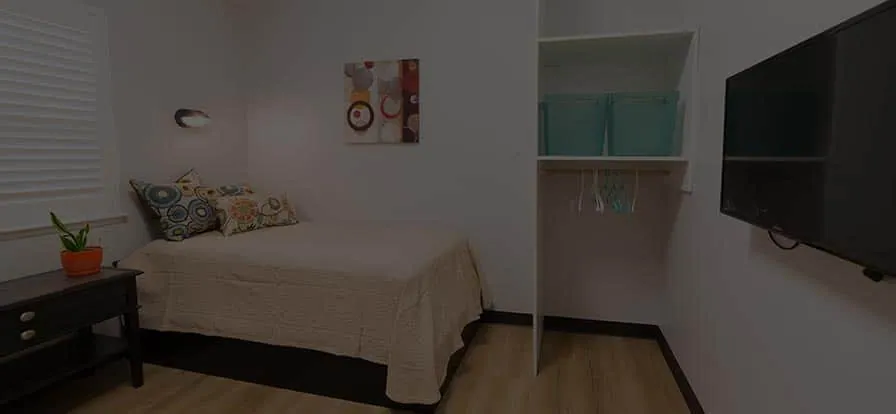
 Austin, TX
11711 N Lamar Blvd · 78753
- 15 beds
- On-site labs
- 24-hour medical staff
Drug & Alcohol Detox in Austin, TX
-
 Inpatient
 Houston, TX
1019 Ashland St · 77008
- On-site labs
- 24-hour medical staff
Drug Detox Center in Houston, TX
-
 Outpatient
 San Antonio, TX
6707 W Hausman Rd · 78249
- Outpatient detox with scheduled medical visits
- Outpatient treatment
Outpatient Drug & Alcohol Detox in San Antonio
Can You Have Visitors in Inpatient Rehab vs. Medical Detox?
Yes, inpatient rehab (residential treatment) almost always permits and encourages visitors, whereas medical detox programs vary widely. The reason is clinical: inpatient rehab patients are medically stable and working on psychological, behavioral, and social dimensions of recovery. Family involvement is therapeutic—it's part of the treatment model.
Medical detox is emergency medicine. Patients are not stable; they are in acute withdrawal. Visitation policies must prioritize medical safety. That doesn't mean you're shut out—it means visits are coordinated, timed appropriately, and sometimes conducted virtually if in-person presence risks your son's physical or emotional stability during withdrawal.
At Briarwood Detox Center, our clinical team communicates with families throughout the detox process. Even if you cannot visit your son during medical detox in person during the first 48 hours, we provide updates on his condition, explain what's happening physiologically, and prepare you for what to expect when you do visit or when he transitions to the next level of care.
Ready to talk to someone now? Briarwood Detox Center's admissions team is here 24/7, and every call is confidential. Call (866) 710-7710.What to Expect When You Visit During Medical Detox
If the clinical team approves your visit, prepare for an environment and interaction that may feel clinical, brief, and less emotionally connective than you hope. Your son may be tired, withdrawn, irritable, or sleeping frequently as his body heals. Withdrawal is exhausting, and even when symptoms are managed with medication, patients often lack energy for conversation.
Here's what to expect and how to make the visit supportive:
- Short duration: Visits during detox are often 30-60 minutes, not hours, to avoid overstimulation.
- Supervised setting: Visits may occur in a common area or designated family room, sometimes with staff nearby.
- Limited physical contact: Some programs restrict what you can bring (no outside food, no personal items without inspection) to prevent contraband.
- Emotional volatility: Your son may cry, express anger, or shut down. Withdrawal amplifies emotions; don't take it personally.
Focus on reassurance, not lectures. Tell him you're proud he's getting help. Avoid discussing logistics, finances, or family drama—those conversations can wait. Simply being present and calm communicates that he's not abandoned, which is often the deepest fear during detox.
What Not to Do While Your Son Is Detoxing
Family members sometimes unintentionally undermine detox through well-meaning but counterproductive actions. Avoid these common mistakes when your son is in medical detox, whether you're visiting or communicating remotely:
- Don't bring up past betrayals or relapses: Detox is not the time for accountability conversations. He's medically fragile; guilt and shame can trigger early discharge against medical advice.
- Don't pressure him to commit to long-term plans: "You'll go to 90-day rehab after this, right?" feels like control. Let the clinical team guide discharge planning; your job is emotional support.
- Don't compare his experience to others: "Your cousin got through detox in two days." Every body, every substance, every withdrawal is different.
- Don't sneak in outside items: Contraband (even seemingly harmless things like CBD gummies or energy drinks) can interfere with medications or program rules and result in discharge.
Trust the process. Medical detox is evidence-based, protocol-driven care. The clinical team at Briarwood Detox Center has managed thousands of withdrawals safely; if they recommend waiting to visit, delaying a call, or limiting contact, they're protecting your son's health.
How Briarwood Detox Center Supports Families During the Detox Process
Whether you can visit your son during medical detox or need to wait, Briarwood Detox Center keeps families informed and involved appropriately. Our Austin inpatient program and outpatient programs in Austin, San Antonio, Houston, and Colorado Springs recognize that addiction affects entire families, and early engagement improves long-term outcomes.
We provide family education on withdrawal physiology, what symptoms to expect, and how to prepare for post-detox care. Our clinical team is available to answer your questions about visitation policies, insurance coverage, and the transition from detox to residential treatment or outpatient therapy. We also connect families to resources for their own support—Al-Anon, family therapy, and education on codependency and enabling behaviors.
If your son is in our outpatient detox program, you'll play a more active role in his daily care, monitoring symptoms, ensuring medication compliance, and transporting him to appointments. We train families on what to watch for—dangerous withdrawal signs that require immediate medical attention—and provide 24/7 clinical support if complications arise at home.
Next Steps: Getting Your Son the Help He Needs
If your son is struggling with drug or alcohol dependence and needs medical detox, the question of visitation is secondary to the urgency of getting him into care. Withdrawal can be life-threatening without medical supervision, particularly for alcohol, benzodiazepines, and certain opioids. Every day of delayed treatment is a day of risk.
Briarwood Detox Center offers medically supervised inpatient detox in Austin and outpatient detox in Austin, San Antonio, Houston, and Colorado Springs, Colorado. Our clinical teams are experienced in managing complex withdrawal, co-occurring mental health conditions, and family dynamics. We accept most insurance plans and can verify your son's benefits quickly to help you understand coverage for detox services and next-level care.
Whether you can visit your son during medical detox will depend on his clinical progress and our team's assessment, but we'll keep you informed every step of the way. The most important thing you can do right now is take the first step and reach out. Briarwood Detox Center is here to guide your family through detox and into lasting recovery.
Ready to take the next step?
Briarwood Detox Center provides medically supervised drug & alcohol detox. Call (866) 710-7710 to speak with our team today.
Frequently Asked Questions
Can family visit during detox?Yes, many detox programs allow family visits once the patient is medically stable, typically after the first 24-72 hours when withdrawal symptoms peak.Policies vary by facility and individual patient needs.Clinical teams assess whether visitation supports or interferes with safe withdrawal management and will communicate timing with families accordingly.Should I visit a family member during a 3 day detox?It depends on the timing and your loved one's condition.During the first 48 hours of a 3-day detox, withdrawal symptoms are often most severe, and visits may not be possible or helpful.
By day three, if symptoms have stabilized, a brief visit can provide reassurance before discharge or transfer to residential treatment.What's the difference between detox and residential treatment?Medical detox is short-term acute care (3-10 days) focused on safe withdrawal and physical stabilization under medical supervision.Residential treatment is longer-term (30-90 days) and addresses the psychological, behavioral, and social aspects of addiction through therapy, counseling, and skill-building after the body is medically stable.Can you have visitors in inpatient rehab?Yes, inpatient rehab programs typically encourage family visits and often include structured family therapy sessions and education weekends.
Because patients are medically stable and working on behavioral health, family involvement is considered therapeutic and beneficial to long-term recovery outcomes, unlike the more restricted visitation during acute medical detox.Can you have visitors during medical detox?Visitor policies during medical detox vary by program and patient status.Some facilities allow visits once initial stabilization occurs, while others restrict visitation during the entire acute withdrawal phase.Clinical teams make recommendations based on withdrawal severity, mental health stability, and what best supports safe, comfortable detox for each individual patient.What not to do while detoxing?Patients should avoid using any substances not prescribed by the medical team, including alcohol, drugs, or supplements that can interfere with withdrawal medications.
Don't leave treatment early against medical advice, even if feeling better.Avoid overstimulation, stressful conversations, and trying to manage withdrawal without medical supervision, as complications can be life-threatening.What not to do during a detox?Family members should avoid bringing up past conflicts, pressuring the patient about future treatment plans, or sneaking in outside food or items that violate program policies.Don't compare their withdrawal experience to others or expect normal emotional engagement.Focus on calm reassurance rather than lectures, accountability discussions, or logistical planning during acute withdrawal.How long does medical detox typically last?Medical detox duration varies by substance, length of use, and individual physiology, but typically lasts 3-10 days.
Alcohol and benzodiazepine detox often require 5-7 days, while opioid detox may take 5-10 days.Short-acting substances may clear faster.The medical team monitors symptoms and vital signs to determine when withdrawal is complete and discharge is safe.
Ready to Start Your Recovery in Austin?
Briarwood Detox Center offers medically supervised detox in Austin. Explore our locations, see the facility, and verify your insurance in minutes.
See our locationsRelated guides



In network with most major insurance
Find your plan and see what detox would cost
Most plans cover medical detox. Coverage varies by plan, so we verify it for you before you commit to anything.

















Don't see your plan? We work with out-of-network benefits and offer self-pay options — (866) 710-7710
- Confidential
- Takes about 2 minutes
- No obligation to admit

- Accredited The Joint Commission
- Rated 4.7 · 182 Google reviews Flourishing Foundations Recovery, now part of Briarwood
- Admissions 24 hours a day