
Guide
What to Look for When Comparing Addiction Treatment Centers in Houston
Joint Commission accredited · In network with most major insurance · Admissions answered 24 hours a day


Published July 16, 2026
Reviewed and updated July 29, 2026
When comparing different addiction treatment centers in Houston, prioritize medical accreditation, the presence of licensed physicians for withdrawal management, evidence-based detox protocols, transparent insurance verification processes, and whether the facility offers the specific level of care you need—particularly medically supervised detox for safe withdrawal. Look for centers that clearly explain their medical approach, employ board-certified addiction specialists, and provide individualized treatment plans rather than one-size-fits-all programming.
If you or someone you love needs more than detox, Briarwood Detox Center also provides alcohol rehab houston.
Medical Credentials and Licensing Come First
The foundation of safe addiction treatment, especially during the detox phase, is medical oversight. When evaluating Houston treatment centers, verify that physicians are on-site or immediately available 24/7. Withdrawal from alcohol, benzodiazepines, and opioids can produce life-threatening complications—seizures, delirium tremens, cardiac arrhythmias—that require immediate medical intervention.
Does your insurance cover detox in Houston?
Find out in about 2 minutes — free, confidential, no obligation.
Verify InsuranceCheck whether the facility is licensed by the Texas Health and Human Services Commission and accredited by recognized bodies like The Joint Commission or CARF. These credentials aren't decorative; they indicate the center meets measurable safety and clinical standards. A facility willing to share its license number and accreditation status demonstrates transparency.
Ask directly about staff credentials. Licensed physicians, registered nurses, and licensed chemical dependency counselors should form the clinical backbone. During detox, you're not just "getting through it"—you're managing a complex physiological process that affects neurotransmitter systems, vital signs, and organ function. That requires medical expertise, not simply supportive encouragement.
Understanding Different Levels of Addiction Treatment
Not every treatment center offers the same services, and this distinction matters enormously when comparing different addiction treatment centers in Houston. The American Society of Addiction Medicine (ASAM) defines multiple levels of care, from outpatient counseling to residential treatment to medically managed intensive inpatient services.
Detox sits at the medical end of this continuum. It addresses acute intoxication and withdrawal syndrome—the immediate physiological crisis that occurs when you stop using substances your body has adapted to. Detox is not rehabilitation; it's medical stabilization. Many people confuse the two, but they serve different functions in the recovery journey.
Briarwood Detox Center specializes in this critical first phase, offering both inpatient medically supervised detox in Austin and outpatient detox services in Houston, San Antonio, and Austin. Outpatient detox allows clinically appropriate patients to withdraw safely while remaining in their home environment, attending medical appointments for monitoring and medication management. Inpatient detox provides 24/7 medical supervision for those with more severe dependence or co-occurring medical conditions.
When comparing centers, clarify exactly what level of care they provide. Some facilities advertise "treatment" but offer minimal medical services. Others provide comprehensive medical detox but limited follow-up care coordination. Understanding these distinctions helps you match your needs to the right resource.
Evidence-Based Treatment Models and Medication Options
The protocols a center uses to manage withdrawal reveal its clinical sophistication. Evidence-based detox incorporates FDA-approved medications that reduce suffering and medical risk. For alcohol withdrawal, benzodiazepines prevent seizures and manage autonomic instability. For opioid withdrawal, medications like buprenorphine or clonidine ease symptoms and reduce early dropout rates.
Ask prospective treatment centers what their medication protocols look like. A quality detox program doesn't rely on a single formulaic approach. Withdrawal management should be individualized based on substance type, duration of use, previous withdrawal history, co-occurring psychiatric conditions, and current medical status.
Some facilities still promote "natural" or "holistic" detox without medication support. While complementary approaches—good nutrition, hydration, rest—absolutely support recovery, they don't replace medical management of dangerous withdrawal syndromes. Beware of centers that promise "pain-free" detox through unproven methods or that dismiss medications as "replacing one drug with another." That reflects ideology, not medicine.
Where we are
Detox centers across Texas
Three locations, each with its own admissions line and its own clinical team. Pick the one nearest you — or call and we will tell you which has a bed tonight.
-
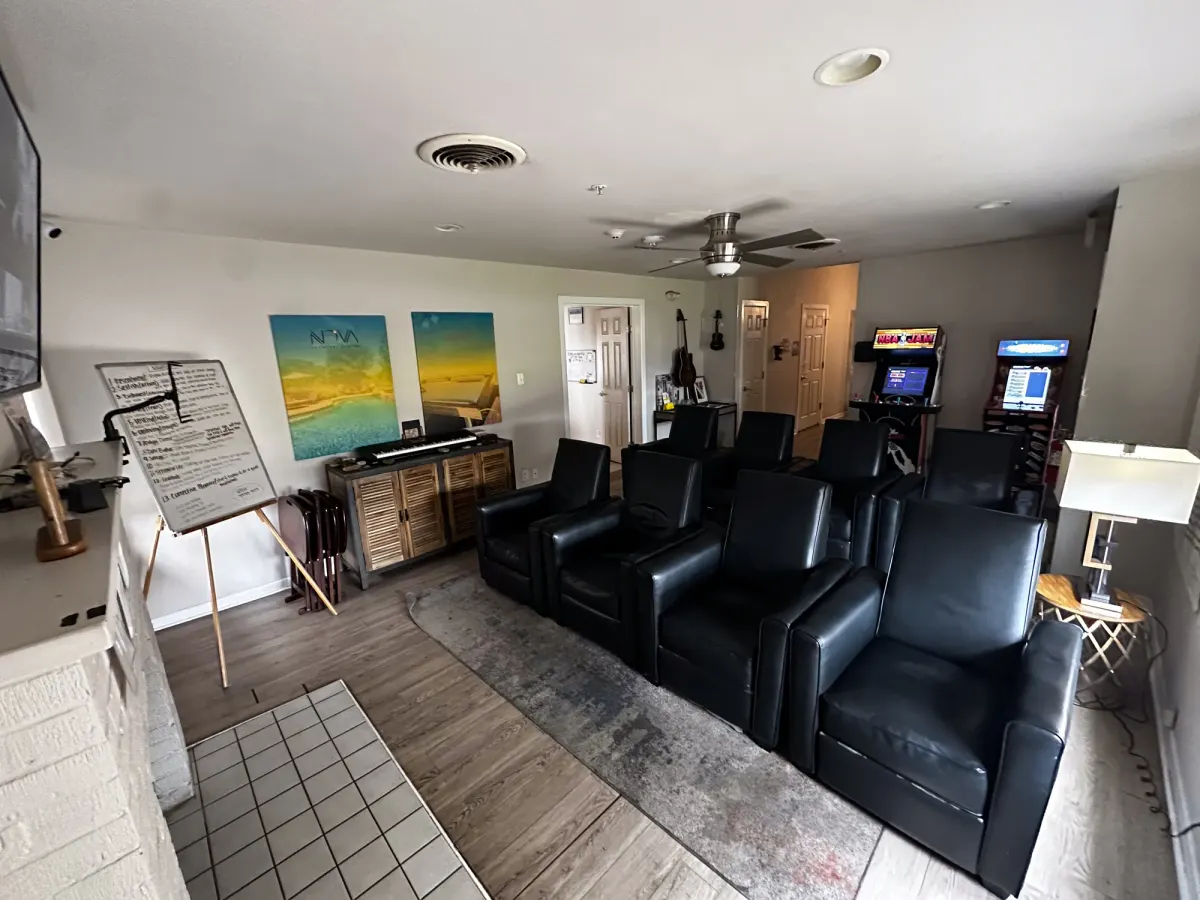 Inpatient
 Austin, TX
11711 N Lamar Blvd · 78753
- 15 beds
- On-site labs
- 24-hour medical staff
Drug & Alcohol Detox in Austin, TX
-
 Inpatient
 Houston, TX
1019 Ashland St · 77008
- On-site labs
- 24-hour medical staff
Drug Detox Center in Houston, TX
-
 Outpatient
 San Antonio, TX
6707 W Hausman Rd · 78249
- Outpatient detox with scheduled medical visits
- Outpatient treatment
Outpatient Drug & Alcohol Detox in San Antonio
Transparency Around Insurance and Payment
Financial clarity matters when comparing different addiction treatment centers in Houston. Quality facilities employ insurance verification specialists who can tell you within 24 hours what your plan covers, what your out-of-pocket costs will be, and whether the center is in-network with your carrier.
Briarwood Detox Center works with most major insurance plans and verifies benefits before admission so families understand costs upfront. This transparency allows you to make informed decisions rather than discovering surprise bills weeks later. Ask any center you're considering for a clear breakdown: What does insurance cover? What will I owe? Are there payment plans for balances?
Be cautious of centers that promise "free" treatment or advertise themselves as charity-based unless you've verified their nonprofit status and understand exactly what "free" covers. Legitimate private treatment centers operate as businesses and should be straightforward about their financial model. That's not a negative—it simply means clear communication about costs protects everyone involved.
The Detox-to-Treatment Continuum
Detox alone rarely produces lasting recovery. It's the essential first step, but neurobiological changes from chronic substance use persist long after acute withdrawal ends. When evaluating Houston treatment centers, ask how they support the transition from detox to ongoing treatment.
Does the center coordinate discharge planning? Do they connect you with outpatient counseling, intensive outpatient programs, or peer support groups? A quality detox program doesn't simply discharge you feeling better and wish you luck. It recognizes that the hours and days after detox represent high relapse risk and builds a bridge to the next phase.
Briarwood Detox Center's outpatient program in Houston allows patients to begin establishing therapeutic relationships and recovery routines while still receiving medical oversight during withdrawal. This model supports continuity—you're not detoxing in one place, then starting over somewhere else. The team managing your withdrawal can coordinate with your ongoing treatment providers.
Ready to talk to someone now? Briarwood Detox Center's admissions team is here 24/7, and every call is confidential. Call (512) 960-4061.Red Flags and Warning Signs
Certain patterns should prompt caution when comparing treatment options. High-pressure sales tactics—insisting you must admit "today" or lose your spot—often indicate a center prioritizes census over clinical appropriateness. Legitimate facilities assess medical need and insurance coverage before admission, a process that takes time.
Vague or evasive answers about credentials, success rates, or costs suggest a facility has something to hide. Ask direct questions: Are physicians on-site or on-call? What's your nurse-to-patient ratio? How do you handle medical emergencies? What happens if my withdrawal becomes complicated? If the answers feel scripted or non-specific, that's information.
Promises of guaranteed outcomes should also raise concerns. Addiction is a chronic relapsing condition. No ethical clinician promises a "cure" or guarantees sobriety. What they can promise is evidence-based medical care, dignity, and support through a difficult physiological process.
Different Types of Therapy and Support During Detox
While the primary focus during detox is medical stabilization, many centers integrate supportive counseling and psychoeducation. Group education sessions about the neurobiology of addiction, relapse prevention basics, and recovery resources help patients begin cognitive preparation for the work ahead.
Individual counseling during detox typically focuses on engagement and motivation rather than deep therapeutic work—the physical and cognitive strain of withdrawal limits capacity for intensive therapy. But establishing a therapeutic alliance early, learning about treatment options, and beginning discharge planning are all appropriate detox-phase interventions.
Some centers offer specialized groups: trauma-informed sessions, gender-specific programming, or groups for specific populations like healthcare professionals or parents. These can add value if they're truly clinical—not just marketing differentiation. Ask what training staff have in specialized modalities they advertise.
Location and Practical Considerations
Geography matters, especially when comparing different addiction treatment centers in Houston. Outpatient detox requires you to attend frequent appointments—sometimes daily during the acute phase. A center across the city becomes a barrier if transportation is challenging. Briarwood Detox Center's Houston outpatient location provides accessible medical detox services for patients who meet clinical criteria for outpatient-level care.
For inpatient detox, some people prefer staying local so family can visit. Others benefit from stepping away from their using environment entirely. Neither choice is wrong; the decision should reflect your clinical needs and personal circumstances, not arbitrary preferences.
Consider the facility's environment. You'll be physically uncomfortable during withdrawal. Is the space clean, quiet, and conducive to rest? Are rooms private or shared? What's the noise level? These details affect your comfort during an already difficult experience.
Making Your Decision
Ultimately, choosing a detox center requires balancing medical appropriateness, financial feasibility, and practical logistics. Start with clinical fit: Does this facility offer the level of medical supervision your withdrawal will require? Then layer in insurance coverage, location, and whether the center's approach aligns with your values and communication preferences.
Don't rely solely on websites or marketing materials. Speak with admissions staff, ask substantive clinical questions, and trust your instincts about whether you're being heard and respected. The best treatment center for someone else may not be the best for you—and that's exactly why doing this comparison work matters.
If you're weighing detox options in Houston and need help understanding what level of care fits your situation, Briarwood Detox Center can provide a confidential clinical assessment and insurance verification. Taking the time to make an informed choice sets the foundation for everything that follows.
Ready to take the next step?
Briarwood Detox Center provides medically supervised drug & alcohol detox. Call (512) 960-4061 to speak with our team today.
Frequently Asked Questions
What are the different levels of addiction treatment?+–
The American Society of Addiction Medicine defines multiple levels: outpatient services (counseling and medication management), intensive outpatient programs, partial hospitalization, residential treatment, and medically managed intensive inpatient services. Detox represents the most acute medical level, addressing withdrawal and stabilization. Each level serves different clinical needs based on severity of dependence, medical complexity, and psychosocial stability. Most people benefit from a continuum, starting with detox and transitioning to less intensive care as they stabilize.
What are the different types of rehab programs?+–
Rehab programs vary by intensity, duration, and setting. Inpatient or residential programs provide 24/7 structure in a controlled environment. Partial hospitalization offers full-day programming with nights at home. Intensive outpatient programs involve several hours of treatment multiple days weekly. Standard outpatient care includes weekly counseling and medication management. Specialized programs exist for dual diagnosis , trauma, specific populations, or particular substances. The appropriate type depends on clinical severity, prior treatment history, and life circumstances.
What are the different types of addiction therapy groups?+–
Common group therapy models include cognitive-behavioral groups focused on thought patterns and coping skills, psychoeducational groups teaching addiction neuroscience and recovery tools, process groups exploring emotions and interpersonal patterns, and relapse prevention groups building concrete safety plans. Specialized groups may address trauma, family dynamics, gender-specific issues, or co-occurring mental health conditions. Peer support groups like 12-step programs complement professional treatment. Effective groups are facilitated by trained clinicians and follow evidence-based curricula rather than unstructured discussion.
What are the two broad categories of substance use treatment?+–
The two broad categories are behavioral interventions and pharmacological treatments. Behavioral interventions include individual counseling, group therapy, family therapy, cognitive-behavioral approaches, motivational interviewing, and contingency management. Pharmacological treatments involve medications that reduce cravings, block substance effects, treat withdrawal, or address co-occurring psychiatric conditions. Evidence consistently shows that combining both approaches—medication plus counseling—produces better outcomes than either alone. Effective treatment integrates medical and psychological interventions tailored to individual needs.
What are different kinds of rehab?+–
Beyond level-of-care differences, rehab types include specialty programs for specific substances (opioid treatment programs, alcohol rehabs), population-focused centers (adolescent, women-only, LGBTQ-affirming, professionals), dual diagnosis programs treating addiction and mental health together, faith-based programs incorporating spiritual elements, and trauma-informed rehabs addressing underlying trauma. Detox centers like Briarwood focus specifically on medical withdrawal management. Some facilities offer multiple services under one roof; others specialize in a single treatment phase. Matching program type to individual needs improves engagement and outcomes.
How do I verify a treatment center's medical credentials?+–
Check the Texas Health and Human Services Commission website to confirm the facility holds a current license. Ask if they're accredited by The Joint Commission, CARF, or similar recognized bodies. Request information about physician availability, nursing staff credentials, and staff-to-patient ratios. Legitimate centers provide this information readily. You can also check online reviews, ask your insurance company about their experience with the facility, and inquire whether physicians are board-certified in addiction medicine or addiction psychiatry.
Should I choose inpatient or outpatient detox?+–
The decision depends on medical factors: substance type, amount and duration of use, previous withdrawal history, co-occurring medical or psychiatric conditions, and home environment safety. Alcohol, benzodiazepine, and severe opioid dependence often require inpatient monitoring due to seizure risk and medical complexity. Milder dependence, stable housing, reliable transportation, and strong support systems may allow safe outpatient detox. A clinical assessment by addiction medicine professionals determines appropriate level of care based on standardized criteria, not personal preference alone.
What should I ask about insurance coverage for detox?+–
Ask whether the center is in-network with your insurance plan, what your deductible and out-of-pocket maximum are, whether prior authorization is required, how many detox days your plan covers, and what your estimated patient responsibility will be. Request a benefits verification in writing before admission. Clarify what happens if you need more days than initially approved and whether the center will advocate with your insurance company. Understanding costs upfront prevents financial surprises and allows you to plan appropriately for treatment expenses. Ready to Start Your Recovery in Houston? Briarwood Detox Center offers medically supervised detox in Houston. Explore our locations, see the facility, and verify your insurance in minutes. See our locations
Related guides



About the people behind this guide
Anna-Grace Washington
Medical Content Writer
Anna-Grace Washington is a Medical Content Writer for Briarwood Detox Center. She holds a master’s degree in clinical psychology from the University of Texas and brings a strong understanding of behavioral health, addiction recovery, and evidence-based treatment concepts to her writing.
Dr. Robert Ulrich, DO
Medical Director
Dr. Robert Ulrich serves as Medical Director at Briarwood Detox Center, bringing more than two decades of clinical neurology experience to the treatment of substance use disorders. He is board-certified in neurology by the American Board of Psychiatry and Neurology and completed his neurology residency at UT Southwestern Medical Center in Dallas, where he served as Chief Resident.
In network with most major insurance
Find your plan and see what detox would cost
Most plans cover medical detox. Coverage varies by plan, so we verify it for you before you commit to anything.
















Don't see your plan? We work with out-of-network benefits and offer self-pay options — (512) 960-4061
- Confidential
- Takes about 2 minutes
- No obligation to admit
- Accredited The Joint Commission
- Rated 5.0 · 8 Google reviews
- Admissions 24 hours a day